
Nov . 15, 2025 01:00 Back to list
What Is a Grid Ceiling? Benefits, Uses & Innovations Explained
What Is a Grid Ceiling? Understanding the Backbone of Modern Interiors
When you walk into offices, schools, airports, or even some hospitals, you’re probably looking right at a grid ceiling without even noticing it. But what is a grid ceiling exactly, and why does it matter so much in today’s global construction and design landscape? More than just a framework for ceiling tiles, grid ceilings are a vital part of space utility, acoustics, lighting, and even sustainability. As urbanization accelerates worldwide, understanding this simple yet versatile structural system means we appreciate not only how spaces are built, but also how they can evolve smarter and greener.
The Global Context: Why Grid Ceilings Matter More Than You Think
The modern built environment owes a lot to the humble grid ceiling system. According to the International Building Code (IBC) and ISO 14001 standards, modular ceilings like grid ceilings enable easy integration of HVAC, electrical wiring, and lighting, facilitating energy efficiency and indoor air quality—two priorities in sustainable architecture. The global office renovation market alone is expected to grow by over 8% annually through 2030 (Statista), largely fueled by demand for flexible office layouts—where grid ceilings thrive.
But this isn’t just about aesthetics or convenience. Urban planners face increasing challenges concerning interior adaptability, rapid deployment of facilities (think disaster relief or pop-up clinics), and reducing waste during renovations. Grid ceilings respond to these real challenges by offering modularity, ease of installation, and long-term cost savings.
Mini takeaway: The worldwide push for adaptable, eco-friendly interiors spotlights grid ceilings as unsung heroes shaping our built environment’s future.
Defining What a Grid Ceiling Really Is
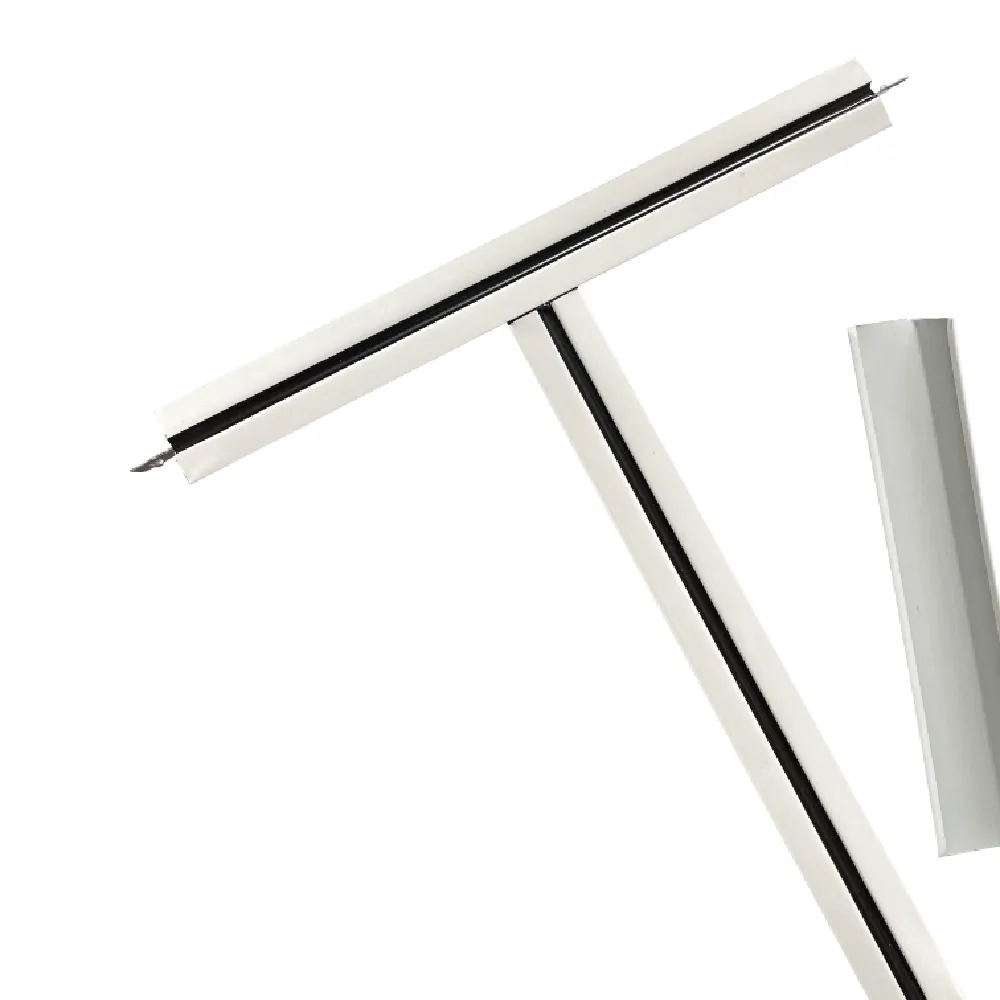
At its core, a grid ceiling is a suspended ceiling system composed of a network of metal channels (the “grid”) that support lightweight panels or tiles—often made from mineral fiber, gypsum, or metal. Installed just below the structural ceiling, this grid holds tiles in place, concealing electrical wiring, pipes, and ductwork while allowing easy access for maintenance. This kind of ceiling can be fully customized to suit acoustic needs, lighting layouts, or mechanical systems.
From an industrial perspective, grid ceilings are an efficient way to standardize building interiors, while for humanitarian aid agencies, they represent a fast, scalable method to create functional indoor spaces under pressing timelines.
Key Components of a Grid Ceiling System
1. Durability
Metal grids—usually of galvanized steel or aluminum—offer long-lasting support resistant to rust or deformation. The durability ensures the ceiling remains stable over years, even under heavy usage or environmental stress.
2. Modularity and Scalability
Tiles can be swapped or upgraded independently, allowing rooms to evolve without tearing the entire ceiling apart. This also means scalability: offices can expand quickly by adding more grid sections.
3. Acoustic Control
Different tile materials absorb sound to varying degrees, making grid ceilings popular in spaces requiring quiet, like classrooms or call centers. Acoustic tiles reduce echo and noise pollution.
4. Cost Efficiency
Compared to drywall ceilings, grid ceilings demand less labor and material costs upfront and over time. Plus, maintenance and upgrades become significantly cheaper.
5. Aesthetic Flexibility
Tiles are available in a range of textures, colors, and finishes—from classic white to metallic or wood-look—giving architects creative freedom to match styles.
6. Easy Access
The drop-in nature allows technicians to quickly reach wiring or pipes above for repairs, avoiding costly ceiling demolition.
Mini takeaway: Behind its simplicity, a grid ceiling system packs a punch in durability, flexibility, and everyday usability.
Real-World Applications of Grid Ceilings Across the Globe
Grid ceilings are as much behind-the-scenes heroes in high-tech office towers in Silicon Valley as they are in quickly erected hospitals after natural disasters in Southeast Asia.
- Corporate and Educational Buildings: In North America and Europe, grid ceilings are standard in schools and offices, providing efficient acoustics and lighting integration.
- Healthcare Facilities: Hospitals in Japan utilize grid ceilings not just for aesthetics but also to facilitate sterile environments and quick system repairs.
- Disaster Relief Shelters: NGOs in regions like the Caribbean deploy modular grid ceilings in makeshift clinics, offering scalable yet controlled environments rapidly.
- Industrial Environments: Factories and clean rooms in Germany and South Korea house sensitive equipment beneath grid ceilings that allow precise environmental monitoring.
Mini takeaway: No matter where you look—office, hospital, or factory—the grid ceiling adapts to provide functional, maintainable solutions.
Advantages and Long-Term Value of Grid Ceilings
From a cost point of view, choosing a grid ceiling saves hundreds or thousands in installation and upkeep over time. The sustainability angle? Those replaceable tiles minimize renovation waste, and the grid system itself is often recyclable. People also feel better in spaces where noise is controlled and lighting is well-distributed—boosting productivity and emotional well-being.
Emotionally, a well-designed ceiling conveys order and care, fostering trust whether it’s in a hospital waiting room or a company’s boardroom. The flexibility to install modern LED panels or air purification systems inside grid ceilings hints at an innovative, future-facing mindset.
Emerging Trends and Innovations in Grid Ceilings
Interestingly, the grid ceiling world is embracing green tech fast. We’re seeing solar-integrated ceiling tiles that generate electricity, advanced fire-resistant composites, and IoT sensors embedded to monitor air quality and occupancy patterns. These smart ceilings align with global moves toward digital buildings certified under ISO 50001 energy standards.
On the materials front, biodegradable or recycled composites are entering the grid ceiling market, reducing the carbon footprint of building interiors. Automation is helping too: robotic ceiling installers are piloting projects to speed up commercial builds.
Challenges to Consider and Innovative Solutions
Of course, grid ceilings aren’t perfect. Humidity can warp certain tile types; cheap grids bend easily; and despite being less dusty than open ceilings, they still accumulate dirt that affects indoor air quality. However, designers are countering these by specifying moisture-resistant tiles, heavier-gauge grids, and anti-microbial coatings.
Another issue? Aesthetic limitation. Sometimes the grid pattern feels too “office-y.” So, vendors are now offering custom shapes and hybrid designs blending grid structures with open plenum areas to mix industrial chic with function.
FAQ: Your Top Questions About What Is a Grid Ceiling
- Q: How long does a typical grid ceiling last?
- A: With proper maintenance, metal grid ceilings and tile assemblies can last 20+ years. Tile replacements or upgrades might be needed sooner depending on use and environmental conditions.
- Q: Can grid ceilings improve building energy efficiency?
- A: Absolutely. They incorporate insulation layers and can integrate LED lighting and HVAC diffusers, reducing heating, cooling, and lighting costs.
- Q: Are grid ceilings suitable for humid environments?
- A: Yes, provided moisture-resistant tiles and rust-proof metal grids are used. Some tiles resist mold and mildew growth, ideal for bathrooms or tropical climates.
- Q: How difficult is it to install a grid ceiling?
- Installation is relatively straightforward for trained technicians. The modular design enables faster setup compared to traditional ceiling systems.
- Q: Can grid ceilings be customized?
- Yes. Aside from standard tiles, you can choose from acoustic tiles, metal panels, or specialty inserts with varied finishes to fit your design vision.
Product Specification Table for a Typical Grid Ceiling System
| Feature | Specification | Units |
|---|---|---|
| Grid Material | Galvanized Steel | — |
| Grid Width | 15/16 | inch |
| Tile Size | 24x24 | inch |
| Tile Material | Mineral Fiber | — |
| Acoustic NRC Rating | 0.65 | — |
| Fire Rating | Class A | — |
| Weight (Grid + Tiles) | 1.6 | lbs per sq.ft. |
Vendor Comparison Table for Grid Ceiling Providers
| Vendor | Material Quality | Customization Options | Price Range | Typical Lead Time |
|---|---|---|---|---|
| Xingyuan Ceilings | High (galvanized steel, premium tiles) | Extensive with custom patterns | $$$ | 2–4 weeks |
| Global Ceilings Inc. | Medium | Standard patterns only | $$ | 3–5 weeks |
| EcoGrid Solutions | Recycled & biodegradable tiles | Limited but eco-focused | $$$ | 4–6 weeks |
Wrapping It Up: The Quiet Impact of What Is a Grid Ceiling
So, what is a grid ceiling really? It’s a deceptively simple yet transformative construction element that silently shapes how buildings function, how comfortable people feel inside, and how design teams address efficiency and sustainability. Whether you’re remodeling an office, building a hospital wing, or deploying a temporary shelter, choosing a grid ceiling design can mean the difference between clunky, costly updates and smooth, elegant solutions.
Interested in exploring more about what is a grid ceiling and how it can elevate your next project? Visit our website for detailed specs, expert insights, and custom solutions tailored to your needs.
References:
-
Benefits and Guide of Mineral Fiber Ceiling Board for InteriorsNewsApr.16,2026
-
Modern Mineral Fiber Ceiling Solutions for Acoustic PerformanceNewsApr.09,2026
-
Mineral Fibre Board Ceiling vs Gypsum Board A Comprehensive Comparison GuideNewsApr.07,2026
-
Comprehensive Guide to Mineral Fiber Ceiling Specification and PerformanceNewsApr.04,2026
-
What Are Mineral Fiber Ceiling Tiles Made Of And Their ApplicationsNewsMar.31,2026
-
Exploring the Benefits of Suspended Mineral Fibre Ceiling Systems for Modern BuildingsNewsMar.28,2026