
Dec . 03, 2025 13:42 Back to list
What Is a Seismic Ceiling Grid? Global Importance, Benefits & Future Trends
Understanding the Seismic Ceiling Grid: A Global Safety Imperative
So, what exactly is a seismic ceiling grid and why should anyone beyond architects and engineers care? At its core, this system is a special framework designed to secure ceiling tiles and fixtures against the jarring effects of earthquakes. Globally, where seismic activity threatens billions of lives annually, these grids stand as unsung heroes that help protect buildings and, importantly, the people inside them. Learning about them isn’t just for specialists—it's about understanding how built environments can better withstand nature’s unpredictability.
Introduction: The Global Need for Seismic Ceiling Grids
Earthquakes are a major global risk, with organizations like the United Nations Office for Disaster Risk Reduction estimating that millions face earthquake hazards every year. In particular, urban centers along the Pacific “Ring of Fire” and other fault lines are vulnerable. Buildings must comply with rigorous safety standards to mitigate collapse risks, and within that framework, seismic ceiling grids play a vital role in reducing secondary hazards, like falling debris. Yet, many older structures lack these modern grids, increasing injury risks indoors.
The challenge is integrating cost-effective, robust solutions that meet local building codes and can be deployed in diverse climates — from California to Japan to Turkey. This has engineered a niche but critical demand for specialized ceiling grid products designed specifically for seismic resilience.
Mini takeaway: With billions at risk globally, seismic ceiling grids are not just industry jargon — they’re a vital life safety system for earthquake-prone regions worldwide.
What Is a Seismic Ceiling Grid?
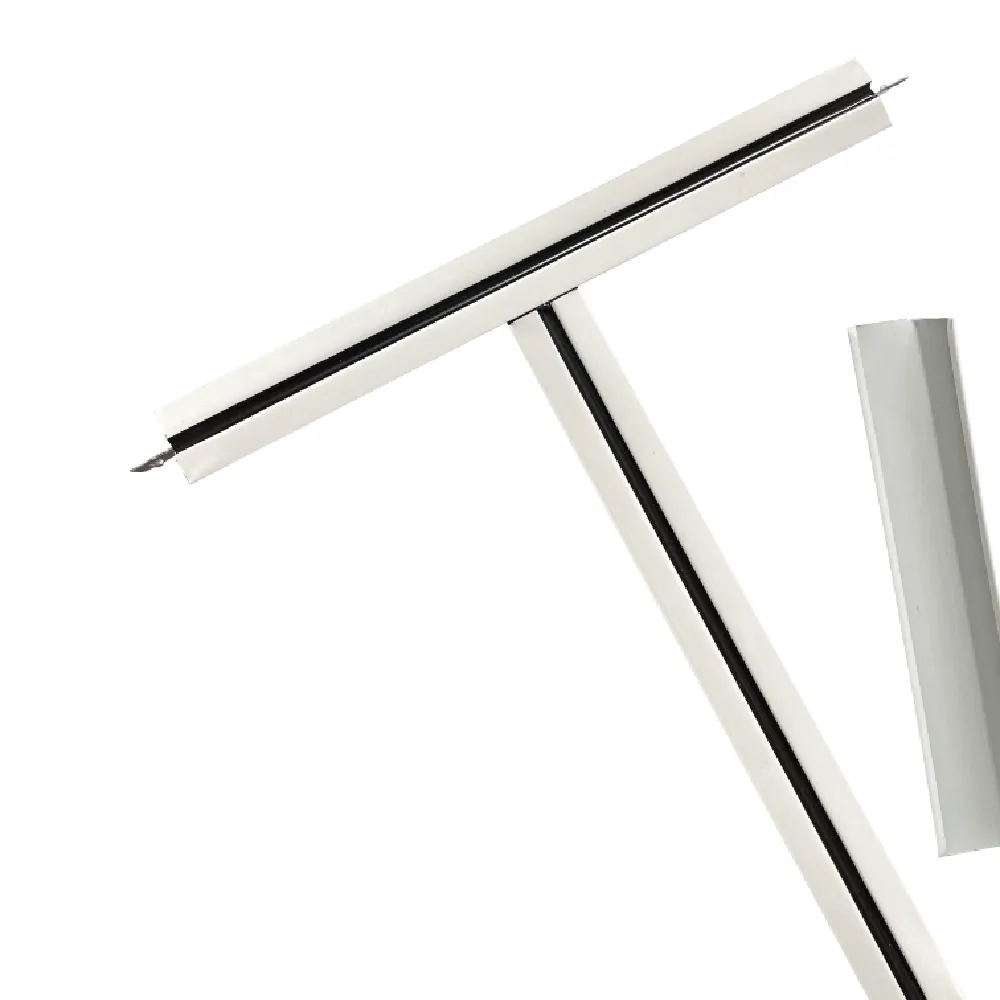
Simply put, a seismic ceiling grid is a specialized suspended ceiling framework crafted to resist the shaking and forces of an earthquake. Unlike standard ceiling grids, these are reinforced, often incorporating flexible connections, stronger materials, and installation techniques that allow tiles and fixtures to stay in place even during violent tremors.
These systems matter not just for design elegance but as components of modern building codes, particularly in commercial, educational, and healthcare facilities. Hospitals, for example, can’t afford ceiling tile collapses during an earthquake because that puts patient safety at risk. So, these grids are part of a broader humanitarian need – to keep essential infrastructure standing and functioning under stress.
Core Components of Seismic Ceiling Grids
- Durability: Using high-tensile metals like galvanized steel ensures the grid can withstand repeated stress without deforming.
- Flexibility: The system needs flexible joints or seismic clips that allow some movement without failure.
- Load Capacity: They must support both the weight of ceiling tiles and additional fixtures like lights or sprinklers, even under dynamic shaking.
- Compatibility: Designed to integrate smoothly with HVAC and fire suppression systems to maintain building functionality.
- Cost Efficiency: Optimized design balances strength with affordability so large-scale retrofits or new builds are feasible.
Mini takeaway: Durability and flexibility are the yin and yang of seismic ceiling grids — they must hold firm yet allow necessary movement.
Product Specifications Table
| Feature | Typical Specs | Benefit |
|---|---|---|
| Material | Galvanized Steel or Aluminum Alloy | Corrosion resistance; strength-to-weight ratio optimized |
| Seismic Clips | Spring-loaded, flexible fasteners | Allows movement absorbing shocks, prevents grid collapse |
| Load Bearing | Up to 2.0 kg per tile, fixtures included | Supports heavy ceilings, lighting, safety systems |
| Certification | Meets ASTM E580 and ISO 17893 standards | Validated seismic performance |
Global Applications & Use Cases
Seismic ceiling grids find their homes in places where seismic risk is a daily consideration. Across Japan, California, Turkey, and New Zealand, hospitals, schools, and government buildings often incorporate these systems as part of mandatory safety designs. Commercial skyscrapers in San Francisco, for example, use advanced ceiling grids integrated with smart sensors to monitor movement during quakes.
Beyond urban centers, humanitarian organizations working in post-disaster relief operations rely on modular buildings fitted with seismic ceiling grids — imagine emergency clinics set up after an earthquake in Nepal or Chile. The grids ensure the structural integrity of the ceilings, reducing hazards for both staff and patients.
In industrial zones, where heavy machinery and hazardous materials may be present, such ceiling systems add a layer of protection that can prevent a minor tremor from escalating into a disastrous collapse.
Mini takeaway: From skyscrapers to field hospitals, seismic ceiling grids are versatile solutions guarding human life across industry and geography.
Vendor Comparison Table: Top Seismic Ceiling Grid Providers
| Vendor | Material Quality | Seismic Certification | Customization Options | Global Reach |
|---|---|---|---|---|
| Xingyuan Ceilings | Premium galvanized steel | ASTM E580, ISO 17893 | Full custom grid sizes, clip variations | Asia, North America, Europe |
| Seismocraft Inc. | Aluminum alloy blends | UL 2034 Certified | Standard clip designs only | North America, Europe |
| QuakeSafe Systems | Recycled steel composites | ISO 9001 & ASTM E580 | Limited customization | Asia-Pacific focused |
Advantages and Long-Term Value
Frankly, the value in seismic ceiling grids isn’t just about meeting codes; it’s about trust and peace of mind. When you walk into a hospital or office knowing those ceilings won’t rain down tiles or wiring during a shake, it’s reassuring. Beyond safety, there’s a sustainability angle — many grids today use recycled metals or are designed for easy disassembly and reuse, aligning with green building initiatives.
Financially, investing in resilient grids pays off by minimizing maintenance, avoiding expensive repairs, and protecting human lives — priceless, really. Socially, they underpin dignity in public spaces, ensuring people can live, work, and heal without fear.
Future Trends & Innovations
Emerging tech is making these grids smarter. Imagine integrated sensors that not only move with the building but alert emergency systems the moment shaking starts. Digital modeling helps engineers custom-fit grids for irregular ceiling shapes or heavy fixture loads.
Moreover, new composite materials blend lighter weights with superior strength, cutting costs and carbon footprints simultaneously.
There's also a growing push to harmonize seismic standards globally, easing cross-border construction and disaster relief. Sustainability is king: grids that integrate with green ceiling panels or energy-efficient lighting align with broader eco-conscious building trends.
Challenges & Solutions
Despite advances, challenges remain. Retrofitting older buildings with seismic grids can be labor-intensive and costly. Variability in local regulations sometimes causes confusion or noncompliance. Plus, in emerging markets, a lack of awareness or funding stalls adoption.
Experts recommend modular designs that simplify retrofits and training programs to improve installer expertise. Public-private partnerships can subsidize upgrades in vulnerable communities. On the tech side, better analytic tools help architects select the right grid for each seismic zone and building type.
FAQ: Common Questions About Seismic Ceiling Grids
- Q: How does a seismic ceiling grid differ from a standard ceiling grid?
A: Seismic grids are reinforced with flexible connections and stronger materials designed to withstand earthquake forces, unlike regular grids that may collapse or shed tiles under shaking. - Q: Can seismic ceiling grids be installed in existing buildings?
A: Yes, many grids are designed for retrofit, but installation can be complex depending on ceiling height and existing structure. Professional assessment is recommended. - Q: Are seismic ceiling grids costly compared to standard options?
A: They tend to be more expensive upfront due to enhanced features but save costs long-term by reducing repair risk and enhancing safety. - Q: Do these grids comply with international building codes?
A: Leading products meet standards like ASTM E580 and ISO 17893; however, local code compliance should always be verified.
Conclusion
To wrap up, seismic ceiling grids aren’t just fancy building components—they’re critical, life-saving frameworks that adapt our indoor environments to a shaking world. As global urbanization expands into quake-prone zones, these systems will become even more essential. For architects, builders, and safety planners seeking reliable solutions, embracing seismic ceiling grids is a step toward safer, more resilient infrastructure.
Want to explore top-tier seismic ceiling grid systems for your project? Visit our website to browse specs, certifications, and custom options suited for your needs.
It's a small detail with a giant impact – keep your ceilings secure, your people safe.
References:
-
Benefits and Guide of Mineral Fiber Ceiling Board for InteriorsNewsApr.16,2026
-
Modern Mineral Fiber Ceiling Solutions for Acoustic PerformanceNewsApr.09,2026
-
Mineral Fibre Board Ceiling vs Gypsum Board A Comprehensive Comparison GuideNewsApr.07,2026
-
Comprehensive Guide to Mineral Fiber Ceiling Specification and PerformanceNewsApr.04,2026
-
What Are Mineral Fiber Ceiling Tiles Made Of And Their ApplicationsNewsMar.31,2026
-
Exploring the Benefits of Suspended Mineral Fibre Ceiling Systems for Modern BuildingsNewsMar.28,2026