
Nov . 15, 2025 20:30 Back to list
What Is Ceiling Grid Made Of? Materials, Uses, and Future Trends Explained
Understanding What Is Ceiling Grid Made Of: Why It Matters More Than You Think
Ceiling grids might seem like a minor detail when stepping into a modern office, hospital, or retail space — but they hold a surprisingly important place in construction and design worldwide. At its core, what is ceiling grid made of isn’t just about materials; it impacts durability, safety, aesthetics, and functionality of interiors across industries. Grids support ceiling tiles, lighting, HVAC components, and sometimes acoustic enhancements. Knowing what they’re made of can give you better insight into sustainability, cost, and even the environmental footprint of a project. Here’s a short summary: Ceiling grids are the skeletal framework that holds up suspended ceilings. They combine form with function, and a deeper understanding aligns with smarter building practices globally.
The Global Context of Ceiling Grids: More Than Just a Local Concern
Globally, suspended ceilings and their grids are ubiquitous in commercial, institutional, and increasingly residential buildings. According to the International Organization for Standardization (ISO), the demand for modular interior solutions is growing at an annual rate of about 5%, driven largely by urbanization and the need for flexible interior spaces.1 Meanwhile, the United Nations projects that over 68% of the world's population will live in cities by 20502 — meaning the push for efficient, cost-effective, and sustainable interior construction isn’t just localized but truly global. Ceiling grids, by being modular and relatively easy to install or replace, play into this shift.
That said, the challenge — and the question behind what is ceiling grid made of — often revolves around balancing affordability with strength, fire safety, and environmental impact. The wrong materials can lead to costly replacements or worse, jeopardize indoor air quality and occupant safety.
Mini Takeaway
In real terms, ceiling grid materials represent a critical junction where architecture, environment, and economics meet — a fine balancing act that affects millions worldwide.
What Is Ceiling Grid Made Of? Breaking It Down Simply
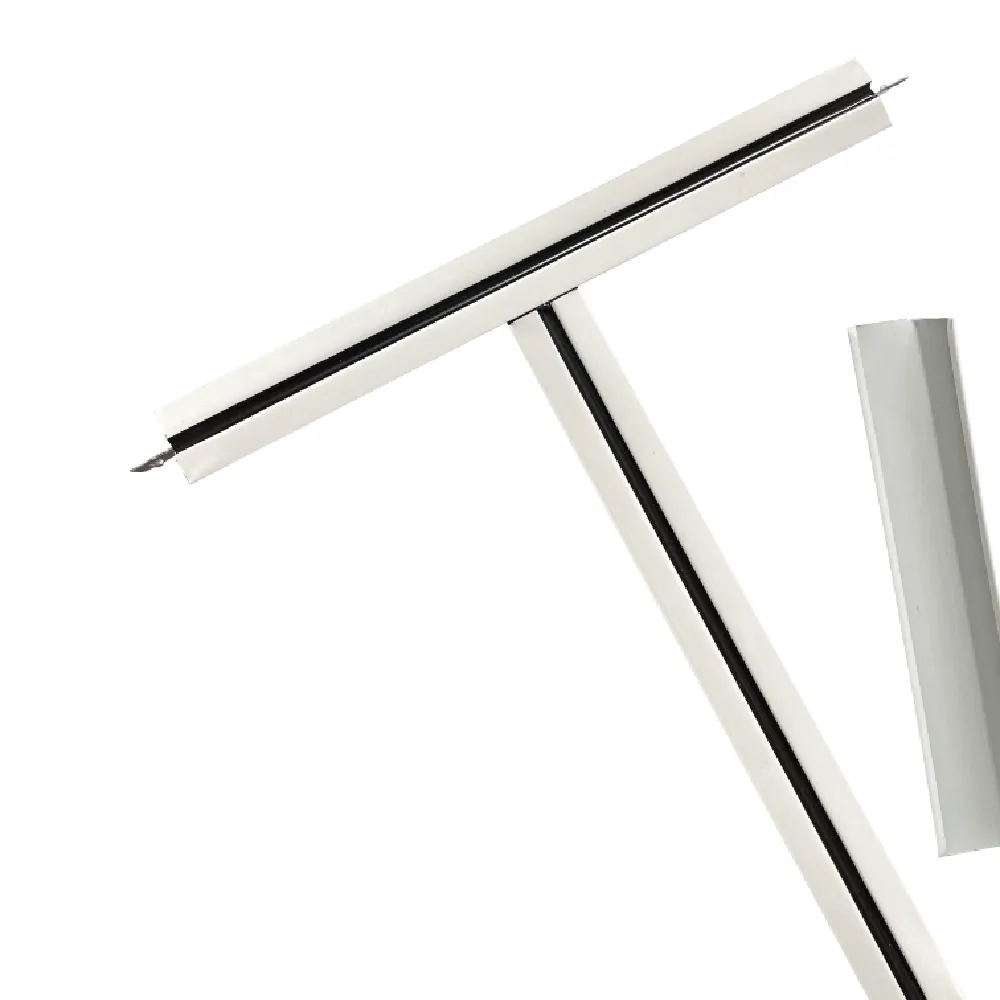
At its simplest, a ceiling grid is a framework system composed of interconnected metal (or occasionally wood or plastic) strips that form a grid pattern. This pattern supports ceiling tiles or panels, lighting fixtures, and other integrations like sprinklers or speakers.
Most commonly, ceiling grid components are manufactured from steel, aluminum, or sometimes galvanized metals — each chosen for unique benefits such as strength, corrosion resistance, or weight. For example, steel grids provide robust support for heavier ceiling tiles, while aluminum offers lightweight, rust-resistant benefits ideal for humid environments.
The grid consists of main runners, cross tees, and wall angles, all connected to form the skeleton that supports the dropped ceiling tiles. Modern innovations sometimes incorporate recycled metals or coatings to enhance sustainability and fire resistance. You could consider ceiling grids as the unsung heroes enabling the flexibility in design that interior spaces demand today.
Mini Takeaway
Put simply, ceiling grids are mostly metal frameworks designed to hold ceiling tiles securely — their material choice ultimately shapes long-term performance and environmental impact.
Core Components That Define Ceiling Grid Quality
1. Durability
The core demand for any ceiling grid is mechanical strength to support ceiling tiles and resist deformation over time. Steel with a protective coating (like vinyl or paint) resists corrosion and warping, especially in commercial settings exposed to humidity or temperature shifts.
2. Corrosion Resistance
Aluminum and galvanized steel are quite prized for resisting rust — important for hospitals, kitchens, or coastal areas. Without proper coatings, you risk degradation that leads to unsightly ceilings or, worse, structural failures.
3. Weight & Ease of Installation
Steel grids are stronger but heavier, requiring robust suspension systems. Aluminum offers lighter, easier installations, cutting labor costs — a factor often overlooked but crucial in large-scale or remote projects.
4. Fire Safety
Materials must meet strict fire codes (like ASTM E84 in the US or EN 13501 in Europe). Certain grids are treated with fire-retardant coatings to delay damage and provide safe evacuation time during emergencies.
5. Environmental Sustainability
With rising eco-consciousness, many manufacturers now include recycled metals or offer fully recyclable components. This helps reduce construction waste and energy use — a win-win.
Mini Takeaway
- Durability, corrosion resistance, lightness, fire safety, and sustainability are key factors shaping ceiling grid composition and selection.
Global Applications & Real-World Case Examples
Ceiling grids see widespread use beyond office interiors. In post-disaster zones like those faced by humanitarian groups in Southeast Asia, modular ceiling systems enable quick rebuilding of temporary healthcare centers where rapid deployment matters.3
In industrial zones across Europe, grids made of galvanized steel support heavy acoustical tiles designed to meet noise regulations on factory floors. Meanwhile, in humid tropical climates like Brazil, aluminum ceiling grids are favored to prevent rust and extend maintenance cycles.
Even in luxury retail stores in the Middle East, ceiling grids allow flexible lighting and air conditioning setups, blending custom design with structural reliability.
Mini Takeaway
Ceiling grid materials and designs are adapted globally to suit climate, industry, and urgency — from disaster relief clinics to quiet factories and high-end boutiques.
Advantages & Long-Term Value of Choosing the Right Ceiling Grid
- Cost Efficiency: Proper materials reduce replacement frequency and maintenance costs.
- Safety: Complying with fire and structural codes protects occupants and property.
- Sustainability: Using recyclable materials lowers environmental impact.
- Flexibility & Aesthetics: Modular grids allow easy upgrades, supporting modern design trends.
- Trust & Reputation: Well-chosen materials lend credibility to architects, builders, and venues.
For me, it’s always striking how something as simple as metal strips—a grid really—can embody so many overlapping priorities: cost, safety, and even emotional qualities like comfort and dignity in a building space.
Product Specification Table
| Specification | Description |
|---|---|
| Material | Galvanized Steel / Aluminum Alloy |
| Finish | Powder-coated or vinyl-coated for corrosion resistance |
| Standard Sizes | Main runners: 12 ft, Cross tees: 2 ft or 4 ft sections |
| Fire Rating | Meets ASTM E84 Class A or EN 13501: B-s1,d0 |
| Weight | Steel grids: approx. 2.5 kg/m; Aluminum grids: approx. 1.2 kg/m |
| Environmental | Up to 50% recycled content, 100% recyclable after use |
Vendor Comparison: Choosing The Right Ceiling Grid Supplier
| Vendor | Material Options | Lead Time | Customization | Sustainability |
|---|---|---|---|---|
| Xingyuan Ceilings | Steel, Aluminum, Eco-coatings | 2-3 weeks | Full design and size customization | High recycled content, ISO 14001 certified |
| GlobalGrid Solutions | Galvanized Steel only | 4-5 weeks | Standard sizes only | Basic recycling program |
| EcoStructural Metal | Aluminum with eco-polymer finish | 3-4 weeks | Custom colors & coatings | Up to 70% recycled content |
Future Trends & Innovations in Ceiling Grids
The ceiling grid market isn’t frozen in time. New materials such as high-strength composites or biodegradable polymers are under experimentation, aiming to reduce weight and environmental footprint. Digital manufacturing and automation are increasingly employed to customize grids faster and with less waste.
Interestingly, green energy integration is also influencing ceiling systems — grids designed to incorporate LED lighting or sensor arrays to regulate room climate intelligently. This kind of digital transformation aligns with building certifications like LEED or WELL.
Challenges and How Experts Are Tackling Them
One issue keeping many engineers up at night? Balancing cost with quality, especially in rapidly developing regions where budget ceilings might be tight but standards remain high. Materials that perform well but are cheaper or recyclable are still catching on. Plus, fire safety regulations sometimes lag behind innovation, creating a gap between what's possible and what's allowed.
Experts suggest ongoing collaboration between manufacturers, architects, and regulators, plus better lifecycle analyses to make smart choices. Modular design is another solution — allowing easy parts replacement rather than wholesale grid swaps.
Frequently Asked Questions About What Is Ceiling Grid Made Of
1. What materials are most commonly used for ceiling grids and why?
Steel and aluminum dominate because steel offers strength and durability, whereas aluminum provides corrosion resistance and lighter weight—ideal depending on environmental needs and load requirements.
2. Are ceiling grids eco-friendly?
Many ceiling grids now include recycled metals and can be fully recycled after use, making them an increasingly sustainable choice when sourced from certified suppliers.
3. How long can a ceiling grid last?
With proper installation and maintenance, ceiling grids typically last 15-25 years or more. Material choice and environmental conditions can affect longevity significantly.
4. Can ceiling grids be customized for specific buildings?
Absolutely. Modern manufacturers offer customized sizes, coatings, and color options to meet architectural demands or specific functional needs.
5. Is installation complicated for ceiling grids?
Not really. Most grids are modular and designed for quick assembly, although professional installation is recommended for safety and code compliance.
Conclusion: Why Paying Attention to What Ceiling Grids Are Made Of Pays Off
Choosing the right ceiling grid material isn’t just an afterthought of design—it’s a practical decision that shapes safety, cost, sustainability, and even occupant happiness for years. So next time you wonder what is ceiling grid made of, remember it’s about the backbone keeping your ceiling safe, attractive, and reliable.
For those interested in learning more or sourcing premium ceiling grids tailored to your projects, I recommend visiting Xingyuan Ceilings — they combine quality and innovation in ways that feel right for modern construction.
References
-
Benefits and Guide of Mineral Fiber Ceiling Board for InteriorsNewsApr.16,2026
-
Modern Mineral Fiber Ceiling Solutions for Acoustic PerformanceNewsApr.09,2026
-
Mineral Fibre Board Ceiling vs Gypsum Board A Comprehensive Comparison GuideNewsApr.07,2026
-
Comprehensive Guide to Mineral Fiber Ceiling Specification and PerformanceNewsApr.04,2026
-
What Are Mineral Fiber Ceiling Tiles Made Of And Their ApplicationsNewsMar.31,2026
-
Exploring the Benefits of Suspended Mineral Fibre Ceiling Systems for Modern BuildingsNewsMar.28,2026