
Mar . 09, 2026 02:15 Back to list
Comprehensive Guide to Mineral Tile Ceiling Systems and Applications
Mineral Tile Ceiling: A Comprehensive Guide
When considering acoustic control, fire resistance, and aesthetic appeal for your building’s interior, mineral tile ceilings are an excellent choice. This article delves into the benefits, applications, installation, and key considerations for choosing the right mineral tile ceiling for your project. We'll explore why they are a favored solution for commercial, educational, and healthcare environments, and how Xingyuan Ceilings provides high-quality options.
Understanding Mineral Tile Ceiling Composition
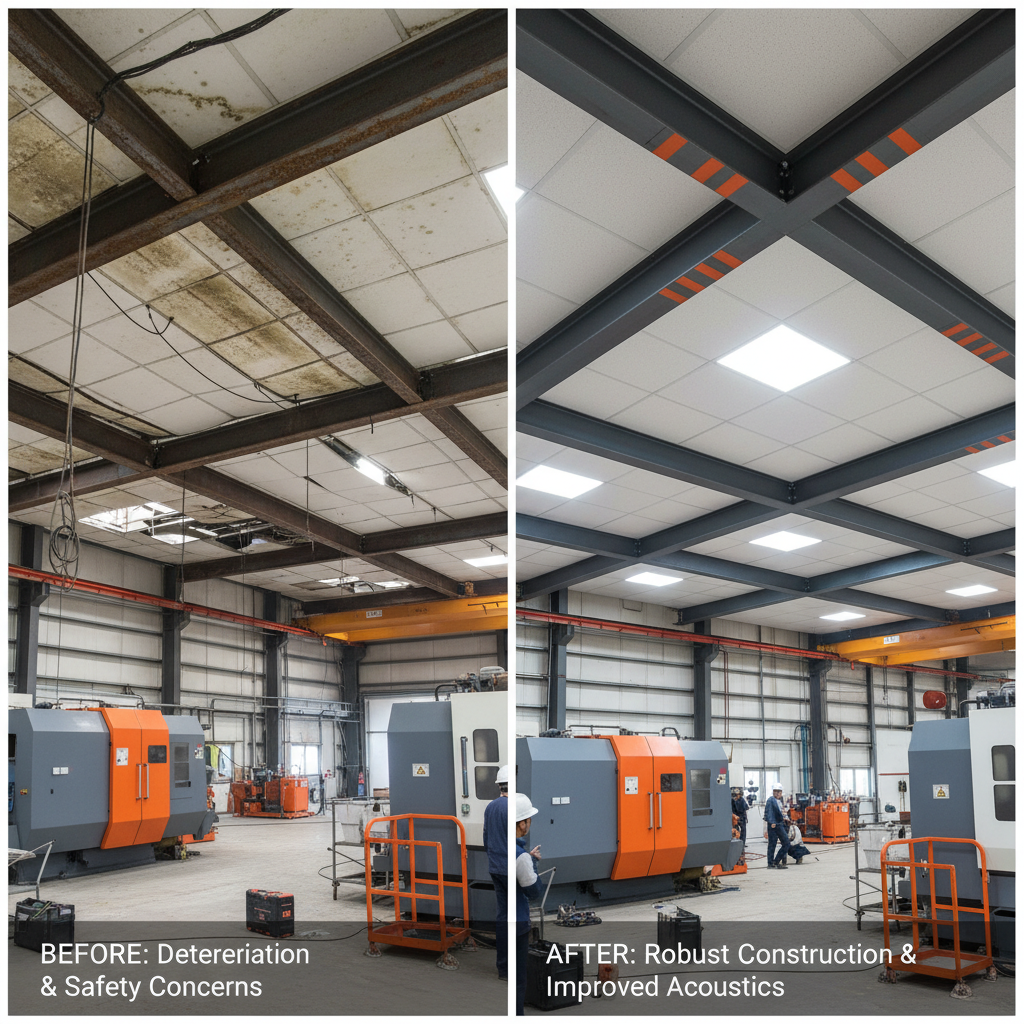
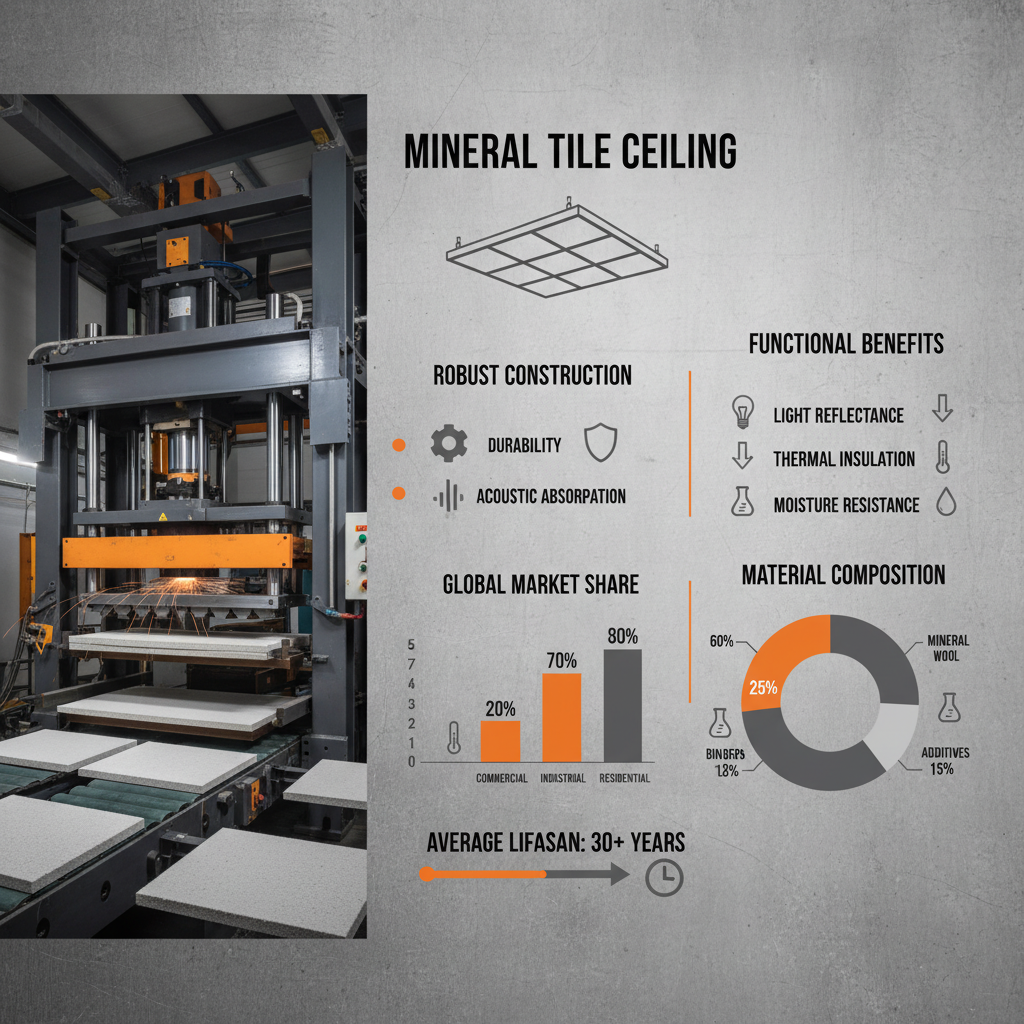
Mineral tile ceilings are primarily made from a combination of mineral wool (slag wool, rock wool, or glass wool), clay, and other binding agents. This composition delivers exceptional acoustic performance, absorbing sound and reducing reverberation within a space. The tiles are typically finished with a paint or coating, offering a clean and attractive aesthetic. Their inherent fire-resistant properties make them a safe choice for various building applications. The density and thickness of the tile influence its acoustic and thermal performance. Xingyuan Ceilings offers a variety of densities to suit different project requirements.
Key Benefits: Excellent acoustic performance, inherent fire resistance, moisture resistance, and a clean aesthetic.
Applications of Mineral Tile Ceilings
Mineral tile ceilings find widespread application in diverse settings. They are commonly used in office spaces to reduce noise and create a more productive work environment. In educational institutions – schools, colleges, and universities – they enhance the learning experience by minimizing distractions. Healthcare facilities benefit from their acoustic properties, creating a calmer and more therapeutic atmosphere. Additionally, they're suitable for retail spaces, lobbies, corridors, and any area where sound control and aesthetics are important. Xingyuan Ceilings provides solutions tailored to each of these applications.
Common Application Areas:
• Offices and Commercial Buildings
• Schools and Universities
• Hospitals and Healthcare Facilities
• Retail Stores and Shopping Malls
Mineral Tile Ceiling vs. Other Ceiling Types
While various ceiling options are available, mineral tile ceilings offer a unique combination of benefits. Compared to gypsum board ceilings, they provide superior acoustic performance and inherent fire resistance. They are also more moisture-resistant than gypsum board. Compared to metal ceilings, mineral tiles are generally more affordable and offer better sound absorption. Here's a detailed comparison:
Mineral Tile Ceiling Installation Considerations
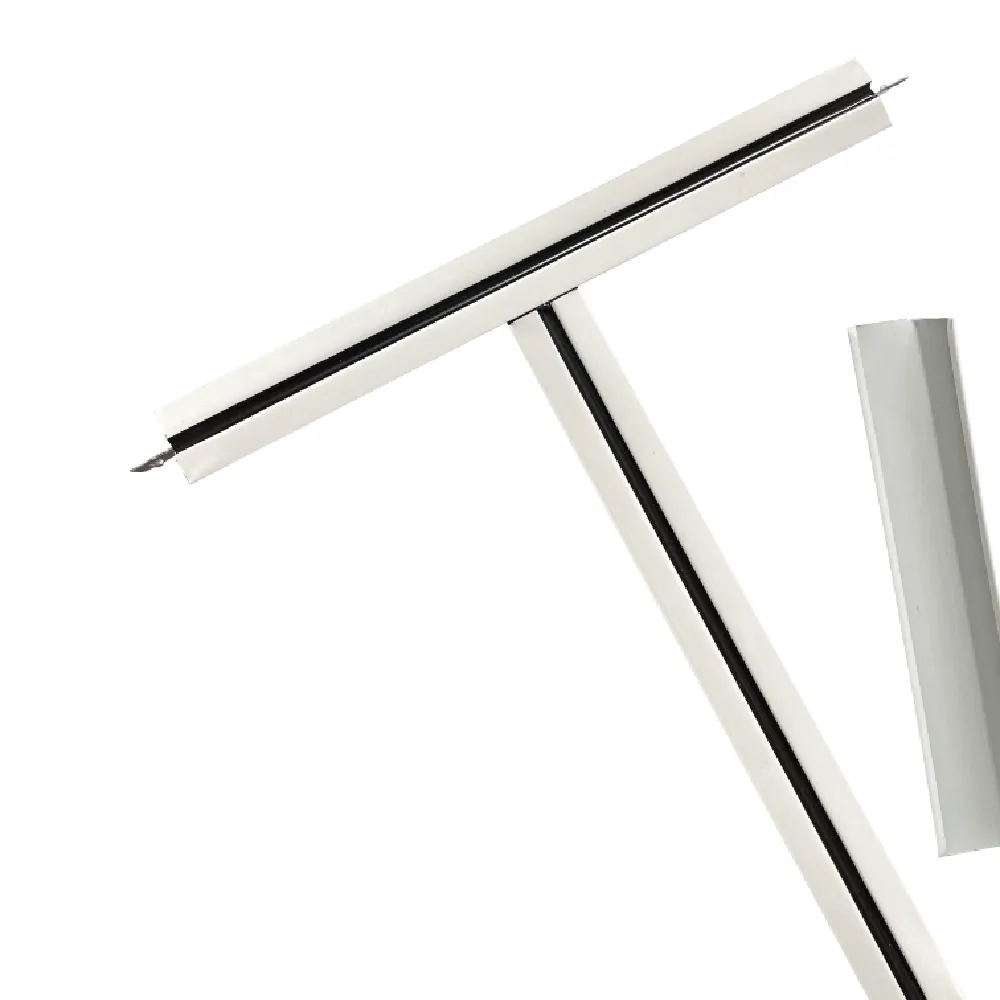
Proper installation is crucial for maximizing the performance of mineral tile ceilings. It typically involves a suspended grid system, providing access to the space above for utilities and maintenance. Ensure the grid is level and securely fastened to the building structure. Tiles should be carefully positioned within the grid, avoiding damage during handling. Consider the weight of the tiles and the load-bearing capacity of the grid system. For optimal acoustic performance, proper sealing around the perimeter of the ceiling is recommended. Xingyuan Ceilings provides detailed installation guides and support.
Selecting the Right Mineral Tile: Key Specifications
When choosing mineral tile ceilings, consider factors such as Noise Reduction Coefficient (NRC), Ceiling Attenuation Class (CAC), and tile size. NRC measures the sound absorption capability, with higher values indicating better performance. CAC measures the ability to block sound transmission. Also consider the tile’s edge detail (square, beveled, etc.) and its compatibility with the grid system. Here's a typical specification overview:
Conclusion: Enhancing Spaces with Mineral Tile Ceilings
Mineral tile ceilings offer a compelling solution for architects, designers, and building owners seeking a balance of performance, aesthetics, and cost-effectiveness. With their superior acoustic properties, fire resistance, and versatility, they enhance the functionality and comfort of any space. Xingyuan Ceilings is committed to providing high-quality mineral tile solutions tailored to your project needs. Invest in a ceiling that elevates your space.
Frequently Asked Questions (FAQs)
What is the NRC of Xingyuan Ceilings’ mineral tile offerings?
Xingyuan Ceilings offers a range of mineral tiles with NRC values ranging from 0.60 to 0.75. The specific NRC value depends on the tile's density and composition. Higher NRC values indicate better sound absorption. For spaces requiring superior acoustic control, such as recording studios or conference rooms, we recommend selecting tiles with an NRC of 0.70 or higher. Our technical team can assist you in choosing the appropriate tile for your specific acoustic requirements.
Are mineral tile ceilings suitable for humid environments?
Mineral tile ceilings generally exhibit good moisture resistance, making them suitable for many indoor environments. However, prolonged exposure to high humidity or direct water contact should be avoided. We offer specific mineral tile options with enhanced moisture resistance for environments like bathrooms or kitchens. These tiles feature a protective coating that prevents water absorption and maintains their structural integrity. Proper ventilation is also crucial in humid environments to prevent condensation and mold growth.
How easy is it to replace damaged mineral tiles?
Replacing damaged mineral tiles is a relatively straightforward process. Simply lift the damaged tile from the grid, carefully remove any debris, and insert a new tile of the same size and type. Ensure the new tile is securely seated within the grid. Minor damage, such as small scratches or dents, typically doesn't compromise the tile's performance and may not require replacement. However, significant damage, such as cracks or water stains, should be addressed promptly to maintain the ceiling’s aesthetic and functional integrity.
What fire rating do Xingyuan Ceilings’ mineral tiles have?
Xingyuan Ceilings’ mineral tiles are designed to meet stringent fire safety standards. They generally achieve a Class A fire rating, indicating excellent fire resistance. This means they can effectively contain the spread of fire and minimize smoke development. Our tiles have been tested and certified to meet relevant national and international fire safety regulations, providing peace of mind and ensuring the safety of building occupants. Detailed fire rating certifications are available upon request.
-
Benefits and Guide of Mineral Fiber Ceiling Board for InteriorsNewsApr.16,2026
-
Modern Mineral Fiber Ceiling Solutions for Acoustic PerformanceNewsApr.09,2026
-
Mineral Fibre Board Ceiling vs Gypsum Board A Comprehensive Comparison GuideNewsApr.07,2026
-
Comprehensive Guide to Mineral Fiber Ceiling Specification and PerformanceNewsApr.04,2026
-
What Are Mineral Fiber Ceiling Tiles Made Of And Their ApplicationsNewsMar.31,2026
-
Exploring the Benefits of Suspended Mineral Fibre Ceiling Systems for Modern BuildingsNewsMar.28,2026