
Dec . 07, 2025 12:05 Back to list
Comprehensive Guide to Suspended Ceiling Grid Prices: Global Trends & Insights
Understanding Suspended Ceiling Grid Prices: What You Need to Know
Suspended ceiling grids might not be the most glamorous part of a building, but their pricing—suspended ceiling grid prices—plays a surprisingly pivotal role in construction projects worldwide. From commercial offices to healthcare facilities, knowing these prices helps architects, builders, and facility managers balance cost, durability, and aesthetic appeal. Frankly, understanding what influences these prices can save a lot of headaches (and dollars) later on.
Global Context: Why Suspended Ceiling Grid Prices Matter
On a global stage, the construction sector drives about 13% of the world’s GDP, according to the World Bank. Within that massive industry, interior finishes, such as suspended ceilings, represent a significant chunk of cost and design decisions. Suspended ceiling grids are essential in modern buildings, not only for their visual impact but also for functional reasons—concealing wiring, improving acoustics, and allowing for flexible lighting solutions.
However, a persistent challenge lies in fluctuating material costs and supply chain disruptions, which make suspended ceiling grid prices a hot topic among procurement specialists. Rising steel and aluminum prices, for example, directly influence grid costs, pressing for smarter choices and transparency across geographies.
What Are Suspended Ceiling Grid Prices?
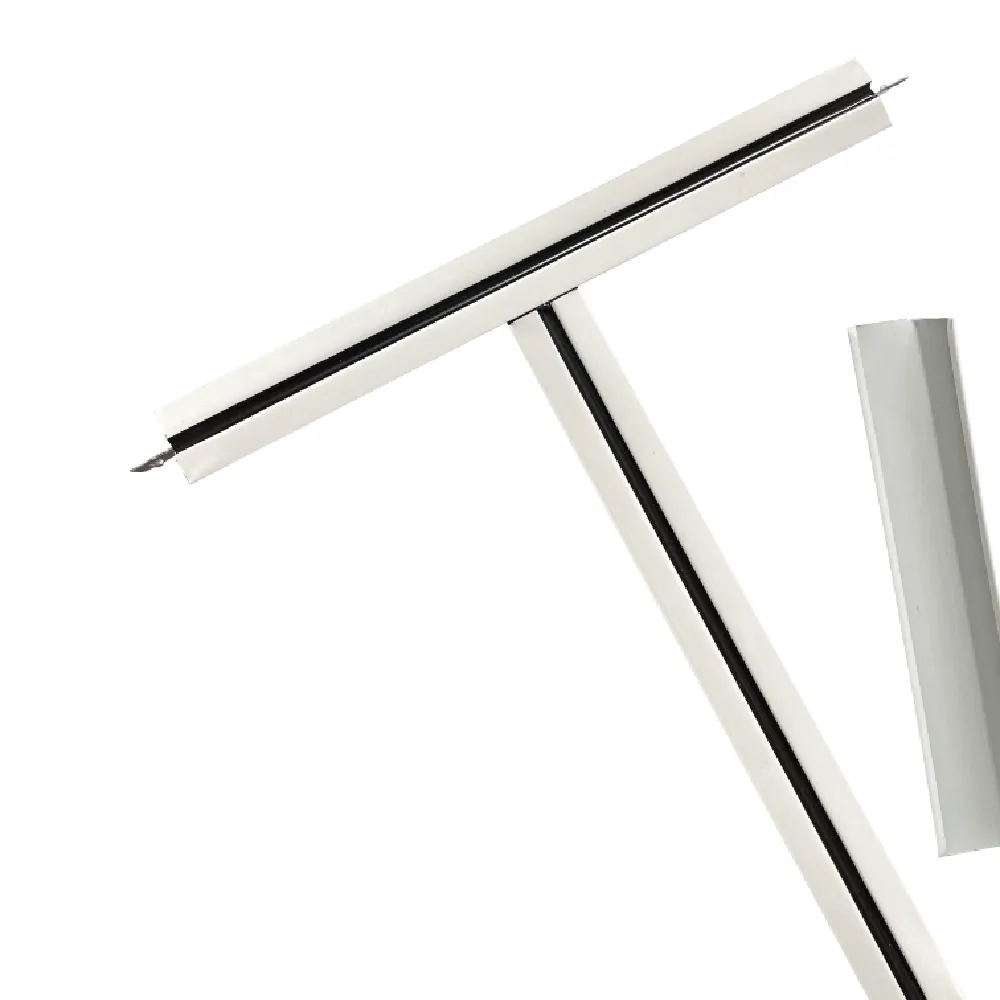
Simply put, suspended ceiling grid prices refer to the cost associated with the metal framework that supports ceiling tiles below the main ceiling structure. These grids are usually made from materials like galvanized steel or aluminum and come in modular sections that snap together. Their price reflects manufacturing, material quality, design complexity, and the vendor’s logistical efficiency.
Their importance extends beyond just cost—they enable rapid installation and easy maintenance, essential for industries ranging from hospitals needing sterile environments to schools requiring sound control. Moreover, suspended ceilings help meet fire safety regulations by providing clearance for sprinkler systems and other equipment.
Key Factors Influencing Suspended Ceiling Grid Prices
1. Material Quality and Type
The primary cost driver is the metal used. Aluminum grids might cost more upfront but offer corrosion resistance, helpful in humid environments. Conversely, galvanized steel is common and affordable but can rust without proper treatment.
2. Durability and Load Capacity
Heavier-duty grids designed to carry more weight or withstand impacts naturally cost more. Think industrial settings where ceiling-mounted equipment is routine.
3. Design and Finish
Some grids come with powder coatings, special colors, or custom shapes—all affecting price. Basic white grids are generally cheapest and most popular.
4. Production Scale and Vendor Efficiency
Larger manufacturers benefiting from economies of scale often provide more competitive suspended ceiling grid prices. Local sourcing can also impact costs through shipping and tariffs.
5. Installation Complexity and Location
Though not part of material pricing, installation demands directly affect overall project expense and vendor pricing strategies, particularly in remote or disaster-affected areas.
Mini takeaway: When assessing suspended ceiling grid prices, materials, design options, and supplier logistics all intertwine, making it essential to look beyond just upfront costs.
Product Specification Table for Typical Suspended Ceiling Grids
| Feature | Specification |
|---|---|
| Material | Aluminum / Galvanized Steel |
| Module Size | 600x600 mm or 1200x600 mm |
| Finish | Powder Coated / Galvanized / Painted |
| Load Capacity | up to 180kg/m² (depends on design) |
| Typical Price Range | $5 - $15 per square meter |
Vendor Comparison Table: Leading Suppliers of Suspended Ceiling Grids
| Vendor | Materials Offered | Price Range (per m²) | Lead Time | Notes |
|---|---|---|---|---|
| AlphaCeilings Inc. | Galvanized Steel, Aluminum | $5 - $12 | 2-4 weeks | Strong customer service; regional warehouses |
| BetaGrid Solutions | Aluminum only | $8 - $15 | 3-5 weeks | Focus on premium finishes and durability |
| CeilPro Ltd. | Galvanized Steel | $4 - $10 | 1-3 weeks | Competitive prices, suited for large projects |
Global Applications of Suspended Ceiling Grids
Suspended ceilings are everywhere, but oddly enough, their importance jumps out in specific industries and scenarios. For instance:
- Healthcare: Hospitals benefit from easy-access grids to maintain cleanrooms and route medical gases.
- Commercial Buildings: Offices use them to hide cables and optimize acoustics, which in turn increases productivity.
- Education: Schools rely on affordable, durable grid systems to retrofit older buildings efficiently.
- Post-Disaster Relief: In disaster-prone regions, quickly installed suspended ceilings provide essential shelter interior finishing, balancing speed and cost.
- Remote Industrial Zones: Oil and gas or manufacturing facilities may use specialized grids to meet heavy-load and fire-resistance needs.
Mini takeaway: The choice of suspended ceiling grid and, naturally, its price will shift according to industry demands and environmental needs.
Advantages & Long-Term Value of Understanding Suspended Ceiling Grid Prices
Looking beyond the sticker price, the value of a well-chosen suspended ceiling grid is multifaceted.
- Cost Efficiency: Smarter selection prevents costly replacements or maintenance downtime.
- Sustainability: Some grids use recycled metals or are themselves recyclable, fitting the global mandate for green building practices.
- Reliability: Durable grids provide safety and peace of mind for building occupants, literally supporting their daily lives.
- Social Impact: Well-designed interiors can improve morale and reflect a commitment to quality, which, while intangible, really counts.
Future Trends & Innovations
Looking ahead, the suspended ceiling grid market is quietly evolving. Here are some things to keep an eye on:
- Smart Materials: Self-cleaning and antimicrobial coatings are increasingly popular, especially post-pandemic.
- Green Manufacturing: Several vendors now use low-carbon footprint production, aligning with ISO 14001 environmental standards.
- Automation & Modular Design: Factories are adopting robots to speed up production and reduce errors, potentially lowering suspended ceiling grid prices.
- Customization Platforms: Web-based tools now allow designers to preview and tweak grid layouts and finishes before purchase.
Challenges & Solutions
Of course, this space is not without struggles:
- Supply Chain Risks: Disrupted material flows can spike prices suddenly. Many vendors now keep buffer inventory or source regionally to mitigate this.
- Installation Skill Gaps: Some projects suffer from improper installation, affecting performance and durability. Training programs and certification help bridge this gap.
- Balancing Price vs. Quality: It can be tempting to go for the cheapest option, but this often leads to higher total cost of ownership.
FAQ: Frequently Asked Questions About Suspended Ceiling Grid Prices
- What factors most influence suspended ceiling grid prices?
- Material type, design complexity, vendor scale, finish options, and current steel/aluminum market trends primarily drive costs.
- How do aluminum and galvanized steel grids compare price-wise?
- Aluminum grids are generally costlier due to corrosion resistance and lighter weight, while galvanized steel options are more budget-friendly but can need additional protective coatings.
- Can suspended ceiling grids be eco-friendly?
- Yes, many manufacturers use recycled metals and low-VOC coatings, and the components are often recyclable after use.
- Are installation costs included in suspended ceiling grid prices?
- Typically no; grid prices only cover the materials, not labor, but some vendors offer bundled quotes.
- Where can I find competitive suspended ceiling grid prices?
- Regional suppliers like Xingyuan Ceilings often offer good balance between price and quality, especially for bulk orders.
Conclusion
Suspended ceiling grid prices might seem like just another number, but when you dig in, they reveal a fascinating intersection of material science, economic trends, and practical building needs. Whether you’re planning a quick renovation or a major build, keeping an eye on these costs—and what shapes them—can make the difference between a project that stays on budget and one that unexpectedly balloons.
If you want to explore detailed product choices or get accurate pricing information, I encourage you to visit our website. There’s a lot more beneath the surface of ceiling grids than meets the eye.
Sometimes, it feels like the ceiling really does hold up a whole lot more than just tiles.
References:
-
Benefits and Guide of Mineral Fiber Ceiling Board for InteriorsNewsApr.16,2026
-
Modern Mineral Fiber Ceiling Solutions for Acoustic PerformanceNewsApr.09,2026
-
Mineral Fibre Board Ceiling vs Gypsum Board A Comprehensive Comparison GuideNewsApr.07,2026
-
Comprehensive Guide to Mineral Fiber Ceiling Specification and PerformanceNewsApr.04,2026
-
What Are Mineral Fiber Ceiling Tiles Made Of And Their ApplicationsNewsMar.31,2026
-
Exploring the Benefits of Suspended Mineral Fibre Ceiling Systems for Modern BuildingsNewsMar.28,2026