
Dec . 31, 2025 06:55 Back to list
Durable & High-Performance Gypsum Tiles 60 X 60 for Industrial Use | Xingyuan Ceilings
Gypsum Tiles 60 X 60 is a key solution in the industry, specifically within commercial and industrial interior applications. This article explores how https://www.xingyuanceilings.com supports professionals with durable, high-performance products, and explains why this product is an ideal choice for businesses in these sectors.
Table of Contents
- Gypsum Tiles 60 X 60 Overview
- Benefits & Use Cases of Gypsum Tiles 60 X 60
- Cost, Maintenance & User Experience
- Sustainability & Market Trends
Gypsum Tiles 60 X 60 Overview
If you’re in the building materials sector or a decision maker for commercial projects, chances are you’ve encountered gypsum tiles before. The “60 X 60” simply refers to the dimensions in centimeters—making them a popular modular size that balances ease of installation with aesthetic flexibility. These tiles are made primarily from gypsum plaster, a mineral known for its fire resistance and acoustic properties, combined often with additives that improve durability and moisture resistance.
Technically, gypsum tiles are lightweight ceiling or wall panels that come with various surface finishes. The 60 X 60 cm format is especially favored for commercial ceilings—allowing for easy grid installation. What’s interesting is how manufacturers like those at Xingyuan Ceilings are pushing performance with enhanced moisture resistance and impressive sound attenuation values.
| Specification | Details |
|---|---|
| Tile Dimensions | 600mm x 600mm |
| Thickness | 10-12mm (varies by model) |
| Material | Gypsum plaster with fiber reinforcement |
| Core Properties | Fire-resistant, sound-absorbing, moisture-resistant |
| Finish Options | Painted, laminated, perforated, smooth |
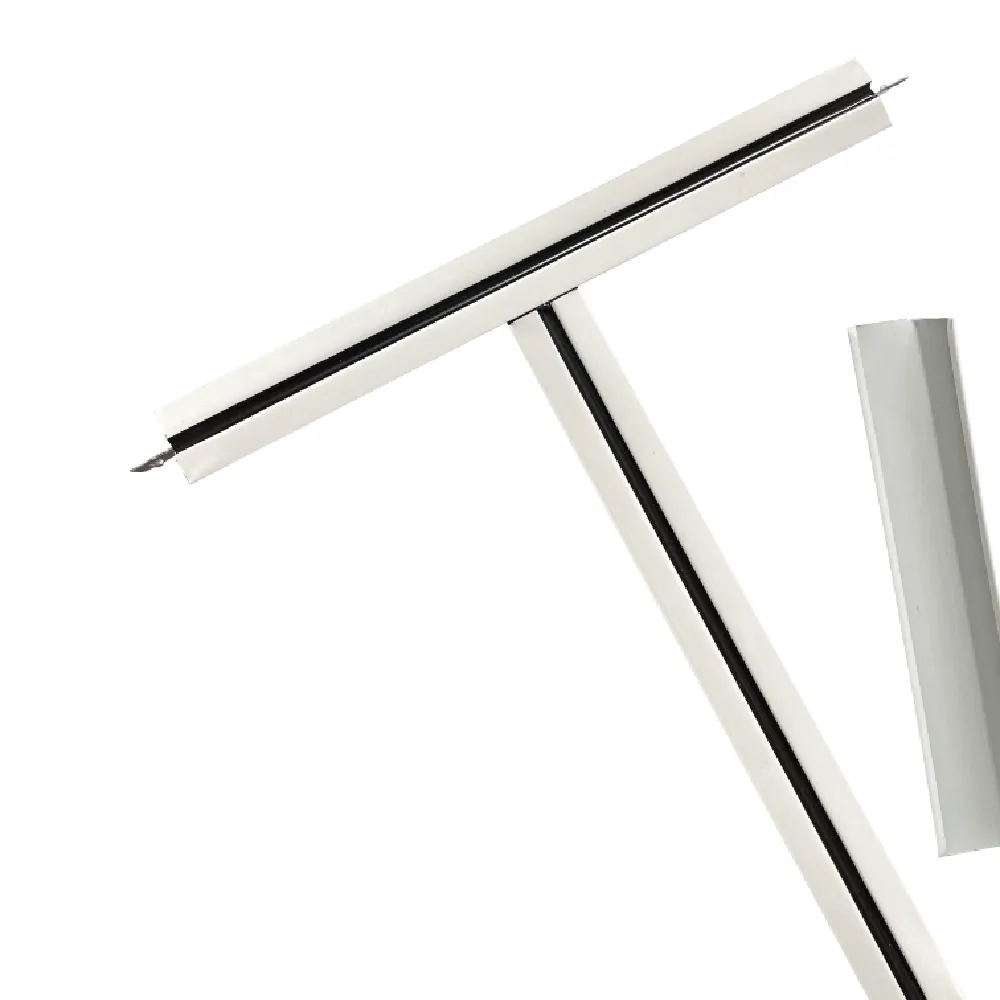
| Installation | T-Bar grid ceiling systems or direct adhesion |
Benefits & Use Cases of Gypsum Tiles 60 X 60
It’s odd how a simple tile can tick so many boxes for big projects. Gypsum Tiles 60 X 60 are a trusted choice in commercial centers, airports, hospitals, and office buildings. Thanks to their fire-resistant nature, they comply with stringent safety regulations, which frankly is a non-negotiable in many industrial builds. Their acoustic qualities also help tame noisy environments—improving workplace comfort.
What I like about these tiles is the balance between performance and design flexibility. Manufacturers offer options like perforated surfaces for enhanced sound absorption, or smooth finishes for modern aesthetics. Additionally, the modular 60x60 size facilitates quick installation, reducing labor costs and downtime. When you factor in the moisture-resistant variants, these tiles become a real contender even in humid environments.
Vendor Comparison: Gypsum Tiles 60 X 60
| Feature | Xingyuan Ceilings | Competitor A | Competitor B |
|---|---|---|---|
| Fire Resistance | Class A (Highest) | Class B | Class A |
| Moisture Resistance | Enhanced (Special Coatings) | Standard | Enhanced |
| Sound Absorption | NRC 0.7+ (Perforated) | NRC 0.5 | NRC 0.6 |
| Installation Ease | Hook & Grid System | Adhesive Only | Grid System |
| Price per sqm | $$ | $ | $$$ |
Cost, Maintenance & User Experience
From a cost perspective, gypsum tiles often surprise people. While the initial outlay might be slightly higher than some traditional ceiling materials like mineral fiber or basic gypsum boards, the total cost of ownership usually comes out ahead. Why? Because durability and fire resistance mean fewer replacements or repairs down the road, and savings on insurance premiums can sometimes apply.
Customers I’ve spoken to frequently mention that maintenance is pretty straight-forward. The accessibility of 60 X 60 tiles makes swapping out damaged panels quick, minimizing disruption to operations—something crucial in busy office buildings or retail environments. Plus, businesses report noticeable improvements in indoor comfort, which can indirectly boost productivity and visitor satisfaction. So, the ROI is not just about dollars but also intangible benefits. It seems to tick the boxes for both facility managers and CFOs alike.
Sustainability & Market Trends
Sustainability isn’t just a buzzword anymore; in commercial interiors, it’s a requirement—and gypsum tiles fit in surprisingly well. Manufactured often with recycled gypsum and low-VOC finishes, these tiles contribute to LEED certification points and align with tightening building codes around environmental impact. Oddly enough, the lightweight nature of gypsum panels helps reduce transportation emissions as well.
Industry growth is nudging innovation too; expect to see increasing integration of antimicrobial surfaces, improved moisture barriers that handle extreme humidity better, and even tiles with integrated smart sensors in the near future. For B2B buyers, staying on top of these trends can be a competitive advantage—and like many decision makers I know, it feels good to choose a product that’s both future-proof and grounded in solid technical performance.
Frequently Asked Questions about Gypsum Tiles 60 X 60
- What is Gypsum Tiles 60 X 60 and how does it work?
- Gypsum Tiles 60 X 60 are ceiling or wall panels made primarily from gypsum plaster, sized 600mm by 600mm. They work by fitting into grid systems or being adhered directly to surfaces, providing fire resistance and sound absorption with a lightweight solution that's easy to install and maintain.
- What are the main benefits of using Gypsum Tiles 60 X 60 in industrial applications?
- They offer fire safety compliance, enhanced acoustic comfort, modular ease of installation, and strong moisture resistance. These factors help reduce downtime and maintenance costs while improving safety and comfort in industrial settings.
- How does Gypsum Tiles 60 X 60 compare to traditional alternatives?
- Compared to standard mineral fiber tiles or plain gypsum boards, these 60x60 gypsum tiles offer better fire resistance, more consistent dimensions for smoother installation, and generally improved durability and aesthetic options.
- What industries can benefit most from Gypsum Tiles 60 X 60 implementation?
- Healthcare, commercial offices, retail, education facilities, and airports benefit most due to the tiles’ combination of safety, durability, and acoustic performance—meeting varied and strict regulatory requirements.
Conclusion on Gypsum Tiles 60 X 60 from china
Summing it up, Gypsum Tiles 60 X 60 represent an elegant yet practical solution for those seeking balance between performance, safety, and design flexibility in industrial and commercial interiors. They have carved a solid niche, supported by manufacturers committed to quality like Xingyuan Ceilings. For B2B decision makers weighing options, it’s more than just tiles – it’s about investing in lasting value and compliance.
- Recap the value of Gypsum Tiles 60 X 60.
- - Visit our website: https://www.xingyuanceilings.com
In real terms, gypsum tiles might seem straightforward, but the nuance in specs and application makes all the difference. Knowing what suits your project is key, and it’s the details—in quality, installation ease, and sustainability—that really set providers apart.
References:
1. Industry standards on fire safety for gypsum tiles, NFPA 285
2. LEED certification guidelines for sustainable interior materials
3. Technical datasheets and product catalogs from Xingyuan Ceilings (https://www.xingyuanceilings.com)
-
Benefits and Guide of Mineral Fiber Ceiling Board for InteriorsNewsApr.16,2026
-
Modern Mineral Fiber Ceiling Solutions for Acoustic PerformanceNewsApr.09,2026
-
Mineral Fibre Board Ceiling vs Gypsum Board A Comprehensive Comparison GuideNewsApr.07,2026
-
Comprehensive Guide to Mineral Fiber Ceiling Specification and PerformanceNewsApr.04,2026
-
What Are Mineral Fiber Ceiling Tiles Made Of And Their ApplicationsNewsMar.31,2026
-
Exploring the Benefits of Suspended Mineral Fibre Ceiling Systems for Modern BuildingsNewsMar.28,2026