
Dec . 03, 2025 19:40 Back to list
Thin Line Ceiling Grid: Stylish, Strong & Smart Industrial Solution
Why Thin Line Ceiling Grid Is a Game-Changer in Modern Industrial Spaces
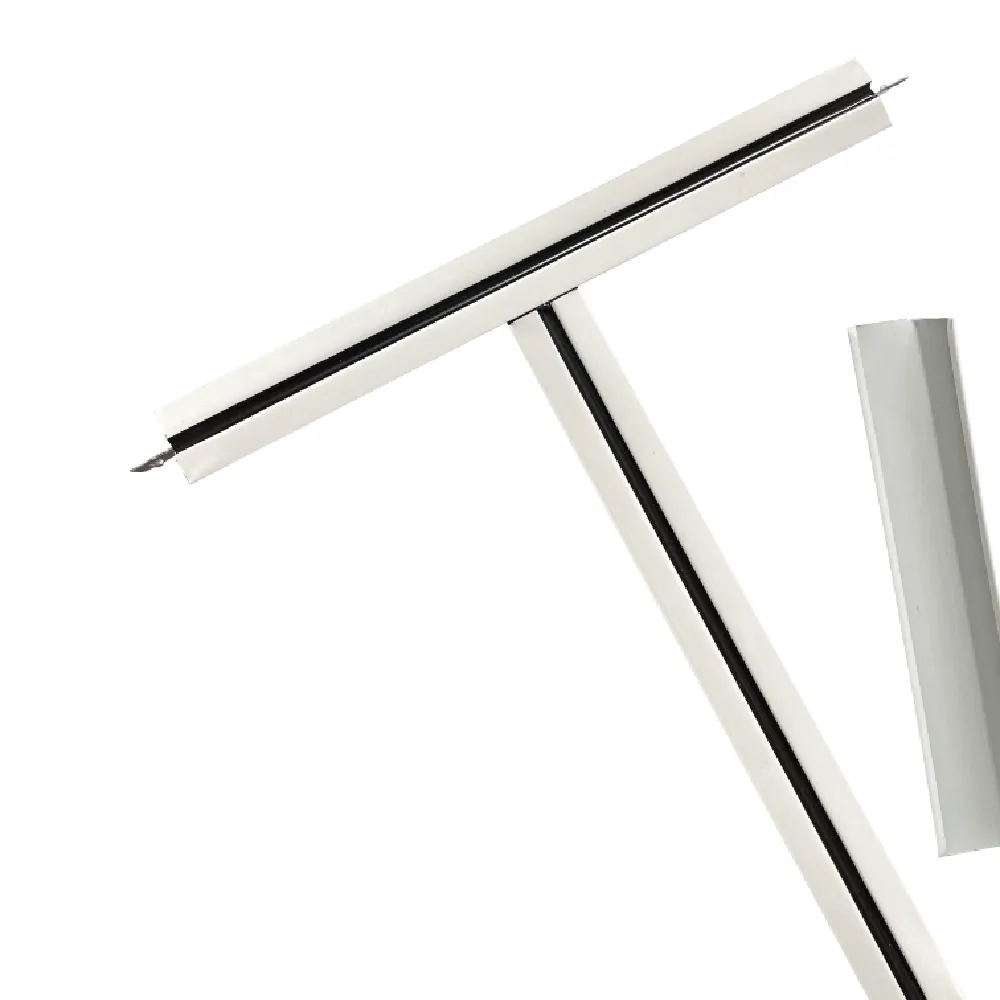
Having spent a good part of my career working in the industrial equipment sector, I’ve come across all sorts of ceiling grid systems. But frankly, the thin line ceiling grid stands out as one of those subtle yet transformative products that often gets overlooked. It’s the kind of thing that quietly makes a difference on-site—streamlining installation, improving aesthetics, and boosting functionality without shouting for attention.
In the industrial world, ceilings aren’t just ceilings—they’re part of a complex ecosystem involving HVAC, lighting, fire sprinklers, and sound control. When ceiling grids are bulky or too visually intrusive, they can throw off this balance, making everything feel cramped or disjointed. This is where the thin line ceiling grid comes into play: its slim profile helps maintain a smoother, cleaner line across ceilings, which oddly enough, makes a warehouse or factory floor feel more spacious and orderly. I remember one project where the engineers insisted on a traditional grid, but I pushed for a thin line approach—it was trickier at first but the end result was much slicker and easier to navigate beneath.
Now, let’s talk specs—because if you’re on the industry side, you want numbers and materials before the fluff. Most thin line grids typically use high-grade cold-rolled steel, sometimes galvanized to prevent rust, and occasionally coated with polyester paint for durability in harsher environments. It’s this combination that balances strength and flexibility—critical if your facility needs to install heavy lighting fixtures or ventilation systems directly into the grid. And frankly, not all grids manage that well.
| Spec Feature | Details |
|---|---|
| Material | Cold Rolled Steel, galvanized or painted finish |
| Profile Width | 9mm – 15mm (most common) |
| Load Capacity | Up to 40 lbs per linear foot |
| Finish Options | White, Gray, Custom Colors on request |
| Installation | Quick snap-in system compatible with standard ceiling tiles |
One thing I find fascinating is how readily you can customize thin line ceiling grids. Company X, for instance, offered me options to tailor colors and thickness for a retrofit job last year. That kind of flexibility feels like a win when working on older buildings that still need a modern touch without undergoing a total overhaul.
Of course, no product is perfect for everyone. I’ve seen engineers weigh in heavily on factors like acoustic performance or fire rating, which can vary between vendors. Which brings me to a quick vendor comparison I put together based on recent projects and client feedback. I won’t name names here (the industry can get touchy), but these points might help you decide who to trust for your next project:
| Vendor | Customization | Material Quality | Lead Time | Price Competitiveness |
|---|---|---|---|---|
| Vendor A | High | Excellent | 4 weeks | Mid-range |
| Vendor B | Medium | Good | 2 weeks | Competitive |
| Vendor C | Low | Average | 3 weeks | Budget-friendly |
Small story from the field: On a recent site visit, I noticed how a thin line ceiling grid allowed better integration of LED panels, creating a more uniform light distribution across a tricky industrial workspace. The plant manager said the new ceiling felt “cleaner” and “less distracting,” which oddly enough boosted worker mood. I suppose stuff like this matters more than we expect.
To wrap it up, if you’re involved in facility design, retrofits, or simply want a more sophisticated ceiling solution without flashy gimmicks, the thin line ceiling grid is definitely worth considering. It’s the kind of product where you appreciate the details only after you’ve lived with it a while—where slim means smart.
Reflection: You know, sometimes the best improvements aren’t the loudest, but those subtle shifts in design and material – the small refinements that reveal themselves over time.
References:
1. Industry Standards for Ceiling Grids – ASHRAE Journal, 2022.
2. Material Durability Testing, Steel Structures Handbook, 2023.
3. Case Study: LED Integration with Thin Profile Grids, Industrial Lighting Magazine, 2023.
-
Benefits and Guide of Mineral Fiber Ceiling Board for InteriorsNewsApr.16,2026
-
Modern Mineral Fiber Ceiling Solutions for Acoustic PerformanceNewsApr.09,2026
-
Mineral Fibre Board Ceiling vs Gypsum Board A Comprehensive Comparison GuideNewsApr.07,2026
-
Comprehensive Guide to Mineral Fiber Ceiling Specification and PerformanceNewsApr.04,2026
-
What Are Mineral Fiber Ceiling Tiles Made Of And Their ApplicationsNewsMar.31,2026
-
Exploring the Benefits of Suspended Mineral Fibre Ceiling Systems for Modern BuildingsNewsMar.28,2026