
Dec . 05, 2025 10:35 Back to list
Grid False Ceiling Price: Insights & Comparisons from Industry Experts
Understanding Grid False Ceiling Price: Insights from Industrial Experience
Having spent well over a decade in the industrial equipment sector, I’ve noticed one thing: grid false ceiling price is never just about the numbers you see on a quote. It’s a combination of materials, quality, installation complexity, and sometimes those little unforeseen costs that catch you off guard. Oddly enough, when you dig deeper, the price isn't always the best indicator of value.
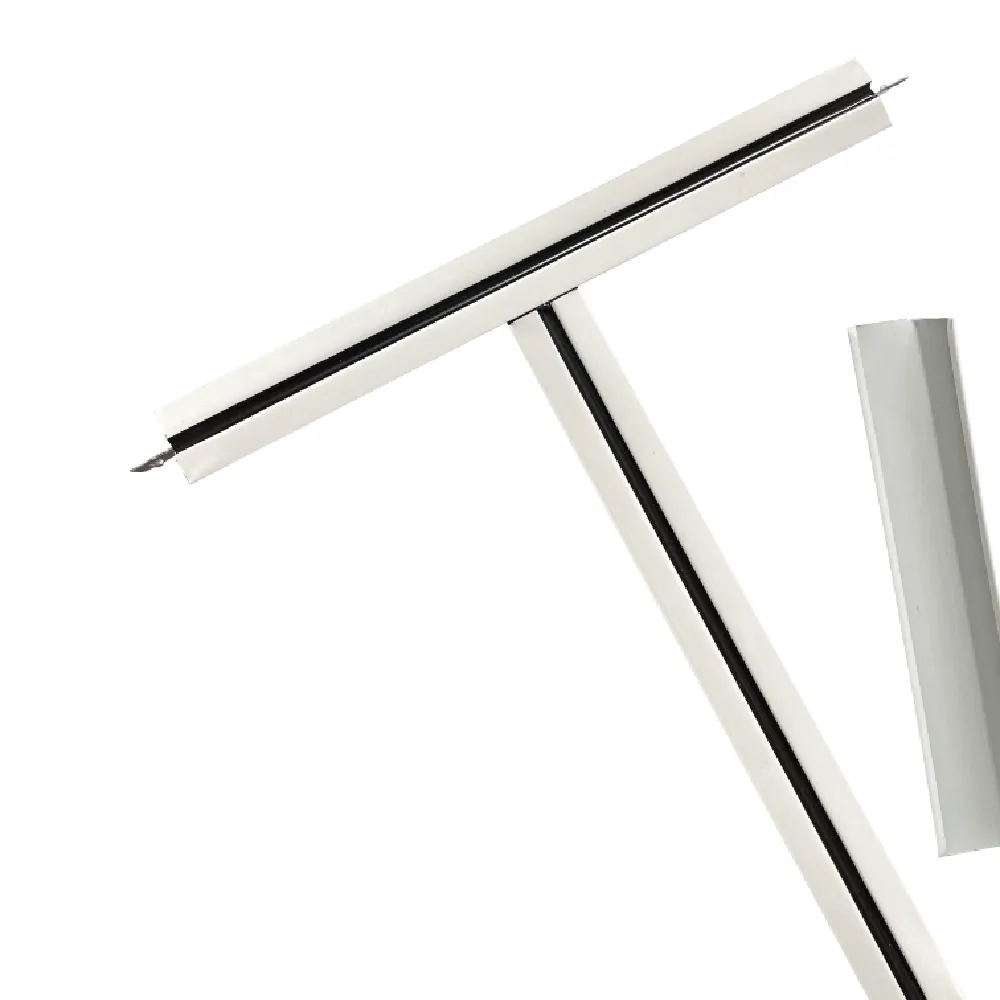
The basic idea behind these suspended ceilings is rather simple: a metal grid supports lightweight ceiling tiles or panels, creating a neat, uniform finish that’s both functional and aesthetic. Yet, in real terms, the cost of these systems swings quite a bit depending on material choices like aluminum or steel, tile types, and adhesion or fire-resistance ratings. Frankly, understanding what you’re paying for goes a long way.
Materials are often where people start cutting corners and that can backfire. For instance, a high-quality aluminum grid might carry a slightly higher initial price but resists corrosion better and lasts longer, especially in humid or industrial environments. You might find cheaper steel options, but they often need special coatings or risk rusting over time. I remember a client who initially chose low-cost steel grids; within a year, they were dealing with discoloration issues and had to redo a part of their suspended ceiling – not exactly cost-effective.
Testing and certifications also influence the grid false ceiling price. Many manufacturers subject their panels to fire-resistance tests, acoustic absorption ratings, and even seismic qualification depending on regional building codes. While that testing drives the cost up, you get peace of mind, especially in commercial or industrial setups where safety compliance is mandatory.
Here’s a rough look at how these typical product specs stack up:
| Spec | Standard Range | Common Materials |
|---|---|---|
| Grid Width | 15mm to 24mm | Aluminum, Galvanized Steel |
| Tile Size | 600mm x 600mm or 600mm x 1200mm | Mineral Wool, PVC, Metal |
| Fire Rating | Class A or B | Varies by coating and tile type |
| Acoustic Performance | NRC 0.5 to 0.85 | Mineral Fiber, Fabric-wrapped |
Now, if you’re comparing vendors — and frankly, you should — it’s a bit like looking under the hood. Are they using recycled metals? What’s their lead time? How flexible are they with customization? I’ve found those that offer on-site consultations and custom cutting often end up saving time and money, which can be more valuable than the initial grid false ceiling price.
| Vendor | Material Quality | Customization | Lead Time | Price Range per sq.m. (USD) |
|---|---|---|---|---|
| Xingyuan Ceilings | Premium Aluminum | Highly Customizable | 2-3 weeks | $12 - $18 |
| MetroCeil | Standard Galvanized Steel | Limited Sizes | 1-2 weeks | $10 - $14 |
| CeilPro Solutions | Mixed Materials | Standard Options | 3-4 weeks | $11 - $16 |
I once worked on a manufacturing plant retrofit where the client initially leaned towards the cheapest grid system. We flagged potential durability issues and suggested looking at a manufacturer that emphasized corrosion resistance — specifically aluminum with an anti-rust finish. The additional upfront cost was probably about 20% higher. But two years in, the ceiling looked nearly as fresh as installation day, saving on maintenance – definitely a win.
Customization is also an underrated factor. Whether it’s color matching to branding or panels with built-in acoustic features, these tweaks can subtly improve the workspace without inflating the grid false ceiling price beyond reason. Many engineers I know appreciate these practical details, especially since they aid in both aesthetics and functional comfort.
To sum it all up, the bottom line for those investing in grid false ceilings — especially in the industrial sector — is don’t just compare price tags. Think about longevity, compliance, customization, and that somewhat intangible but very real “fit” to your project needs. As a closing thought, the cheapest price might just be the most expensive mistake in the long run.
Always take a moment to ask questions; it will save headaches down the pipeline.
References:
1. Construction Industry Materials Handbook, 2022 Edition.
2. ASTM Standards on Ceiling Systems, latest revisions.
3. Personal interviews with ceiling installation engineers, 2015-2023.
-
Benefits and Guide of Mineral Fiber Ceiling Board for InteriorsNewsApr.16,2026
-
Modern Mineral Fiber Ceiling Solutions for Acoustic PerformanceNewsApr.09,2026
-
Mineral Fibre Board Ceiling vs Gypsum Board A Comprehensive Comparison GuideNewsApr.07,2026
-
Comprehensive Guide to Mineral Fiber Ceiling Specification and PerformanceNewsApr.04,2026
-
What Are Mineral Fiber Ceiling Tiles Made Of And Their ApplicationsNewsMar.31,2026
-
Exploring the Benefits of Suspended Mineral Fibre Ceiling Systems for Modern BuildingsNewsMar.28,2026