
Dec . 07, 2025 17:01 Back to list
Trusted Insights on Ceiling Grid Contractors | Industrial Equipment
Ceiling Grid Contractors: What I’ve Learned Over the Years
Working in the industrial equipment sector for well over a decade, I’ve crossed paths with countless products, projects, and people—yet few things stick like the role of ceiling grid contractors. Oddly enough, it’s easy to overlook the ceiling grid systems themselves when you’re more focused on the big structural elements beneath or beyond them. But in real terms, these contractors shape so much of a building’s comfort, aesthetics, and upkeep.
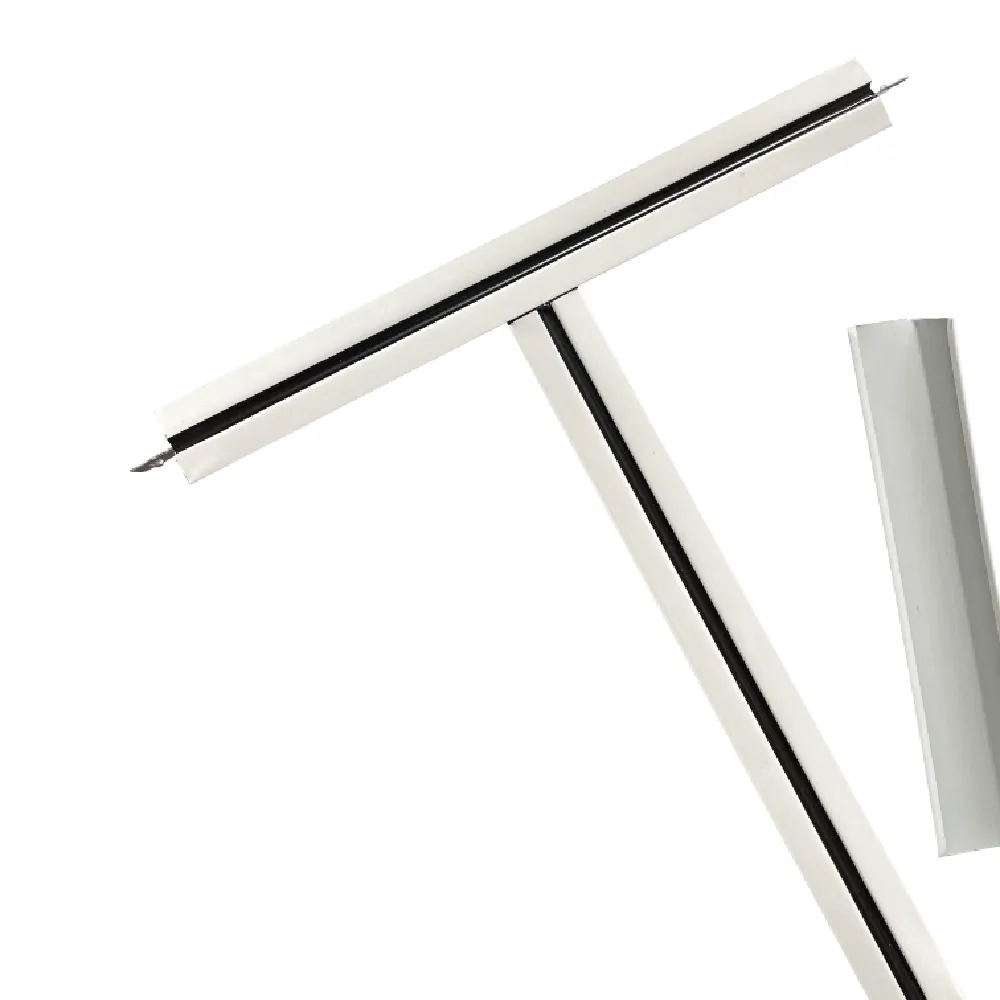
You see, ceiling grids aren’t just about holding tiles in place. They’re an engineered framework of metal, designed to bear weight, accommodate lighting, HVAC ducts, and even seismic shifts—especially in commercial or industrial spaces. When I first started, I noticed how often the choice of grid system impacts project timelines—and frankly, the ongoing costs for maintenance.
Materials? The “usual suspects” are aluminum and steel, each with its pros and quirks. Aluminum grids offer lighter weight and resistance to rust, which is a big deal if you’re in a humid environment or an industrial kitchen setup. Steel however, feels sturdier under heavy loads and offers a slightly better fire rating—something many engineers swear by. One thing I’ve picked up: quality coatings on these metal components can make all the difference between easy upkeep and constant headaches.
Testing and certification tend to fly under the radar, but they shouldn’t. Trusted ceiling grid contractors often rely on systems that meet or exceed ASTM or UL standards. This ensures safety and durability - crucial when these grids also support heavy lighting arrays and speakers in auditoriums or large workspaces.
Another trend I noticed is customization. You don’t always want the standard grid layout; sometimes clients need special dimensions or reinforced areas to hold specialty devices. I recall one hospital project where the team had to integrate antimicrobial-coated grids to improve hygiene standards—a fascinating blend of health tech and traditional construction materials.
Here’s a quick overview of typical ceiling grid specs I’ve worked with over time:
| Specification | Typical Range | Notes |
|---|---|---|
| Material | Aluminum / Galvanized Steel | Selection depends on environment & load |
| Main Tee Width | 1.5 in, 1.75 in, 2 in | Affects load capacity |
| Finish | Baked Enamel / Powder Coat | Influences corrosion resistance |
| Span Length | 2 ft to 4 ft | Grid layout dependent |
| Weight Capacity | 20–50 lbs/ft² | Must match ceiling components weight |
Now, as for choosing a vendor—this is where experience pays off. Not all contractors offer the same value, and frankly, price alone is a poor indicator. I put together a little comparison to clarify:
| Vendor | Material Quality | Customization Options | Certifications | Lead Time | Price Range |
|---|---|---|---|---|---|
| Xingyuan Ceilings | High-grade aluminum & steel | Extensive (custom sizes/colors) | ASTM, UL | 2-4 weeks | Mid-tier |
| Vendor B | Standard steel | Limited | UL only | 3-6 weeks | Budget |
| Vendor C | Premium alloys | Moderate | ASTM only | 4-5 weeks | High-end |
I remember a project a few years ago where a client insisted on a vendor solely because they were cheapest. I won’t name names, but the grid system failed early, causing delays and awkward replacement works in a live office environment—which is the last thing anyone wants. After that, I’ve been pretty vocal about balancing cost with reliability, and well, certifications shouldn’t be an afterthought either.
Wrapping up, if you’re searching for a solid ceiling grid solution, look for contractors who truly understand the interplay of materials, design specs, and your environment. Often, it feels like the grids are just “invisible” components—yet their proper installation and durability speak volumes about the final quality of your space.
In summary, having worked with many ceiling grid contractors over the years, I can confidently say that quality and expertise in this niche make a lasting difference—far beyond the first glance upwards.
— John M., Industrial Equipment Specialist
1. ASTM International, Ceiling Suspension Systems Standards.
2. UL Certifications for Ceiling Components.
3. “Ceiling grid maintenance in industrial settings,” Facilities Journal, 2022.
-
Benefits and Guide of Mineral Fiber Ceiling Board for InteriorsNewsApr.16,2026
-
Modern Mineral Fiber Ceiling Solutions for Acoustic PerformanceNewsApr.09,2026
-
Mineral Fibre Board Ceiling vs Gypsum Board A Comprehensive Comparison GuideNewsApr.07,2026
-
Comprehensive Guide to Mineral Fiber Ceiling Specification and PerformanceNewsApr.04,2026
-
What Are Mineral Fiber Ceiling Tiles Made Of And Their ApplicationsNewsMar.31,2026
-
Exploring the Benefits of Suspended Mineral Fibre Ceiling Systems for Modern BuildingsNewsMar.28,2026