
Mar . 11, 2026 02:15 Back to list
Understanding Mineral Wool Board R Value for Optimal Thermal Performance
Understanding Mineral Wool Board R Value for Effective Thermal Insulation
When it comes to building insulation, selecting the right material is crucial for energy efficiency and comfort. Mineral wool boards are a popular choice, known for their excellent thermal and acoustic properties. A key factor in determining their effectiveness is the R-value, a measure of thermal resistance. This article will delve into the concept of R-value, its significance, and how it applies to mineral wool boards, helping you make informed decisions for your insulation needs. Choosing the right R-value can significantly reduce energy costs and improve indoor comfort.
What is R-Value and Why Does it Matter?
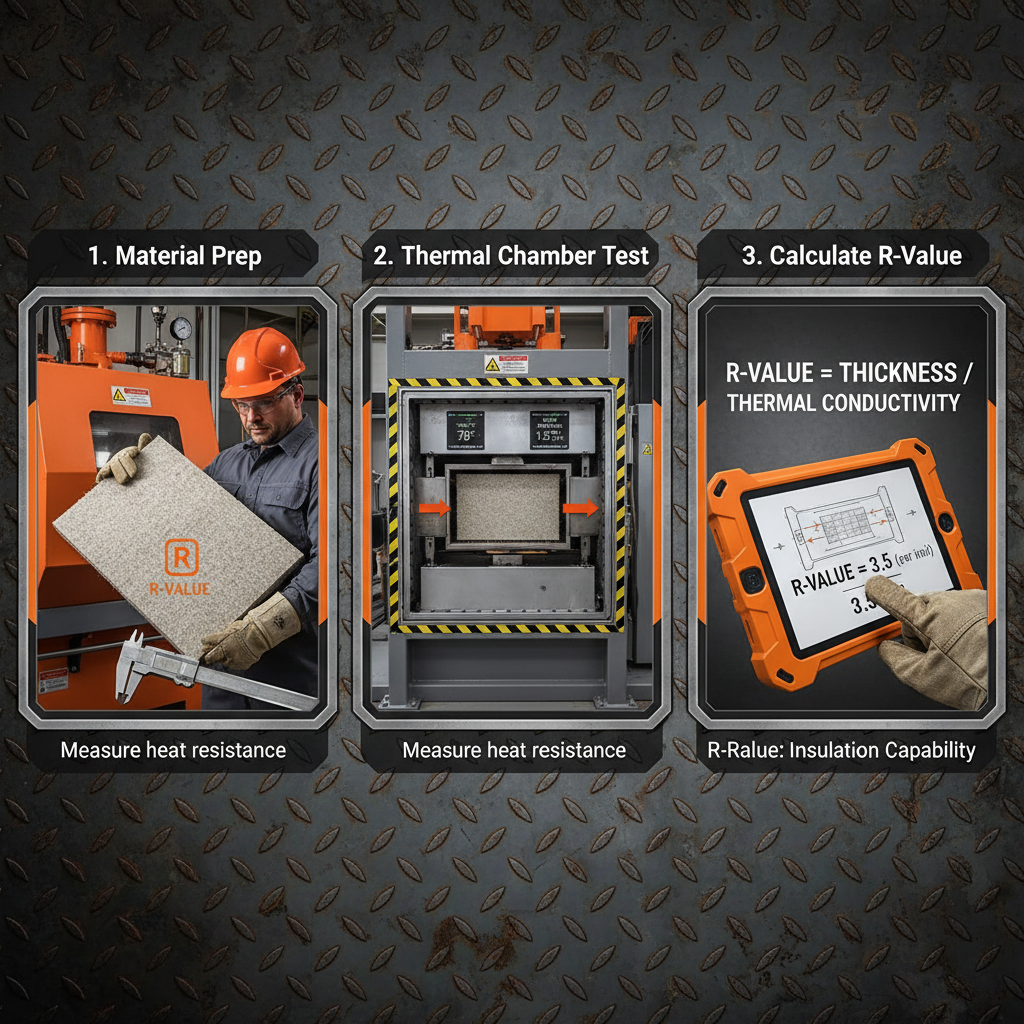
R-value is a measure of a material's resistance to heat flow. The higher the R-value, the greater the insulating properties. It essentially indicates how well a material prevents heat from escaping in the winter or entering in the summer. Different climates require different R-values; colder climates generally necessitate higher R-values to maintain comfortable indoor temperatures and reduce heating costs. Understanding R-value is vital for complying with building codes and maximizing energy efficiency. The R-value is determined by factors like material type, density, and thickness. Selecting the appropriate R-value is a key component of sustainable building practices.
Key Takeaway: Higher R-value means better insulation. Matching R-value to your climate and building needs is essential for energy efficiency and comfort.
Mineral Wool Board R Value: Factors Influencing the Rating
The R-value of mineral wool boards isn't a fixed number; it varies depending on several factors. Primarily, the density and thickness of the board significantly impact its R-value. Denser boards generally offer slightly lower R-values per inch compared to less dense options, but they often provide superior sound absorption. The thickness is directly proportional to the R-value – a thicker board will have a higher R-value. Different manufacturing processes and the type of mineral wool (rock wool vs. slag wool) can also contribute to variations in R-value. You can find detailed R-value specifications for specific products on Xingyuan Ceilings product pages.
Typical R-Values of Mineral Wool Boards
Here's a general overview of R-values you can expect from different thicknesses of mineral wool boards:
Mineral Wool vs. Other Insulation Materials: R-Value Comparison
Let's compare the R-value of mineral wool to other common insulation materials:
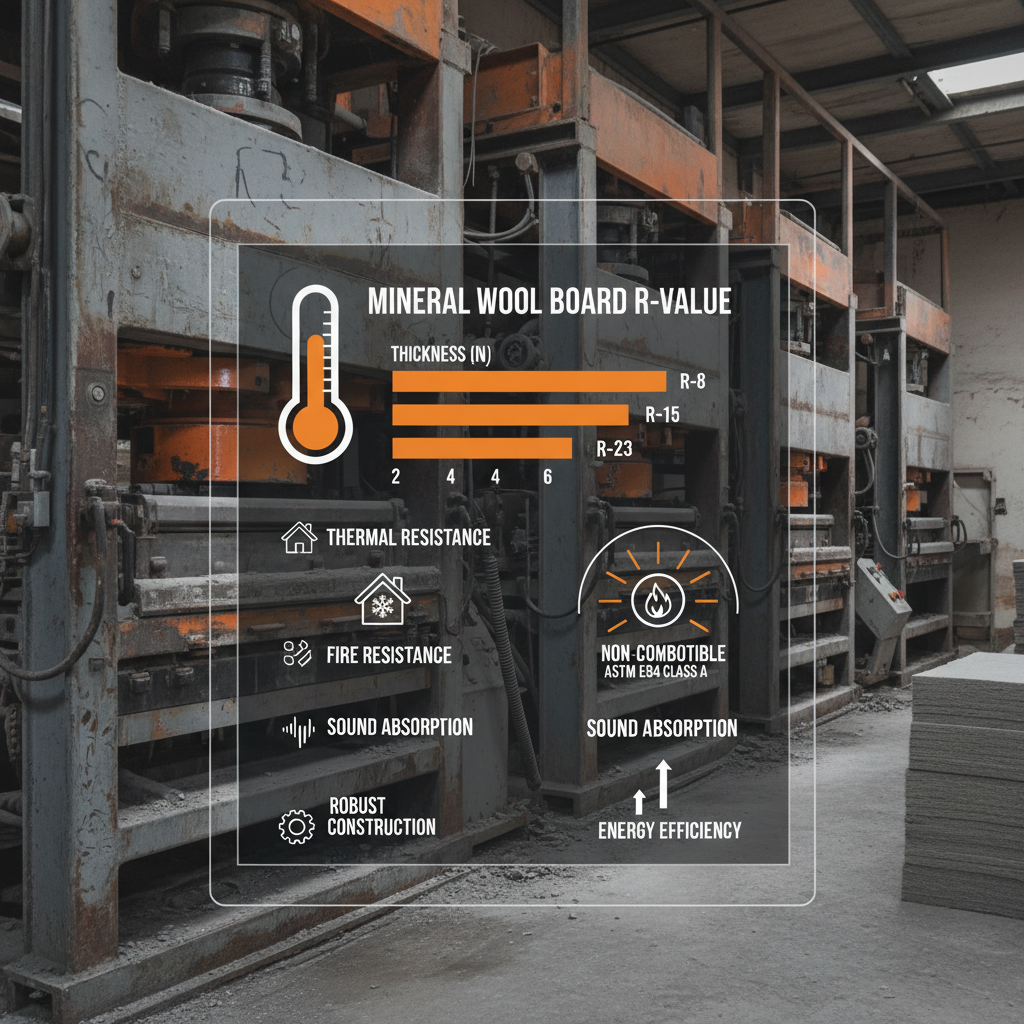
As you can see, mineral wool offers a competitive R-value compared to fiberglass and cellulose, and often outperforms them in terms of fire resistance and soundproofing. While spray foam generally boasts the highest R-value per inch, it comes with a higher cost and potential off-gassing concerns. Mineral wool boards from Xingyuan Ceilings provide a balanced solution, offering excellent thermal performance, safety, and sustainability.
Selecting the Right Mineral Wool Board R Value for Your Project
Determining the appropriate R-value depends on your climate zone, building type, and local building codes. Consult with a building professional or energy auditor to determine the recommended R-value for your specific needs. Consider factors like wall construction, roof design, and window efficiency when making your decision. Remember that achieving optimal energy efficiency often involves a combination of insulation materials and proper installation techniques. For guidance and high-quality mineral wool boards, visit Xingyuan Ceilings today.
Conclusion: Maximizing Energy Efficiency with Mineral Wool
Understanding mineral wool board R value is fundamental to creating energy-efficient buildings. By choosing the appropriate R-value based on your climate and construction needs, you can significantly reduce energy consumption, lower utility bills, and enhance indoor comfort. Mineral wool boards offer an excellent balance of thermal performance, fire resistance, and sustainability, making them a smart choice for a wide range of applications. Invest in quality insulation and experience the benefits of a more comfortable and energy-efficient space.
Frequently Asked Questions (FAQs)
What R-value should I choose for my walls?
The recommended R-value for walls varies depending on your climate zone. Generally, colder climates require higher R-values, typically ranging from R-13 to R-21. Warmer climates may require lower R-values, such as R-11 to R-15. Consult local building codes and a qualified energy auditor to determine the optimal R-value for your specific location and building type. Consider the type of siding and exterior finish as well, as they contribute to the overall thermal performance of the wall assembly. Using mineral wool boards with a suitable R-value is a great way to achieve the desired level of insulation.
How does moisture affect the R-value of mineral wool?
While mineral wool is hydrophobic (water-resistant), prolonged exposure to moisture can reduce its R-value. Wet insulation loses its ability to trap air, which is essential for thermal resistance. Proper vapor barriers and ventilation are crucial to prevent moisture buildup within the wall or roof assembly. Mineral wool’s breathability allows it to dry out more readily than some other insulation materials, but it's still important to protect it from direct water contact.
Are there any tax credits or rebates available for installing energy-efficient insulation?
Many government and utility programs offer tax credits and rebates for installing energy-efficient insulation, including mineral wool. These incentives can help offset the cost of upgrading your insulation and reduce your overall energy expenses. Check with your local utility company and state energy office to learn about available programs. The Database of State Incentives for Renewables & Efficiency (DSIRE) is a valuable resource for finding rebates and incentives in your area: https://www.dsireusa.org/
What is the difference between R-value and U-value?
R-value measures thermal resistance – how well a material resists heat flow. U-value, on the other hand, measures thermal transmittance – how easily heat flows through a material. U-value is the inverse of R-value (U = 1/R). Lower U-values indicate better insulation. While R-value is used to evaluate individual components like mineral wool boards, U-value is used to assess the overall thermal performance of an entire building assembly, including walls, roofs, and windows.
-
Benefits and Guide of Mineral Fiber Ceiling Board for InteriorsNewsApr.16,2026
-
Modern Mineral Fiber Ceiling Solutions for Acoustic PerformanceNewsApr.09,2026
-
Mineral Fibre Board Ceiling vs Gypsum Board A Comprehensive Comparison GuideNewsApr.07,2026
-
Comprehensive Guide to Mineral Fiber Ceiling Specification and PerformanceNewsApr.04,2026
-
What Are Mineral Fiber Ceiling Tiles Made Of And Their ApplicationsNewsMar.31,2026
-
Exploring the Benefits of Suspended Mineral Fibre Ceiling Systems for Modern BuildingsNewsMar.28,2026