
Dec . 03, 2025 19:18 Back to list
Understanding T24 Ceiling Grid: Components, Applications & Future Trends
The Ins and Outs of T24 Ceiling Grid: What You Need to Know
When you walk into an office or school and glance up at the drop ceiling, you’re likely looking at a “t24 ceiling grid” in action without even realizing it. This system is quietly ubiquitous, holding the tiles that define modern interiors — from corporate high-rises to hospitals worldwide. Why should you care? Because understanding the t24 ceiling grid unlocks a world of insights on building safety, design flexibility, sustainability, and cost efficiency. It’s honestly one of those details that matters far more than you might initially guess.
Global Context: Why T24 Ceiling Grids Matter More Than Ever
The construction and architectural materials market is enormous, with the global ceiling systems segment valued over several billion dollars annually (Statista, latest data). With urbanization booming, especially in Asia-Pacific and parts of Africa, suspended ceiling solutions like the t24 ceiling grid have become vital. The demand for easy-to-install, durable, and customizable ceiling frameworks continues to rise. Frankly, it’s a classic case where smart engineering meets real-world practical needs — addressing everything from quick maintenance access, fire safety codes, to energy efficiency.
Interesting fact: the International Organization for Standardization (ISO) includes specific testing standards for ceiling grids to ensure safety and longevity under various stresses and conditions (ISO 630, for example). This underlines the global push toward quality and reliability — no cutting corners allowed in effectively held ceilings.
What Exactly Is a T24 Ceiling Grid?
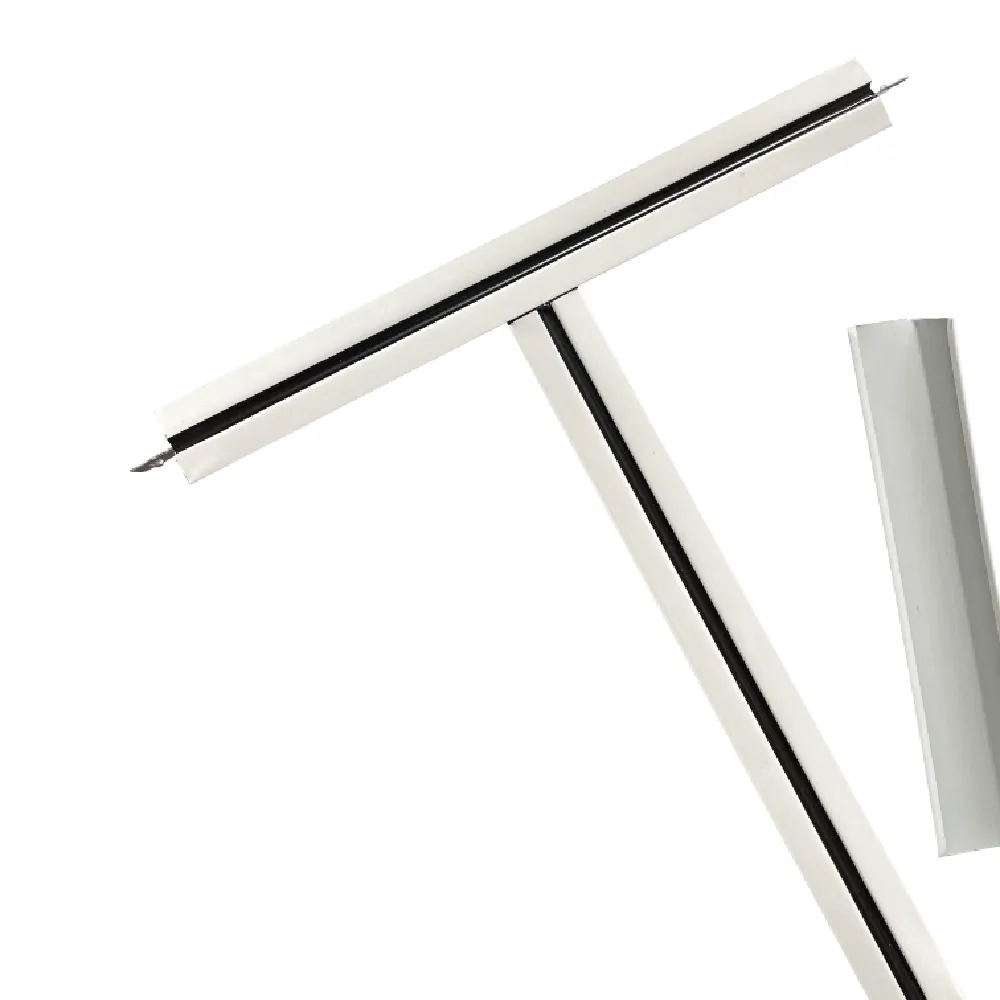
At its core, a t24 ceiling grid is a modular framework designed to support ceiling tiles or panels. The "t24" refers to the 24-millimeter width of the main runners (the main support beams), which provide a sturdy but lightweight skeleton. Think of it as the invisible lattice beneath your ceiling tiles, crucial for aesthetics and practical needs — like concealing wiring, sprinkler systems, or air conditioning units while offering easy plug-and-play tile replacement.
It’s not just a commercial design staple but also critical to modern shelters and emergency buildings, where fast assembly combined with reliability and adaptability is essential. Essentially, it’s the quiet backbone behind ceilings that look seamless yet offer tons of utility.
Core Components of T24 Ceiling Grid
- Durability: Typically made from galvanized steel or aluminum, these grids balance strength with corrosion resistance. This protects installations in both humid environments and places prone to wear.
- Scalability & Modularity: The grid system comes in standardized sizes, allowing for quick custom-fit layouts regardless of room shape or size. You can adapt or replace sections hassle-free.
- Cost-efficiency: Beyond the base material costs, these grids reduce labor time significantly. Installing a t24 ceiling grid system can shorten project timelines — big savings for contractors and property owners alike.
- Fire & Safety Compliance: Many t24 grid lines are tested to comply with fire ratings and seismic standards, ensuring ceilings don’t become hazards during emergencies.
- Aesthetic Versatility: Because they hold so many types of tiles — acoustical, mineral fiber, metal — designers can readily adjust texture, color, and performance features.
Mini takeaway: The t24 ceiling grid isn’t just about what you see — it’s about engineering ceilings that meet tough standards while giving architects and owners flexibility.
Global Applications of T24 Ceiling Grid Systems
Where do these grids shine the most? Well:
- Commercial Buildings: Offices, malls, conference centers — everywhere there’s a need for clean, professional-looking ceilings with fast serviceability.
- Healthcare Facilities: Hospitals demand sterile, durable ceiling systems that allow easy access to utilities and support air filtration devices, making t24 grids a go-to option.
- Educational Institutions: Schools and universities often replace or upgrade ceilings on tight budgets; these grids offer a cost-effective fix with improved acoustics and lighting options.
- Emergency and Temporary Shelters: In disaster zones, modular ceiling grids enable fast assembly of durable structures, safeguarding occupants from falling debris or other hazards.
- Industrial Zones: Factories and warehouses require ceilings that can handle vibrations, dust, and sometimes chemicals — materials used in t24 grids are customized accordingly.
Here’s a neat anecdote: In Southeast Asia, NGOs build temporary clinics post-floods using ceiling grids that allow airflow and light, supporting better patient comfort without sacrificing speed of construction.
Product Specifications Snapshot
| Specification | Details |
|---|---|
| Material | Galvanized Steel / Aluminum |
| Width of Main Runners | 24 mm |
| Load Capacity | Up to 5 kg/m² (varies by model) |
| Standard Tile Size Compatibility | 600x600 mm, 600x1200 mm |
| Finish | White paint / powder coat |
Vendor Comparison: Picking The Right T24 Ceiling Grid Supplier
| Supplier | Material Quality | Delivery Time | Customization Options | Pricing |
|---|---|---|---|---|
| Xingyuan Ceilings | High - Galvanized Steel | 4-6 weeks | Full modular and color options | Competitive |
| Global Ceilings Inc. | Medium - Aluminum | 6-8 weeks | Limited | Higher |
| CeilTech Solutions | High - Custom alloys | 3-5 weeks | Custom sizes & finishes | Premium |
Advantages and Long-Term Value of Using T24 Ceiling Grids
Costs are often top of mind — but what really sets t24 ceiling grids apart is the balance they strike between short-term savings and long-term value. They reduce labor-intensive installation, boost ceiling longevity, and comply with fire and safety standards, arguably saving lives. Moreover, they improve building acoustics and conceal unsightly mechanicals without heavy retrofits.
On a more human level, having a reliable ceiling system contributes to occupants' peace of mind — no sagging panels, no unexpected collapse fears, just quiet confidence that your environment is safe and sound. It’s a small thing that fosters big trust.
Future Trends: What’s Next for T24 Ceiling Grid Systems?
Innovation is never static. The future of t24 ceiling grids seems tied to greener materials and smarter building tech. There’s a push toward recycled aluminum and steel to reduce carbon footprints. We’re also seeing integration with IoT sensors for real-time monitoring of humidity or structural stress — wildly helpful in large-scale facilities.
Digital fabrication methods like 3D printing for customized fittings are beginning to appear, promising even tighter tolerances and bespoke configurations. Oddly enough, automating ceiling grid installation through robotics isn’t just sci-fi anymore; pilot projects are underway in some advanced construction sectors.
Challenges and Solutions
It’s not all perfect. Some challenges include vulnerabilities to moisture in very humid climates, which might cause rusting if material specs fall short. Another issue is compatibility with non-standard tile sizes, requiring customization that can elevate costs.
Experts recommend careful material selection — opting for powder-coated finishes, or aluminum grids for corrosive environments. Increasingly, design software helps plan installations with high precision, avoiding costly on-site modifications.
Frequently Asked Questions About T24 Ceiling Grid
- Q: How do I ensure the t24 ceiling grid meets fire safety regulations?
A: Always verify that the grid system is tested under recognized standards such as ASTM E119 or ISO fire resistance tests. Choose products with certified fire ratings and consult local building codes for compliance. - Q: Can I use t24 grids in humid or coastal areas?
A: Yes, but opt for corrosion-resistant materials like aluminum or powder-coated galvanized steel. Proper maintenance and ventilation also help prolong lifespan. - Q: What tile sizes fit with a t24 system?
A: Standard sizes include 600x600 mm and 600x1200 mm tiles. Custom tile sizes require specially fabricated grid components. - Q: Is installation complex for untrained labor?
A: Installation is moderately straightforward but ideally requires professionals or experienced labor to ensure safety and perfect grid alignment. - Q: Where can I buy reliable t24 ceiling grids?
A: Reputable suppliers like Xingyuan Ceilings offer a wide range with quality guarantees and customization.
Wrapping Up: Why T24 Ceiling Grids Are Worth Your Attention
In the end, the t24 ceiling grid is more than just metal strips in a ceiling. It's a small marvel of industrial design that shapes how buildings look, function, and feel. They balance aesthetics with optimum utility, safety, and cost-effectiveness — a combination that's proved vital across commercial, healthcare, educational, and emergency sectors.
If you’re involved in building or renovation projects, I’d recommend seriously considering a quality t24 ceiling grid system. For more detailed product info and options, visit our website, where technical specs meet real-world solutions.
And hey, next time you glance up, you might just appreciate the unsung hero above you — the t24 ceiling grid.
Mini takeaway: Small components like ceiling grids often have outsized impact on building performance and occupant comfort — knowing their strengths pays off.
References
-
Benefits and Guide of Mineral Fiber Ceiling Board for InteriorsNewsApr.16,2026
-
Modern Mineral Fiber Ceiling Solutions for Acoustic PerformanceNewsApr.09,2026
-
Mineral Fibre Board Ceiling vs Gypsum Board A Comprehensive Comparison GuideNewsApr.07,2026
-
Comprehensive Guide to Mineral Fiber Ceiling Specification and PerformanceNewsApr.04,2026
-
What Are Mineral Fiber Ceiling Tiles Made Of And Their ApplicationsNewsMar.31,2026
-
Exploring the Benefits of Suspended Mineral Fibre Ceiling Systems for Modern BuildingsNewsMar.28,2026