
Jan . 30, 2026 14:45 Back to list
Exploring the Benefits and Applications of Mineral Fiber Planks for Modern Buildings
Mineral Fiber Planks: A Comprehensive Guide for Construction & Beyond
Looking for a sustainable, high-performing building material? Mineral fiber planks are rapidly gaining popularity in construction and interior design due to their exceptional acoustic, fire-resistant, and thermal properties. This article explores the benefits, applications, and key considerations when choosing mineral fiber planks for your next project. We’ll delve into why these planks are an increasingly favored choice for both residential and commercial buildings, offering a blend of performance and environmental responsibility.
Understanding Mineral Fiber Plank Composition
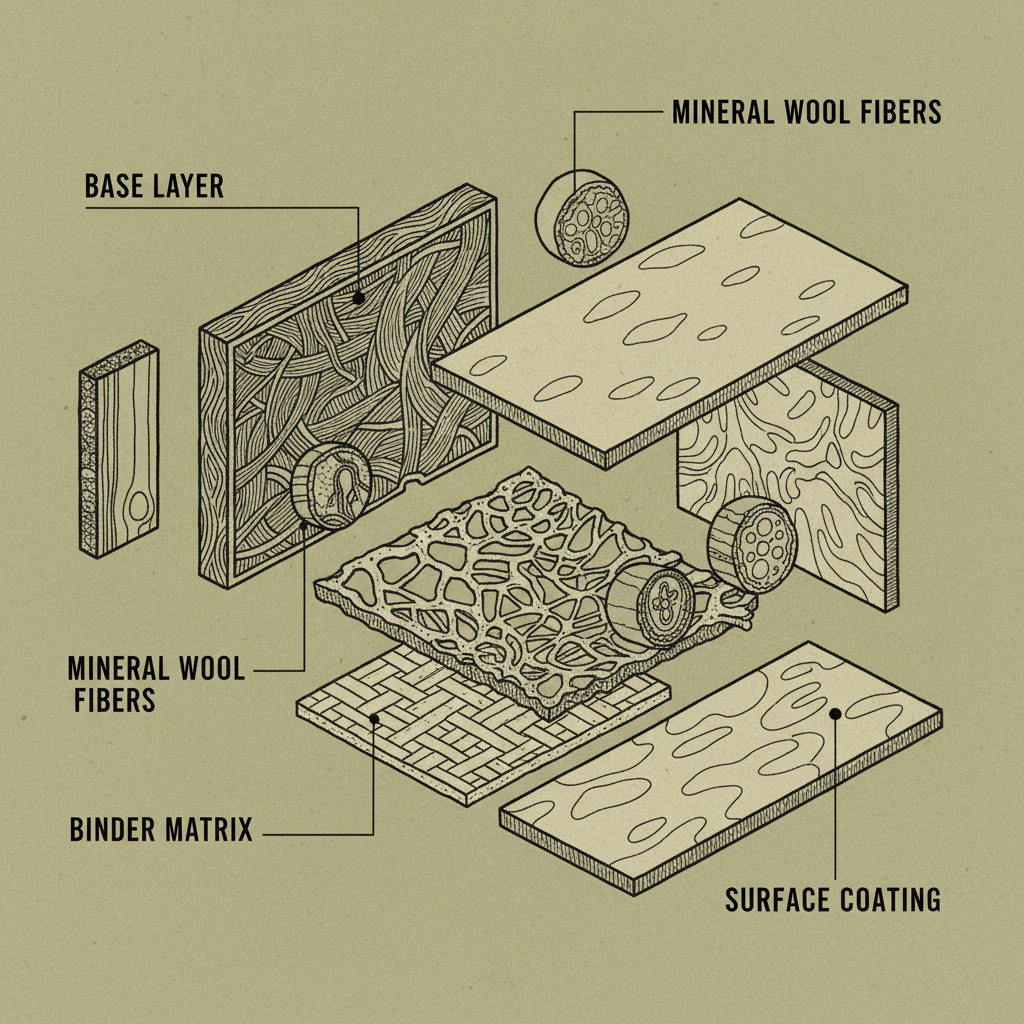
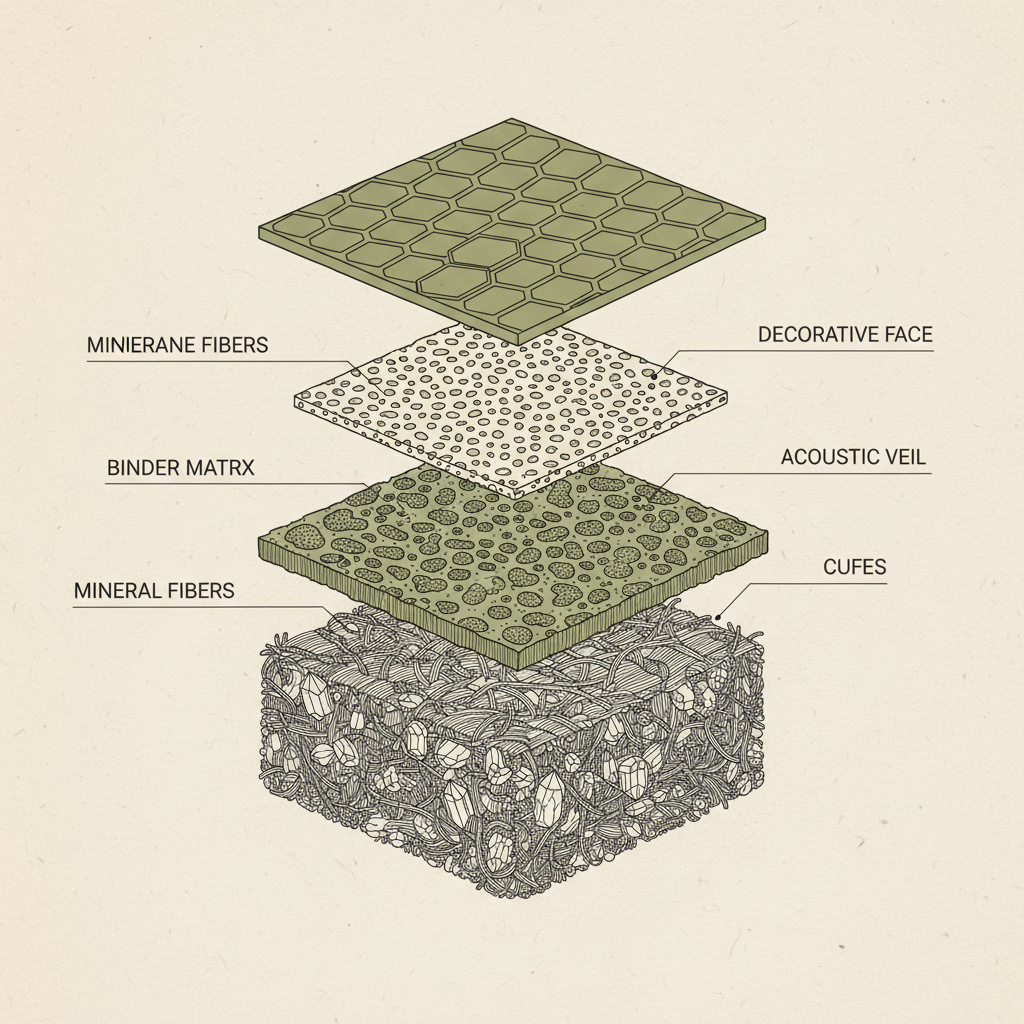
Mineral fiber planks are engineered from a blend of mineral wool, cement, and water. The mineral wool, often derived from recycled materials like slag or glass, provides exceptional thermal and acoustic insulation. The cement acts as a binder, creating a durable and dimensionally stable product. This composition results in a plank that is inherently non-combustible, resistant to mold and mildew, and dimensionally stable, minimizing expansion and contraction with changes in temperature and humidity. Xingyuan Ceilings specializes in providing high-quality mineral fiber planks tailored to various project requirements.
Key Benefits of Utilizing Mineral Fiber Planks
The advantages of mineral fiber planks are numerous. Firstly, their excellent acoustic performance reduces noise transmission, creating quieter and more comfortable indoor environments. Secondly, their non-combustible nature provides superior fire protection, enhancing building safety. Thirdly, they offer excellent thermal insulation, reducing energy consumption and lowering heating and cooling costs. Beyond these core benefits, mineral fiber planks are also lightweight, easy to install, and contribute to sustainable building practices due to their recycled content.
Key Advantages: Superior acoustic performance, inherent fire resistance, excellent thermal insulation, lightweight construction, and sustainable materials.
Mineral Fiber Planks vs. Other Ceiling Materials
When compared to traditional ceiling materials, mineral fiber planks offer significant advantages. Unlike gypsum board, they are inherently fire-resistant and won't contribute to flame spread. Compared to wood, they resist mold, mildew, and insect damage. While fiberglass offers similar acoustic properties, mineral fiber planks often boast superior durability and dimensional stability. Choosing the right material depends on your project’s specific needs, but mineral fiber planks consistently provide a compelling combination of performance and sustainability.
Applications of Mineral Fiber Planks in Modern Construction
The versatility of mineral fiber planks makes them suitable for a wide range of applications, including office ceilings, school classrooms, hospital operating rooms, recording studios, and residential spaces. They are particularly effective in spaces where noise reduction is critical, such as conference rooms and open-plan offices. Their fire-resistant properties make them ideal for commercial buildings and public spaces where safety is paramount.
Product Specifications and Installation Considerations
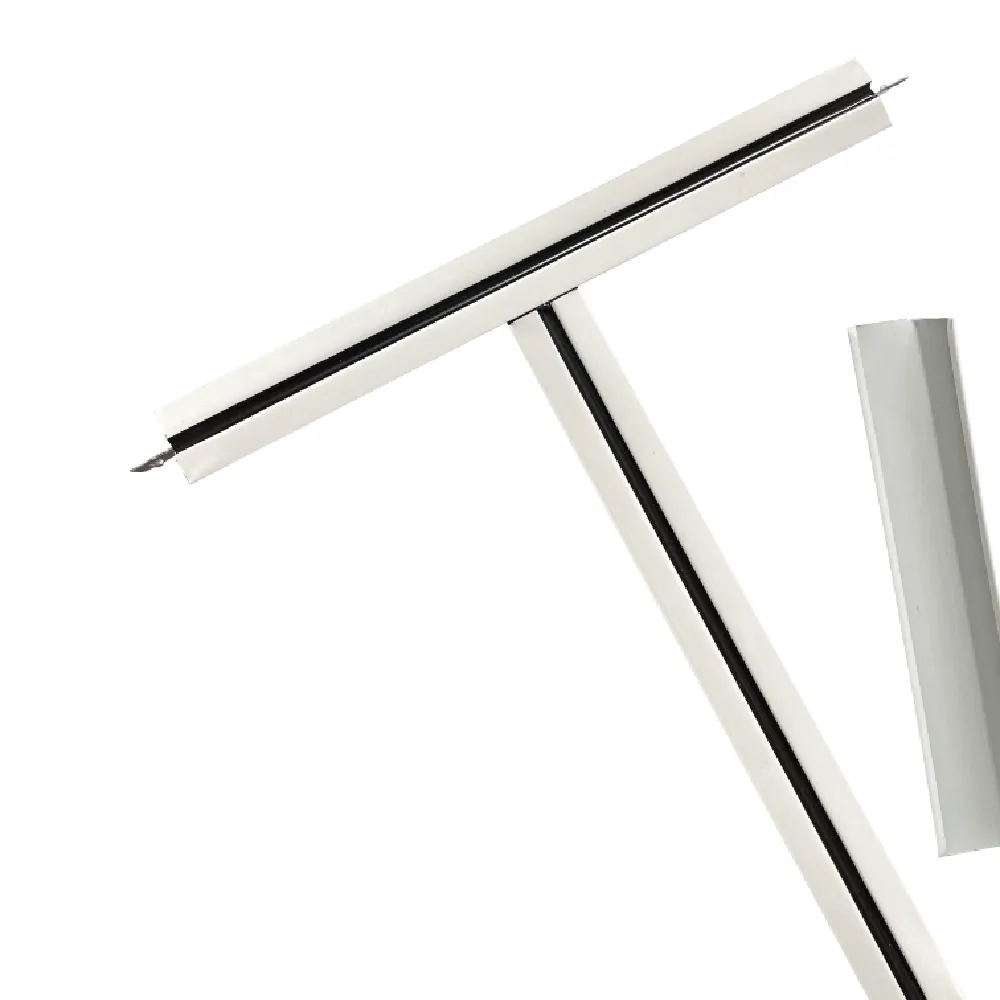
Mineral fiber planks are available in a variety of sizes, thicknesses, and finishes to meet diverse aesthetic and functional requirements. Common sizes include 600mm x 600mm and 1200mm x 600mm, with thicknesses ranging from 8mm to 15mm. Installation typically involves a suspended ceiling grid system, making it a relatively straightforward process for experienced contractors. Proper handling and storage are crucial to prevent damage and maintain the planks’ performance characteristics.
Conclusion: A Sustainable and High-Performing Solution
Mineral fiber planks represent a compelling choice for architects, builders, and homeowners seeking a sustainable, high-performing, and aesthetically pleasing building material. Their exceptional acoustic, fire-resistant, and thermal properties, combined with their ease of installation and environmental benefits, make them a smart investment for any project. Explore the range of mineral fiber plank options available at Xingyuan Ceilings to find the perfect solution for your needs.
Frequently Asked Questions (FAQs)
What are the environmental benefits of using mineral fiber planks?
Mineral fiber planks often contain a high percentage of recycled materials, reducing landfill waste and conserving natural resources. The manufacturing process generally consumes less energy compared to other ceiling materials, contributing to a lower carbon footprint. Furthermore, their durability and long lifespan minimize the need for replacements, reducing overall material consumption. They are also free from harmful chemicals like formaldehyde, promoting healthier indoor air quality.
How do mineral fiber planks perform in humid environments?
Mineral fiber planks exhibit excellent resistance to moisture and humidity, preventing the growth of mold and mildew. While they are not waterproof, they can withstand high levels of humidity without degrading or losing their structural integrity. This makes them particularly well-suited for bathrooms, kitchens, and other areas prone to moisture. However, it’s important to ensure proper ventilation in these areas to maintain optimal performance.
Are mineral fiber planks easy to cut and install?
Yes, mineral fiber planks are relatively easy to cut and install using standard woodworking tools. They can be scored and snapped, or cut with a fine-toothed saw. Their lightweight nature makes them manageable for installers. However, it's important to wear a dust mask during cutting to avoid inhaling mineral fibers. Following the manufacturer's installation guidelines is crucial for ensuring a proper and long-lasting installation.
What is the typical cost of mineral fiber planks?
The cost of mineral fiber planks varies depending on the thickness, size, finish, and supplier. Generally, they are competitively priced compared to other high-performance ceiling materials. Contacting Xingyuan Ceilings for a quote will provide you with accurate pricing based on your project requirements. Consider the long-term benefits, such as energy savings and reduced maintenance, when evaluating the overall cost-effectiveness.
-
Benefits and Guide of Mineral Fiber Ceiling Board for InteriorsNewsApr.16,2026
-
Modern Mineral Fiber Ceiling Solutions for Acoustic PerformanceNewsApr.09,2026
-
Mineral Fibre Board Ceiling vs Gypsum Board A Comprehensive Comparison GuideNewsApr.07,2026
-
Comprehensive Guide to Mineral Fiber Ceiling Specification and PerformanceNewsApr.04,2026
-
What Are Mineral Fiber Ceiling Tiles Made Of And Their ApplicationsNewsMar.31,2026
-
Exploring the Benefits of Suspended Mineral Fibre Ceiling Systems for Modern BuildingsNewsMar.28,2026