
123-67
0%

Table of Contents

Look, after running around construction sites all year, you start to see patterns. Lately, everyone's obsessed with 'smart' ceilings, right? Mineral fiber, mostly. Not because they’re flashy, but because they just… work. People are finally realizing a good ceiling doesn’t need to be a design statement, it needs to not fall down. To be honest, it's a relief. For years it was all about fancy finishes, and then you'd get called out at 2 AM because the whole thing decided to detach.

It's funny, you spend all this time designing something perfect in CAD, and then you get on site and realize it's fundamentally flawed. Have you noticed how many architects specify these incredibly thin mineral fiber boards, then act surprised when they crack during installation? They look great on paper, but real-world handling isn't gentle. And don't even get me started on the suspension systems. Always the suspension systems...

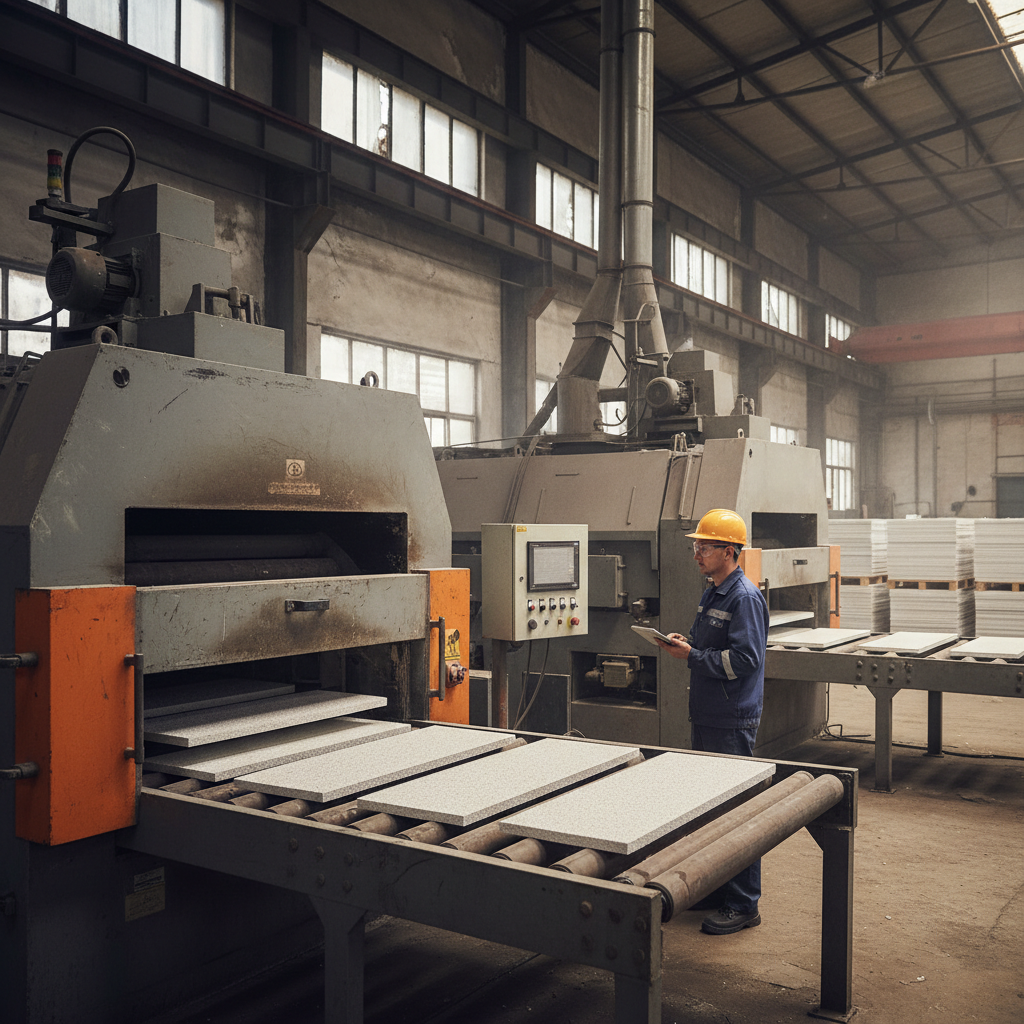
We mostly use boards made from recycled glass and mineral wool, a little bit of clay sometimes. Feels kinda gritty when you cut it, gets under your fingernails. Smells... well, not good. Like damp basement, but not as bad. You learn to get used to it. The quality varies wildly depending on the factory, though. I encountered this at a factory in Foshan last time, the boards were practically crumbling when I touched them, a complete waste of material. It's a nightmare.
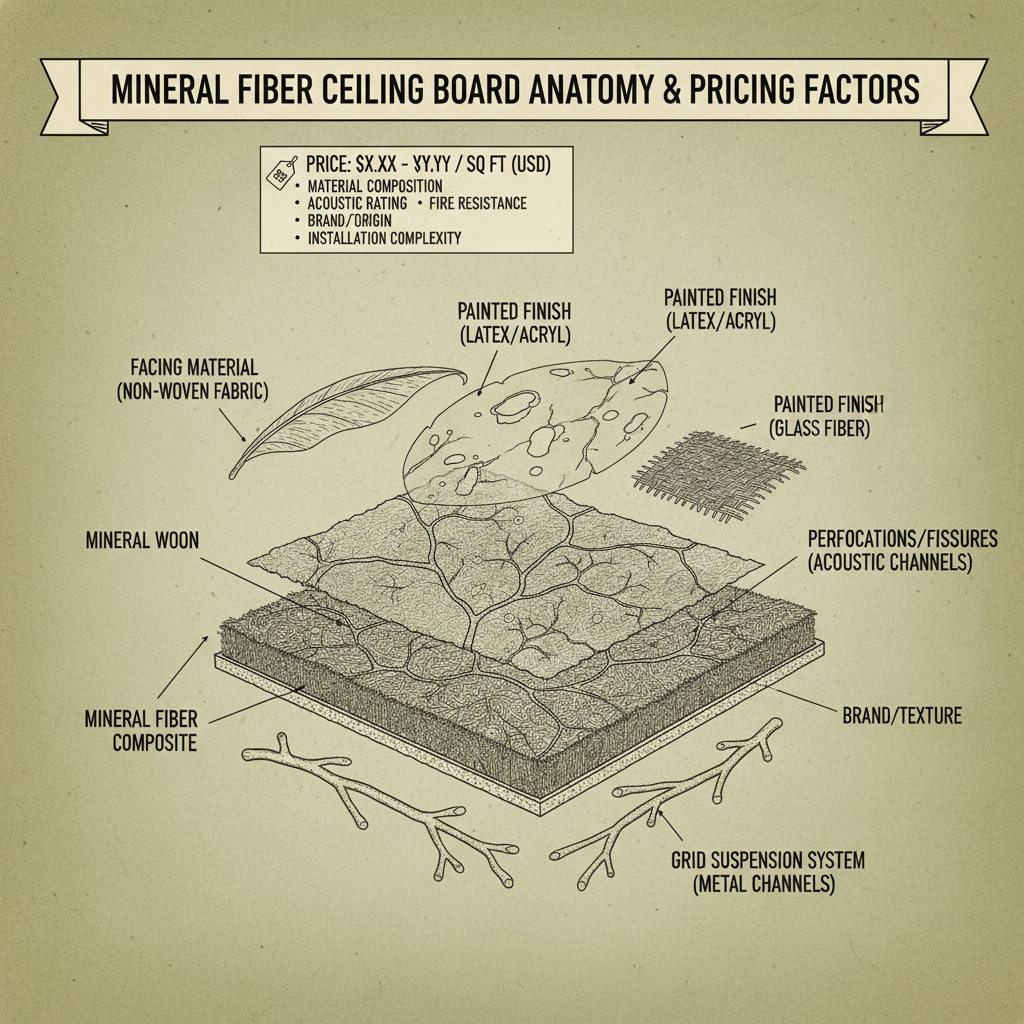
Understanding Mineral Fiber Ceiling Board Price and Practical Considerations

The Current Landscape of Mineral Fiber Ceiling Board Price

Understanding Mineral Fiber Ceiling Board Price and Practical Considerations

Honestly, the price of mineral fiber ceiling board price has been all over the place the last couple of years. Supply chain issues, raw material costs… you name it. It's not just the board itself either. The metal framing, the hangers, even the screws – everything's gone up. It’s making it hard to give accurate quotes. People are looking for value, though. They want something that's going to last, and they’re willing to pay a little extra for it. But not too extra, you know?

What’s trending now is acoustic performance. Everyone wants quieter spaces, especially in offices. And with open-plan layouts being so common, that’s a legitimate concern. So, boards with higher NRC (Noise Reduction Coefficient) ratings are in demand. It’s a bit of a race to see who can get the highest rating without driving the price through the roof.

Common Design Pitfalls and Real-World Challenges

Strangely, the biggest mistakes I see are almost always about cutting corners. Like, specifying a board that’s too thin for the span, or using cheap suspension components. You end up with sagging ceilings, cracked tiles, and a whole lot of headaches. Then they call us to fix it. It always happens.

Another common issue is moisture. Mineral fiber isn’t waterproof, obviously. So, in areas with high humidity – bathrooms, kitchens, even some basements – you need to use a moisture-resistant board or add a protective coating. People forget that, and then you get mold growth and the whole ceiling needs to be replaced. A complete disaster.

And don’t even get me started on lighting integration. Trying to fit recessed lights into a mineral fiber ceiling can be a real pain if it wasn't planned for from the start. You end up with messy cutouts and compromised structural integrity.

Material Composition and On-Site Handling

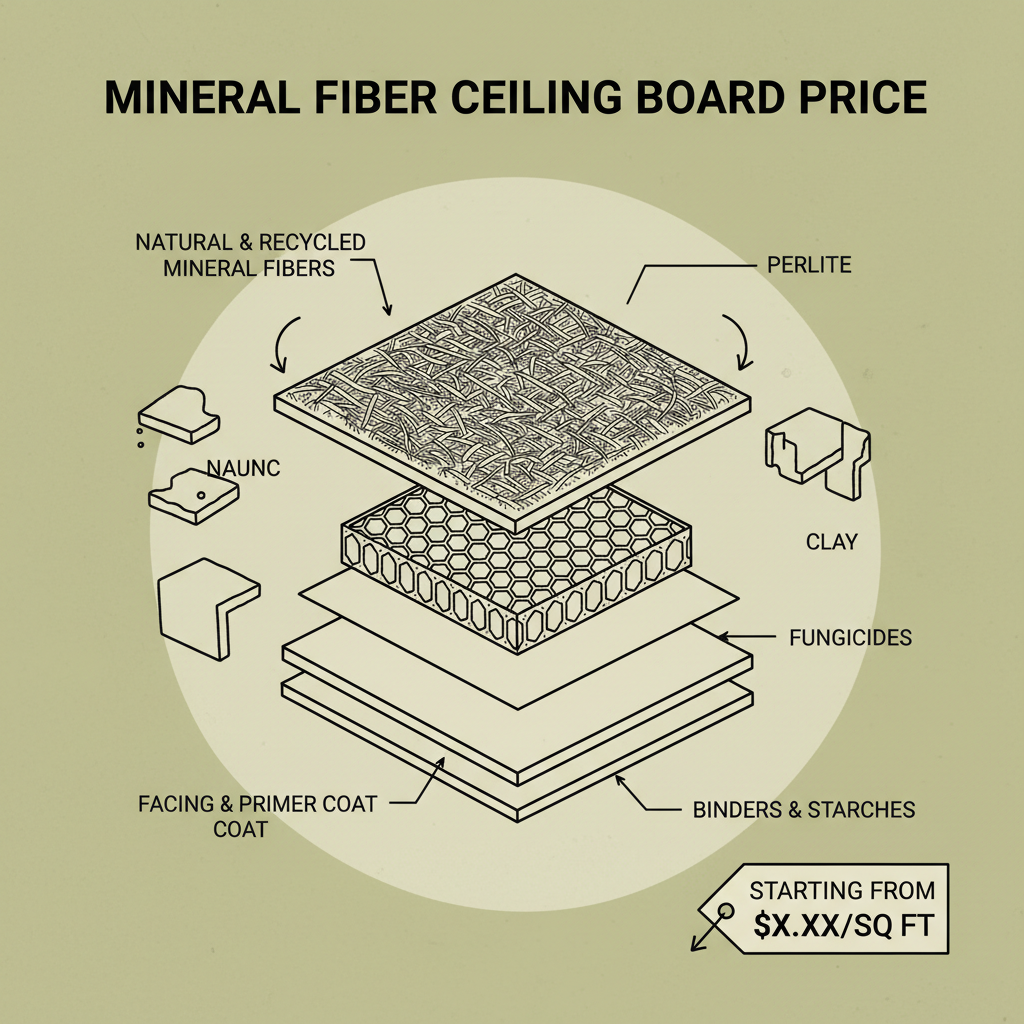
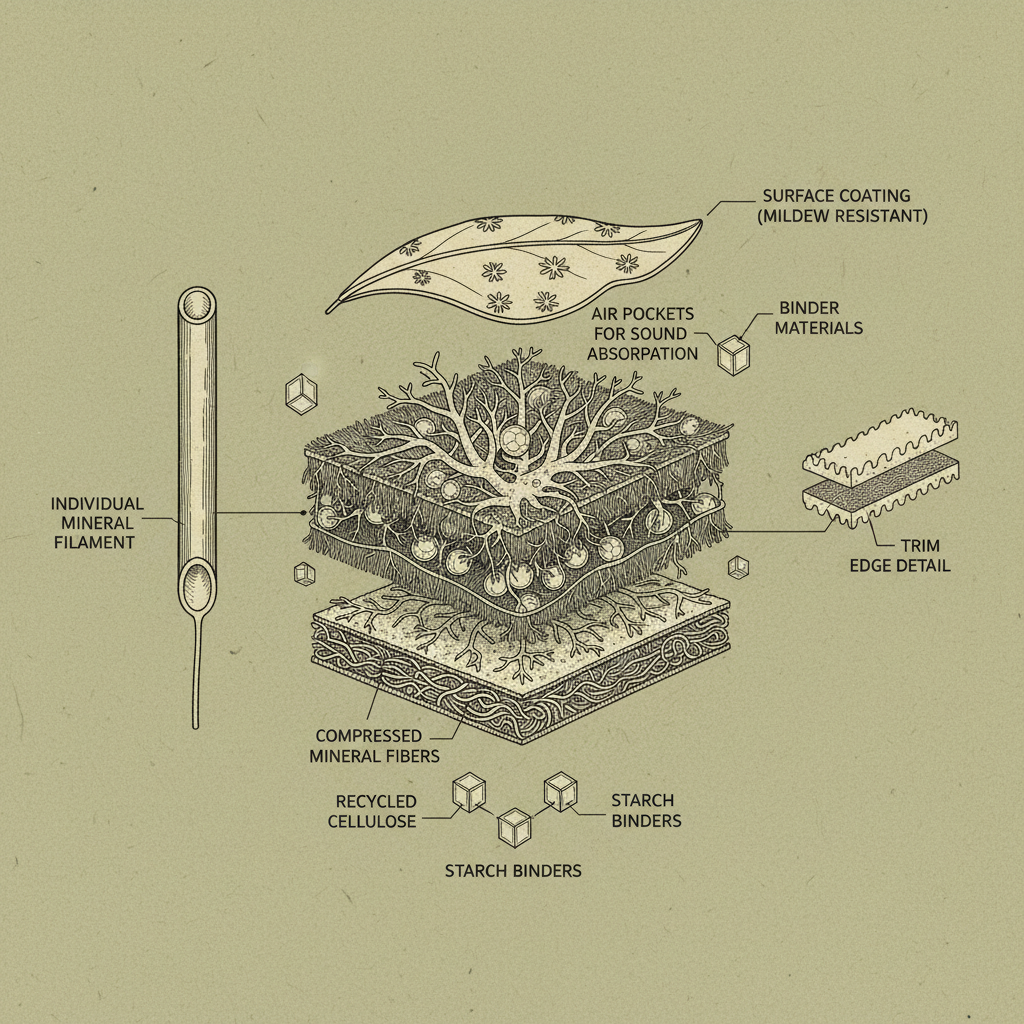
Like I said, most boards are a mix of recycled glass, mineral wool, and clay. The glass gives it strength, the mineral wool provides acoustic absorption, and the clay helps bind everything together. Some manufacturers add starch or other organic binders, which can be a problem if the ceiling gets wet. They start to decompose, and… well, it’s not pretty.

Handling these boards on site requires some care. They’re relatively fragile, especially the thinner ones. You need to store them flat and protected from moisture. And when you’re cutting them, use a sharp utility knife and a straightedge. Don't try to brute-force it, you'll just end up with jagged edges and a lot of dust. Seriously, wear a mask. That dust isn’t good for you.

The higher-end boards often have a fiberglass facing on one side. That stuff is itchy as hell. Learn from my mistakes and wear gloves and a long-sleeved shirt. You’ll thank me later.

Rigorous Testing in Practical Environments

Lab tests are fine, but they don’t tell the whole story. I’ve seen boards pass all the fire ratings and acoustic tests, but still perform poorly in real-world conditions. That’s why we do our own testing on site. We simulate the stresses the ceiling will actually experience – things like temperature fluctuations, humidity changes, and accidental impacts.

One test we do is a simple drop test. We suspend a weight from the ceiling and see how much it deflects. It’s not scientific, but it gives us a good indication of the ceiling’s structural integrity. Another test is to expose the boards to different levels of humidity and see if they warp or crack. We even use a spray bottle to simulate water leaks. It sounds extreme, but it’s better to find these problems now than after the ceiling is installed.

Mineral Fiber Ceiling Board Price Performance Evaluation


Actual User Applications and Unexpected Use Cases

Most of the time, these boards go into standard office buildings, schools, and hospitals. Places where you need a clean, functional ceiling that doesn’t break the bank. But we’ve also seen them used in some surprising applications. Like, a recording studio needed exceptional acoustic performance, and they ended up using a custom-built mineral fiber ceiling. It worked a treat.

Another interesting use case was in a food processing plant. They needed a ceiling that could withstand frequent cleaning and high humidity. Mineral fiber wasn't the obvious choice, but with a special coating, it proved to be a durable and cost-effective solution.

Advantages and Disadvantages: A Pragmatic View

Okay, let’s be real. The biggest advantage is price. It's a relatively cheap material, especially compared to things like gypsum or metal. It's also lightweight, which makes it easier to install. And, as we’ve discussed, it offers decent acoustic performance. But it’s not perfect. It’s fragile, susceptible to moisture, and not the most aesthetically pleasing material in the world.

Honestly, you get what you pay for. Trying to save a few bucks on the ceiling usually ends up costing you more in the long run. Trust me on that one.

Customization Options and Real-World Examples

You can customize these boards in a few different ways. You can change the size, the shape, the edge profile, and even the surface texture. You can also add perforations for acoustic enhancement or lighting integration. Last month, that small boss in Shenzhen who makes smart home devices insisted on changing the interface to – for the lighting controls integrated into the ceiling – and the result was a complete nightmare to get approved by the local fire inspector. He wasted a week on that.

We did a project in a high-end restaurant where they wanted a curved ceiling. It was a challenge, but we were able to create custom-bent mineral fiber boards that looked amazing. It required a lot of careful planning and skilled craftsmanship, but the end result was worth it.

Summary of Key Customization Factors

Customization Parameter Complexity Level (1-5) Estimated Cost Increase (%) Typical Lead Time (Days)
Size Modification 1 5-10 3-5
Edge Profile Alteration 2 10-15 5-7
Perforation Pattern Design 3 15-20 7-10
Surface Texture Application 2 10-15 5-7
Complex Shape Bending 5 30-50 14-21
Custom Color Matching 2 5-10 3-5

FAQs

What’s the lifespan of a typical mineral fiber ceiling board?

It really depends on the environment, but a well-installed mineral fiber ceiling should last at least 15-20 years. We've seen some installations that are still going strong after 30 years, but those are the exception, not the rule. Regular maintenance – cleaning and addressing any moisture issues – is key to maximizing its lifespan. Don't just forget about it up there!

Are mineral fiber ceiling boards fire-resistant?

Yes, they are generally very fire-resistant. Most mineral fiber boards have a Class A fire rating, meaning they can withstand high temperatures for an extended period without igniting or spreading flames. This is a major advantage in commercial buildings and other applications where fire safety is critical. However, always check the specific fire rating of the board you're using to ensure it meets your project's requirements.

How do mineral fiber ceiling boards compare to gypsum ceiling boards in terms of cost?

Mineral fiber is typically less expensive than gypsum, especially for larger projects. The price difference can vary depending on the specific type of board and the region, but generally, you can expect to save a significant amount of money by using mineral fiber. However, gypsum offers a smoother finish and is easier to paint, so you need to weigh the cost savings against those factors.

Can mineral fiber ceiling boards be recycled?

Yes, and that's one of their biggest advantages! Most mineral fiber boards are made from recycled materials, and they can often be recycled again at the end of their lifespan. This makes them a more sustainable choice than other ceiling materials like gypsum, which typically end up in landfills. It’s a small thing, but it adds up.

What should I look for when choosing a supplier of mineral fiber ceiling boards?

Reputation, quality control, and consistent supply are key. Look for a supplier that has been in business for a long time and has a good track record. Ask about their quality control processes and whether they can provide samples for testing. And make sure they can guarantee a consistent supply of materials, especially for large projects. You don't want to get halfway through a job and run out of boards.

What’s the deal with different edge profiles? What do I need to know?

Edge profiles affect how the boards fit together and the overall look of the ceiling. Square edges are the most common and create a clean, minimalist look. Beveled edges create a slightly softer appearance. And reveal edges are designed to create a gap between the boards, which can be used for lighting or other decorative effects. Choosing the right edge profile is mostly aesthetic, but it can also impact installation time and cost.

Conclusion

Ultimately, mineral fiber ceiling boards are a workhorse product. They’re not glamorous, they’re not fancy, but they get the job done. They offer a good balance of performance, cost, and sustainability, making them a popular choice for a wide range of applications. They are a reliable, practical solution for achieving a functional and aesthetically acceptable ceiling.

And at the end of the day, whether this thing works or not, the worker will know the moment he tightens the screw. That's all that matters. If it's solid, it's good. If it's wobbly, it's bad. Simple as that. You can spend all the time in the world designing and testing, but real-world feedback is the ultimate test. mineral fiber ceiling board price

Robert Anderson

Robert Anderson

Robert Anderson is the Regional Sales Director for the Western US at Xingyuan Decorative Materials. Robert brings 15+ years of experience to the team, with a proven track record of exceeding sales targets and building strong relationships with architects, contractors, and distributors. He's adept at understanding project specifications and recommending
Previous Navigating Mineral Fiber Ceiling Tiles Price Performance and Installation Challenges
Next Understanding Mineral Fiber Board Ceiling Systems and Installation Best Practices

If you are interested in our products, you can choose to leave your information here, and we will be in touch with you shortly.