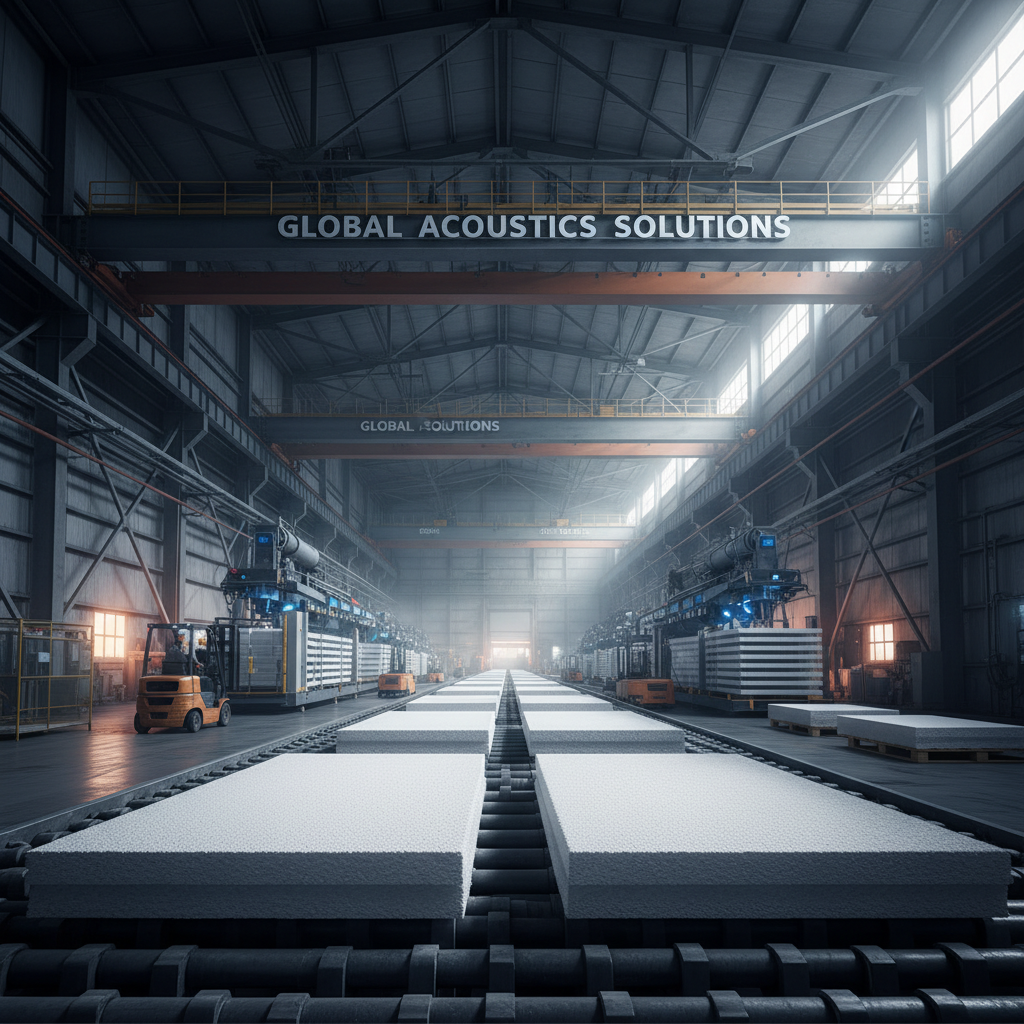
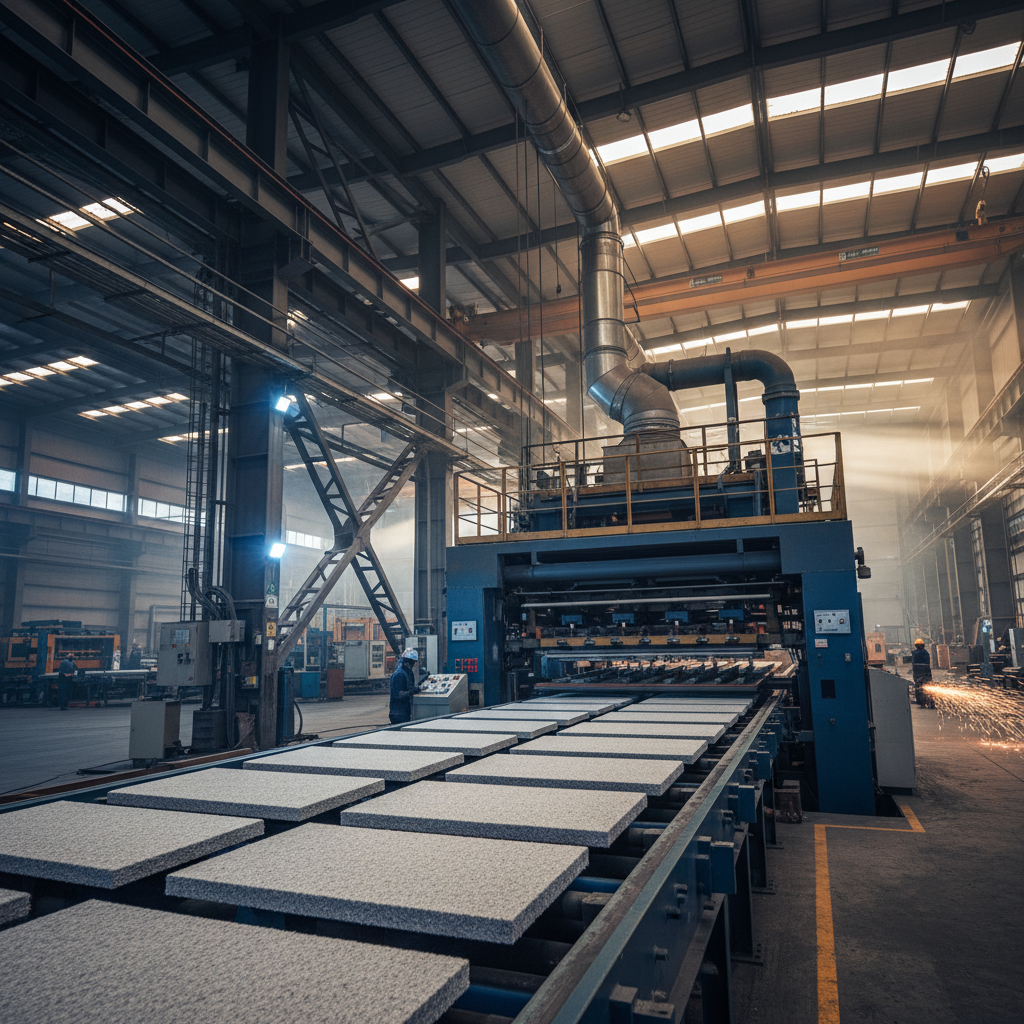
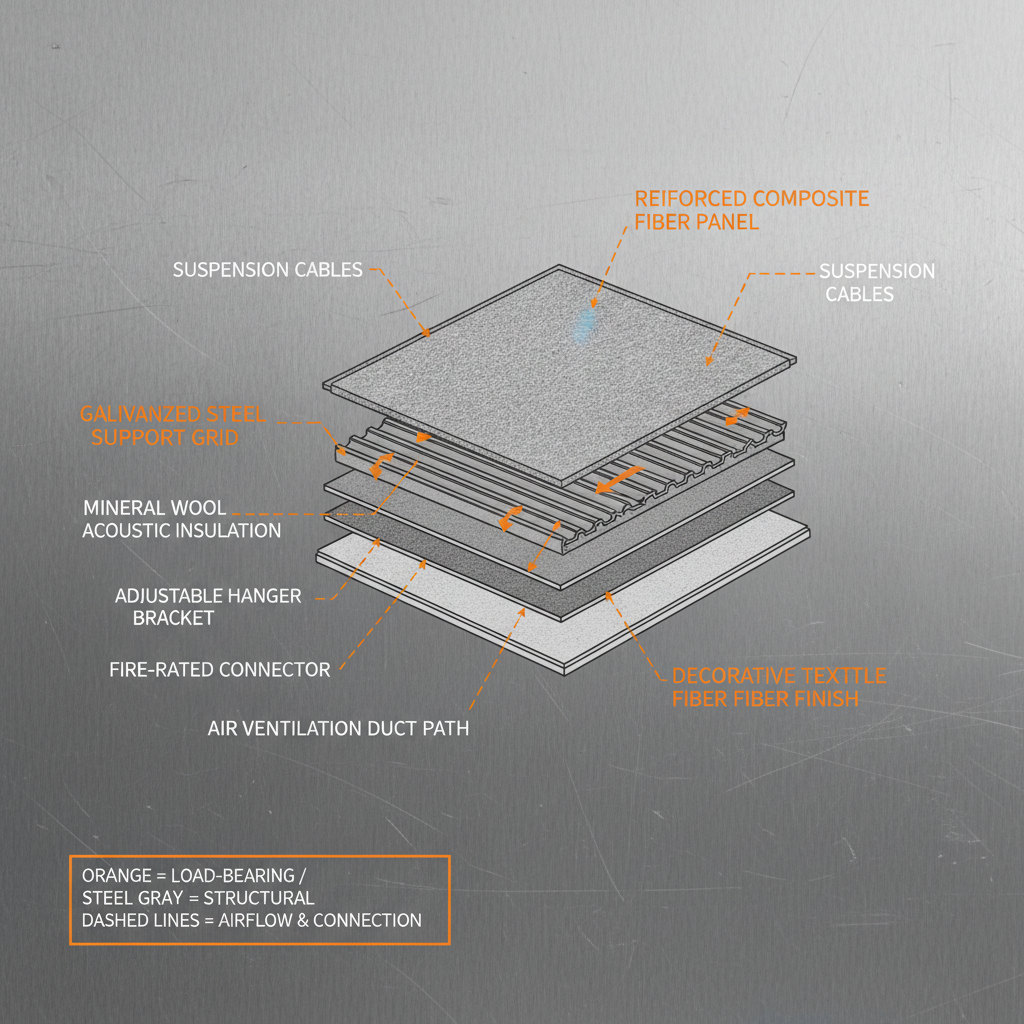
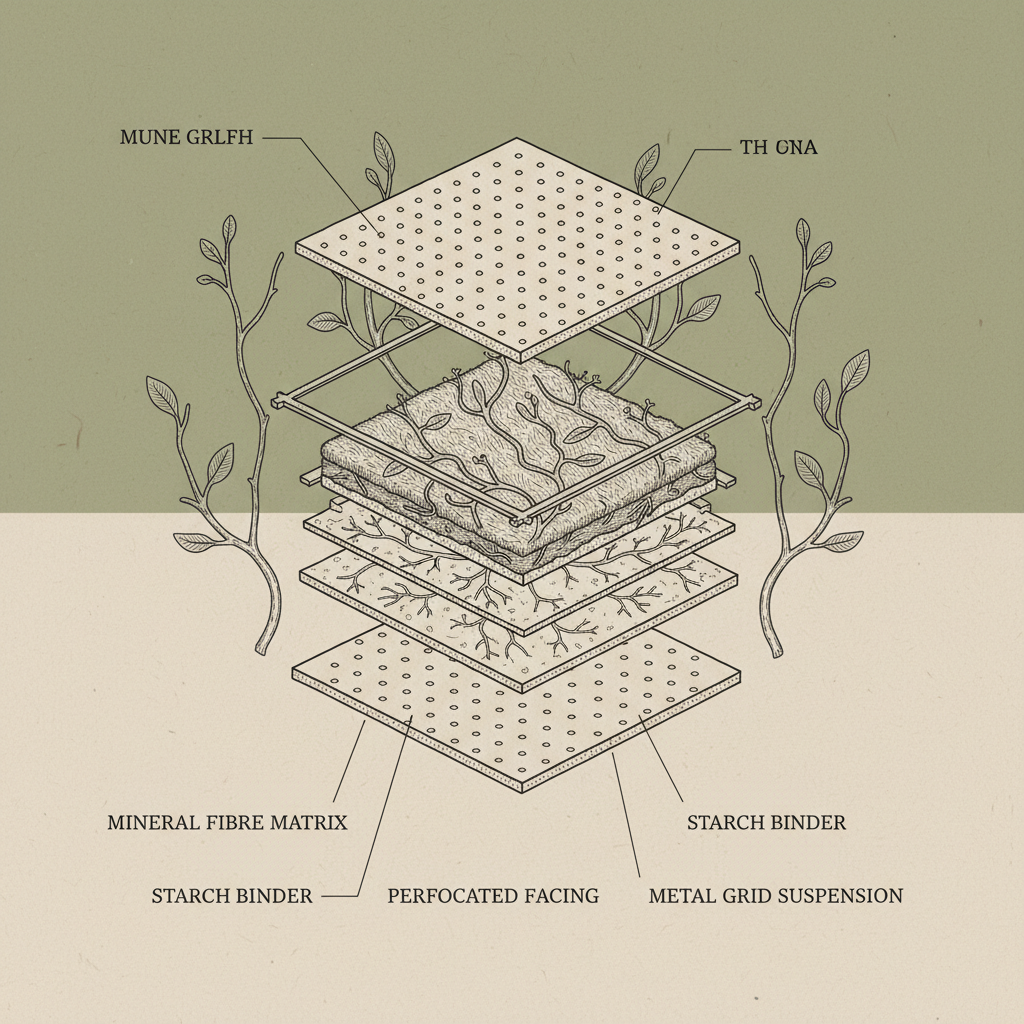
Acoustic mineral fibre ceiling board represents a crucial element in modern building design, impacting everything from sound control and fire safety to aesthetic appeal and overall indoor environmental quality. Understanding its properties, applications, and benefits is vital for architects, contractors, and building owners alike. The global demand for effective acoustic solutions, coupled with increasing focus on sustainable building practices, is driving significant growth in the acoustic mineral fibre ceiling board market. This detailed exploration will outline the core components, advantages, and future trends surrounding this important building material.
The necessity for controlled acoustic environments is expanding rapidly across various sectors, including commercial offices, educational institutions, healthcare facilities, and entertainment venues. Poor acoustics can lead to decreased productivity, stress, and communication difficulties. Acoustic mineral fibre ceiling board directly addresses these challenges by absorbing sound energy, reducing noise levels, and improving speech intelligibility. Furthermore, adherence to increasingly stringent building codes and regulations surrounding fire resistance and sustainability emphasizes the growing importance of materials like acoustic mineral fibre ceiling board.
This exploration of acoustic mineral fibre ceiling board will provide an in-depth understanding of its attributes, from its unique manufacturing process to its wide range of applications. We'll examine key factors influencing its performance, the benefits it offers, and how it is shaping the future of interior spaces. Ultimately, understanding this material is key to creating healthier, more comfortable, and more productive environments.
Introduction to acoustic mineral fibre ceiling board
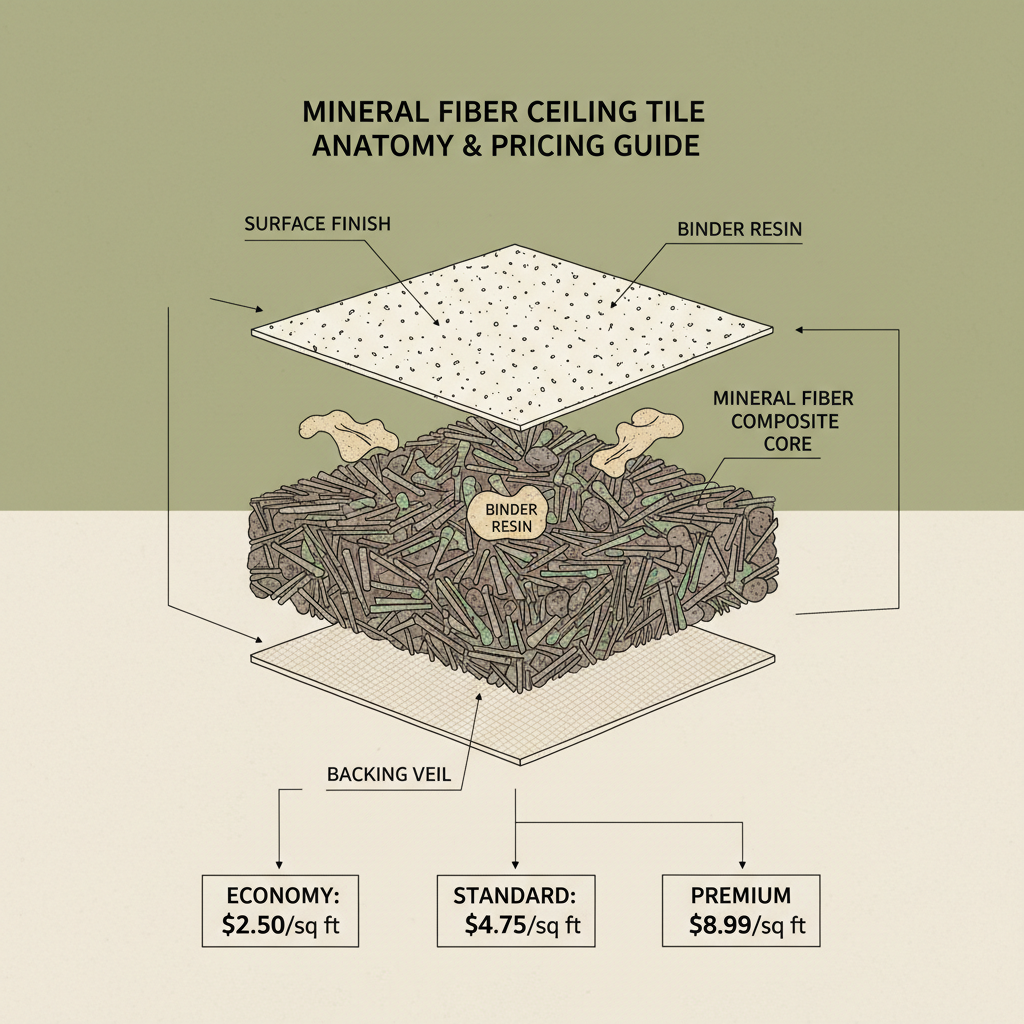
Acoustic mineral fibre ceiling board is a versatile and highly effective building material designed to improve the acoustic environment within a space. Its primary function is to absorb sound waves, reducing reverberation and noise levels, leading to enhanced clarity and comfort. This is achieved through a carefully engineered composition of mineral wool fibers bound together with a binder, creating a porous structure that traps sound energy.
Beyond acoustic performance, acoustic mineral fibre ceiling board offers significant benefits in terms of fire resistance, thermal insulation, and moisture control. Its non-combustible nature provides a crucial safety feature, while its inherent thermal properties contribute to energy efficiency. These combined benefits make it a preferred choice in a wide array of building projects, from offices and schools to hospitals and theaters.
Global Relevance and Market Overview
The global market for acoustic ceiling materials, including acoustic mineral fibre ceiling board, is experiencing substantial growth. Factors driving this demand include increasing urbanization, the rising awareness of the importance of indoor environmental quality, and the implementation of stricter building codes regarding noise control and fire safety. Reports indicate a projected market value exceeding $15 billion by 2028, demonstrating the widespread adoption and critical role of these materials globally.
This demand isn’t limited to developed nations. Emerging economies are increasingly prioritizing acoustics in public and private infrastructure projects. The United Nations Sustainable Development Goals (SDGs), particularly those related to sustainable cities and communities, also contribute to the demand for materials like acoustic mineral fibre ceiling board that offer both performance and environmental benefits. The ISO standards related to acoustics also play a significant role in defining quality and promoting the use of effective sound absorption materials.
A significant challenge addressed by acoustic mineral fibre ceiling board is the rising levels of noise pollution in urban environments. This pollution has been linked to various health issues, including stress, sleep disturbances, and cardiovascular problems. By providing effective sound absorption, these ceiling boards contribute to creating more peaceful and healthy indoor spaces, mitigating the negative impacts of noise exposure.
Defining Acoustic Mineral Fibre Ceiling Board
Acoustic mineral fibre ceiling board is a prefabricated ceiling tile typically composed of mineral wool, often made from recycled glass, slag, or rock materials. This mineral wool is processed into fine fibers and then bonded together using a specialized binder. The resulting material is porous and lightweight, offering excellent sound absorption capabilities. The tiles are typically installed in a suspended ceiling grid system, allowing for easy access to services above the ceiling.
Its connection to modern industry stems from the need to create comfortable and productive indoor environments. In the early 20th century, as industrialization increased, the issue of noise pollution became more prevalent. Acoustic mineral fibre ceiling board emerged as a practical solution, providing a cost-effective and efficient way to manage sound within large spaces. It directly supports humanitarian needs by fostering better learning environments in schools, quieter hospital spaces for patient recovery, and more comfortable working conditions.
Unlike some other ceiling materials, acoustic mineral fibre ceiling board is inherently non-combustible, a critical feature for safety in building applications. It doesn’t contribute to the spread of fire and often has a high fire-resistance rating. This, combined with its acoustic and thermal properties, makes it a valuable component of modern building design, ensuring both safety and comfort.
Key Performance Characteristics
One of the most critical aspects of acoustic mineral fibre ceiling board is its Sound Absorption Coefficient (SAC). This measures the proportion of sound energy absorbed by the material at different frequencies. Higher SAC values indicate better sound absorption performance, directly contributing to reduced noise levels and improved speech intelligibility. Different thicknesses and densities of the board will yield varying SAC values, allowing for customization based on specific acoustic requirements.
Fire Resistance is another paramount characteristic. Acoustic mineral fibre ceiling board typically achieves a Class A fire rating, meaning it does not contribute to flame spread or smoke development. This provides a crucial safety barrier in the event of a fire, allowing for more time for evacuation and fire suppression. Dimensional Stability is also crucial, ensuring the board maintains its shape and integrity over time, even under varying humidity conditions. This prevents sagging or warping, maintaining aesthetic appeal and performance.
Acoustic Mineral Fibre Ceiling Board Performance Metrics
Real-World Applications
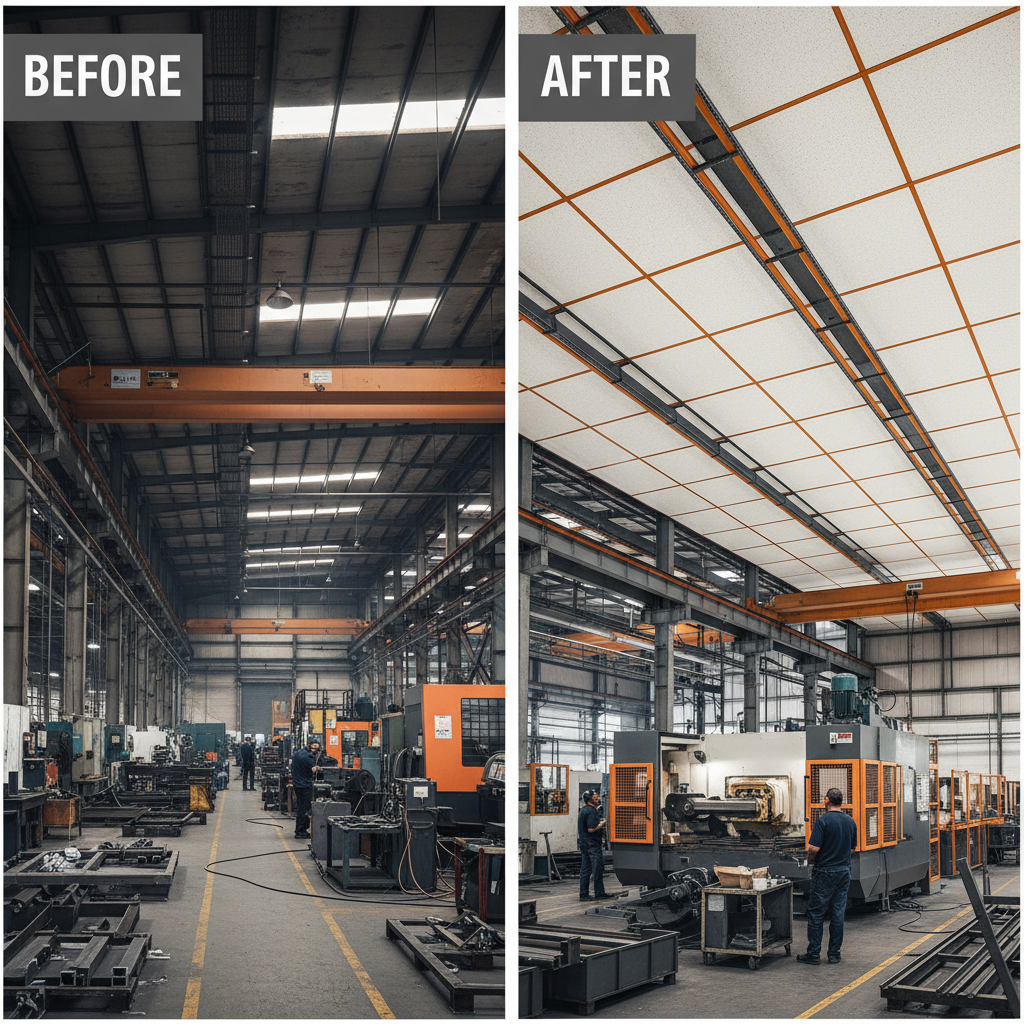
Acoustic mineral fibre ceiling board finds extensive application in commercial office spaces, where open-plan layouts often generate significant noise levels. It effectively reduces distractions, enhances speech privacy, and creates a more productive work environment. Similarly, in educational institutions – schools, universities, and lecture halls – these ceiling boards improve speech intelligibility, creating better learning environments for students and teachers.
Healthcare facilities also benefit significantly. Hospitals and clinics utilize acoustic mineral fibre ceiling board to create quieter and more calming environments for patients, promoting healing and reducing stress. In entertainment venues, such as theaters, concert halls, and recording studios, precise acoustic control is critical. Acoustic mineral fibre ceiling board contributes to optimal sound quality, ensuring a superior experience for performers and audiences.
Advantages and Long-Term Value Proposition
The tangible benefits of utilizing acoustic mineral fibre ceiling board are numerous. The cost-effectiveness of the material, combined with its long lifespan, makes it a smart investment for building owners. Its contribution to energy efficiency, through thermal insulation, results in reduced heating and cooling costs. Furthermore, the use of recycled content in many formulations aligns with sustainable building practices, earning LEED credits and enhancing a project’s environmental profile.
Beyond the practical advantages, acoustic mineral fibre ceiling board delivers significant emotional and logical value. Improved acoustics contribute to increased comfort, reduced stress, and enhanced well-being for occupants. The inherent fire safety features provide peace of mind, safeguarding lives and property. Choosing acoustic mineral fibre ceiling board demonstrates a commitment to innovation, quality, and the creation of spaces that prioritize both functionality and human experience.
Future Trends and Innovations
Several exciting trends are shaping the future of acoustic mineral fibre ceiling board. The development of bio-based binders, replacing traditional petrochemical-based options, is a key area of innovation. This reduces the environmental footprint of the material and aligns with circular economy principles. Furthermore, advancements in nanotechnology are being explored to enhance sound absorption capabilities and improve material performance.
The integration of smart technologies is also emerging. Ceiling tiles equipped with sensors can monitor air quality, temperature, and occupancy levels, providing valuable data for building management systems. Digital printing techniques are allowing for greater design flexibility, enabling customized patterns and graphics on the ceiling surface. These innovations will further enhance the functionality, sustainability, and aesthetic appeal of acoustic mineral fibre ceiling board.
FAQS
The lifespan of an acoustic mineral fibre ceiling board installation typically ranges from 20 to 30 years with proper maintenance. Factors influencing longevity include the quality of the material, the installation process, and the environmental conditions of the building. Regular cleaning and avoiding excessive moisture are key to maximizing the lifespan of the ceiling system.
Acoustic mineral fibre ceiling boards often incorporate recycled content, reducing the demand for virgin materials. Their thermal insulation properties lower energy consumption for heating and cooling, and their lightweight nature reduces transportation costs. Many manufacturers are also developing bio-based binder options to further minimize environmental impact and promote a circular economy.
Yes, most acoustic mineral fibre ceiling boards can be painted, but it's crucial to use a paint specifically designed for acoustic ceilings. Standard paints can reduce the board's sound absorption capabilities. Low-VOC (volatile organic compound) paints are recommended to maintain indoor air quality. Always follow the manufacturer’s guidelines for painting.
Regular dusting with a soft brush or vacuum cleaner with a brush attachment is the best way to clean acoustic mineral fibre ceiling boards. Avoid using harsh cleaning chemicals or abrasive materials, as these can damage the surface and reduce sound absorption. For stubborn stains, a mild detergent solution can be used sparingly.
The Noise Reduction Coefficient (NRC) is a single-number rating that indicates how well a material absorbs sound. It ranges from 0 to 1, with 1 representing perfect sound absorption. Higher NRC values signify better acoustic performance. When selecting acoustic mineral fibre ceiling boards, choose an NRC rating appropriate for the specific acoustic needs of the space.
Acoustic mineral fibre ceiling boards are typically installed in a suspended ceiling grid system. Proper installation is critical for optimal performance and aesthetics. The grid should be level and securely anchored to the structure above. Follow the manufacturer's instructions carefully and ensure the boards are properly aligned and supported.
Conclusion
In conclusion, acoustic mineral fibre ceiling board stands as a versatile, effective, and increasingly sustainable solution for enhancing the acoustic environment of any space. From improved speech intelligibility and noise reduction to enhanced fire safety and thermal performance, the benefits are far-reaching. Understanding its core characteristics, diverse applications, and evolving innovations is essential for architects, designers, and building owners seeking to create comfortable, productive, and safe indoor environments.
Looking ahead, continued research and development will further enhance the performance and sustainability of acoustic mineral fibre ceiling board. The integration of smart technologies, bio-based materials, and advanced manufacturing processes will unlock new possibilities for creating dynamic and responsive interior spaces. Choosing acoustic mineral fibre ceiling board is not simply a material selection; it’s an investment in the well-being of occupants and the long-term value of the built environment.