Fiber ceiling board represents a significant advancement in interior construction materials, offering a versatile and sustainable solution for a wide range of applications. Globally, demand for aesthetically pleasing, acoustically effective, and environmentally responsible building materials is steadily increasing, driven by factors like urbanization, stringent building codes, and a growing awareness of indoor environmental quality. The use of fiber ceiling board directly addresses these needs, offering a cost-effective alternative to traditional materials like gypsum and mineral fiber.
The relevance of fiber ceiling board extends across numerous sectors, from commercial and residential buildings to healthcare facilities and educational institutions. Its unique properties – including sound absorption, fire resistance, and moisture resistance – make it an ideal choice for creating comfortable and safe indoor environments. The global market is witnessing increased adoption, particularly in regions focused on green building practices and sustainable development.
Understanding the benefits of fiber ceiling board is crucial for architects, designers, contractors, and building owners seeking innovative solutions. This knowledge translates into optimized project outcomes, reduced environmental impact, and enhanced occupant well-being. The future of interior design increasingly leans towards sustainable and high-performance materials, placing fiber ceiling board at the forefront of this trend.
Introduction to Fiber Ceiling Board
Fiber ceiling board has become increasingly popular in modern construction due to its superior performance and environmental benefits. This innovative material is engineered using a combination of natural and synthetic fibers, offering a unique blend of acoustic, thermal, and aesthetic properties. Understanding its capabilities is essential for informed building design and material selection. fiber ceiling board is often used where sound quality is paramount.
Its versatility allows for application in diverse settings, ranging from offices and schools to hospitals and residential spaces. Fiber ceiling board is known for its ease of installation and adaptability to various ceiling systems, making it a cost-effective and efficient building solution. The growing demand is driven by architects and developers seeking sustainable and high-quality interior finishes.
Defining Fiber Ceiling Board
Fiber ceiling board is a composite material typically constructed from mineral wool, wood fibers, or plant-based fibers, bound together with a binder and formed into panels. These panels are designed to be suspended from a ceiling grid, providing a finished ceiling surface. The key difference between fiber ceiling board and other ceiling materials lies in its porous structure, which enhances sound absorption and thermal insulation.
This construction method allows for varying densities and textures, providing options for both functional and aesthetic purposes. Different fiber types influence the board's properties, such as fire resistance, moisture resistance, and overall durability. Manufacturers often tailor the composition to meet specific project requirements.
The modern application of fiber ceiling board addresses critical needs within the building industry. Its ability to contribute to LEED certification (Leadership in Energy and Environmental Design) makes it particularly attractive to environmentally conscious projects. This innovative material demonstrates a significant step forward in sustainable building practices.
Core Characteristics of Fiber Ceiling Board
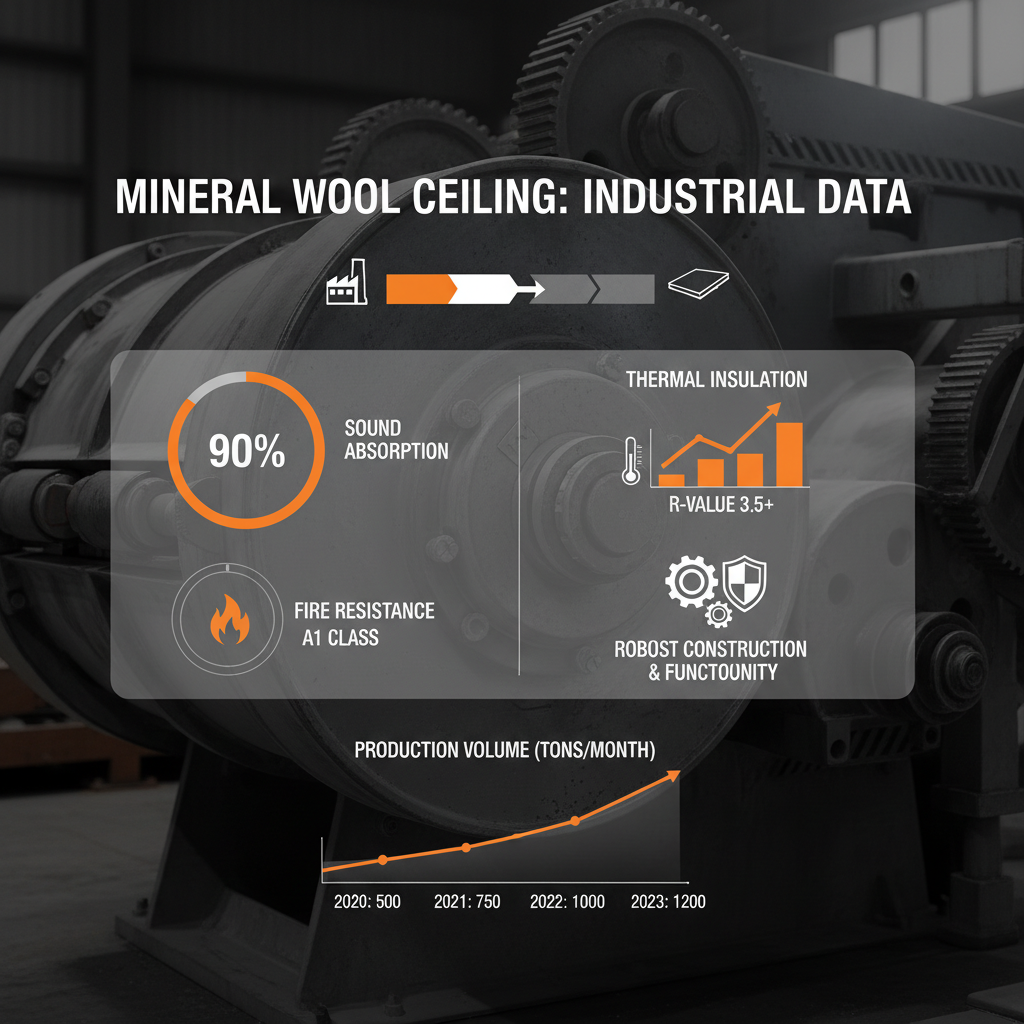
A primary characteristic of fiber ceiling board is its exceptional sound absorption capability. The porous nature of the material effectively traps and dissipates sound waves, reducing noise levels and improving acoustic comfort within a space. This makes it ideally suited for environments where speech intelligibility and noise reduction are critical, such as classrooms, offices, and recording studios.
Another key feature is its fire resistance. Fiber ceiling board is typically manufactured to meet stringent fire safety standards, offering a crucial layer of protection in the event of a fire. The material does not readily combust and can help to slow the spread of flames, providing valuable time for evacuation and fire suppression.
Beyond sound and fire performance, fiber ceiling board also boasts excellent thermal insulation properties. Its structure minimizes heat transfer, contributing to energy efficiency and reducing heating and cooling costs. The material is also relatively lightweight, simplifying installation and reducing structural load on buildings.
Key Performance Indicators of Fiber Ceiling Board
Assessing the performance of fiber ceiling board involves evaluating several key indicators. Sound Absorption Coefficient (SAC) is crucial, measuring the board's ability to absorb sound at different frequencies. Higher SAC values indicate better sound absorption. Another vital indicator is the Fire Resistance Rating, determined through standardized testing methods.
Thermal Conductivity, expressed as a ‘U-value’, measures the rate of heat transfer through the material. Lower U-values signify better thermal insulation. Furthermore, Moisture Resistance is important, assessing the board's ability to withstand humidity without degradation. Finally, Dimensional Stability gauges the board’s resistance to warping or cracking under varying environmental conditions.
Fiber Ceiling Board Performance Comparison
Global Applications of Fiber Ceiling Board
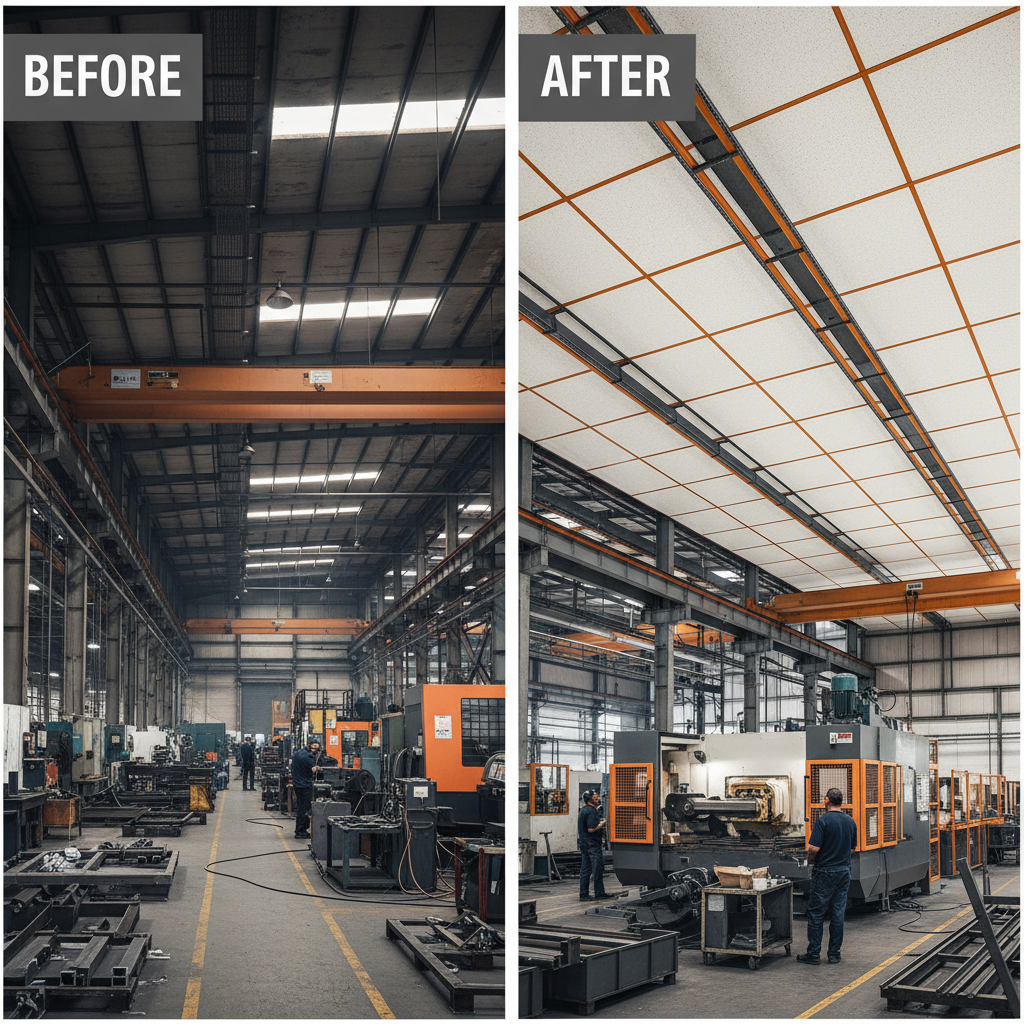
The versatility of fiber ceiling board leads to its widespread application across diverse sectors globally. In commercial buildings, it's frequently used in open-plan offices to enhance acoustics and create a more comfortable work environment. Healthcare facilities benefit from its hygienic properties and sound-dampening characteristics, contributing to patient well-being.
Educational institutions prioritize improved acoustics for better learning environments, making fiber ceiling board a popular choice for classrooms and auditoriums. In post-disaster relief operations, lightweight and easily installable fiber ceiling board can provide quick and effective shelter solutions. Many manufacturers, like fiber ceiling board providers, offer solutions for these types of deployments.
Advantages and Long-Term Value of Fiber Ceiling Board
The advantages of fiber ceiling board extend beyond its functional properties. The material's sustainability, derived from the use of recycled or renewable fibers, contributes to a lower environmental footprint. The cost-effectiveness of fiber ceiling board, considering its longevity and minimal maintenance requirements, provides long-term economic benefits.
From a social impact perspective, the improved indoor air quality and acoustic comfort fostered by fiber ceiling board contribute to healthier and more productive environments. The reliability of the material, combined with its ease of installation, reduces project timelines and minimizes disruption. These collective benefits underscore the long-term value proposition of fiber ceiling board.
Future Trends in Fiber Ceiling Board Technology
Future innovations in fiber ceiling board are focused on enhancing its performance and sustainability. Research is underway to incorporate bio-based binders and fibers, further reducing the material’s environmental impact. Smart ceiling systems integrating lighting, sensors, and acoustic control are also emerging, offering greater functionality and energy efficiency.
Digital fabrication techniques, such as 3D printing, are being explored to create custom designs and complex geometries with fiber ceiling board. Advancements in nanotechnology may lead to the development of coatings that enhance the material’s self-cleaning properties and antimicrobial resistance. These trends point towards a more sophisticated and versatile future for fiber ceiling board.
The alignment of these developments with the growing demand for green building solutions ensures a continued trajectory of growth and innovation in the fiber ceiling board industry, with a commitment to sustainable design and construction practices.
FAQS
Fiber ceiling board stands out from gypsum board due to its superior sound absorption qualities, enhanced fire resistance, and typically lower environmental impact. While gypsum board is cost-effective, fiber ceiling board often provides better long-term value through improved acoustic performance and sustainability. It is lighter than gypsum and is more resilient to moisture.
Fiber ceiling board contributes to LEED certification through several avenues. It often contains recycled content, reducing the demand for virgin materials. Its low VOC emissions contribute to improved indoor air quality, earning points under the Indoor Environmental Quality category. Its energy efficiency also positively impacts building performance, further boosting LEED scores.
With proper installation and maintenance, a fiber ceiling board installation can last for 20-30 years, or even longer. The material is generally durable and resistant to sagging or warping. Regular cleaning and occasional repairs can extend its lifespan. The longevity also depends on the ambient conditions, such as humidity and temperature fluctuations.
Certain types of fiber ceiling board are specifically designed for high-humidity environments. These boards often feature a water-resistant coating or are manufactured with hydrophobic fibers. However, it's crucial to select a board specifically rated for wet areas to ensure optimal performance and prevent moisture damage.
Fiber ceiling board is commonly installed using a suspended ceiling grid system. The boards are simply dropped into the grid, providing a seamless and easily accessible ceiling surface. Alternative installation methods include direct adhesion to the substrate or using furring strips. Proper installation is critical to ensure acoustic performance and structural integrity.
The initial cost of fiber ceiling board can be slightly higher than traditional gypsum board, but the long-term value often outweighs this difference. Its superior performance, durability, and sustainability benefits can result in reduced maintenance costs and energy savings. Furthermore, its contribution to LEED certification can unlock additional incentives and rebates.
Conclusion
Fiber ceiling board represents a paradigm shift in interior construction, offering a compelling combination of performance, sustainability, and cost-effectiveness. Its superior acoustic properties, fire resistance, and thermal insulation capabilities make it a valuable asset in a wide range of building applications. From commercial spaces to healthcare facilities and educational institutions, fiber ceiling board enhances comfort, safety, and energy efficiency.
Looking ahead, continued innovation in materials science and manufacturing techniques will further refine the properties and broaden the applications of fiber ceiling board. Embracing this technology is not just about selecting a building material; it's about investing in a more sustainable and responsible future for the built environment. To learn more about incorporating fiber ceiling board into your next project, visit our website today.