Let’s talk mineral fiber ceiling tiles. I’ve spent the better part of fifteen years crawling around above drop ceilings, watching installs, and frankly, dealing with the headaches that come with subpar materials. Understanding what these tiles are actually made of isn’t just some academic exercise – it's the difference between a quiet, safe, and long-lasting ceiling, and one that’s a constant source of problems. It’s about more than aesthetics; it’s about performance, acoustics, and even fire safety. Knowing the composition impacts everything from installation to long-term maintenance, and that impacts the bottom line.
We're seeing a lot of demand for cost-effective solutions that don't compromise on quality, especially in commercial builds and renovations. The global ceiling tile market is huge – estimates put it well over $15 billion annually and growing, driven by new construction in developing nations and the need to retrofit existing buildings for energy efficiency and improved acoustic performance (source: Global Market Insights). That growth isn't just about adding ceilings; it’s about adding better ceilings. And a key part of that is understanding exactly what goes into making a durable, high-performing mineral fiber tile.
A lot of folks think of “mineral fiber” as a single thing, but it’s more of a category. At its core, we're talking about tiles manufactured from a combination of mineral wool, clay, and other recycled materials, bound together with a binder and formed into panels. These aren’t your grandma’s acoustic tiles, though. Modern formulations have come a long way, offering improvements in everything from moisture resistance to dimensional stability. It’s a staple in commercial buildings, schools, and healthcare facilities, primarily because of its sound absorption and fire-retardant properties. It's a workhorse material.
The Importance of Understanding Mineral Fiber Composition
Knowing exactly what are mineral fiber ceiling tiles made of isn’t just about ticking a box on a spec sheet. I’ve seen jobs delayed – and budgets blown – because the chosen tile wasn’t appropriate for the environment. Moisture, humidity, even the type of lighting can all affect performance if you haven't accounted for the tile's composition. A seemingly small detail, like the binder used, can have a huge impact on long-term sag resistance.
It's also about being able to effectively troubleshoot. If you know the materials, you can better diagnose issues and find solutions. Are you dealing with a mold problem? The composition of the tile will dictate your remediation strategy. Is it a sound transmission issue? Understanding the density and fiber structure will help you identify the root cause.
Defining Mineral Fiber Ceiling Tiles
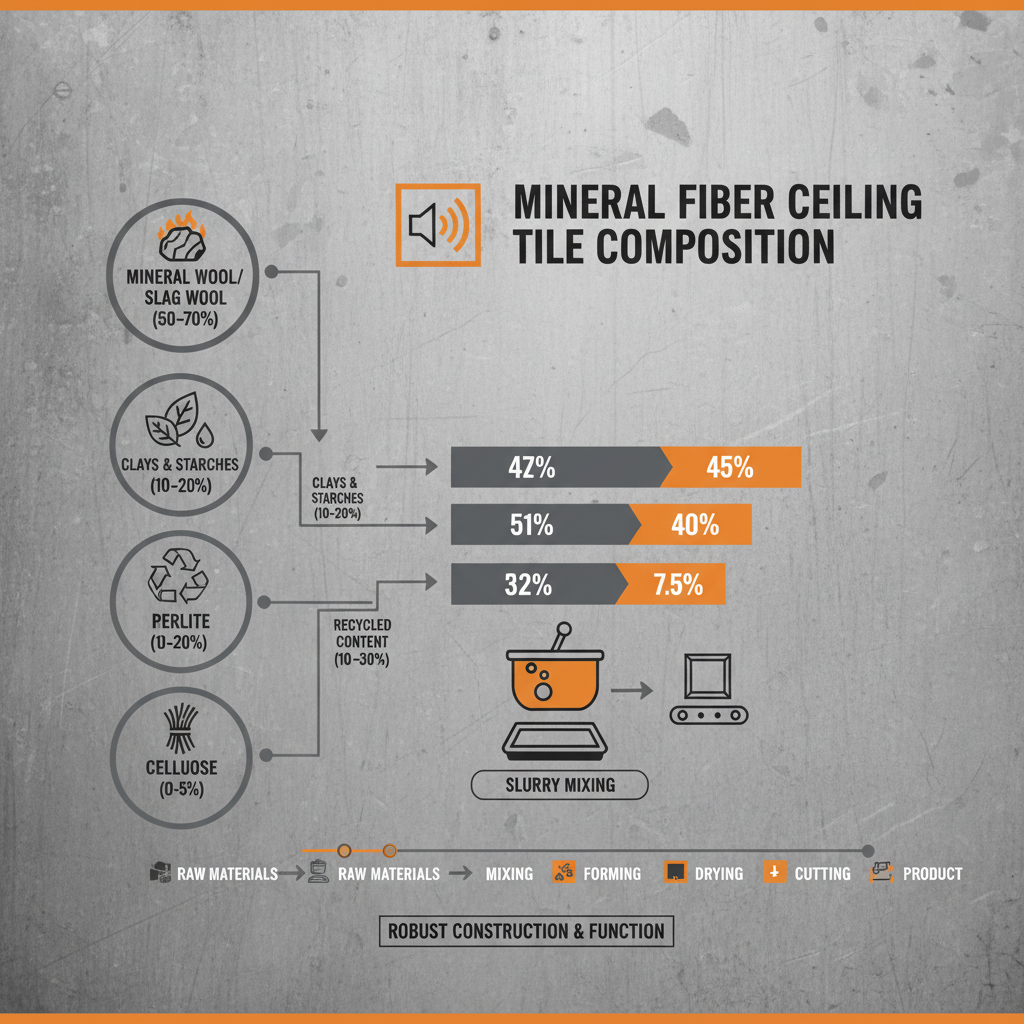
Essentially, what are mineral fiber ceiling tiles made of is a composite material. The primary ingredient is mineral wool – typically slag wool (from steel mills) or rock wool (from volcanic rock). This provides the bulk of the tile's structure and its excellent sound absorption properties. Then you've got clay, which acts as a binder and adds to the tile's fire resistance. But it doesn't stop there.
Modern tiles also include a variety of recycled content, like post-consumer paper or glass. This is a huge plus for LEED certification and sustainability goals. Binders are critical - traditionally starch-based, but now increasingly incorporating bio-based or even synthetic options to improve performance and reduce VOC emissions. It’s not just about making a tile; it's about making a responsible tile.
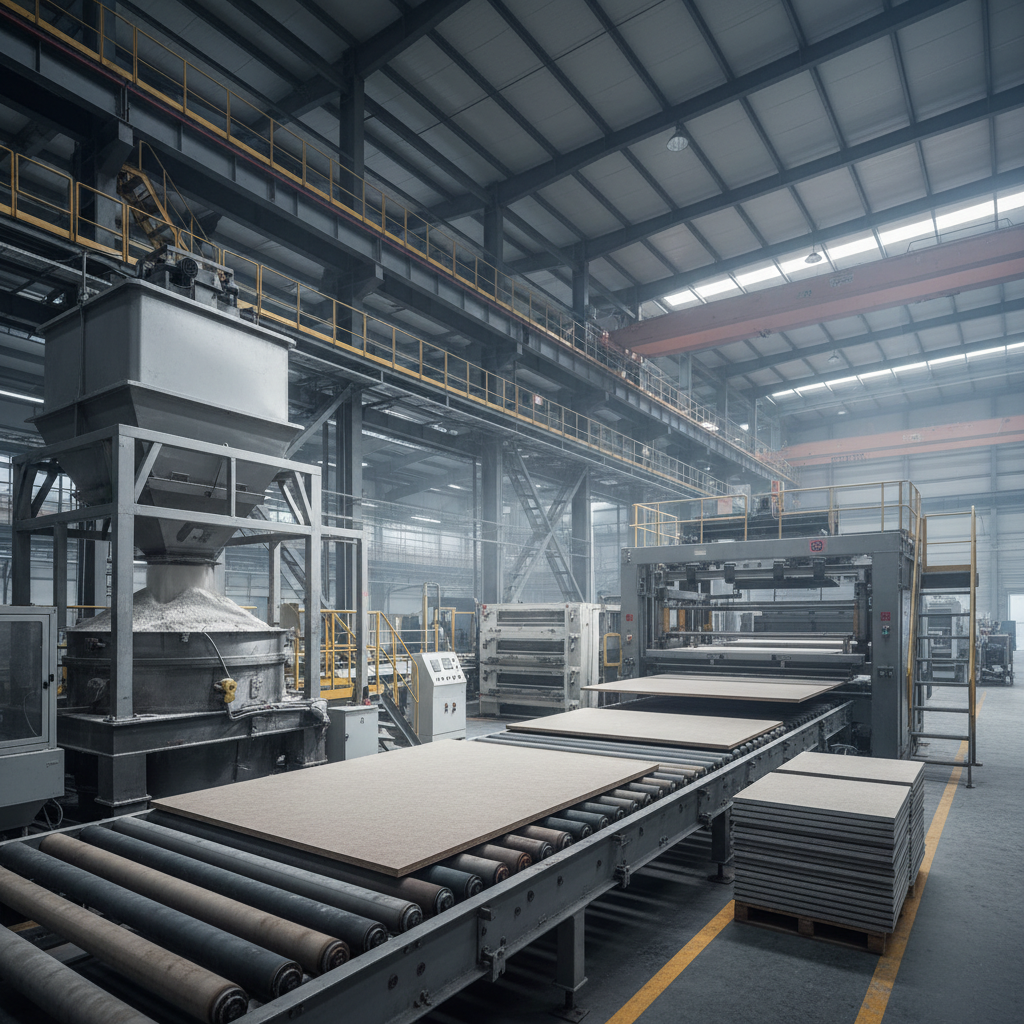
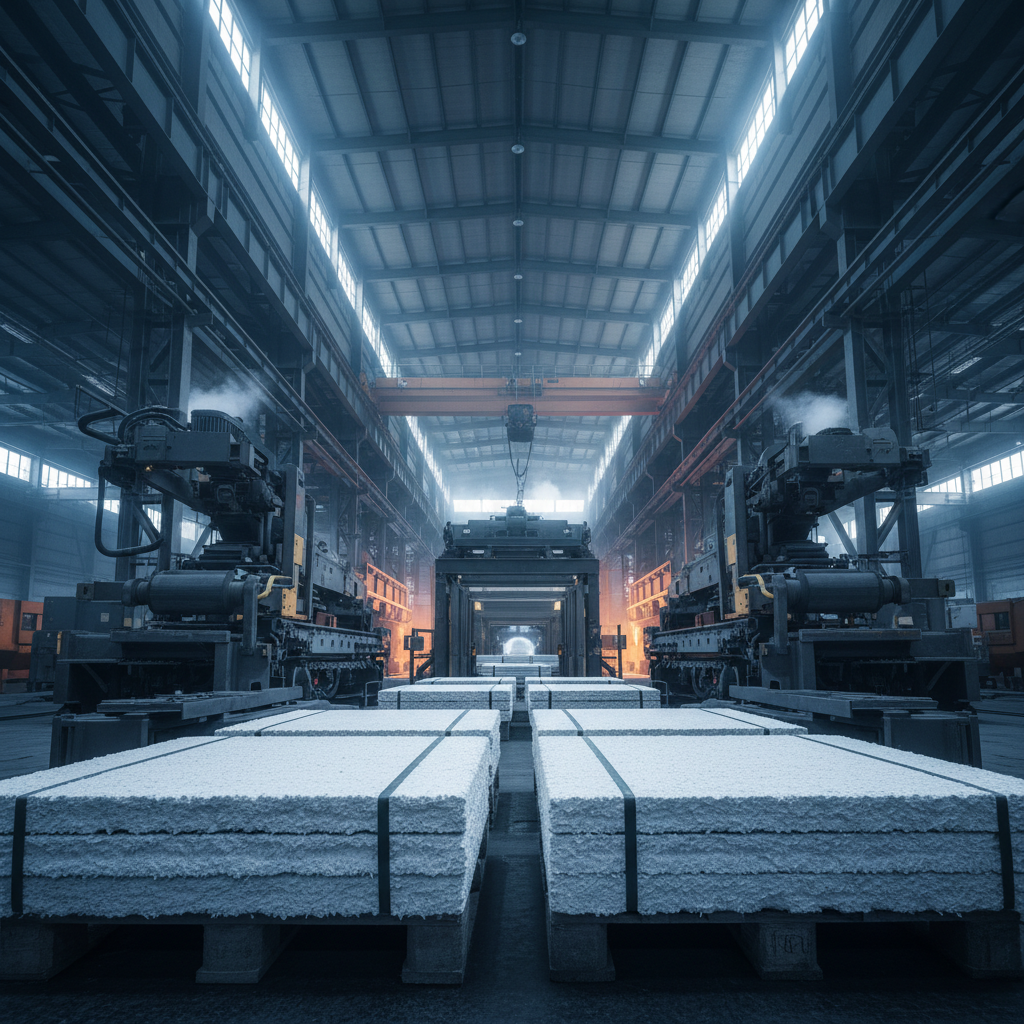
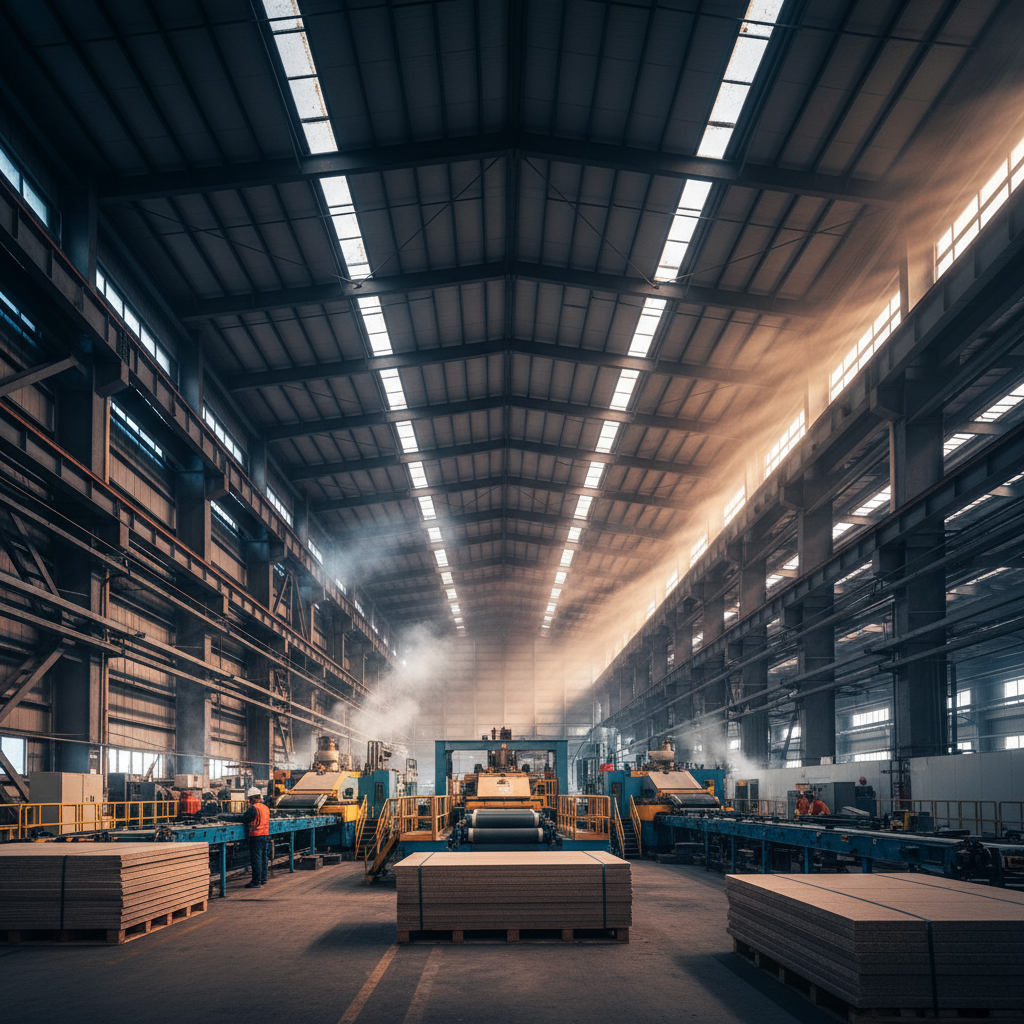
The manufacturing process itself is key. The raw materials are mixed, formed into panels, and then baked at high temperatures. This “baking” process hardens the tiles and gives them their final dimensions. The density and the specific mix of ingredients determine the tile’s properties – everything from its acoustic performance to its resistance to sagging.
Key Components and Their Roles
Let's break down the key ingredients. Mineral Wool (Slag or Rock Wool) is the backbone, providing thermal and acoustic insulation, and fire resistance. Different types of mineral wool have varying densities and fiber structures, affecting performance. Clay acts as a binder, holding everything together and enhancing fire-retardant properties. The type of clay used can impact the tile’s color and texture.
Recycled Content – paper, glass, or even other mineral fiber waste – is a growing component. This reduces the environmental impact and often lowers the cost. It's a win-win, but you need to be sure the recycled content doesn't compromise performance. Binders (starch, bio-based polymers, synthetic resins) hold the fibers together and impact the tile’s strength, sag resistance, and VOC emissions.
Finally, Additives are used for specific performance characteristics. These could include water repellents to improve moisture resistance, biocides to prevent mold growth, or pigments to adjust the tile’s color. The specific blend of these ingredients determines the final product's characteristics.
Global Applications and Use Cases
You see mineral fiber tiles everywhere. Commercial offices are the biggest market – they’re the workhorses for sound control and aesthetics. Schools and universities use them extensively for similar reasons, plus they need to meet strict fire safety codes. Hospitals and healthcare facilities prioritize acoustics and hygiene, making mineral fiber tiles a good fit, but often require special coatings for cleanability.
In Europe, the demand for sustainable building materials is driving increased use of mineral fiber tiles with high recycled content. In North America, we're seeing a push for tiles with improved moisture resistance, particularly in humid climates. Developing countries are experiencing rapid construction growth, and mineral fiber tiles offer a cost-effective solution for improving indoor environmental quality.
Performance Ratings of Different what are mineral fiber ceiling tiles made of
Advantages and Long-Term Value
The biggest advantage, hands down, is cost. Mineral fiber is generally more affordable than other ceiling tile options like gypsum or metal. But it's not just about the initial cost. The lifespan of a properly installed mineral fiber ceiling can be decades, minimizing long-term replacement costs. You get a solid return on investment.
Beyond cost, there’s the acoustic benefit. They’re excellent at absorbing sound, reducing noise levels and improving speech intelligibility. That’s crucial in open-plan offices, classrooms, and anywhere you need to minimize distractions. And let’s not forget fire safety. Mineral fiber is inherently non-combustible, providing a critical layer of protection in case of a fire.
Future Trends and Innovations
We’re seeing a lot of development around bio-based binders. Manufacturers are looking for ways to reduce the reliance on petroleum-based products and improve the sustainability of their materials. There’s also a push for tiles with enhanced moisture resistance – improved coatings and formulations are constantly being developed.
I think we'll also see more integration of smart technologies. Imagine tiles with built-in sensors that can monitor air quality, temperature, and humidity. That data could be used to optimize building performance and improve occupant comfort. It’s still early days, but the potential is there.
Challenges and Solutions
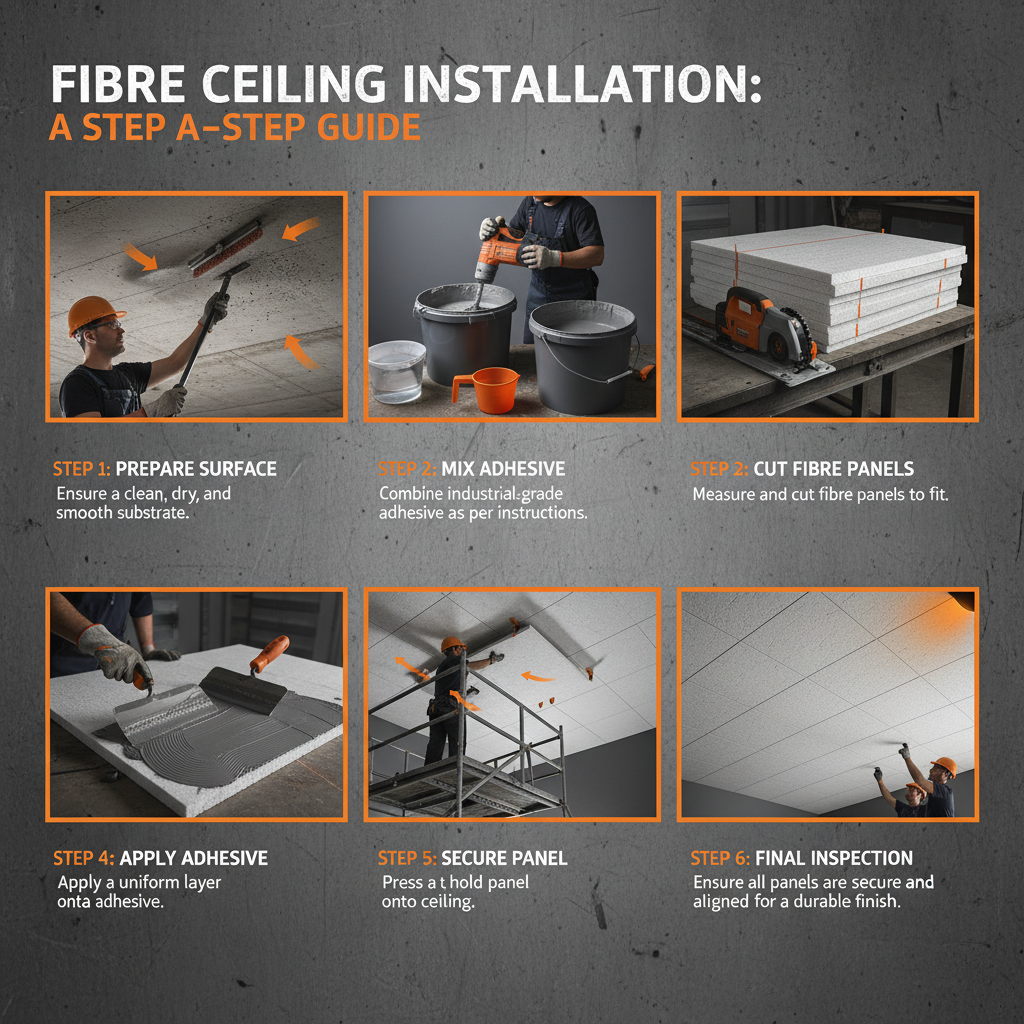
The biggest challenge with what are mineral fiber ceiling tiles made of is moisture sensitivity. Get water up there, and you're looking at sagging, mold growth, and ultimately, replacement. Proper installation – ensuring a dry substrate and adequate ventilation – is critical. Using moisture-resistant tiles in high-humidity environments is also key.
Another issue is sagging over time, particularly in areas with high loads or fluctuating temperatures. Choosing higher-density tiles and ensuring proper suspension system spacing can mitigate this. We’re also seeing some innovative suspension systems that provide more support and reduce the risk of sagging.
Finally, VOC emissions can be a concern with some older formulations. Look for tiles that are certified to meet low-VOC standards. Specifying the right tile for the application, coupled with proper installation and maintenance, is the key to long-term success.
Summary of Key Considerations for Mineral Fiber Ceiling Tile Selection
| Application Environment |
Moisture Resistance Level |
Acoustic Performance Needed |
Sustainability Requirements |
| Dry Office Space |
Standard |
Moderate (NRC 0.6-0.8) |
Minimal |
| High-Humidity Bathroom |
High |
Moderate (NRC 0.7-0.9) |
Moderate |
| Open Plan Office |
Standard |
High (NRC 0.8-1.0) |
High (Recycled Content) |
| Hospital Patient Room |
High |
Very High (NRC 0.9-1.0) |
High (Low VOC) |
| School Classroom |
Moderate |
High (NRC 0.8-1.0) |
Moderate (Durable & Washable) |
| Industrial Warehouse |
Standard |
Low (NRC 0.5-0.7) |
Minimal |
FAQS
Mineral fiber tiles generally offer superior sound absorption and fire resistance compared to fiberglass. Fiberglass is typically less expensive but can be more prone to sagging and may not perform as well in high-humidity environments. Mineral fiber also often incorporates recycled content, making it a more sustainable choice. Consider the specific needs of the space when making your selection.
Controlling moisture is key. Ensure the substrate is dry before installation and that there's adequate ventilation in the space. Consider using moisture-resistant tiles, especially in bathrooms or kitchens. Regular inspections can also help identify and address any potential leaks or condensation issues. Proper cleaning practices will also help.
NRC stands for Noise Reduction Coefficient. It’s a measure of how well a material absorbs sound. A higher NRC value means better sound absorption. For mineral fiber tiles, NRC is a critical factor in creating quieter, more comfortable spaces, especially in offices, classrooms, and healthcare facilities. Aim for an NRC of 0.7 or higher for optimal performance.
Many mineral fiber tiles contain a significant amount of recycled content, reducing the demand for virgin materials. They are also generally recyclable at the end of their lifespan. Look for tiles that are certified by organizations like GREENGUARD or UL to ensure low VOC emissions and sustainable manufacturing practices.
Higher density tiles generally offer better sound absorption and sag resistance, but they also tend to be heavier and more expensive. For most standard applications, a medium-density tile will suffice. For areas with high humidity or heavy loads, consider a higher-density option. Consult with a ceiling tile specialist for guidance.
With proper installation and maintenance, a mineral fiber ceiling tile can last 20-30 years or even longer. However, factors like humidity, temperature fluctuations, and physical damage can shorten its lifespan. Regular inspections and prompt repairs can help maximize its longevity.
Conclusion
So, what are mineral fiber ceiling tiles made of? It’s more than just a simple answer. It’s a complex blend of materials designed for specific performance characteristics. Understanding the composition – the mineral wool, clay, binders, and additives – is crucial for selecting the right tile for the job, ensuring long-term durability, and creating a comfortable and safe indoor environment. Knowing your materials is always the first step to a successful project.
The future of mineral fiber tiles lies in continued innovation around sustainability, moisture resistance, and performance. As building codes become more stringent and demands for healthier indoor spaces increase, these tiles will continue to play a vital role in modern construction. For more information and to explore our range of high-quality mineral fiber ceiling tiles, visit our website: what are mineral fiber ceiling tiles made of.