Mineral fiber ceiling tiles – you see ‘em everywhere, right? Offices, schools, hospitals. But they’re more than just what hides the stuff above. I’ve spent years walking construction sites, sweating with the crews, and frankly, a good ceiling can make or break a project. It’s not just about aesthetics; it’s about getting the acoustics right, fire safety, and keeping costs in check. A lot of people don’t realize how much goes into those unassuming panels. It’s a solid, reliable choice, and in a world of constantly changing building materials, that counts for a lot.
I've seen too many projects delayed because someone skimped on the ceiling. It’s often an afterthought, but it impacts everything from productivity in an office to patient comfort in a hospital. Proper installation and the right tile selection—that’s where experienced contractors and suppliers, like mineral fiber ceiling specialists, really earn their keep. They understand the codes, the performance specs, and how to make it all work seamlessly with the other building systems.
And let’s be real, budgets are always tight. The demands on projects have been rising but the funds aren't always available to back them up, so a material that offers a balance of performance and cost-effectiveness is a lifesaver. Mineral fiber consistently delivers on that front.
The Foundations of Mineral Fiber Ceiling
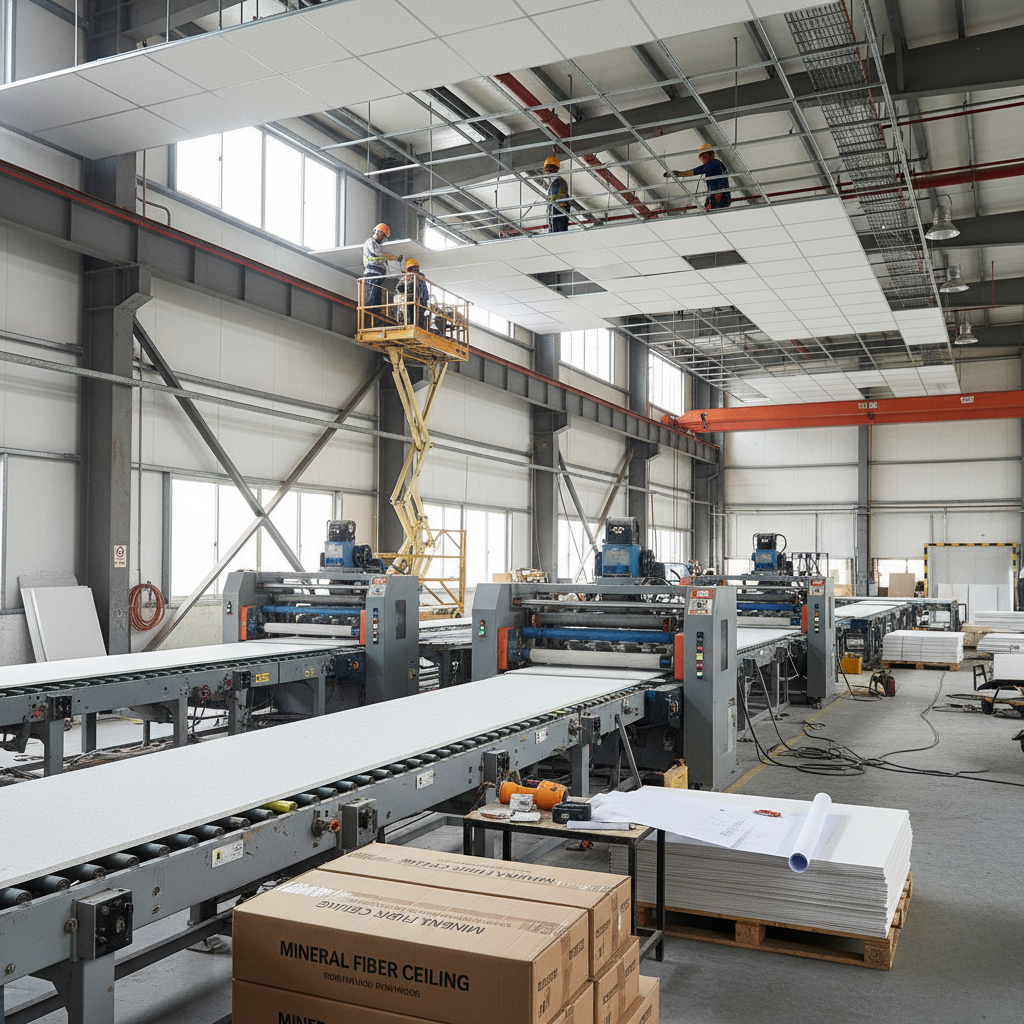
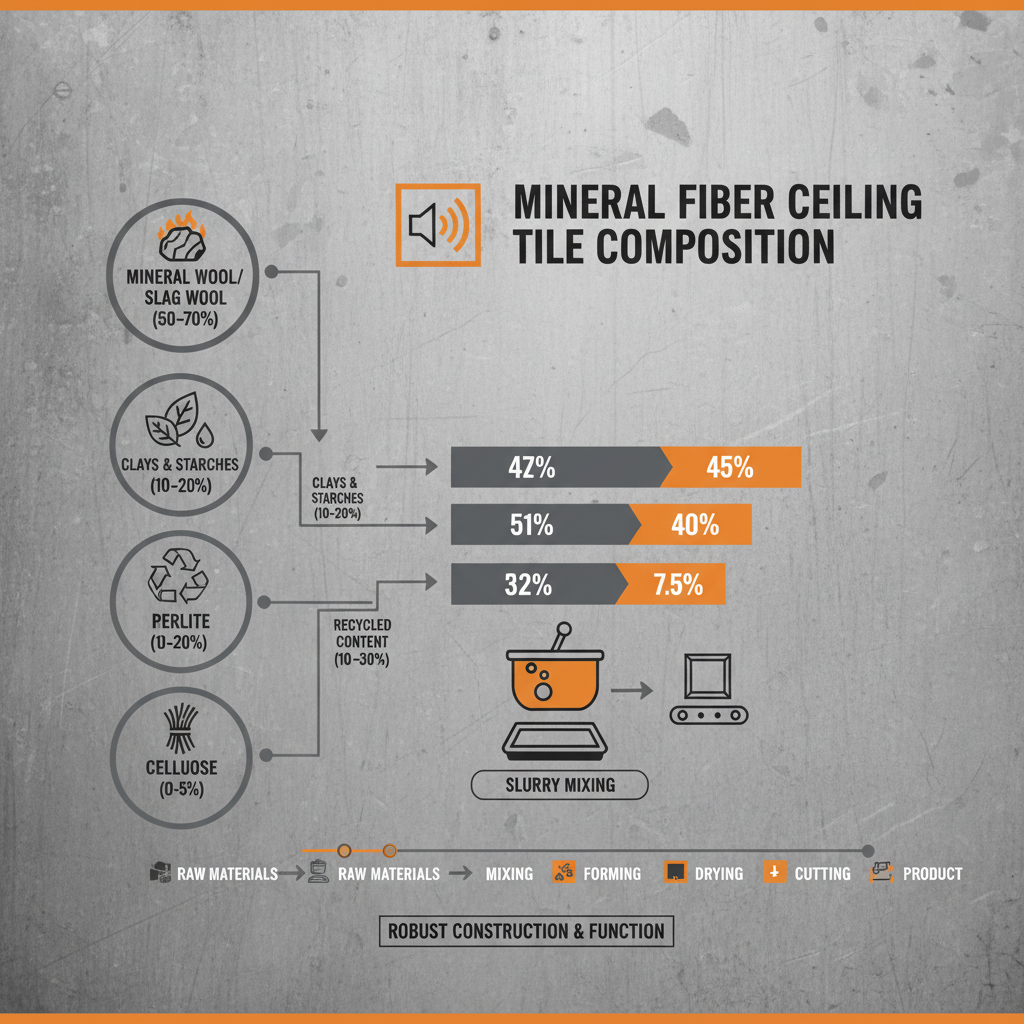
Mineral fiber ceiling tiles aren’t new. They’ve been around for decades, evolving with building codes and performance demands. The core is made from a blend of mineral wool, clay, and other recycled materials – often slag from steel mills. It's a sustainable play, using waste products. But what really sets them apart is their inherent ability to absorb sound. Walk into a busy office without a good ceiling, and you're bombarded with noise. It's draining. A mineral fiber ceiling really cuts down on that.
You’ll find them specified in everything from schools – where reducing noise is vital for learning – to hospitals, where creating a calming environment is critical for patient recovery. It’s about creating functional spaces. We’re seeing more demand for high-NRC (Noise Reduction Coefficient) tiles in open-plan offices, a direct result of the push for better employee wellbeing.
Global Demand and Industry Context
The construction industry is a massive global force, and ceiling systems are a significant part of that. According to reports from the UN and industry associations like ISO, sustainable building practices are no longer a niche trend, they’re a necessity. And that drives demand for materials like mineral fiber. The growth in commercial construction, particularly in emerging economies, means there’s a constant need for cost-effective, high-performance ceiling solutions.
One of the biggest challenges we face right now is supply chain disruptions. We’ve seen prices fluctuate wildly in recent years. That's where having strong relationships with manufacturers, like mineral fiber ceiling providers, is crucial. They can navigate those challenges and ensure projects stay on schedule.
The push for better indoor air quality is another factor. Mineral fiber tiles are naturally resistant to mold and mildew growth, a big plus in today’s buildings. It's a health concern, and something building owners are starting to take seriously.
Defining Mineral Fiber Ceiling: A Practical View
Simply put, a mineral fiber ceiling is a suspended ceiling system composed of panels made from mineral wool, clay, and a binding agent. These panels are designed to be lightweight, easy to install, and provide a range of benefits, including acoustic control, fire resistance, and thermal insulation. But it’s more than just the material; it’s how the whole system is put together – the grid, the hangers, the tiles themselves.
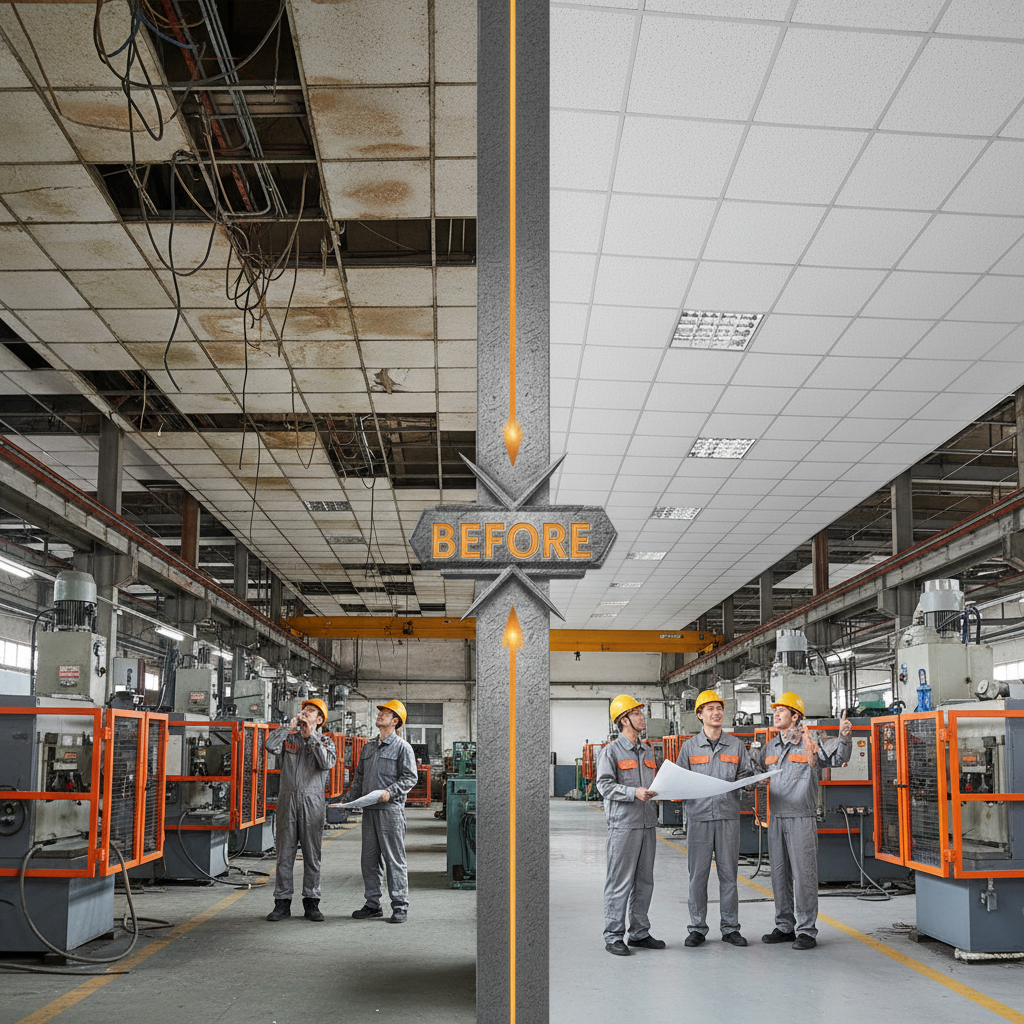
Think of it like this: you can have the best tile in the world, but if it’s not installed correctly, it won’t perform. A lot of contractors cut corners, and that's where problems start. We emphasize proper training and adherence to manufacturer’s specifications. It's not just about getting the job done quickly; it’s about getting it done right. These are building systems that should last decades.
This ties directly into modern building standards and humanitarian needs. For example, a school needs a durable, acoustically sound ceiling to create a conducive learning environment. A hospital requires a system that can withstand regular cleaning and disinfection. Mineral fiber delivers on both fronts.
Key Performance Indicators of Mineral Fiber Ceiling
When I’m evaluating ceiling systems, I’m looking at a few key things. First, Acoustic Performance – NRC is king. Higher NRC means better sound absorption. Then there’s Fire Resistance – you need a system that meets local building codes and provides adequate fire protection. Third, Sag Resistance – especially in humid environments. You don’t want a ceiling that starts to droop over time.
Moisture Resistance is also critical, particularly in bathrooms or kitchens. And finally, Cost-Effectiveness – you have to balance performance with budget. It's a tightrope walk.
Mineral Fiber Ceiling Performance Metrics
Real-World Applications and Use Cases
You see mineral fiber ceilings everywhere. Schools need them to reduce classroom noise and improve concentration. Hospitals benefit from their ability to create a calm and therapeutic environment. Office buildings rely on them for sound absorption and aesthetic appeal. Even recording studios use them for their excellent acoustic properties. It’s a truly versatile material.
In post-disaster relief operations, quick installation is crucial. Mineral fiber tiles can be installed rapidly, providing a safe and comfortable environment for those affected. We've seen them used extensively in temporary shelters and field hospitals.
The Long-Term Value Proposition
It’s not just about the initial cost. It’s about the total cost of ownership. Mineral fiber ceilings require minimal maintenance, and their durability means they’ll last for decades. That saves money in the long run. Plus, their sustainable composition and recyclability contribute to a greener building.
Beyond the financial benefits, there’s the impact on people’s wellbeing. A quiet, comfortable environment boosts productivity, reduces stress, and improves overall quality of life. It’s about creating spaces where people can thrive. That’s something you can’t put a price on.
Innovations and Future Trends in Mineral Fiber Ceiling
We’re seeing advancements in mineral fiber technology all the time. Manufacturers are developing tiles with even higher NRC ratings, improved moisture resistance, and enhanced aesthetic options. There’s a lot of work going into creating bio-based binders, further reducing the environmental impact.
Integration with smart building systems is also a growing trend. Some manufacturers are incorporating sensors into the tiles to monitor air quality, temperature, and humidity. This data can be used to optimize building performance and create a healthier indoor environment. mineral fiber ceiling are definitely looking into that.
Digital printing techniques are allowing for greater customization and design flexibility. You can now get mineral fiber tiles with intricate patterns and graphics, opening up new possibilities for architects and designers.
Assessment of Common Challenges and Improvement Opportunities for Mineral Fiber Ceiling
| Challenge Area |
Current Performance (1-10) |
Potential Improvement Strategy |
Expected Performance (1-10) |
| Installation Complexity |
6 |
Develop standardized installation guides and training programs for contractors. |
8 |
| Initial Cost |
7 |
Optimize manufacturing processes and explore alternative materials to reduce production costs. |
8 |
| Moisture Sensitivity |
5 |
Incorporate advanced hydrophobic coatings to enhance water resistance. |
9 |
| Aesthetic Versatility |
6 |
Expand design options through digital printing and textured surfaces. |
8 |
| Recyclability |
7 |
Establish closed-loop recycling programs to recover and reuse mineral fiber materials. |
9 |
| Fire Resistance |
8 |
Further improve fire-retardant properties through advanced chemical treatments. |
9 |
FAQS
While both offer acoustic and fire-resistant properties, mineral fiber generally performs better in those areas. Mineral fiber is denser, leading to higher sound absorption. It's also more moisture resistant than fiberglass. Fiberglass is often cheaper upfront, but mineral fiber’s durability can make it a better long-term investment.
Mineral fiber ceilings can contribute to several LEED credits. Their recycled content helps with Materials and Resources credits. Their acoustic performance supports Indoor Environmental Quality credits. And their low VOC emissions contribute to a healthier indoor environment. Choosing a manufacturer committed to sustainability is key.
With proper installation and maintenance, a mineral fiber ceiling can easily last 20-30 years. Avoiding excessive moisture and handling the tiles carefully during installation are crucial. Regular cleaning will also help maintain their appearance and performance over time.
While mineral fiber offers better moisture resistance than some other ceiling materials, it's not ideal for direct exposure to high humidity. In bathrooms, you'd want to choose a tile specifically designed for wet environments or ensure proper ventilation to minimize moisture buildup.
NRC stands for Noise Reduction Coefficient. It's a measure of how well a material absorbs sound. A higher NRC rating means better sound absorption. For mineral fiber ceilings, a higher NRC is critical for creating quieter, more productive spaces. Look for tiles with an NRC of 0.70 or higher for optimal performance.
Proper installation is everything. Tiles need to be securely fastened to the grid and the grid needs to be level and properly supported. Gaps between tiles or a sagging grid will significantly reduce acoustic performance and potentially compromise fire resistance. Always follow the manufacturer’s instructions and use qualified installers.
Conclusion
Mineral fiber ceilings remain a cornerstone of modern building design for good reason. They offer a powerful combination of performance, cost-effectiveness, and sustainability. From schools and hospitals to offices and commercial spaces, they play a vital role in creating functional, comfortable, and safe environments. It's a tried-and-true material that continues to evolve to meet the changing demands of the construction industry.
Looking ahead, we’ll see continued innovation in mineral fiber technology, with a focus on enhanced performance, increased recyclability, and seamless integration with smart building systems. For architects, contractors, and building owners, understanding the benefits of mineral fiber ceilings is essential for making informed decisions and creating buildings that stand the test of time. Visit our website to explore our range of mineral fiber ceiling solutions.