Look, I've spent the last fifteen years breathing dust on construction sites, wrestling with budgets, and frankly, seeing what works and what doesn’t. And let me tell you, when it comes to ceilings, you need something reliable. Something that can handle a bit of abuse, won’t break the bank, and, crucially, won’t shed nasty fibers all over the place. That's where mineral fiber ceiling board comes in. It’s not glamorous, but it’s the workhorse of commercial construction, and increasingly, residential too. We’re talking about a material that’s quietly shaping the spaces we live and work in, and frankly, getting it right is a big deal. mineral fiber ceiling board is about solving problems, not just covering ceilings.
Globally, the demand for sustainable and cost-effective building materials is soaring. The United Nations Environment Programme (UNEP) emphasizes the need for resource-efficient construction, and the building sector is a major contributor to global carbon emissions. That puts pressure on us to find smarter solutions. Mineral fiber ceiling board hits that sweet spot – it's often made with recycled content, it’s relatively inexpensive, and it offers decent acoustic performance. It's used everywhere, from schools and hospitals to offices and retail spaces, and the demand continues to grow as building codes become stricter and budgets tighter.
I've seen too many projects derailed by materials that just can’t hold up. Mineral fiber ceiling board isn’t a magic bullet, but it's a solid, dependable choice that takes the headache out of a lot of installations. It's the kind of product that lets us focus on the bigger picture: getting the job done right, on time, and within budget.
The Global Relevance of mineral fiber ceiling board
I've been on projects in Europe, Asia, and right here in North America, and one thing’s consistent: the need for affordable, fire-resistant ceiling solutions. Mineral fiber ceiling board ticks those boxes. The global construction market is estimated to reach over $15 trillion by 2030 (Source: McKinsey), and a significant portion of that will be spent on interior finishes. Regulations surrounding indoor air quality are also getting stricter worldwide, driving demand for low-VOC materials like many mineral fiber options.
The challenge is balancing cost with performance. Clients want something that looks good and meets code, but they're also watching every penny. Mineral fiber gives you a lot of bang for your buck. It’s not about fancy aesthetics; it’s about providing a safe, functional, and reasonably priced ceiling system. That's why it's so prevalent.
Defining Mineral Fiber Ceiling Board
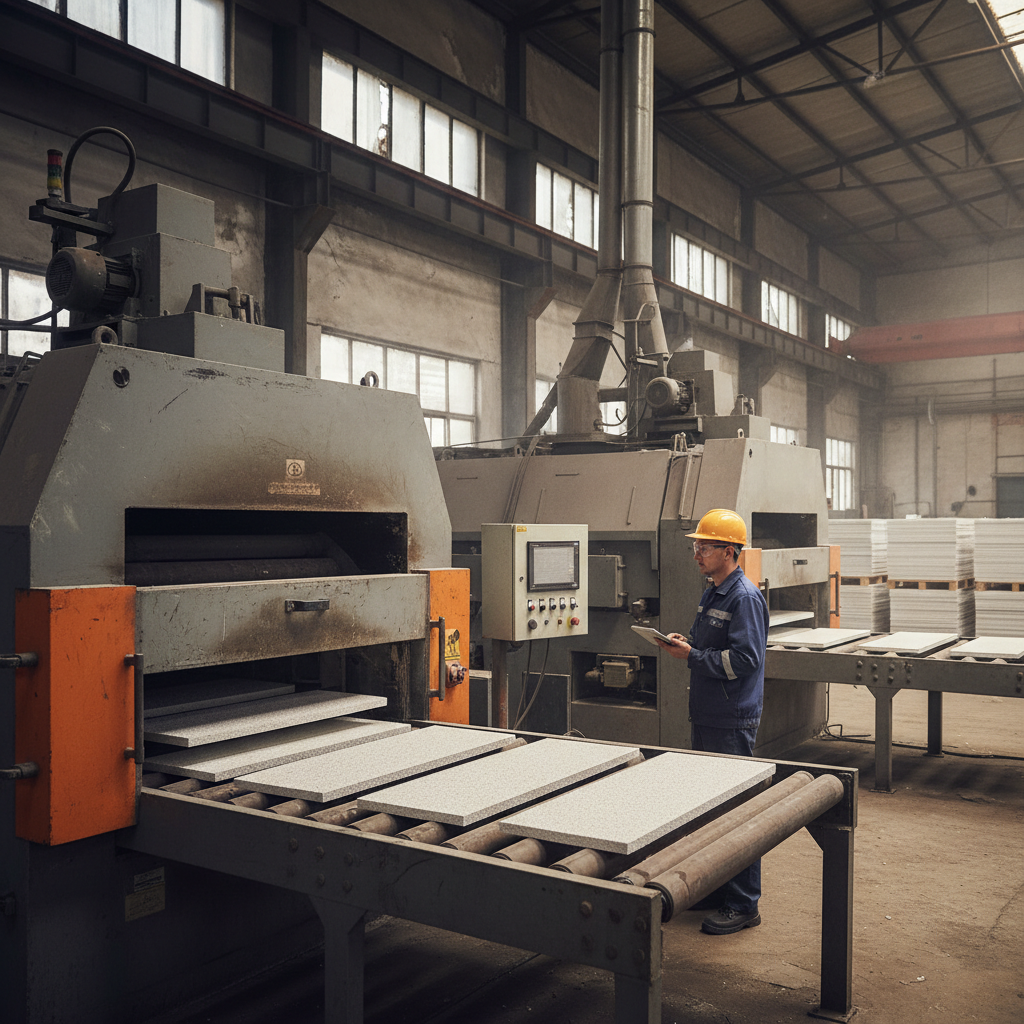
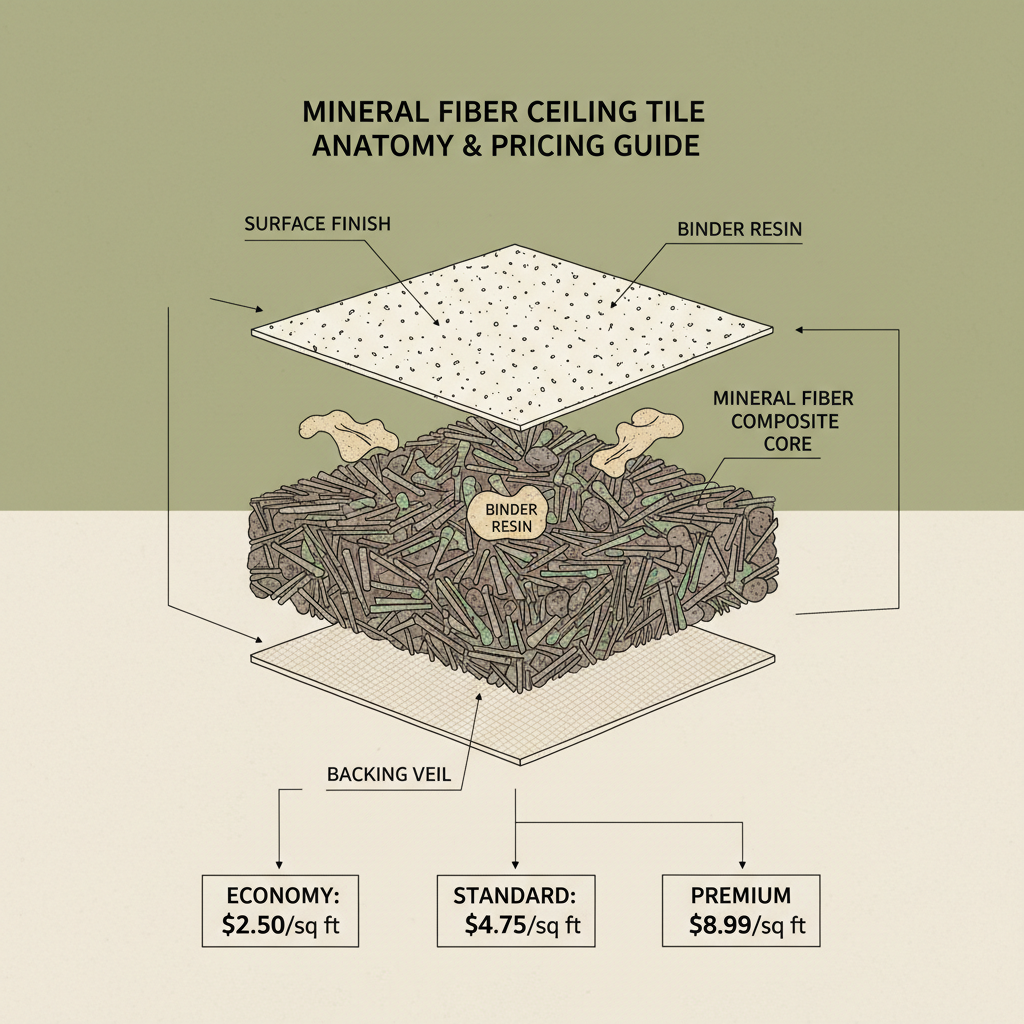
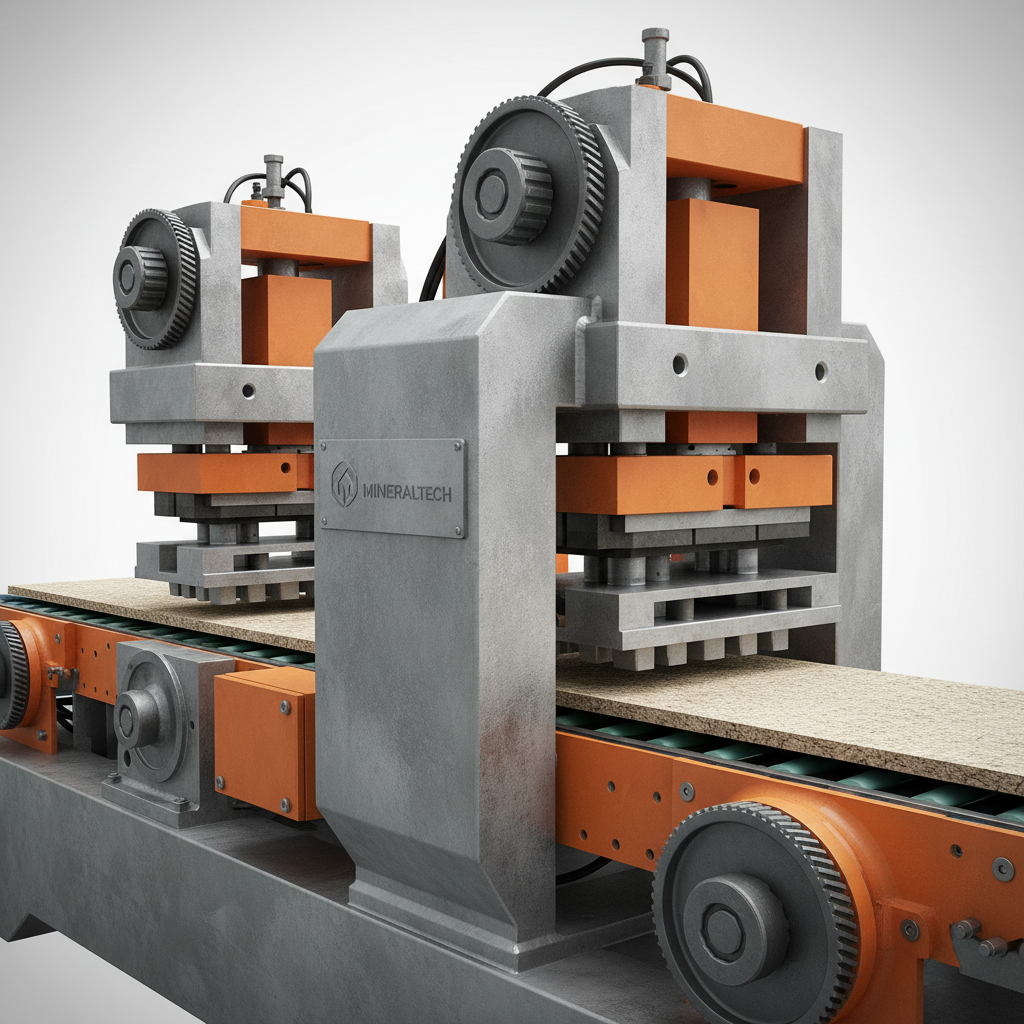
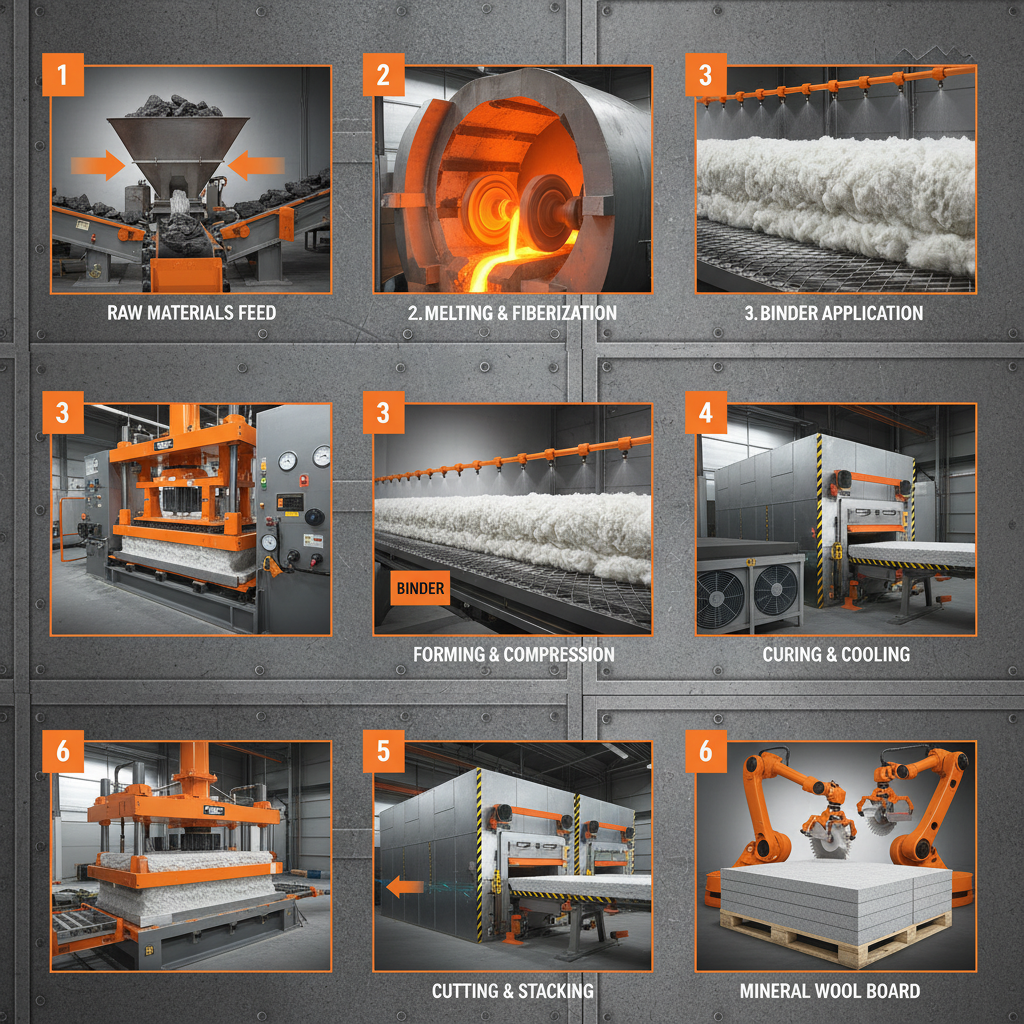
Simply put, mineral fiber ceiling board is made from a combination of mineral wool (typically slag wool, rock wool, or glass wool), clay, and a binder. It’s formed into boards of various sizes and thicknesses, then often faced with a painted or vinyl surface. It's a relatively lightweight material, which makes installation easier and reduces structural load. It’s not the prettiest thing in the world when you’re handling the raw boards, but the finished product does the job.
Now, why does it matter? Well, it directly addresses some critical needs in modern construction. The materials have inherent fire-resistant properties, which is huge for safety. They also offer decent acoustic performance, helping to reduce noise levels in offices and other public spaces. And, importantly, many manufacturers are now incorporating recycled content, aligning with sustainability goals. It's a practical solution that responds to real-world demands.
It’s a far cry from the asbestos tiles we used to deal with. Seriously, that stuff was a nightmare. Mineral fiber is a much safer and more environmentally responsible option, and that's a big win for everyone involved.
Core Components and Key Factors
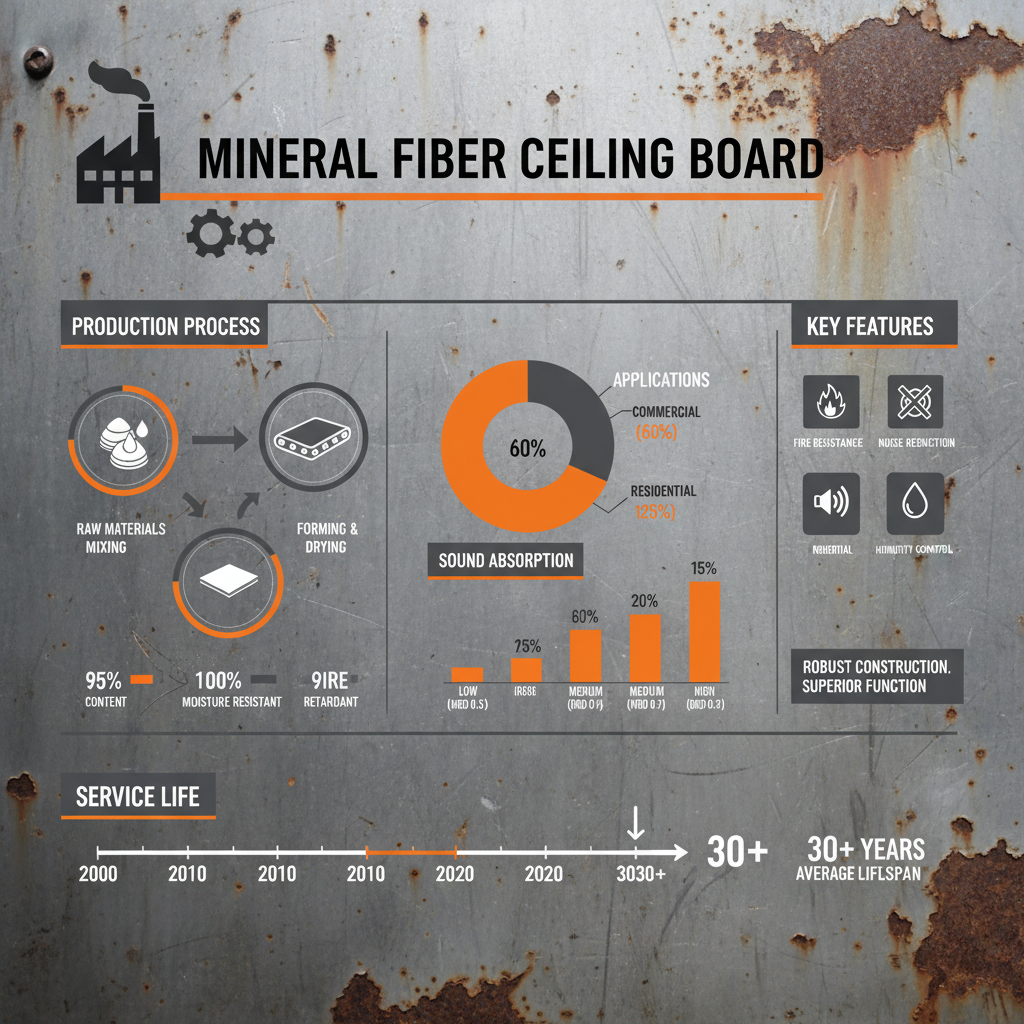
Let’s talk about what makes these boards tick. First, there's the mineral wool – that’s your primary fire resistance component. Then you’ve got the clay, which acts as a binder and contributes to the board’s density and structural integrity. The facing material – typically paint or vinyl – protects the mineral wool and provides the finished aesthetic. And then you’ve got the size and thickness, which determine its sound absorption capabilities and overall performance.
Durability is a big one. These boards aren’t going to crumble after a minor impact. They’re designed to withstand the daily wear and tear of a commercial environment. Cost-effectiveness is another key factor. You can cover a large area with mineral fiber without emptying the budget. Acoustic performance is crucial, especially in open-plan offices or schools. The right thickness and density can significantly reduce noise levels. Fire resistance, as I mentioned, is non-negotiable.
Finally, you have sustainability. More and more manufacturers are using recycled materials in their mineral fiber boards, reducing their environmental impact. That’s something clients are actively looking for these days, and it’s good to be able to deliver.
Global Applications and Use Cases
You’ll find mineral fiber ceiling board in just about every type of building imaginable. Hospitals, because of the need for hygiene and fire safety, are big users. Schools, for sound absorption and durability. Offices, for a clean and professional look. Retail spaces, where cost is a major consideration. I've even seen it used in industrial facilities where a robust and fire-resistant ceiling is essential.
In post-disaster relief operations, quick and easy installation is critical, and mineral fiber ceiling board can be a lifesaver. In remote industrial zones, where transportation costs are high, its lightweight nature makes it a practical choice. We’ve used it extensively in renovation projects, as it can be easily installed over existing ceilings.
What’s interesting is seeing its adoption in residential construction. Homeowners are increasingly demanding better soundproofing and fire protection, and mineral fiber is becoming a viable option, especially for basement finishing or home theaters.
Mineral Fiber Ceiling Board Performance Comparison
Advantages and Long-Term Value
Let’s be real: this isn’t about luxury. It’s about practicality. The cost savings are significant, especially on large projects. And the long-term value comes from its durability and low maintenance. You’re not going to be replacing these ceilings every few years.
Beyond the tangible benefits, there’s the peace of mind. Knowing you’ve installed a fire-resistant ceiling that’s going to protect occupants is a huge plus. It's about creating safe and comfortable spaces, and that translates to increased productivity and well-being. It's not just about checking a box on a code inspection; it’s about doing the right thing.
Future Trends and Innovations
We’re seeing a push towards more sustainable materials, and mineral fiber manufacturers are responding. There's a lot of research going into using even higher percentages of recycled content and developing bio-based binders. Another trend is integrating smart technology – things like sensors for air quality monitoring or automated lighting control – directly into the ceiling system.
Digital fabrication is also playing a role, allowing for more complex and customized ceiling designs. We're moving beyond the standard square tiles and into more organic shapes and integrated lighting solutions. The future of mineral fiber ceiling board is about combining functionality with innovation.
Challenges and Solutions
One of the biggest challenges is maintaining consistent quality across different manufacturers. You want to make sure you're getting a product that meets the specified fire rating and acoustic performance. Proper installation is also crucial. If the boards aren’t installed correctly, you won’t get the full benefits.
Another issue is dust. Cutting mineral fiber boards can create a lot of dust, so proper ventilation and personal protective equipment are essential. The solution? Work with reputable suppliers who have rigorous quality control processes and provide clear installation guidelines. Invest in the right tools and train your crews properly.
The biggest challenge is always overcoming the perception that mineral fiber is just a "budget" option. It’s more than that. It’s a reliable, versatile, and increasingly sustainable solution that deserves a closer look.
Summary of Challenges and Solutions for Mineral Fiber Ceiling Board Applications
| Challenge |
Impact on Project |
Proposed Solution |
Implementation Cost (1-10) |
| Inconsistent Product Quality |
Compromised Fire Resistance, Acoustic Performance |
Partner with Reputable Manufacturers, Conduct Material Testing |
7 |
| Improper Installation Techniques |
Reduced Performance, Potential Safety Hazards |
Comprehensive Crew Training, Adherence to Guidelines |
6 |
| Dust Generation During Cutting |
Health Concerns, Site Contamination |
Implement Dust Control Measures, Use PPE |
4 |
| Perception as a "Budget" Material |
Undervalued in Design, Limited Adoption |
Highlight Long-Term Value, Showcase Sustainability Benefits |
5 |
| Limited Aesthetic Options |
Design Constraints, Lack of Customization |
Explore Textured Finishes, Integrate Lighting |
3 |
| Moisture Sensitivity |
Potential for Mold Growth, Structural Damage |
Ensure Proper Ventilation, Utilize Moisture-Resistant Coatings |
8 |
FAQS
Most mineral fiber ceiling boards achieve a Class A fire rating, meaning they can withstand exposure to high temperatures for extended periods without significant flame spread. Specific ratings vary based on board thickness and composition, but they generally meet or exceed stringent building code requirements for fire safety. It’s crucial to verify the specific fire rating documented in the manufacturer's data sheet before installation. These tests adhere to standards like ASTM E84, and are incredibly important for safety.
While gypsum board offers some sound absorption, mineral fiber generally outperforms it, especially at lower frequencies. Mineral fiber’s porous structure effectively absorbs sound waves, reducing noise levels in a space. The sound absorption coefficient (NRC) of mineral fiber boards can range from 0.60 to 0.75 or higher, depending on the thickness and density. Gypsum board typically has an NRC of around 0.20 to 0.30. If sound control is a priority, mineral fiber is the better choice.
Many mineral fiber ceiling boards incorporate recycled content – often slag wool from steel mills or recycled glass. This reduces the demand for virgin materials and minimizes landfill waste. Additionally, some manufacturers are using bio-based binders, further reducing the environmental impact. Look for products with certifications like Cradle to Cradle or Greenguard to ensure they meet stringent sustainability standards. We’re seeing a real shift towards greener options.
Cutting mineral fiber board inevitably creates dust, but you can minimize it with the right techniques. Use a sharp utility knife with a fresh blade, and score the board multiple times before snapping it. Work in a well-ventilated area, and wear a dust mask and safety glasses. A specialized mineral fiber cutting tool can also help reduce dust. Vacuum up any residual dust immediately after cutting, don't just sweep it.
Installation is relatively straightforward, making it popular with contractors. You’ll need a utility knife, a T-square, a measuring tape, a level, and a hammer or screw gun. The boards are typically installed using a suspended grid system. Proper alignment is key to achieving a professional look. I'd always recommend reviewing the manufacturer's installation guide before starting, and ensuring your crew is properly trained.
With proper installation and maintenance, a mineral fiber ceiling board installation can last for 20 years or more. Regular cleaning to remove dust and dirt will help prolong its lifespan. Avoid exposing the boards to excessive moisture, as this can lead to sagging or mold growth. The lifespan can also depend on the quality of the boards and the environmental conditions of the building. It’s a long-term investment, truly.
Conclusion
Mineral fiber ceiling board isn’t the flashiest building material, but it's a workhorse that delivers on its promises. It offers a winning combination of cost-effectiveness, fire resistance, acoustic performance, and increasing sustainability. It's a practical solution that addresses real-world challenges, making it a staple in commercial and residential construction.
Looking ahead, I expect to see even more innovation in this space, with a greater focus on recycled content, smart technology integration, and design flexibility. If you're looking for a reliable, dependable ceiling solution that won’t break the bank, mineral fiber ceiling board is definitely worth considering. Visit our website: www.xingyuanceilings.com to learn more.