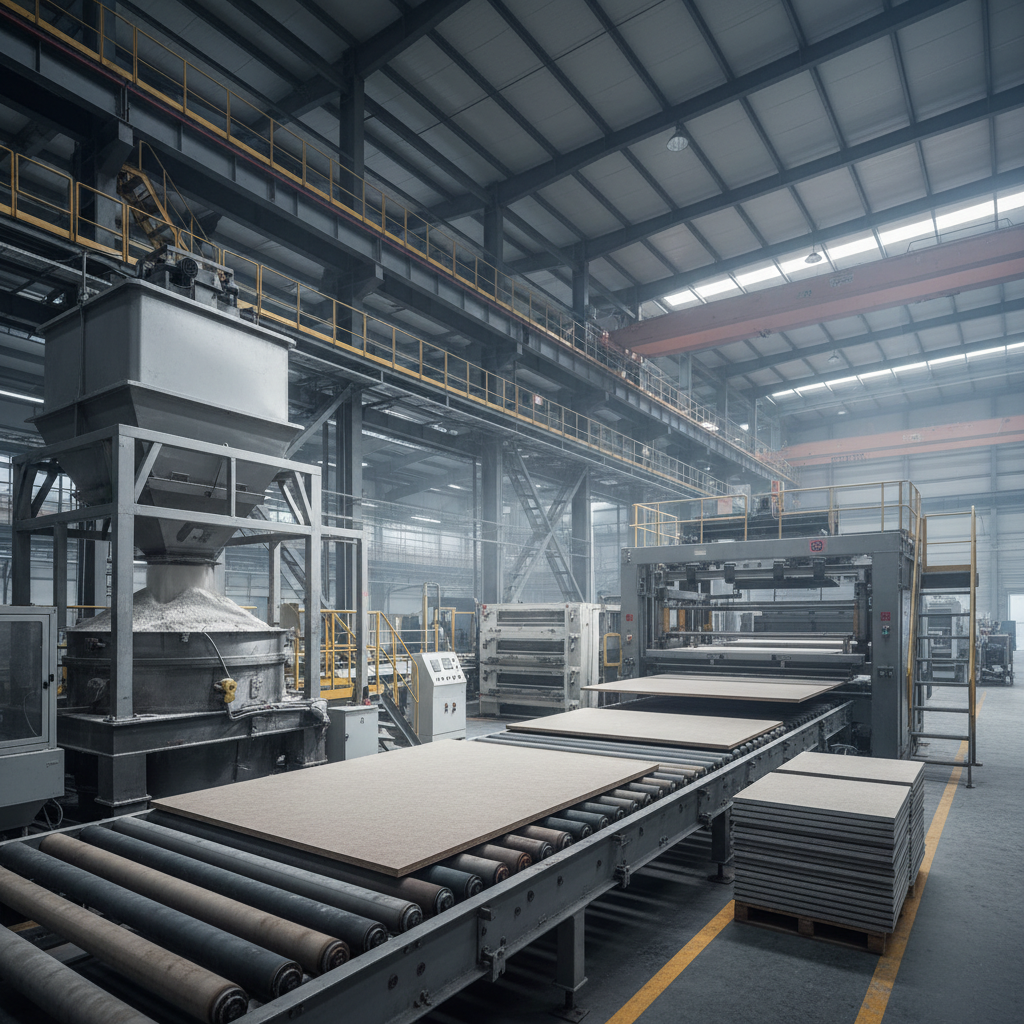
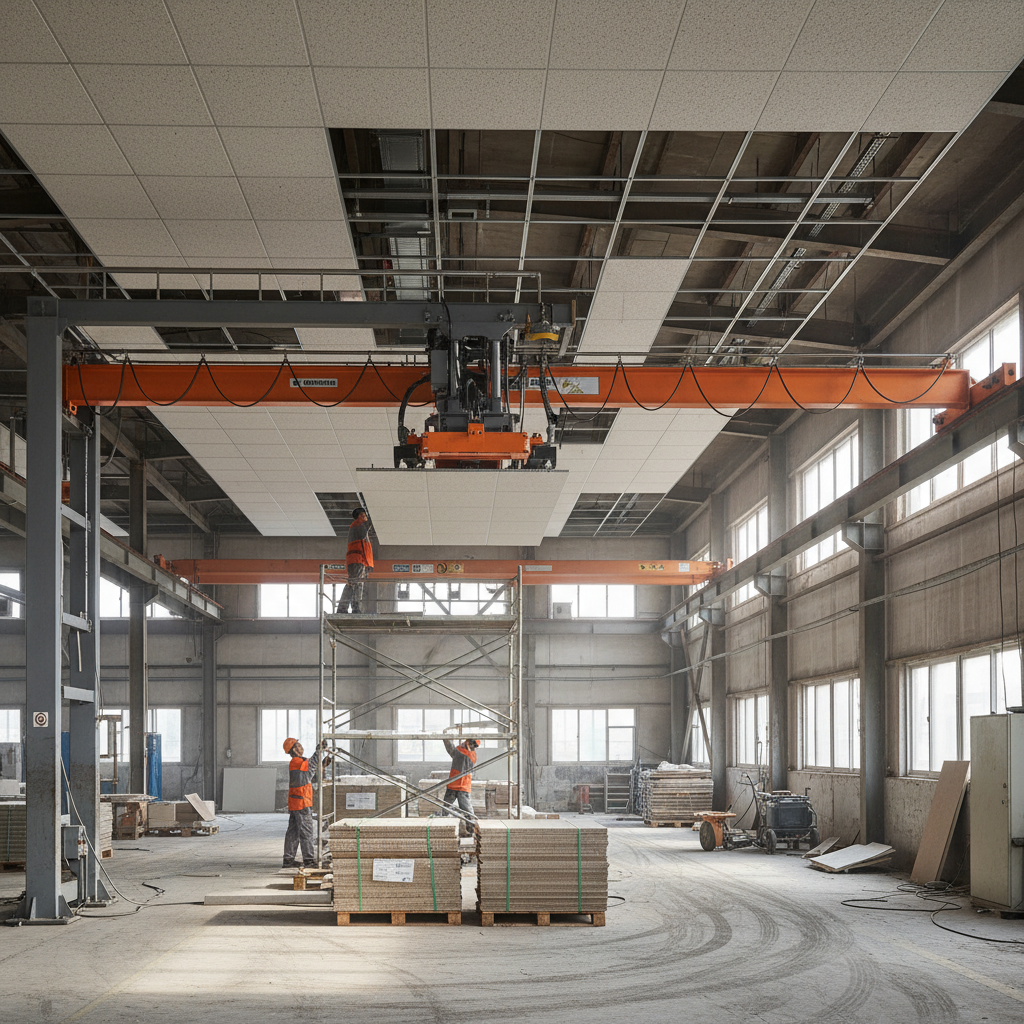
Let's talk mineral fiber ceiling tile. I spend my days walking job sites, breathing dust, talking to the guys doing the installs, and frankly, seeing what actually works. And one thing consistently stands out: mineral fiber is a workhorse. It's not the flashiest material, no one's writing songs about it, but it consistently delivers on the core needs of any project - performance, cost, and ease of install. It’s the reliable solution builders come back to time and time again, and for good reason. It’s not just about aesthetics; it’s about a system that functions well and lasts.
The construction world is full of hype, new materials promising the moon. But at the end of the day, project managers, GCs, and owners are looking for solutions that are proven, readily available, and fit the budget. Mineral fiber checks all those boxes. I’ve seen it in everything from schools and hospitals to offices and retail spaces – it’s incredibly versatile. We're not talking about a luxury item; we’re talking about a fundamental building component that impacts acoustics, fire safety, and overall interior environment.
A lot of times, folks underestimate the impact of a ceiling. It’s not just what you see; it's what's above you. A good ceiling system—and that includes the tile—controls noise, provides a critical fire barrier, and can even contribute to energy efficiency. Mineral fiber offers a sweet spot in balancing these needs without breaking the bank. I've seen projects drastically improve their performance just by upgrading their ceiling system, and mineral fiber is often the smart choice.
Understanding Mineral Fiber Ceiling Tile
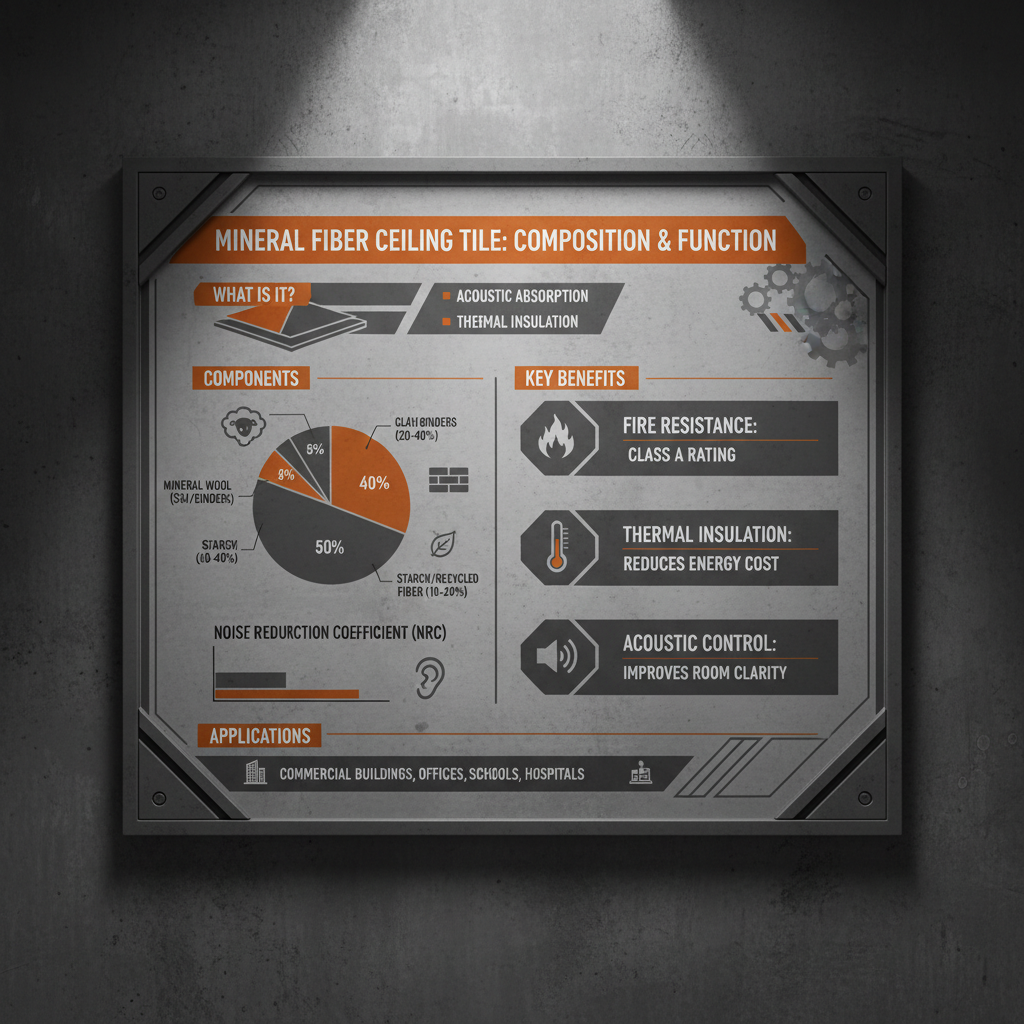
Mineral fiber ceiling tile isn't some newfangled invention. It's been a staple in commercial and institutional buildings for decades, and for good reason. It's made from a combination of mineral wool (often slag wool, rock wool, or glass wool), clay, and other binders. What you end up with is a durable, cost-effective, and surprisingly versatile product. You’ll find it in nearly every type of commercial building—offices, schools, hospitals, retail—it’s a truly ubiquitous material.
The key to understanding why it's so popular lies in its balance of properties. It’s not the cheapest option, nor is it the most glamorous, but it hits a sweet spot between performance and price. I've seen plenty of projects where a higher-end material was initially considered, but after value engineering, mineral fiber consistently came out on top. It’s a pragmatic choice for those who need a reliable ceiling solution that won’t break the bank.
Defining Mineral Fiber Ceiling Tile
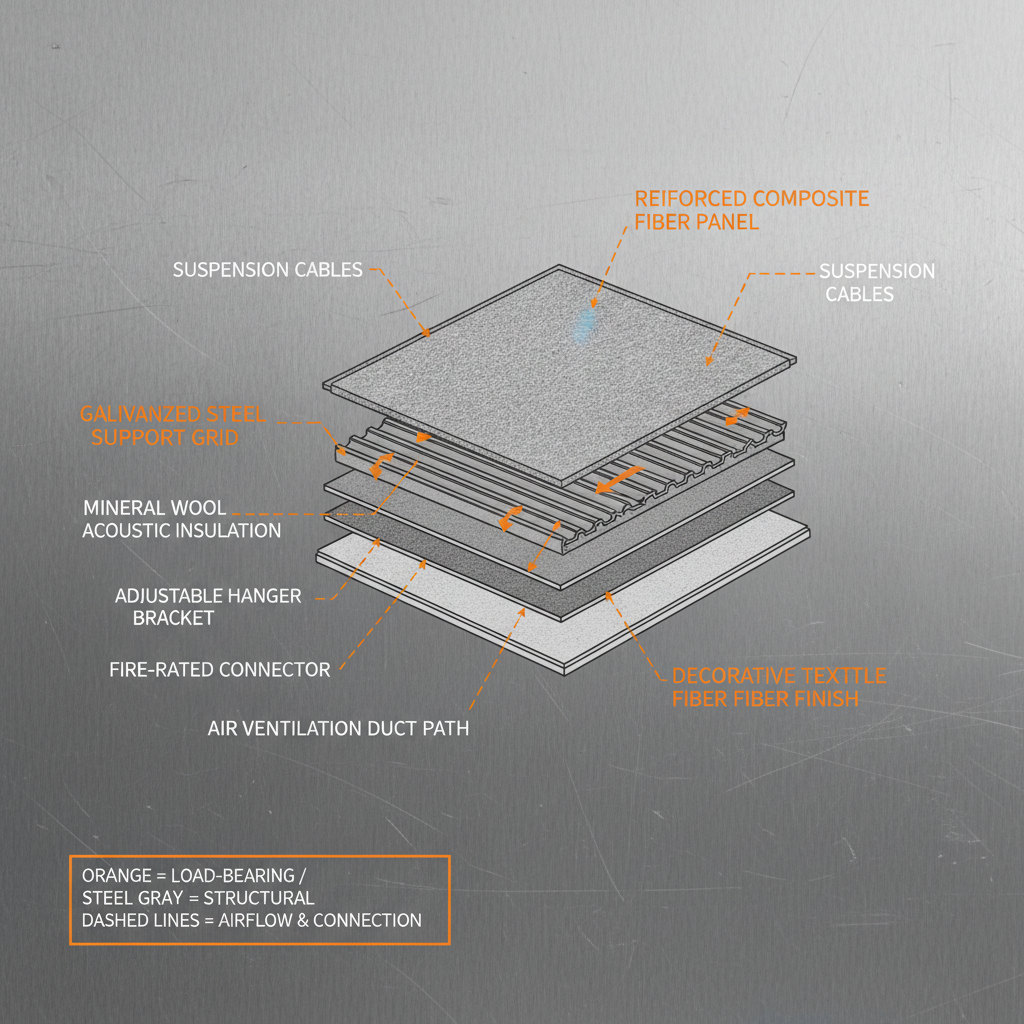
Simply put, a mineral fiber ceiling tile is a suspended ceiling component manufactured from mineral wool, clay, and a binder. It's designed to be installed within a grid system, creating a finished ceiling surface. What’s important to understand is that the composition impacts performance – the type of mineral wool used affects sound absorption and fire resistance, while the binder influences durability and moisture resistance.
It's different from gypsum board ceilings, which require a solid substrate and more extensive installation. Mineral fiber is lightweight and relatively easy to handle, making it a favorite amongst installers. We also see it competing with metal ceiling panels, but mineral fiber typically offers better acoustic performance at a lower cost.
This isn't a high-tech, cutting-edge material in the same way as some of the newer composites, but its fundamental qualities make it essential in modern construction. It addresses key needs like fire safety, acoustic control, and aesthetic appeal, all within a practical price range.
Key Characteristics of Mineral Fiber Ceiling Tiles
One of the biggest advantages of mineral fiber is its acoustic performance. The mineral wool fibers effectively absorb sound, reducing noise levels within a space. This is particularly crucial in environments like schools, hospitals, and open-plan offices where noise control is critical for comfort and productivity. I've walked into spaces with poor acoustics and immediately recognized the need for a mineral fiber upgrade.
Fire resistance is another key characteristic. Mineral fiber is inherently non-combustible, providing a critical barrier against fire spread. It meets or exceeds most building code requirements for fire safety, giving building owners and occupants peace of mind. That's a huge selling point, especially in densely populated areas or buildings with strict safety regulations. It's often a non-negotiable item during inspections.
Durability and moisture resistance are also important factors. While mineral fiber isn’t waterproof, it can withstand moderate humidity levels without significant degradation. Higher-end tiles often incorporate coatings to further enhance moisture resistance. The tiles also hold up well to physical impact, resisting dents and scratches better than some other ceiling materials.
Applications of Mineral Fiber Ceiling Tiles
You’ll find mineral fiber ceiling tiles pretty much everywhere. Classrooms are a huge market—the acoustic properties are vital for learning environments. Healthcare facilities rely on them for both acoustic control and hygiene. Hospitals need quiet spaces for patients to recover, and mineral fiber tiles are easy to clean and maintain.
Open-plan offices are another common application. These spaces can be notoriously noisy, and mineral fiber helps to reduce distractions and improve focus. Retail spaces also benefit from their ability to absorb sound and create a more pleasant shopping experience. We’ve been seeing more use in renovated older buildings as well, where they provide a cost-effective way to upgrade the ceiling system.
Performance Metrics of what is mineral fiber ceiling tile
Advantages and Long-Term Value
The tangible benefits of mineral fiber ceiling tile are clear: it’s cost-effective, provides excellent acoustic control, and offers reliable fire protection. But the long-term value extends beyond these initial considerations. The ease of installation translates to lower labor costs and faster project completion times. And because it’s a readily available material, it minimizes the risk of delays due to supply chain issues.
From a sustainability perspective, many mineral fiber tiles contain recycled content, contributing to green building certifications. This isn’t just about ticking boxes; it’s about creating healthier, more responsible buildings. And let's be honest, building owners are increasingly focused on sustainability, making mineral fiber an attractive option.
Future Trends in Mineral Fiber Ceiling Tile Technology
We’re seeing manufacturers experimenting with new binders and mineral compositions to improve performance and sustainability. There's a focus on increasing recycled content and reducing the embodied carbon of these tiles. We’re also starting to see tiles with integrated LED lighting and improved moisture resistance.
Digital printing technology is another exciting development. This allows for more intricate designs and customization, moving beyond the traditional plain white ceiling. I've seen prototypes with acoustic patterns that not only look good but also enhance sound absorption. The ability to create custom looks without sacrificing performance is a game-changer.
I expect to see more integration with building management systems, allowing for remote monitoring and control of lighting and other features. The future of mineral fiber isn't just about the tile itself, but about how it integrates into the broader smart building ecosystem.
Challenges and Solutions in Mineral Fiber Ceiling Tile Installation
One common challenge is dealing with dust during installation. Mineral fiber is, well, fibrous, and cutting and handling can generate dust. Proper ventilation and the use of respirators are essential. It's not a huge issue with proper precautions, but it's something installers need to be aware of.
Another potential issue is sag over time, particularly in areas with high humidity. Choosing high-quality tiles with enhanced moisture resistance can mitigate this risk. Proper grid spacing and support are also crucial. I always emphasize the importance of following the manufacturer's installation guidelines.
We’re also seeing a demand for faster installation methods. Manufacturers are responding with tiles that are lighter and easier to handle, and with grid systems that simplify the installation process. Pre-cut tiles and integrated lighting systems can also speed up the installation timeline.
Summary of Challenges and Solutions for Mineral Fiber Ceiling Tile Installation
| Challenge |
Impact on Project |
Solution |
Cost of Implementation |
| Dust Generation |
Health & Safety Concerns, Clean-up Time |
Ventilation, Respirators, Dust Control Measures |
Low ($50-$200) |
| Potential Sag |
Aesthetic Issues, Reduced Ceiling Integrity |
High-Quality, Moisture-Resistant Tiles, Proper Grid Spacing |
Medium ($100-$500) |
| Slow Installation |
Increased Labor Costs, Project Delays |
Lighter Tiles, Simplified Grid Systems, Pre-Cut Options |
Medium ($200-$800) |
| Grid System Compatibility |
Installation Challenges, Potential for Instability |
Ensure Tile and Grid are Compatible, Use Appropriate Fasteners |
Low ($20-$100) |
| Damage During Transport |
Material Waste, Project Delays |
Secure Packaging, Careful Handling, Proper Storage |
Low (Included in Material Costs) |
| Aesthetic Limitations |
Lack of Design Flexibility |
Digital Printing, Textured Finishes, Custom Designs |
High ($500-$2000+) |
FAQS
Gypsum tiles are generally cheaper and easier to patch, but they lack the inherent fire resistance and acoustic properties of mineral fiber. Mineral fiber is also more resistant to sagging and moisture. Essentially, gypsum is good for basic applications, while mineral fiber provides better overall performance for commercial spaces where safety and comfort are priorities.
Choose tiles with a higher Noise Reduction Coefficient (NRC) rating – the higher the number, the better the sound absorption. You can also add sound-absorbing materials like acoustic panels or baffles to the walls and floors. Ensuring a proper airspace between the tiles and the structural ceiling also improves performance.
Many mineral fiber tiles contain recycled content, and manufacturers are increasingly focused on reducing the embodied carbon of their products. Look for tiles certified by organizations like Greenguard or UL. While not perfect, mineral fiber offers a more sustainable option compared to some other ceiling materials.
With proper installation and maintenance, mineral fiber ceiling tiles can last for 20-30 years or even longer. Factors like humidity levels and air quality can affect lifespan. Regular cleaning and occasional replacement of damaged tiles will help maximize their longevity.
Yes, but it’s important to use a paint specifically designed for mineral fiber ceilings. Standard paints can seal the surface and reduce its acoustic performance. Use a breathable acrylic latex paint and follow the manufacturer’s instructions carefully.
Sagging usually indicates excessive moisture or inadequate support. Identify and address the source of the moisture. Ensure the grid system is properly spaced and securely fastened to the structural ceiling. Replacing sagging tiles with high-density or moisture-resistant options can also help.
Conclusion
Mineral fiber ceiling tiles aren’t glamorous, but they’re a foundational element of countless buildings. They offer a compelling combination of performance, cost-effectiveness, and versatility that makes them a go-to choice for architects, contractors, and building owners. From acoustic control and fire resistance to sustainability and ease of installation, these tiles deliver real value.
The future of mineral fiber is bright. Ongoing innovations in material composition, manufacturing processes, and design aesthetics are further enhancing their performance and appeal. If you're looking for a reliable, practical, and cost-effective ceiling solution, mineral fiber should be at the top of your list. Learn more about the best options for your project at what is mineral fiber ceiling tile.