Mineral fiber false ceiling tiles represent a cornerstone of modern interior design and construction, offering a blend of functionality, aesthetics, and cost-effectiveness. Globally, these tiles are utilized in a vast array of buildings, from commercial offices and educational institutions to healthcare facilities and residential spaces. Their prevalence stems from their ability to improve acoustics, enhance fire safety, and conceal unsightly building services. Understanding the nuances of mineral fiber false ceiling tiles is crucial for architects, contractors, and building owners seeking optimal interior solutions.
The demand for mineral fiber false ceiling tiles is intrinsically linked to global construction trends and increasing emphasis on sustainable building practices. According to data from the UN, urbanization continues at a rapid pace, driving the need for efficient and adaptable building infrastructure. Furthermore, regulations like those set by the ISO standards are pushing for improved indoor environmental quality, where mineral fiber tiles play a crucial role in absorbing sound and reducing reverberation. Addressing challenges like noise pollution and fire hazards makes the understanding of these tiles paramount.
Beyond pure construction, the utilization of mineral fiber false ceiling tiles is expanding into areas demanding specialized environments - cleanrooms, recording studios, and even advanced manufacturing facilities. This versatility underscores their importance in creating functional, safe, and aesthetically pleasing spaces across various sectors.
Introduction to Mineral Fiber False Ceiling Tiles
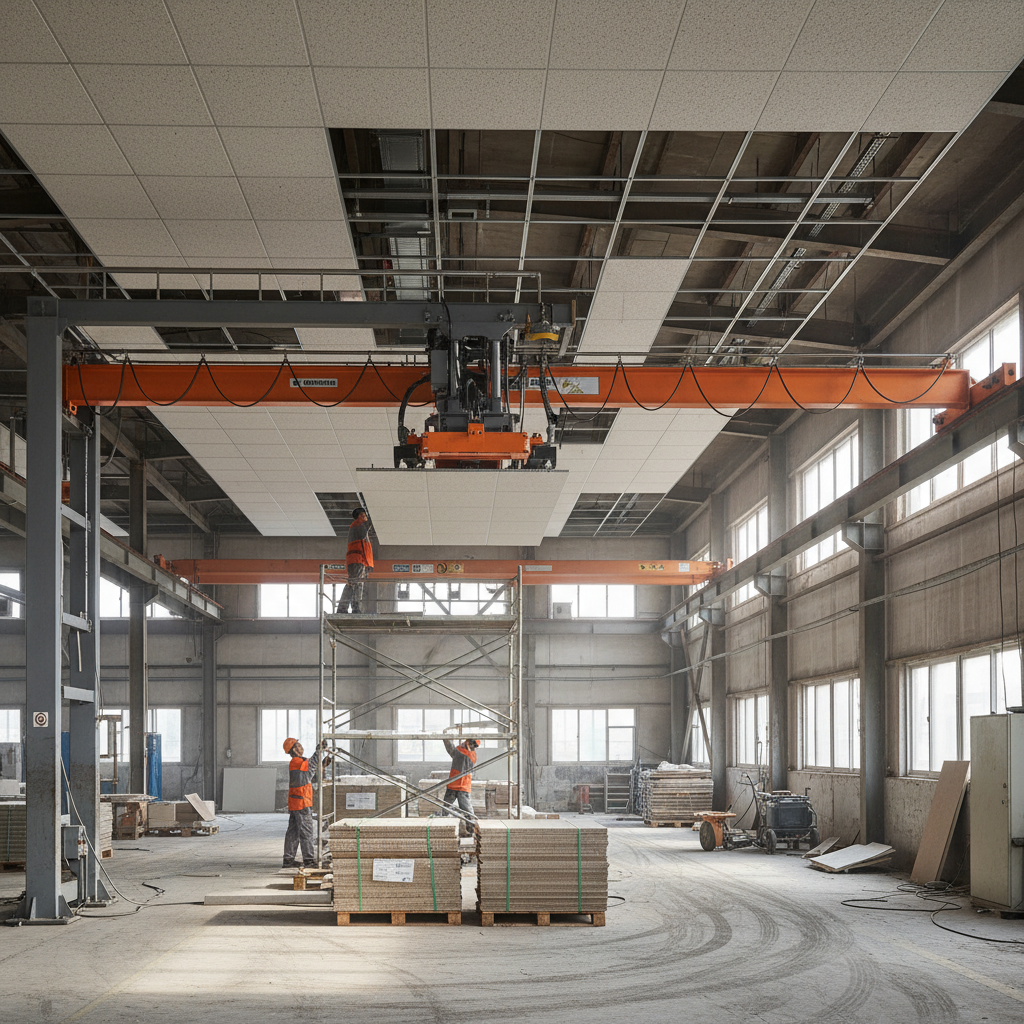
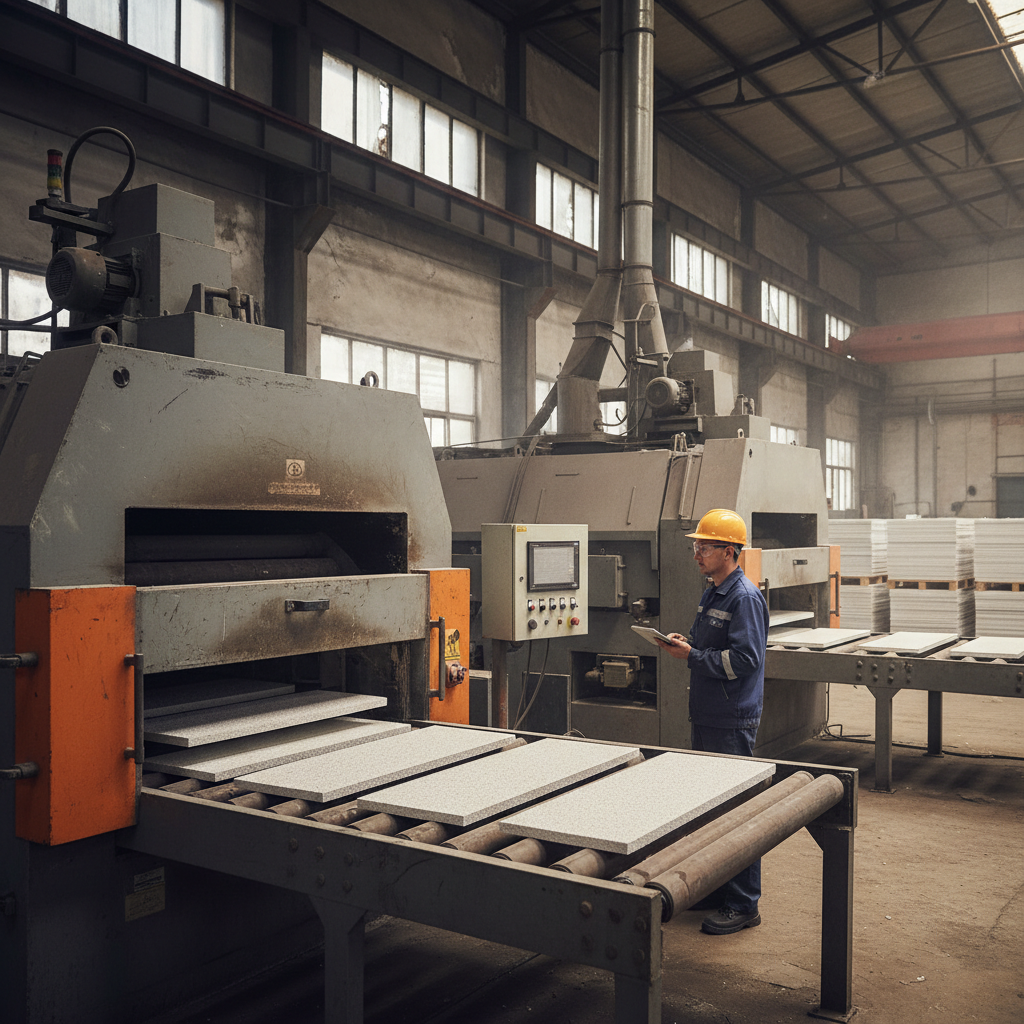
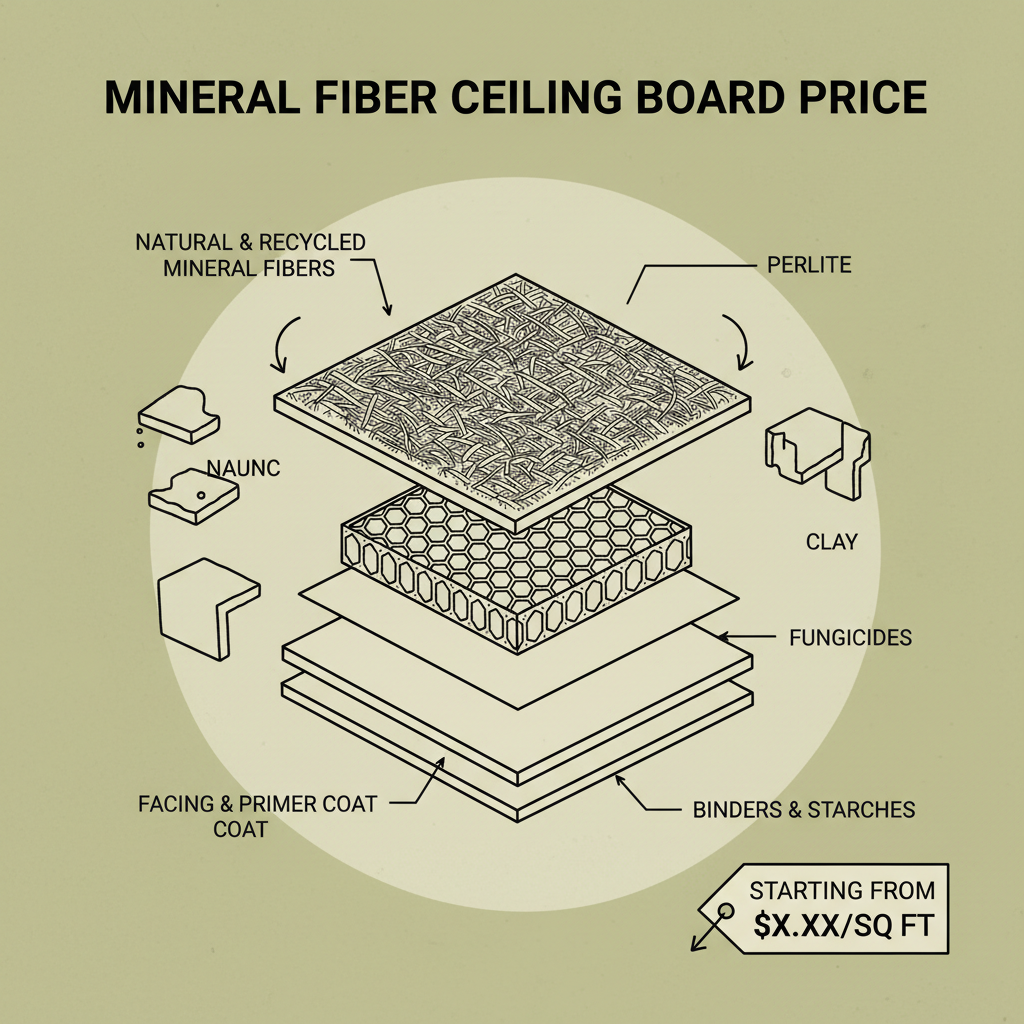
Mineral fiber false ceiling tiles are prefabricated panels typically made from a combination of mineral wool, clay, and other binding agents. They are suspended below the structural ceiling to create a secondary ceiling, concealing ductwork, wiring, and other mechanical systems. The widespread use of mineral fiber false ceiling tiles is largely due to their versatile properties and cost-effectiveness.
Their application extends beyond mere concealment. They are pivotal in enhancing acoustic performance, contributing to quieter and more productive environments, particularly in offices, schools, and healthcare facilities. The ability to control sound reverberation is a significant advantage, improving speech intelligibility and overall comfort levels.
Defining Mineral Fiber False Ceiling Tiles
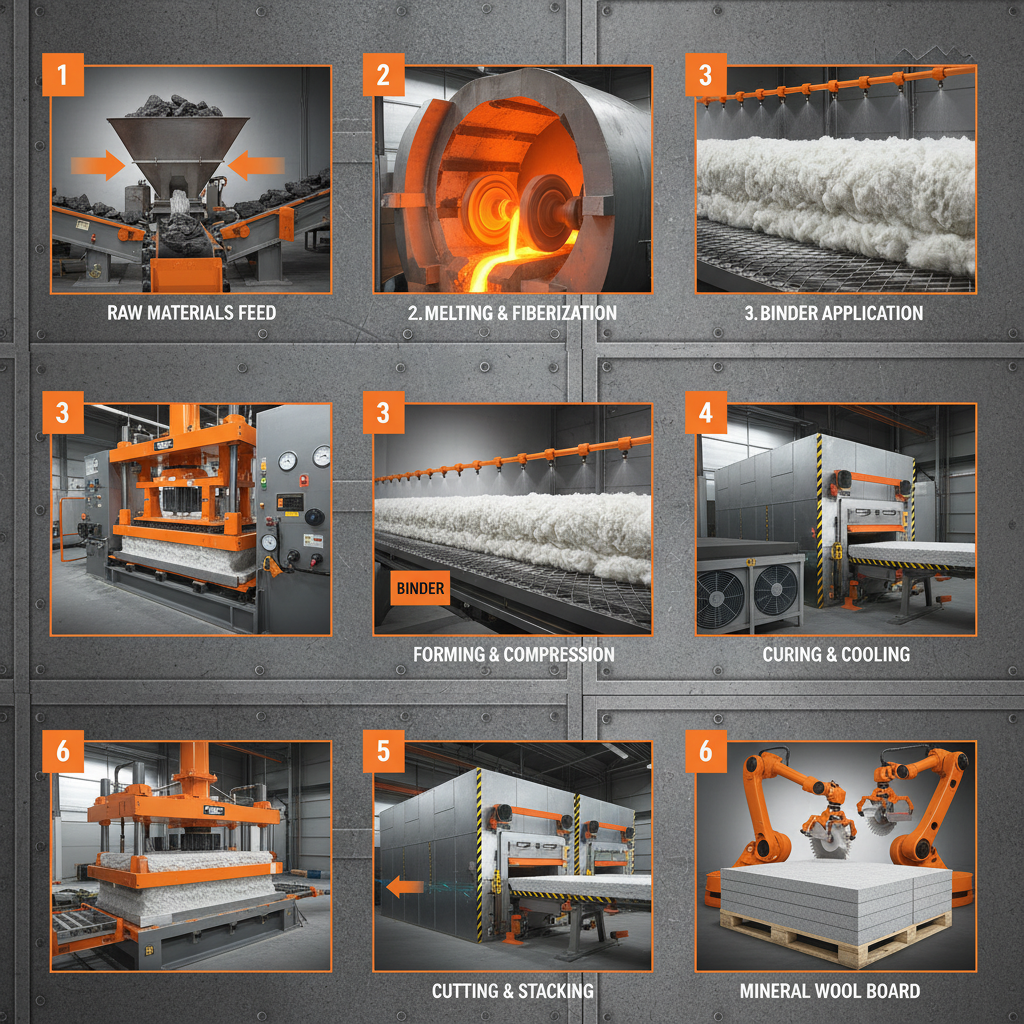
Essentially, mineral fiber false ceiling tiles are a secondary ceiling system that’s suspended below the building’s main structural ceiling. They are not a load-bearing element but serve to enhance the aesthetic appeal and functionality of a space. They are composed primarily of mineral wool, a material made from molten rock or slag spun into fine fibers, providing inherent fire resistance and sound absorption qualities.
The connection to modern industry lies in their ability to accommodate evolving building services without requiring major structural alterations. As technology advances and building layouts change, the flexibility of a suspended ceiling allows for easy access and modification of the infrastructure above. This is particularly important in dynamic environments like data centers or modern offices.
Further, they address humanitarian needs by creating safer and more comfortable indoor spaces, particularly in disaster relief situations where existing structures might be damaged or lack basic amenities. The acoustic benefits also contribute to improved learning environments in schools and healthcare settings.
Key Factors of Mineral Fiber False Ceiling Tiles
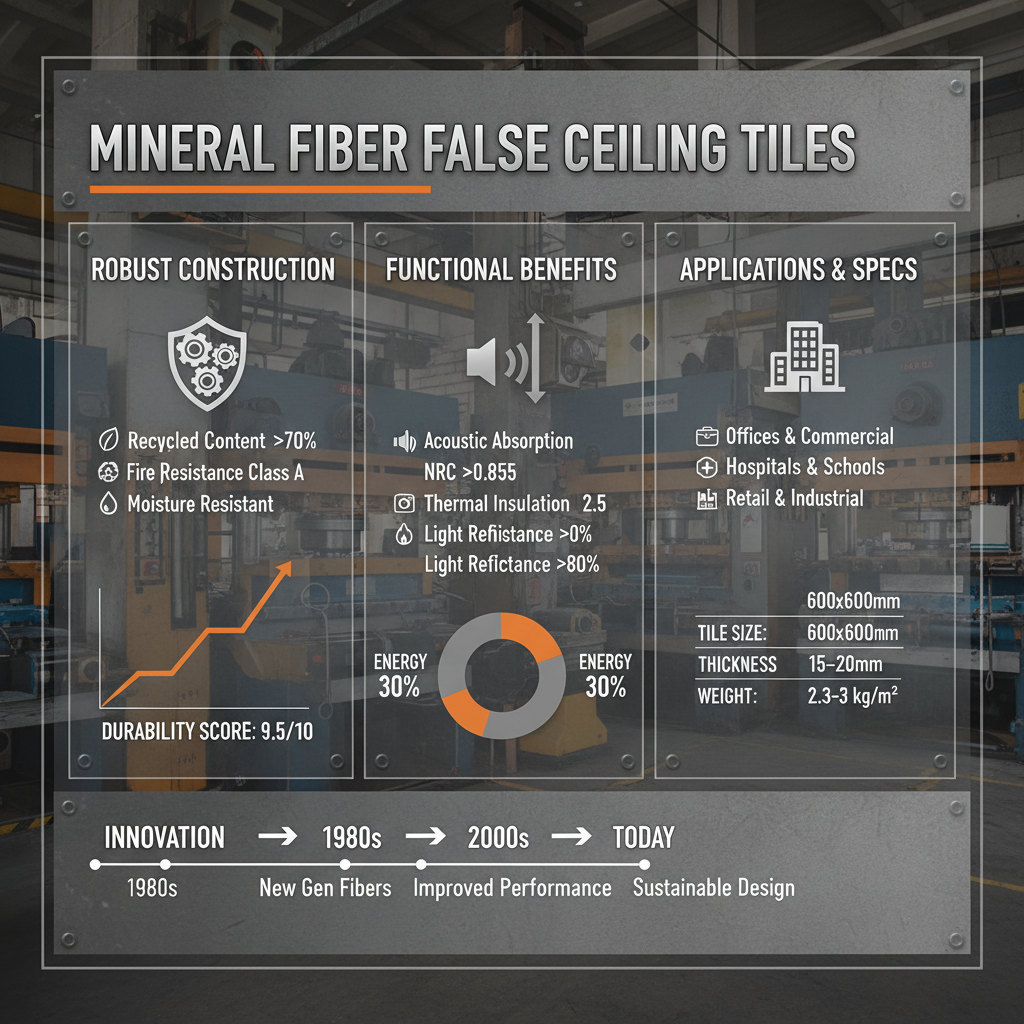
Acoustic Performance: Mineral fiber excels at sound absorption, significantly reducing noise levels and improving speech clarity. This is due to the porous structure of the material which traps sound waves, preventing reverberation. Utilizing mineral fiber false ceiling tiles in noisy environments leads to increased productivity and well-being.
Fire Resistance: The mineral wool composition inherently provides excellent fire resistance, slowing the spread of flames and providing valuable time for evacuation. These tiles meet stringent fire safety standards, contributing to a safer building environment and potentially reducing insurance costs.
Moisture Resistance: While not waterproof, many mineral fiber tiles offer a degree of moisture resistance, making them suitable for use in areas with moderate humidity. Specific formulations are available for more demanding environments, like bathrooms or kitchens.
Design Versatility: Mineral fiber tiles are available in a wide range of sizes, textures, and patterns, allowing for creative design options. They can be easily integrated with lighting fixtures and other ceiling elements to achieve a desired aesthetic.
Cost-Effectiveness: Compared to other ceiling materials, mineral fiber tiles generally offer a good balance of performance and cost. Their relatively low material and installation costs make them an attractive option for a wide range of projects.
Global Applications & Use Cases
The application of mineral fiber false ceiling tiles is truly global, spanning diverse sectors and geographical regions. In North America and Europe, they are commonly used in commercial offices, retail spaces, and educational facilities to enhance acoustic comfort and aesthetics. In Asia, particularly in rapidly urbanizing cities, they are being adopted in large-scale residential and commercial projects to address noise pollution and improve indoor air quality.
In healthcare facilities worldwide, mineral fiber tiles are crucial for maintaining hygienic environments and controlling noise levels to promote patient recovery. The ability to easily integrate air diffusers and lighting systems into the ceiling grid adds to their appeal in this sector.
Specifically, in post-disaster relief operations, temporary structures often utilize mineral fiber false ceiling tiles to create more habitable spaces, improving thermal comfort and acoustic privacy. In remote industrial zones, they help to reduce noise from machinery and create a more productive work environment.
Mineral Fiber False Ceiling Tile Performance Metrics
Advantages & Long-Term Value
The tangible benefits of utilizing mineral fiber false ceiling tiles are numerous. The cost-effectiveness, as previously mentioned, makes them accessible for a wide range of budgets. Beyond initial cost, their durability and low maintenance requirements contribute to long-term value. A well-maintained ceiling can last for decades, reducing the need for frequent replacements.
From a sustainability perspective, many manufacturers are incorporating recycled content into their mineral fiber tiles, minimizing environmental impact. This aligns with growing demand for green building materials and contributes to LEED certification. The inherent fire resistance adds a critical layer of safety and security, providing peace of mind for building occupants.
Future Trends & Innovations
The future of mineral fiber false ceiling tiles is intertwined with advancements in materials science and building technology. There’s a growing trend towards incorporating bio-based materials into the composition, further enhancing sustainability. Digital printing techniques are also enabling more complex and customized designs, offering architects greater creative freedom.
Integration with smart building systems is another emerging trend. Ceiling tiles equipped with sensors can monitor air quality, temperature, and occupancy levels, providing valuable data for optimizing building performance and energy efficiency. This contributes to a more responsive and comfortable indoor environment.
Challenges & Solutions
Despite their numerous benefits, mineral fiber false ceiling tiles do face some challenges. Traditional tiles can be susceptible to sagging or damage from moisture if not properly installed or maintained. Another concern is the potential for dust accumulation, requiring periodic cleaning.
Solutions include utilizing high-density tiles, applying moisture-resistant coatings, and implementing regular maintenance schedules. Advanced installation techniques, such as using specialized suspension systems, can also improve stability and prevent sagging. The development of self-cleaning tile surfaces is also being explored.
To overcome these limitations and fully unlock the potential of mineral fiber false ceiling tiles, a collaborative approach involving manufacturers, architects, and installers is essential.
Core Analysis of Challenges and Solutions
| Challenge Area |
Severity (1-10) |
Potential Solution |
Implementation Cost (1-10) |
| Moisture Damage |
6 |
Moisture-Resistant Coatings |
4 |
| Sagging/Deformation |
7 |
High-Density Tiles & Robust Suspension |
5 |
| Dust Accumulation |
5 |
Anti-Static Coatings & Regular Cleaning |
3 |
| Acoustic Performance Degradation |
4 |
Tile Replacement & Optimized Layout |
6 |
| Limited Design Options |
3 |
Digital Printing & Customization |
7 |
| Installation Complexity |
6 |
Simplified Suspension Systems & Training |
4 |
FAQS
Mineral fiber tiles offer superior acoustic performance and inherent fire resistance compared to gypsum board. They are also lighter in weight, making installation easier. While gypsum board can be more cost-effective upfront, mineral fiber tiles often provide better long-term value due to their durability and performance characteristics. Their ability to absorb sound is crucial for creating comfortable and productive environments.
Many mineral fiber ceiling tile manufacturers incorporate recycled content into their products, reducing the demand for virgin materials. The long lifespan of these tiles minimizes the need for frequent replacements, further reducing waste. Additionally, their contribution to improved indoor air quality and energy efficiency through acoustic control supports sustainable building goals.
With proper installation and maintenance, mineral fiber false ceiling tiles can last for 20-30 years or even longer. Regular cleaning and addressing any moisture issues promptly will help extend their lifespan. The specific lifespan can vary depending on the environment and the quality of the tiles used.
Standard mineral fiber tiles are not ideally suited for high-humidity environments, as they can absorb moisture and potentially sag or degrade. However, specialized moisture-resistant mineral fiber tiles are available, designed specifically for use in bathrooms, kitchens, and other damp areas. It’s crucial to select the appropriate tile for the specific application.
The suspension system is critically important. A properly installed suspension grid provides the necessary support for the tiles and ensures a level and stable ceiling. Using a high-quality suspension system and following manufacturer’s instructions carefully is essential for preventing sagging and maintaining the integrity of the ceiling over time.
Yes, most mineral fiber tiles can be painted, allowing for customization and aesthetic flexibility. However, it’s essential to use a paint specifically designed for use on mineral fiber surfaces and to follow the manufacturer’s instructions carefully. Priming the tiles before painting is often recommended for optimal results and to ensure proper adhesion.
Conclusion
In summary, mineral fiber false ceiling tiles remain a highly relevant and versatile building material, offering a compelling combination of acoustic performance, fire resistance, cost-effectiveness, and aesthetic appeal. From commercial buildings to healthcare facilities and beyond, they play a crucial role in creating functional, safe, and comfortable indoor environments. Their adaptability to various design schemes and their contribution to sustainable building practices solidify their position as a staple in modern construction.
Looking ahead, continuous innovation in materials and manufacturing techniques will further enhance the benefits of mineral fiber tiles. Embracing sustainable practices and integrating smart technologies will unlock even greater potential, ensuring their continued relevance in a rapidly evolving built environment. For optimal performance and lasting value, explore the range of mineral fiber false ceiling tiles and consult with experienced professionals to determine the best solution for your project.