Mineral fiber panels represent a significant advancement in building materials, offering a compelling blend of performance, sustainability, and cost-effectiveness. These panels, widely utilized in ceilings and wall applications, are increasingly recognized for their acoustic properties, fire resistance, and dimensional stability. The global demand for high-quality building materials coupled with stringent building codes is driving the growth of the mineral fiber panel market.
Understanding the characteristics of mineral fiber panels is crucial for architects, construction professionals, and anyone involved in building design and maintenance. They provide a versatile solution for a wide range of projects, from commercial spaces and educational institutions to healthcare facilities and residential buildings. Choosing the right mineral fiber panel can significantly impact a building's overall performance and occupant comfort.
The importance of mineral fiber panels extends beyond mere construction; they contribute to creating safer, more sustainable, and more efficient built environments. As environmental concerns grow, the demand for eco-friendly building materials like mineral fiber panels will continue to rise, shaping the future of the construction industry.
Introduction to Mineral Fiber Panels
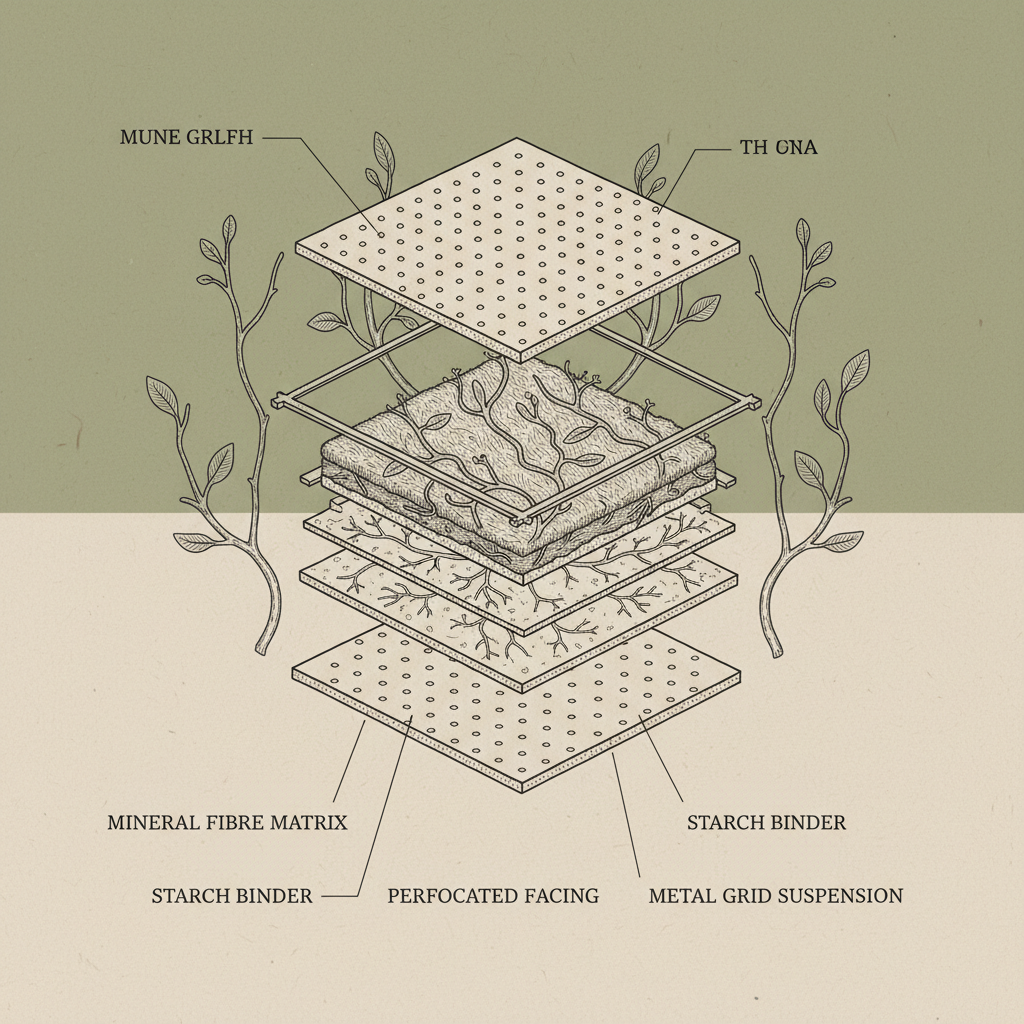
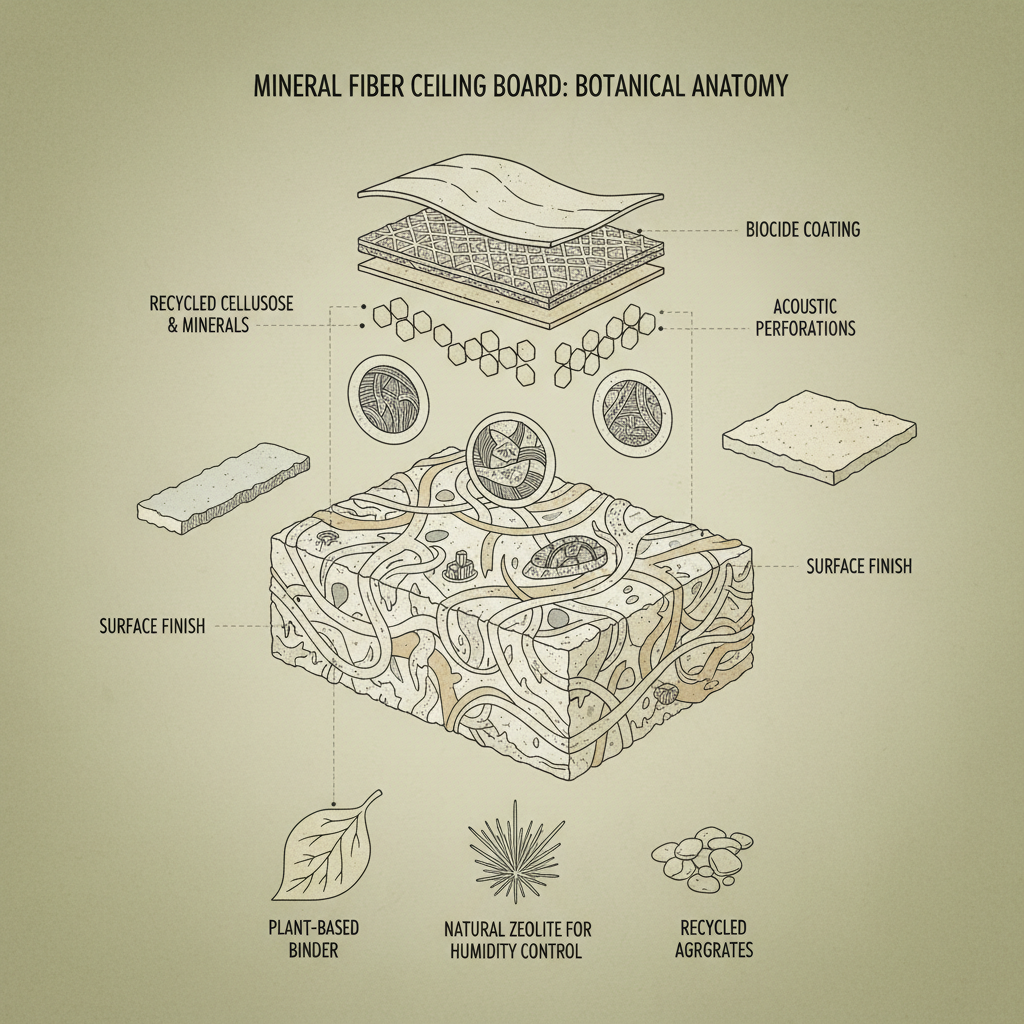
Mineral fiber panels are engineered materials primarily composed of mineral wool – typically slag wool, rock wool, or glass wool – bonded together with a binder and formed into panels of varying sizes and densities. Their versatility stems from the ability to tailor their composition to achieve specific performance characteristics, making them suitable for a diverse range of applications.
Beyond their functional benefits, mineral fiber panels represent a commitment to sustainable building practices. Often incorporating recycled content, they contribute to LEED certification and minimize environmental impact. The increasing focus on green building standards is driving demand for these environmentally responsible solutions.
Global Relevance and Industry Context
The construction industry is a massive global enterprise, consistently representing a significant portion of global GDP. According to a report by the United Nations, approximately 60% of the world’s population will reside in urban areas by 2030, fueling a substantial demand for new construction and renovation projects. This urbanization necessitates efficient and sustainable building solutions.
Mineral fiber panels are playing an increasingly vital role in meeting this demand. The ISO standards for acoustic performance and fire safety are becoming more rigorous worldwide, and mineral fiber panels often exceed these requirements. They are prevalent in commercial buildings aiming for improved energy efficiency and indoor environmental quality.
A key challenge facing the construction industry is the need to reduce carbon emissions and promote sustainable practices. Traditional building materials often have a high carbon footprint. Mineral fiber panels, with their potential for recycled content and inherent fire resistance (reducing the need for fire-retardant chemicals), offer a viable pathway to addressing this challenge.
Defining Mineral Fiber Panels
Mineral fiber panels are composite materials manufactured from mineral wool – a fibrous material derived from molten rock, slag, or glass – combined with a binding agent. This mixture is then compressed and cut into panels of varying thicknesses, sizes, and densities. Their defining characteristic lies in their inherent non-combustibility and excellent acoustic absorption properties.
Their connection to modern industry extends to supporting critical infrastructure. They are essential in environments requiring precise acoustic control, like recording studios, and those needing robust fire protection, such as hospitals and schools. The use of mineral fiber panels allows for enhanced safety and functionality in these complex settings.
Unlike some other building materials, mineral fiber panels don't contribute to the spread of flames, making them invaluable in safeguarding lives and property. This makes them a preferred choice in buildings where fire safety is paramount, aligning with modern building codes and humanitarian needs for safe shelters.
Key Characteristics of Mineral Fiber Panels
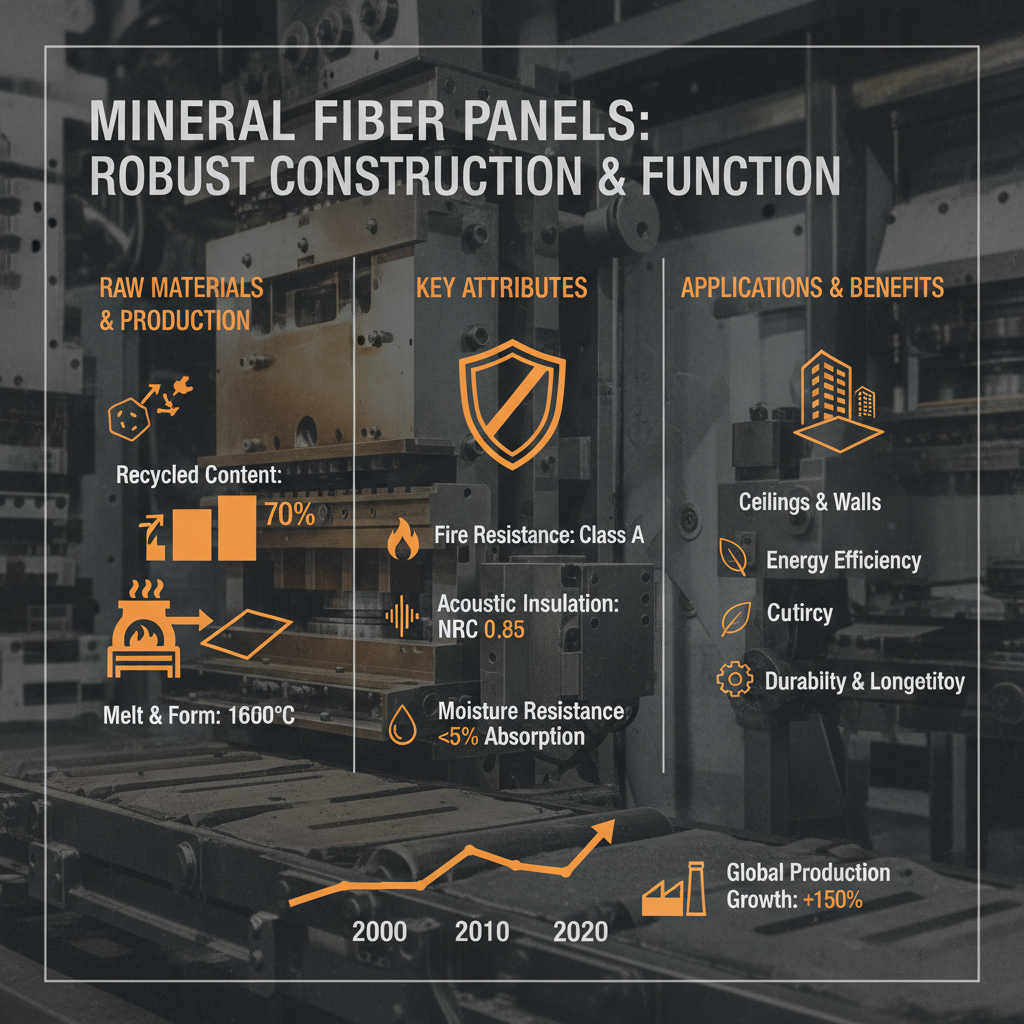
Mineral fiber panels boast several key characteristics that contribute to their widespread adoption. Firstly, their acoustic performance is exceptional. The fibrous structure effectively absorbs sound waves, reducing noise levels and improving speech intelligibility within a space. Secondly, they offer outstanding fire resistance, preventing the spread of flames and providing valuable time for evacuation in emergency situations.
Furthermore, mineral fiber panels possess excellent dimensional stability, meaning they resist warping, sagging, and cracking over time, even in fluctuating temperature and humidity conditions. This longevity translates into reduced maintenance costs and extended building lifespan. Finally, their inherent sustainability – often incorporating recycled materials – aligns with modern environmental concerns.
Performance Metrics of Mineral Fiber Panel Variations
Applications Across Industries
The versatility of mineral fiber panels allows for application across a broad spectrum of industries. In the commercial sector, they are commonly used in office ceilings and wall partitions to enhance acoustics and create a more productive work environment. Educational institutions benefit from their sound-absorbing properties in classrooms and auditoriums, promoting clearer communication.
Healthcare facilities prioritize hygiene and safety, making mineral fiber panels a logical choice due to their resistance to mold and bacteria growth. Furthermore, their fire-resistant properties are critical in hospitals and clinics. In remote industrial zones, where durability and low maintenance are essential, mineral fiber panels offer a cost-effective and reliable solution.
Advantages and Long-Term Value
The advantages of utilizing mineral fiber panels are multifaceted. From a cost perspective, they offer a competitive price point compared to other high-performance ceiling and wall materials. Their inherent durability translates to reduced lifecycle costs, minimizing the need for frequent replacements. Sustainability is another significant benefit, with many panels containing recycled content and contributing to a lower environmental impact.
Beyond tangible benefits, mineral fiber panels contribute to a sense of safety and well-being. The improved acoustics they provide reduce stress and enhance concentration, while their fire resistance offers peace of mind. This contributes to a positive brand image, fostering trust and demonstrating a commitment to occupant comfort and security.
Future Trends and Innovations
The future of mineral fiber panels is intertwined with advancements in materials science and sustainable building technologies. Researchers are exploring the incorporation of bio-based binders to further reduce the environmental footprint of these panels. Digital fabrication techniques, like robotic cutting and assembly, are being employed to create customized designs and reduce material waste.
The integration of smart technologies is also on the horizon. Imagine mineral fiber panels embedded with sensors that monitor air quality, temperature, and humidity, providing valuable data for building management systems. Furthermore, advancements in nanotechnology may lead to the development of mineral fiber panels with even greater acoustic absorption and fire resistance properties.
These innovations are driven by a growing emphasis on creating more intelligent, sustainable, and resilient buildings. mineral fiber panels are poised to remain at the forefront of this evolution, adapting to meet the changing needs of the construction industry.
FAQS
Mineral fiber panels are inherently non-combustible, meaning they do not contribute to the spread of flames. They are often classified as Class A fire-rated materials, providing a high level of fire protection. They release minimal smoke and toxic fumes during a fire, providing valuable time for safe evacuation. This makes them ideal for use in schools, hospitals, and commercial buildings where fire safety is a paramount concern.
Mineral fiber panels excel at sound absorption due to their porous structure. This structure traps sound waves, reducing reverberation and noise levels. They're particularly effective at absorbing mid-to-high frequency sounds, common in office environments. The NRC (Noise Reduction Coefficient) rating indicates their sound absorption capability, with higher values indicating greater performance.
Yes, mineral fiber panels can be quite environmentally friendly. Many manufacturers utilize recycled materials in their production, reducing waste. They also often contain low levels of VOCs (Volatile Organic Compounds), contributing to better indoor air quality. They require less energy to manufacture compared to some other building materials, further reducing their environmental impact.
With proper installation and maintenance, mineral fiber panels can have a lifespan of 20-30 years or even longer. Their dimensional stability ensures they won’t warp or sag significantly over time. Regular cleaning to remove dust and debris is recommended to maintain their aesthetic appearance and performance.
Mineral fiber panels generally offer a cost-effective solution compared to other high-performance ceiling materials like acoustic wood panels or metal ceilings. While the initial cost might be similar, their durability and low maintenance requirements often result in lower lifecycle costs. Installation costs are also typically comparable to other standard ceiling systems.
Mineral fiber panels require minimal maintenance. Regular dusting or vacuuming is typically sufficient to maintain their appearance. Avoid using harsh chemicals or abrasive cleaners, as these could damage the surface. In areas with high humidity, occasional inspection for mold or mildew is recommended, though they are inherently resistant to these issues.
Conclusion
In summary, mineral fiber panels provide a compelling combination of performance, sustainability, and cost-effectiveness, making them a versatile solution for a wide range of building applications. From improving acoustics and enhancing fire safety to reducing environmental impact and creating healthier indoor environments, these panels offer significant benefits for building owners, occupants, and the planet.
Looking ahead, continued innovation in materials science and manufacturing techniques will further enhance the performance and sustainability of mineral fiber panels. Embracing these advancements will be crucial for creating buildings that are not only aesthetically pleasing but also resilient, energy-efficient, and conducive to well-being. Visit our website at www.xingyuanceilings.com to explore our comprehensive range of mineral fiber panel solutions.