Mineral fiber planks for ceiling are rapidly becoming a standard in modern construction and renovation, offering a versatile and cost-effective solution for acoustic control, fire resistance, and aesthetic appeal. Globally, the demand for sustainable and high-performance building materials is surging, and these planks address both needs with their composition – often incorporating recycled materials – and inherent safety features. Understanding the nuances of mineral fiber plank installation and application is crucial for architects, contractors, and building owners seeking to optimize interior environments.
The increasing focus on indoor environmental quality (IEQ) and well-being is driving the adoption of materials like mineral fiber planks. These planks help mitigate noise pollution, contributing to more productive and comfortable spaces. Furthermore, stringent building codes worldwide are mandating improved fire safety standards, which mineral fiber planks readily meet due to their non-combustible nature. This combination of factors establishes mineral fiber planks for ceiling as an essential component of modern building design.
From large-scale commercial projects to residential renovations, the adaptability and affordability of mineral fiber planks make them a preferred choice. Their lightweight nature simplifies installation, reducing labor costs and project timelines. As awareness grows regarding their benefits, the use of mineral fiber planks for ceiling is projected to expand significantly in the coming years.
Introduction to Mineral Fiber Planks
Mineral fiber planks represent a significant advancement in ceiling technology, providing a balance of performance and affordability. These planks are engineered to deliver exceptional acoustic properties, minimizing sound reverberation and creating quieter, more comfortable interior spaces. The inherent fire-resistant nature of mineral fibers contributes significantly to building safety and compliance with stringent fire codes.
Beyond their functional benefits, mineral fiber planks offer design flexibility. They are available in a wide range of textures, patterns, and sizes, allowing architects and designers to achieve desired aesthetic outcomes. Their ease of installation further enhances their appeal, reducing project costs and timelines. The increasing demand for sustainable building materials also supports the growing popularity of mineral fiber planks for ceiling, as many products incorporate recycled content.
Defining Mineral Fiber Planks for Ceiling
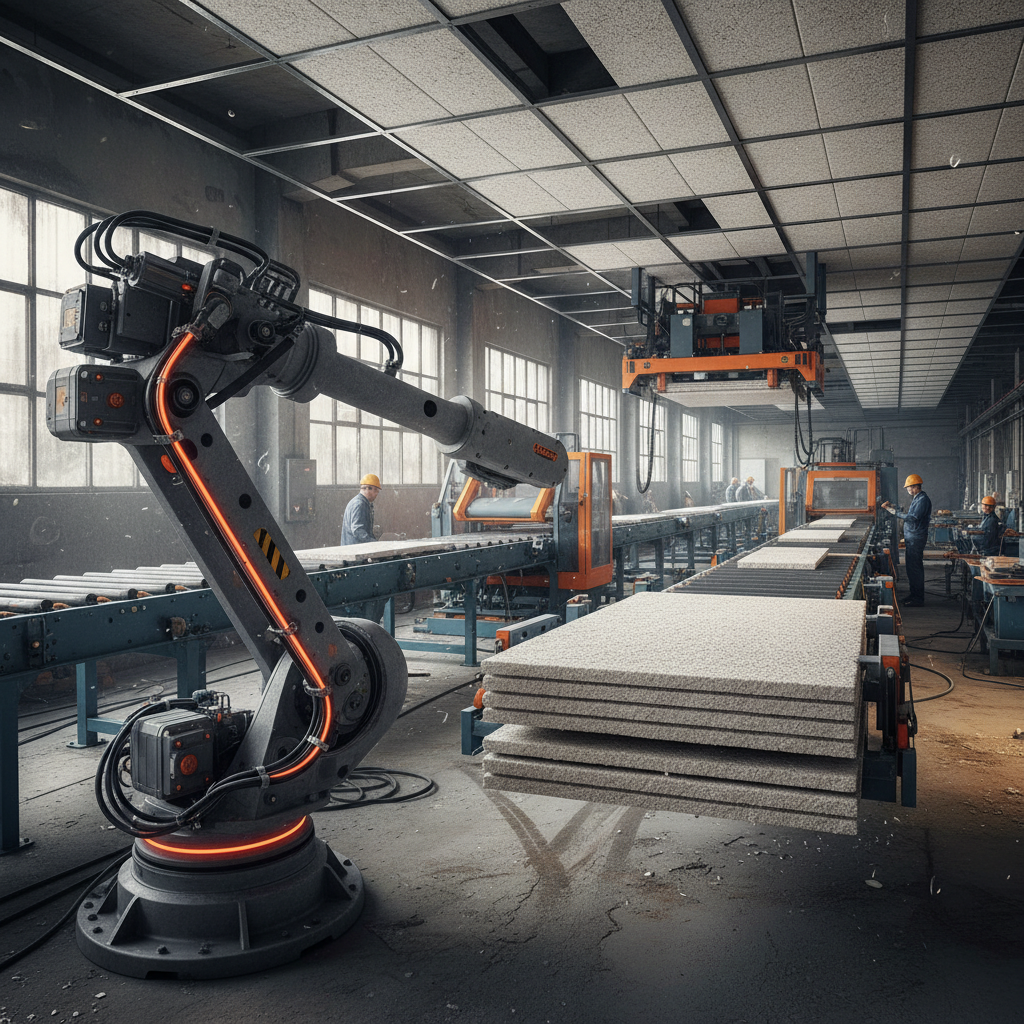
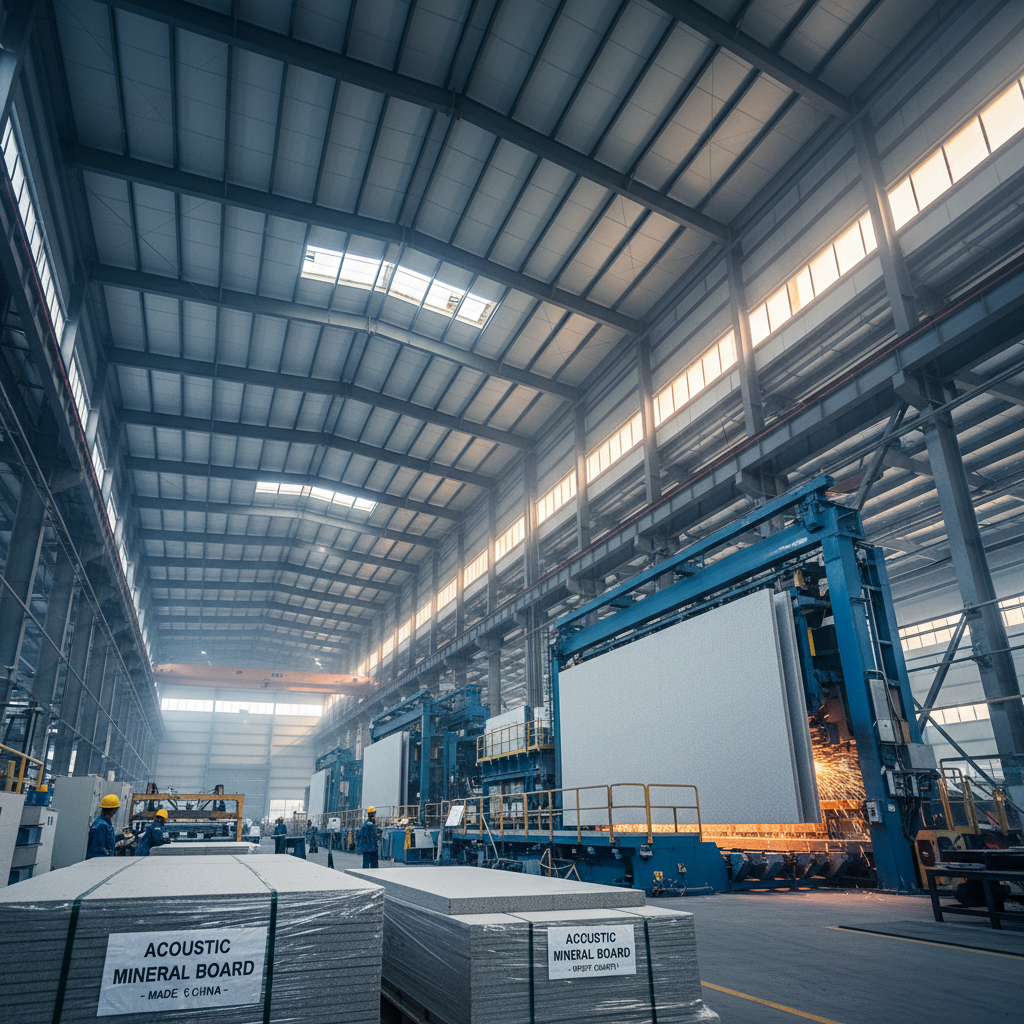
Mineral fiber planks for ceiling are prefabricated ceiling tiles or panels composed primarily of mineral wool—a material derived from molten rock or slag spun into fine fibers. These fibers are then bonded together using a binder, typically starch-based, and formed into planks of varying sizes and thicknesses. Their defining characteristic lies in their ability to absorb sound and resist fire, making them ideal for a wide variety of interior applications.
These planks differ from traditional ceiling materials like gypsum or wood in several key ways. Gypsum is denser and less effective at sound absorption, while wood is combustible and requires fire retardant treatments. Mineral fiber planks provide an inherently fire-safe and acoustically superior alternative. Their relatively lightweight nature also simplifies installation, reducing structural load requirements.
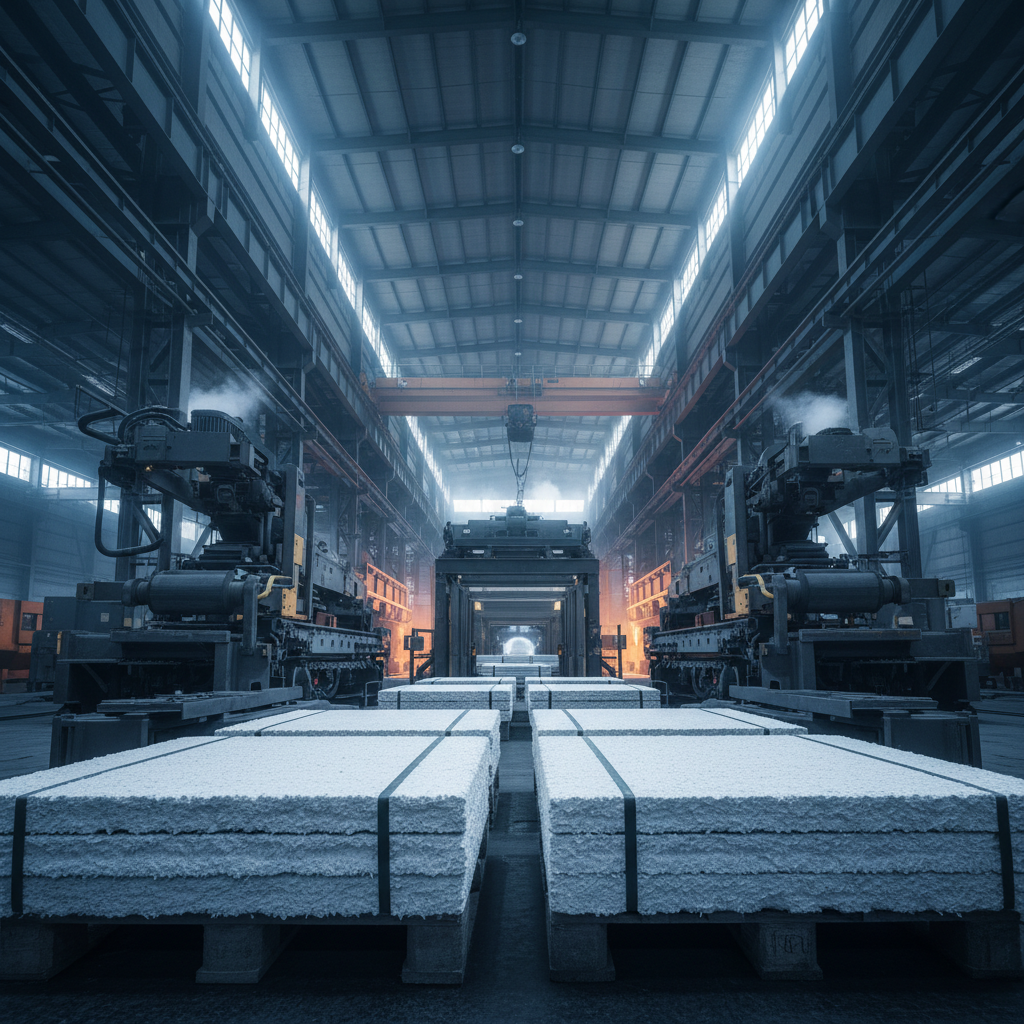
The production of mineral fiber planks aligns with modern sustainability goals, as many manufacturers utilize recycled materials in their composition, reducing waste and minimizing environmental impact. This makes them an environmentally responsible choice for building projects seeking green certifications.
Key Characteristics of Mineral Fiber Planks
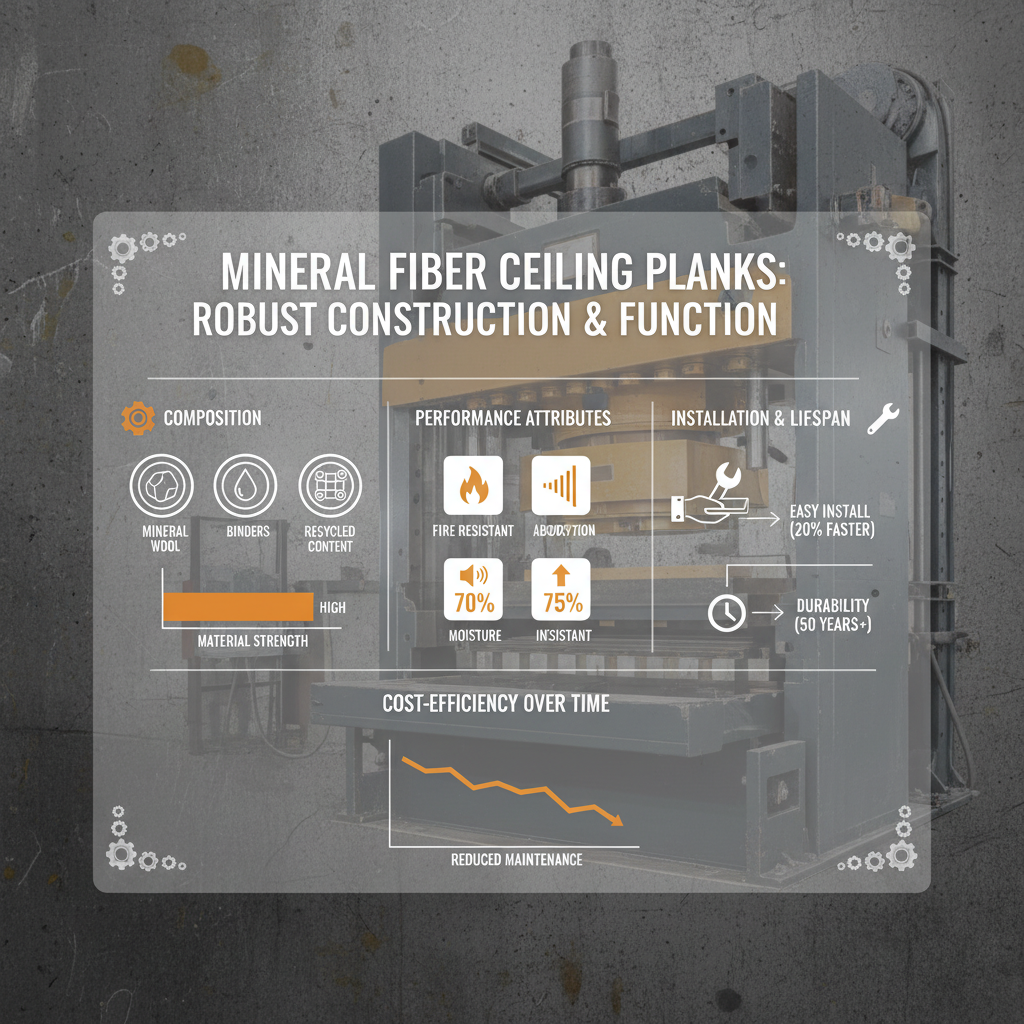
Durability is a cornerstone of mineral fiber plank performance. These planks are resistant to sagging, warping, and impact damage, ensuring a long service life with minimal maintenance. Their dimensional stability is particularly important in environments with fluctuating humidity levels, preventing unsightly deformations.
Acoustic performance is perhaps the most celebrated characteristic of mineral fiber planks. The porous structure of the mineral fibers effectively absorbs sound waves, reducing noise levels and improving speech intelligibility. This is particularly beneficial in offices, classrooms, and healthcare facilities where noise control is paramount. Different densities and surface textures can be selected to achieve specific acoustic requirements.
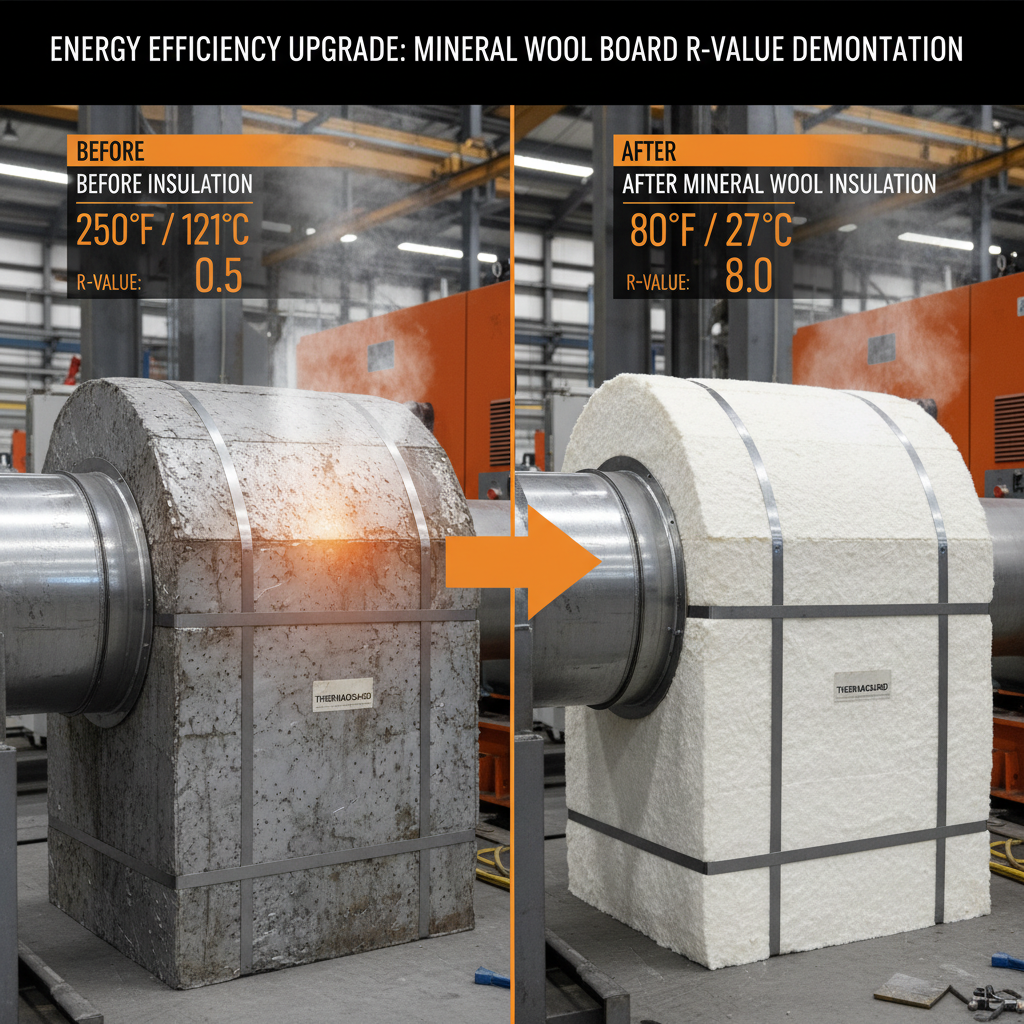
Fire resistance is a non-negotiable safety feature in modern buildings. Mineral fiber planks are classified as non-combustible materials, meaning they do not contribute to the spread of flames. They can withstand high temperatures for extended periods, providing valuable time for evacuation and fire suppression.
Applications of Mineral Fiber Planks
The versatility of mineral fiber planks allows for widespread application across various sectors. In commercial buildings, they are commonly used in open-plan offices to mitigate noise and enhance acoustic privacy. Their clean aesthetic also complements modern office designs. In educational institutions, they contribute to improved learning environments by reducing distractions and enhancing speech clarity.
Healthcare facilities benefit significantly from the sound-absorbing properties of mineral fiber planks, creating quieter and more calming environments for patients and staff. Their hygienic surfaces are also easy to clean and maintain, essential in medical settings. Furthermore, they are utilized in recording studios and home theaters to optimize acoustic performance and deliver immersive audio experiences.
Performance Characteristics of Mineral Fiber Plank Types
Advantages and Long-Term Value
The cost-effectiveness of mineral fiber planks extends beyond their initial purchase price. Their durability reduces the need for frequent replacements, lowering lifecycle costs. The lightweight nature simplifies installation, reducing labor expenses and project timelines.
From a sustainability perspective, the use of recycled content in many mineral fiber plank formulations minimizes environmental impact. Their contribution to improved indoor air quality and reduced noise pollution enhances occupant well-being, fostering more productive and comfortable environments.
Future Trends in Mineral Fiber Technology
Ongoing research and development efforts are focused on enhancing the performance and sustainability of mineral fiber planks. One key area of innovation is the incorporation of bio-based binders, reducing reliance on traditional starch-based adhesives and minimizing environmental footprint.
Another trend is the development of mineral fiber planks with enhanced acoustic properties, utilizing advanced fiber structures and surface treatments to achieve even greater sound absorption. Smart ceiling systems, integrating sensors and lighting into mineral fiber plank panels, are also emerging as a potential future direction.
The increased demand for aesthetically versatile options is driving manufacturers to offer a wider range of textures, colors, and patterns, allowing for greater design flexibility.
Challenges and Solutions in Implementation
One common challenge is maintaining the integrity of mineral fiber planks during installation and handling. These planks can be susceptible to damage if not handled carefully, requiring proper storage and protection during transportation and installation.
Another consideration is dust generation during cutting and installation. Appropriate ventilation and the use of dust masks are recommended to minimize exposure. Proper sealing of the planks may also be necessary to prevent the release of mineral fibers over time, although modern manufacturing processes significantly reduce this risk.
Addressing these challenges requires careful planning, proper handling techniques, and adherence to manufacturer's recommendations. Investing in quality installation tools and providing adequate training to installers can help ensure a successful and long-lasting outcome.
Summary of Key Implementation Considerations for Mineral Fiber Planks
| Challenge Area |
Severity (1-10) |
Potential Solution |
Implementation Cost (1-10) |
| Physical Damage During Handling |
6 |
Protective Packaging & Careful Transport |
2 |
| Dust Generation During Cutting |
7 |
Ventilation & Dust Masks |
1 |
| Moisture Absorption |
4 |
Proper Storage & Sealing |
3 |
| Sagging Over Time (Span Length) |
5 |
Optimal Support Spacing & Plank Thickness |
4 |
| Aesthetic Consistency Across Panels |
3 |
Batch Consistency & Careful Layout Planning |
2 |
| Long-Term Fiber Release |
2 |
Sealing & Modern Manufacturing Processes |
3 |
FAQS
Mineral fiber planks offer superior acoustic performance, inherent fire resistance, and a lightweight design compared to traditional ceiling tiles like gypsum. They are often more sustainable due to the use of recycled content and provide a more aesthetically versatile solution with diverse textures and patterns. Additionally, installation is typically faster and less labor-intensive, leading to cost savings. Mineral fiber planks for ceiling are an excellent option for a variety of applications.
While mineral fiber planks are generally resistant to moisture, prolonged exposure to high humidity can affect their performance. Selecting planks specifically designed for humid environments or applying a moisture-resistant coating is recommended. Proper ventilation in the space is also crucial to prevent condensation and maintain the integrity of the planks. Careful consideration of the application environment is essential.
Mineral fiber planks often incorporate recycled materials, reducing waste and minimizing environmental impact. They also contribute to improved indoor environmental quality by absorbing sound and reducing noise pollution. Their long lifespan reduces the need for frequent replacements, further enhancing their sustainability profile. Choosing manufacturers committed to responsible sourcing and production practices is important.
With proper installation and maintenance, mineral fiber planks can have a lifespan of 15-20 years or even longer in commercial settings. Regular cleaning and avoiding physical damage are essential for maximizing their longevity. The specific lifespan will depend on the environmental conditions and the quality of the planks themselves. mineral fiber planks for ceiling, with proper care, offer a long-term, cost-effective solution.
It is recommended to wear dust masks and eye protection during cutting and installation to minimize exposure to mineral fibers. Ensure adequate ventilation in the work area. Handle the planks carefully to avoid damage and follow the manufacturer's instructions for proper installation techniques. Always prioritize safety and adhere to local building codes.
Yes, many mineral fiber planks can be painted or finished, but it's essential to use paints specifically designed for porous surfaces. Primer application is often recommended to ensure proper adhesion and uniform color. Avoid using harsh chemicals or abrasive cleaners, as they can damage the surface of the planks. Always consult the manufacturer's guidelines before applying any finishes.
Conclusion
In summary, mineral fiber planks for ceiling represent a compelling solution for architects, contractors, and building owners seeking a balance of performance, affordability, and sustainability. Their superior acoustic properties, inherent fire resistance, and design versatility make them an ideal choice for a wide range of applications, from commercial offices to educational institutions and healthcare facilities. Investing in these planks delivers long-term value through reduced lifecycle costs, improved indoor environmental quality, and enhanced safety.
As technology continues to advance, we can expect further innovations in mineral fiber plank technology, with a focus on enhanced sustainability, improved acoustic performance, and greater design flexibility. Embracing these advancements will be crucial for creating more comfortable, productive, and environmentally responsible built environments. For more information and to explore our range of products, visit our website: www.xingyuanceilings.com.