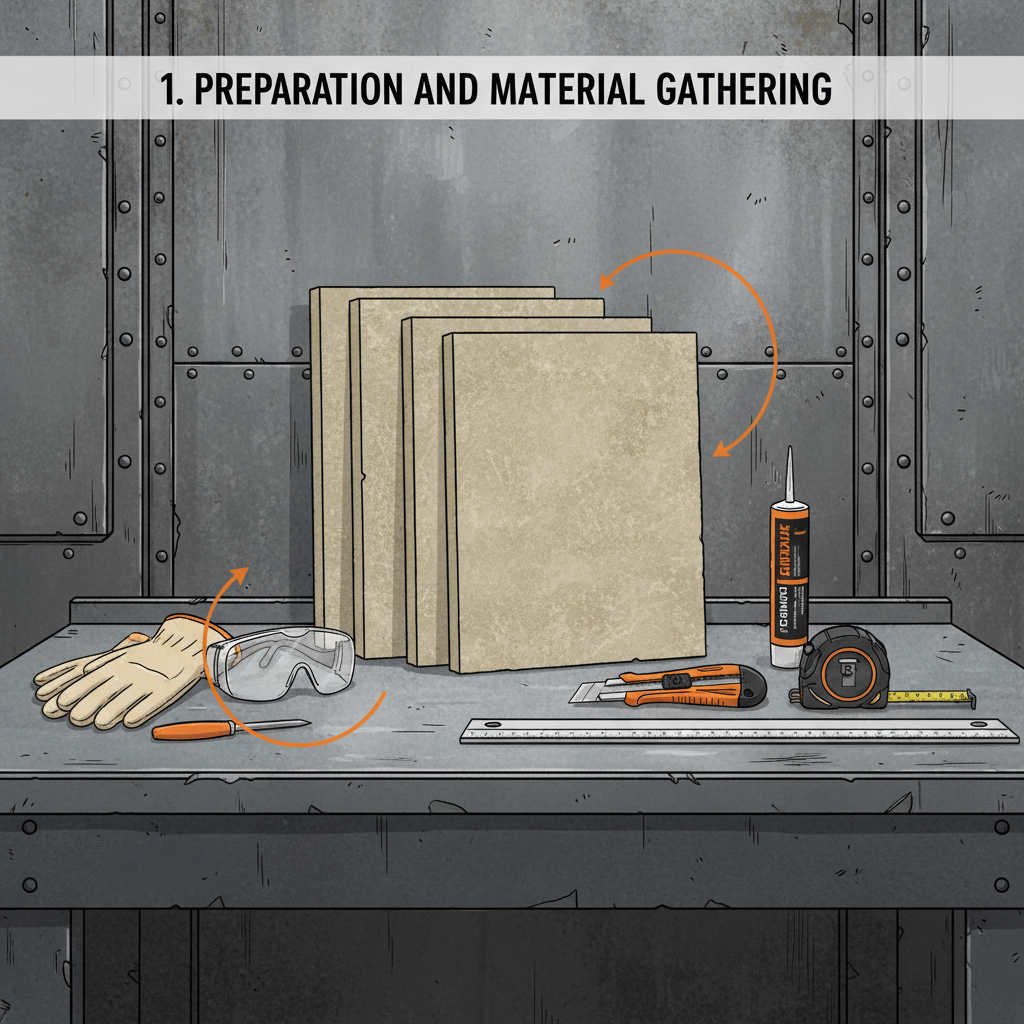
Mineral fiber tile represents a significant advancement in modern building materials, offering a versatile and cost-effective solution for acoustic and thermal performance. Globally, the demand for sustainable and efficient building products is soaring, driven by increasing urbanization and a growing awareness of environmental concerns. Mineral fiber tile addresses this need by utilizing recycled materials and providing exceptional sound absorption, creating more comfortable and productive indoor environments. This demand is particularly strong in commercial, educational, and healthcare sectors, making mineral fiber tile a crucial component of contemporary construction.
The global construction industry is currently valued at trillions of dollars, and acoustic solutions represent a multi-billion dollar market segment within it. Organizations like the United Nations and the World Bank are prioritizing sustainable development goals, encouraging the use of eco-friendly materials in infrastructure projects. The rising demand for energy efficiency, coupled with stricter building codes regarding noise reduction, is further fueling the adoption of materials like mineral fiber tile. This is particularly evident in rapidly developing economies where infrastructure development is a key priority.
Understanding the properties and applications of mineral fiber tile is vital for architects, contractors, and building owners striving to create high-performing, sustainable, and comfortable spaces. It is not simply a ceiling material; it's a foundational element in creating effective interior environments, impacting occupant wellbeing and overall building performance. Its adaptability and affordability make it a compelling choice across a wide range of projects.
Introduction to Mineral Fiber Tile
Mineral fiber tile is a widely used interior finishing material prized for its acoustic absorption qualities. It’s commonly found in commercial spaces, schools, and hospitals where noise control is paramount. The tile’s composition, typically a blend of mineral wool, clay, and other recycled materials, allows it to effectively dampen sound waves, creating quieter and more productive environments. This makes it an essential component in modern interior design aimed at improving occupant comfort and well-being.
The popularity of mineral fiber tile stems from its ability to address several key building performance challenges simultaneously. Beyond sound absorption, it offers thermal insulation and fire resistance, contributing to overall building safety and energy efficiency. Its lightweight nature simplifies installation, and its versatility allows for a range of aesthetic finishes, making it suitable for diverse design schemes.
Defining Mineral Fiber Tile
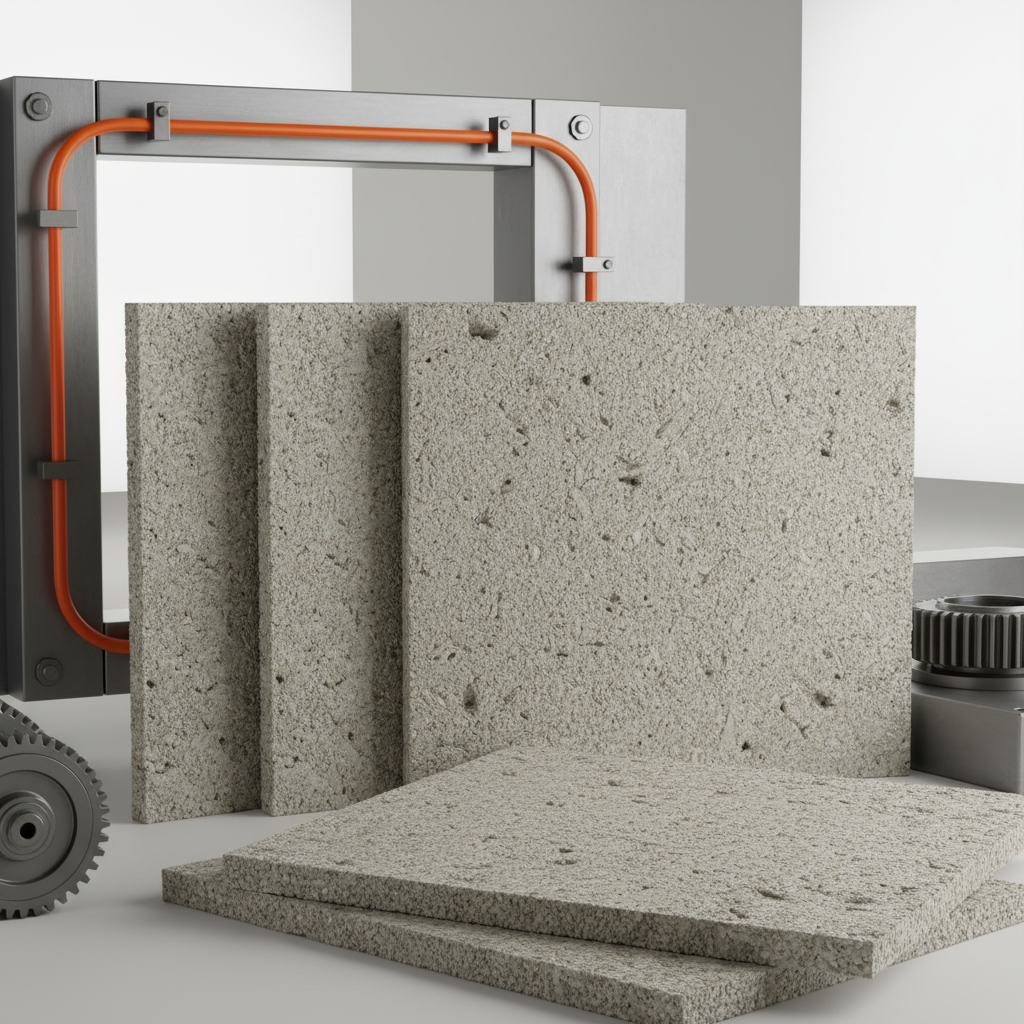
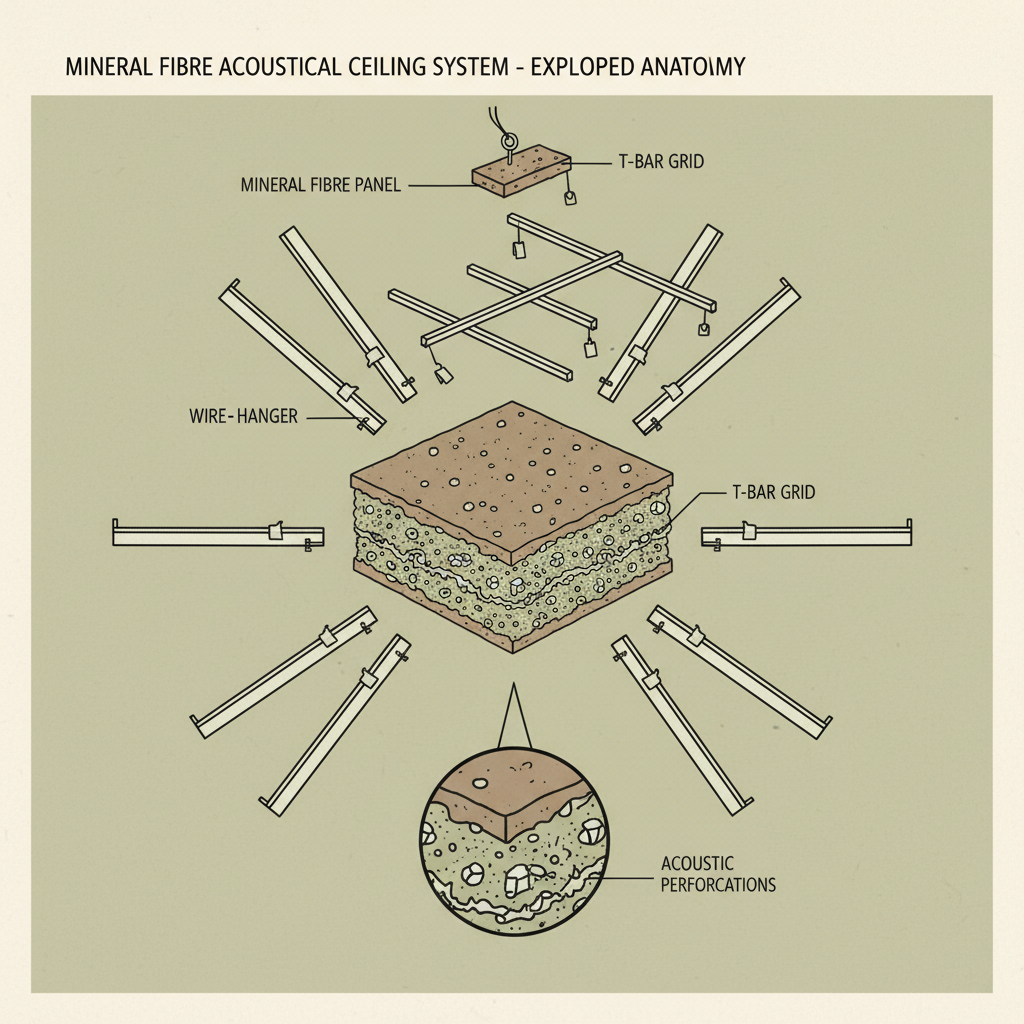
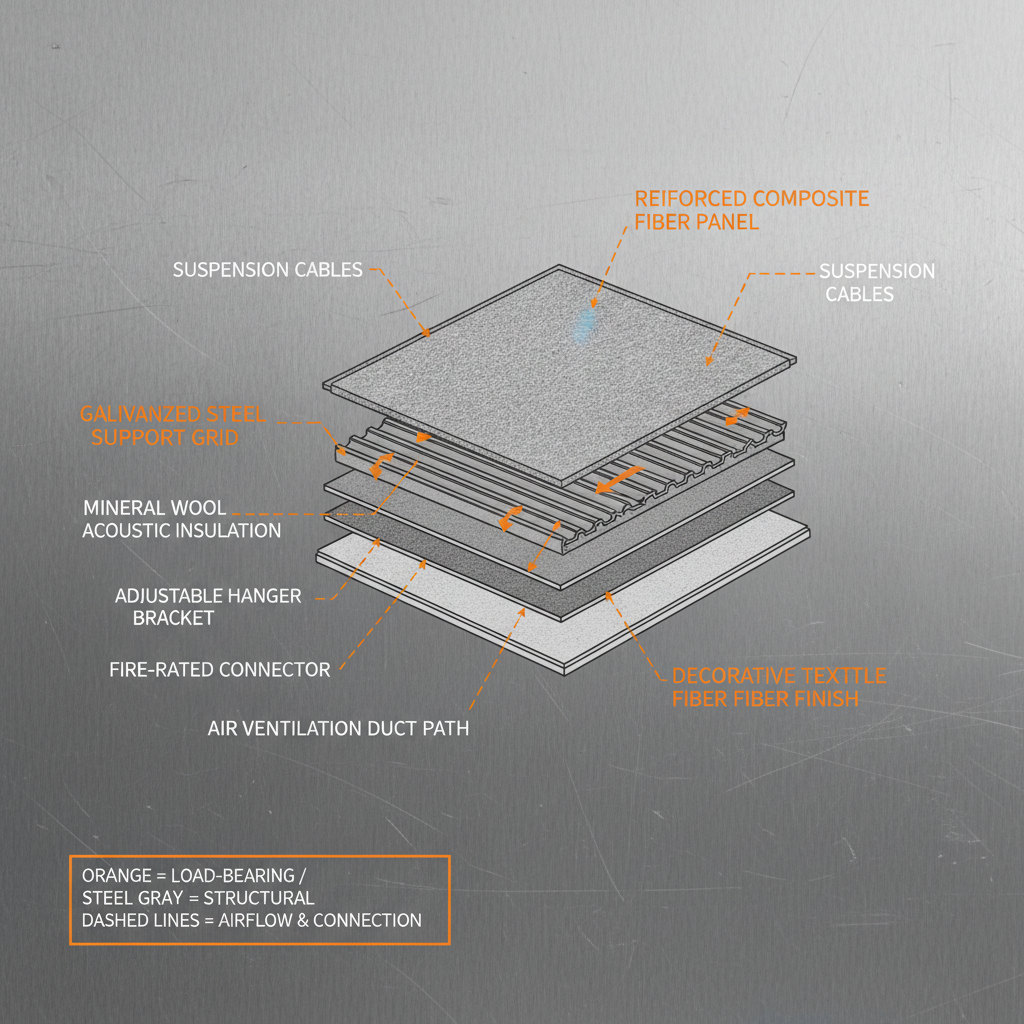
At its core, mineral fiber tile is a composite material engineered for acoustic and thermal control within interior spaces. It's manufactured from a combination of mineral wool (often slag wool or rock wool), clay, cellulose fibers, and a binding agent. The resulting tile possesses a porous structure that effectively traps and dissipates sound energy, reducing reverberation and noise levels. This inherent characteristic differentiates it from other ceiling materials like gypsum or wood.
The connection to modern industry lies in the increasing demand for high-performance building materials that enhance occupant comfort and productivity. As workplaces evolve towards more open-plan designs, the need for effective sound management becomes critical. Mineral fiber tile provides a cost-effective and aesthetically pleasing solution to this challenge, facilitating collaboration and concentration.
Its relevance to humanitarian needs, while less direct, resides in its potential for use in temporary shelters and emergency facilities. Its lightweight properties, fire resistance, and acoustic benefits can contribute to more comfortable and safe environments in disaster relief scenarios.
Core Properties of Mineral Fiber Tile
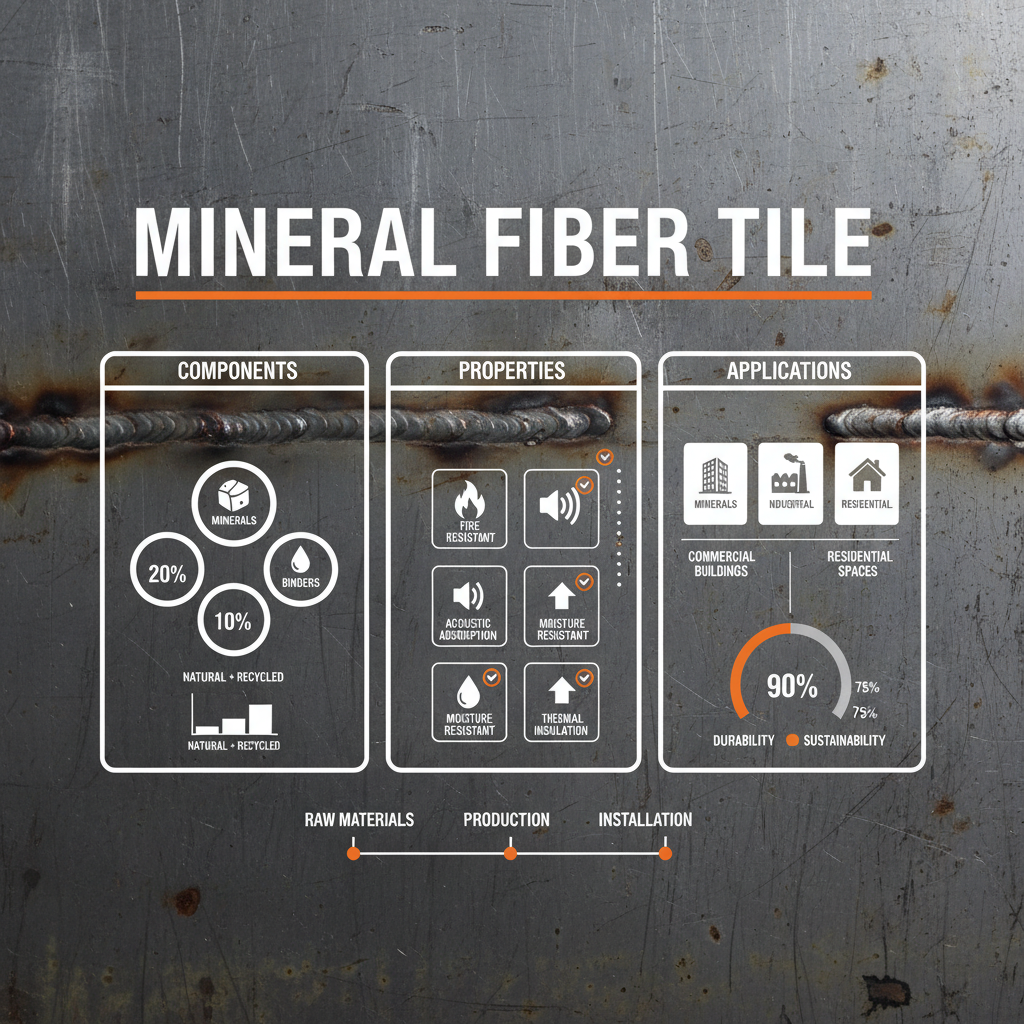
The effectiveness of mineral fiber tile hinges on several key properties. First, its high Noise Reduction Coefficient (NRC) indicates its ability to absorb sound energy across a wide range of frequencies. Second, its thermal resistance (R-value) contributes to energy efficiency by reducing heat transfer through the ceiling. Third, its inherent fire resistance provides an important safety feature, minimizing the spread of flames and smoke.
Furthermore, mineral fiber tile is relatively lightweight, simplifying installation and reducing structural load requirements. It also boasts good dimensional stability, resisting warping or sagging over time. Many formulations incorporate recycled content, aligning with sustainability goals and reducing environmental impact. The composition allows for a degree of flexibility in design, offering various textures and patterns.
The manufacturing process also influences the tile's properties. The density of the material, the type of mineral wool used, and the binding agent all contribute to its performance characteristics. Manufacturers often tailor formulations to meet specific acoustic or aesthetic requirements, providing a range of options for different applications.
Key Performance Indicators
Evaluating mineral fiber tile performance requires understanding several key indicators. The Noise Reduction Coefficient (NRC) is paramount, indicating the percentage of sound energy absorbed. Higher NRC values equate to better sound absorption. Fire resistance, measured by ASTM E84 standards, assesses flame spread and smoke development. Lower numbers signify better fire safety.
Thermal resistance (R-value) is crucial for energy efficiency, quantifying the material’s ability to resist heat flow. Sag resistance, tested through controlled humidity and loading, evaluates the tile's dimensional stability. Finally, recycled content percentage reflects the material’s environmental footprint and contribution to sustainable building practices.
Mineral Fiber Tile Performance Comparison
Global Applications and Use Cases
Mineral fiber tile finds extensive application in a diverse range of settings worldwide. Commercial offices represent a major market, where noise control is crucial for productivity and employee well-being. Educational institutions, from classrooms to lecture halls, benefit from improved acoustics, enhancing learning environments. Healthcare facilities utilize it to create quieter, more calming spaces for patients and staff.
In post-disaster relief operations, mineral fiber tile can provide a relatively quick and affordable solution for creating temporary shelters with improved acoustic and thermal properties. Remote industrial zones often utilize it for its durability and sound absorption capabilities, creating safer and more comfortable working conditions. Across Europe, stringent building codes regarding noise pollution drive the demand for high-performance acoustic materials like mineral fiber tile.
Advantages and Long-Term Value
The advantages of choosing mineral fiber tile extend beyond immediate cost savings. Its durability ensures a long service life, reducing the need for frequent replacements. The use of recycled materials contributes to sustainability efforts, aligning with green building practices. The improved acoustic environment enhances occupant comfort, leading to increased productivity and well-being.
From a long-term perspective, mineral fiber tile offers a tangible return on investment through reduced energy consumption, improved employee morale, and enhanced building aesthetics. It represents a commitment to creating spaces that are not only functional but also prioritize the health and happiness of occupants, fostering a sense of safety, dignity, and innovation.
Future Trends and Innovations
The future of mineral fiber tile lies in continued innovation regarding material composition and manufacturing processes. Research is focused on incorporating even higher percentages of recycled content, reducing the material’s carbon footprint. Developments in nanotechnology are exploring ways to enhance its acoustic performance and fire resistance. Integration with smart building technologies, such as sensors that monitor air quality and sound levels, is also on the horizon.
The increasing emphasis on biophilic design, incorporating natural elements into interior spaces, is driving demand for mineral fiber tile with organic textures and patterns. Furthermore, advancements in digital printing techniques are enabling greater customization and design flexibility. The convergence of these trends promises to deliver even more sustainable, high-performing, and aesthetically appealing mineral fiber tile solutions in the years to come.
The integration with Building Information Modeling (BIM) software will streamline the specification and installation process. Furthermore, the development of self-cleaning coatings will reduce maintenance costs and extend the lifespan of the tile.
FAQS
In a typical office environment with proper maintenance, mineral fiber tile can last for 15-20 years or even longer. The lifespan is influenced by factors such as humidity levels, air quality, and the frequency of cleaning. Regular cleaning to remove dust and dirt will help maintain its acoustic and aesthetic properties. Properly installed tiles with appropriate suspension systems will also contribute to longevity.
Mineral fiber tile generally boasts excellent fire resistance. Its mineral composition is inherently non-combustible, and it typically receives a Class A fire rating, the highest possible. This means it can withstand high temperatures and minimize flame spread, offering a significant safety advantage over materials like wood or certain plastics. Check the specific ASTM E84 ratings for individual products to verify their performance.
Yes, mineral fiber tile is considered a relatively environmentally friendly material. Many manufacturers incorporate a significant percentage of recycled content, often exceeding 70%, including recycled glass, slag wool, and other industrial byproducts. This reduces the demand for virgin materials and minimizes landfill waste. Look for products with third-party certifications like UL Environment to verify their environmental claims.
High humidity can potentially affect the performance of mineral fiber tile, leading to sagging or a reduction in its acoustic properties. However, most high-quality mineral fiber tiles are designed to withstand normal humidity levels. It’s important to choose tiles specifically rated for humid environments if installing them in areas like bathrooms or kitchens. Proper ventilation and humidity control are also crucial.
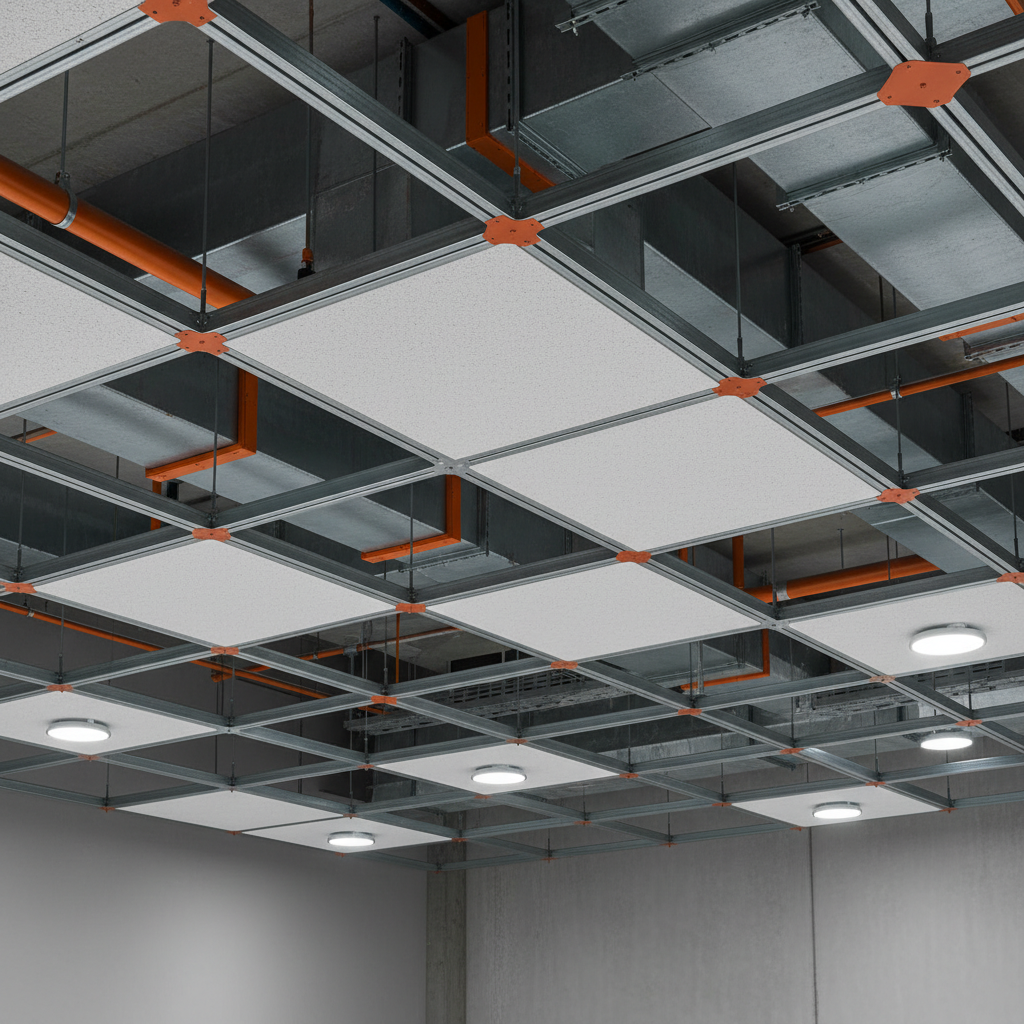
Mineral fiber tile installation is generally considered straightforward, but it requires some basic carpentry skills and attention to detail. While it can be a DIY project for experienced homeowners, professional installation is often recommended, especially for larger areas. Proper suspension system installation is crucial for optimal performance and safety. Incorrect installation can lead to sagging or other issues.
The cost of mineral fiber tile installation varies depending on several factors, including the size of the area, the complexity of the design, and labor rates. The material cost typically ranges from $1 to $4 per square foot. Installation costs can add another $1 to $3 per square foot, bringing the total cost to $2 to $7 per square foot. Obtaining quotes from multiple contractors is recommended to ensure competitive pricing.
Conclusion
In conclusion, mineral fiber tile stands as a versatile and valuable building material, offering a compelling combination of acoustic performance, thermal efficiency, fire resistance, and sustainability. Its adaptability to diverse applications, coupled with its long-term value proposition, makes it a preferred choice for architects, contractors, and building owners globally. From improving workplace productivity to enhancing the safety and comfort of educational and healthcare environments, its impact is far-reaching.
Looking ahead, continued innovation in materials and manufacturing processes promises to further enhance the performance and sustainability of mineral fiber tile. Embracing these advancements will be crucial for creating more efficient, comfortable, and environmentally responsible buildings in the future. To learn more about our range of mineral fiber tile products and find the perfect solution for your project, visit our website: www.xingyuanceilings.com.