Look, I’ve been running around construction sites for twenty years, and you start to see patterns. Right now, everyone’s obsessed with “green” – low VOC, sustainable sourcing… it’s good, don’t get me wrong, but it adds layers of complexity. To be honest, half the time the guys on site just want something that works and doesn’t fall apart. It’s a balance, you know? They’re pushing for lighter weight materials too. Makes a difference when you’re hauling stuff up ten stories.
What really gets me, though, is design. So many architects and engineers come up with these beautiful renderings, but they haven’t spent a day actually installing the stuff. Have you noticed how often they specify these super-tight tolerances? Like, down to the millimeter? In the real world, buildings shift, foundations settle… you need a little wiggle room. It drives me crazy.
And then there’s the whole thing with mineral fiber board. It’s… a workhorse. Honestly. You smell it, and you know it. That slightly dusty, almost earthy scent. Feels a bit rough to the touch – not like those fancy gypsum boards. You gotta wear gloves, though, little bits can get under your skin. I encountered this at a factory in Foshan last time, their dust control wasn’t great. It’s not glamorous, but it gets the job done.
The Current Landscape & Design Pitfalls
Strangely, everyone wants stuff to be thinner now. Thinner walls, thinner ceilings... they want to maximize space, which is fair enough. But thinner means less soundproofing, less fire resistance. It’s a constant trade-off. And architects? They’re great at drawing lines on paper, not so great at understanding how things are actually put together. I swear, sometimes I think they've never held a hammer in their life.
We’re seeing more demand for moisture-resistant boards too, especially in coastal areas. Salt air is brutal on building materials. You need something that can hold up, otherwise you’re looking at constant repairs. The cost adds up, believe me.
The Feel and Fabrication of Mineral Fiber Board
You know, when you’re handling mineral fiber board, it’s… different. It’s not like plywood or MDF. It’s kind of airy, but surprisingly strong. The weight is decent – not feather-light, but manageable. Cutting it is pretty easy with a utility knife, although you get a lot of dust. You need a good mask, definitely. It doesn't splinter like wood, which is a plus.
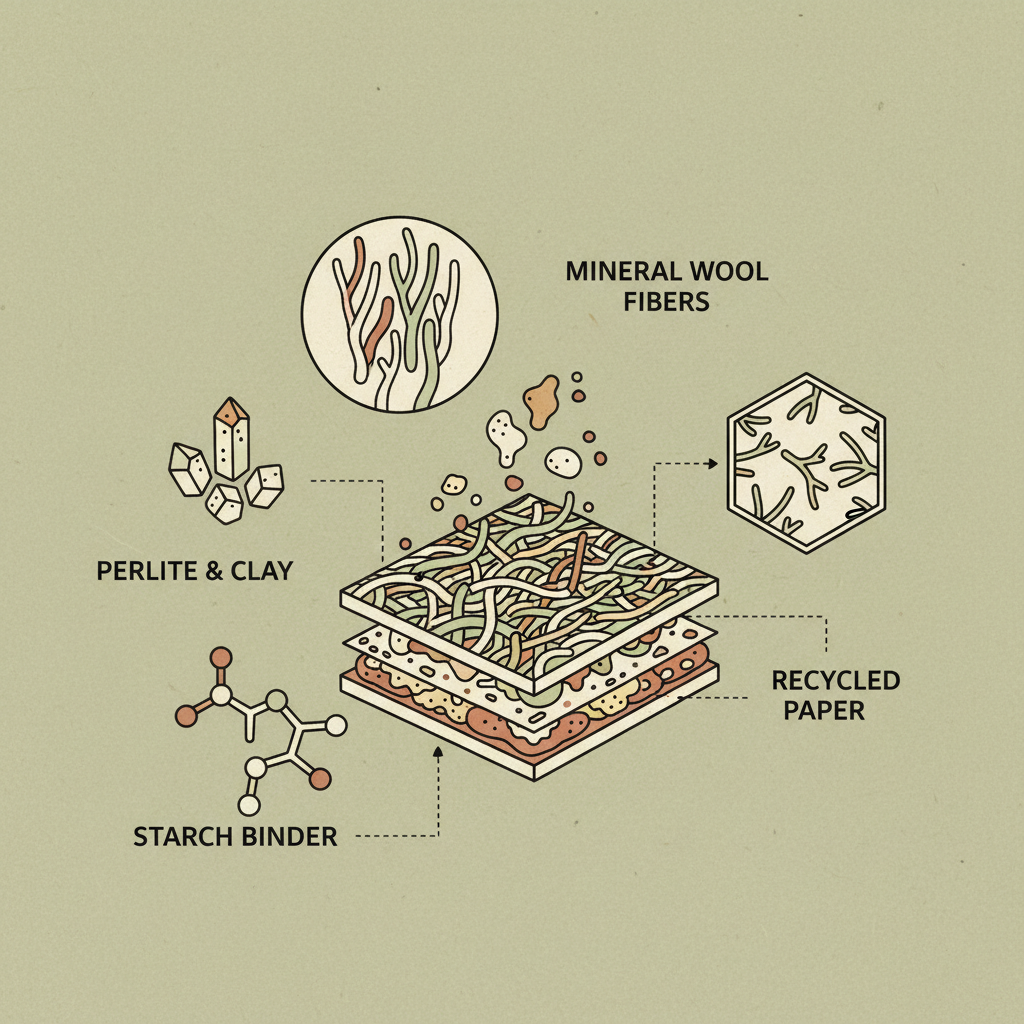
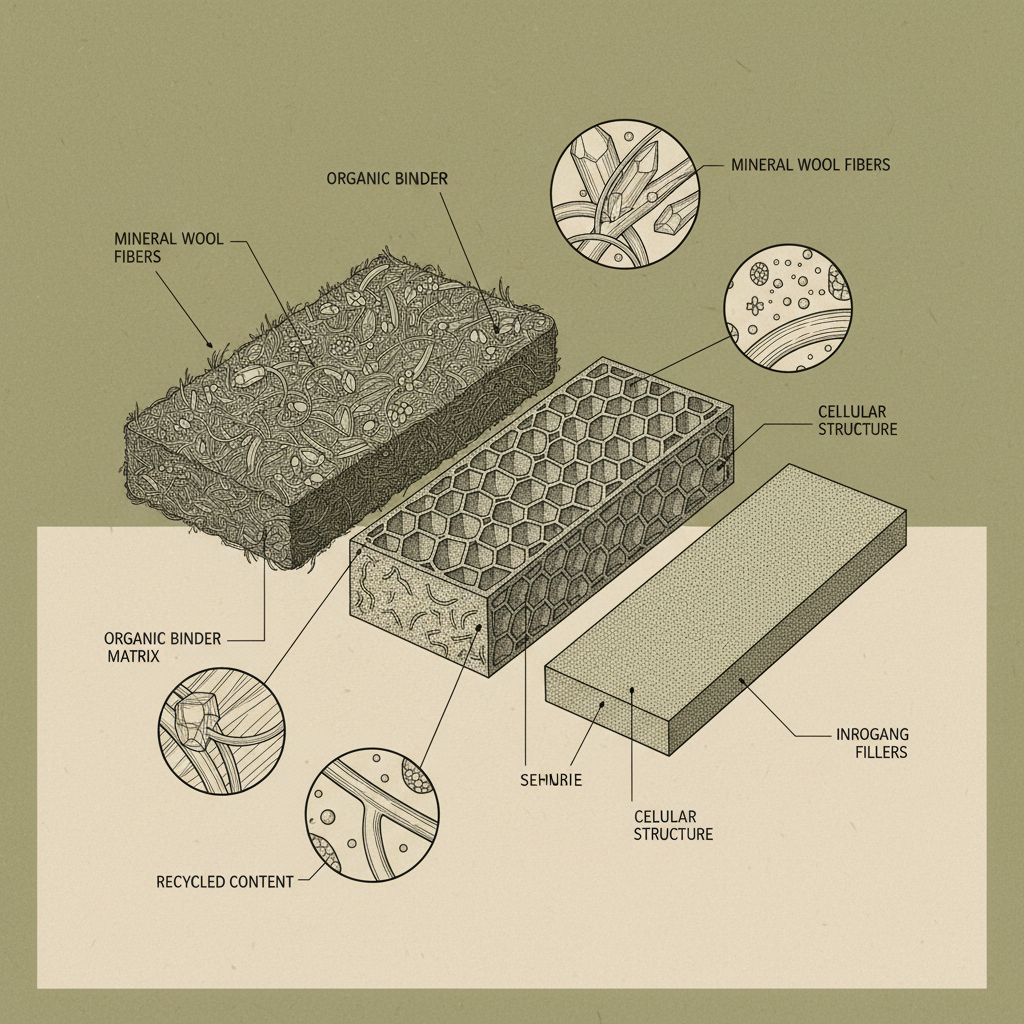
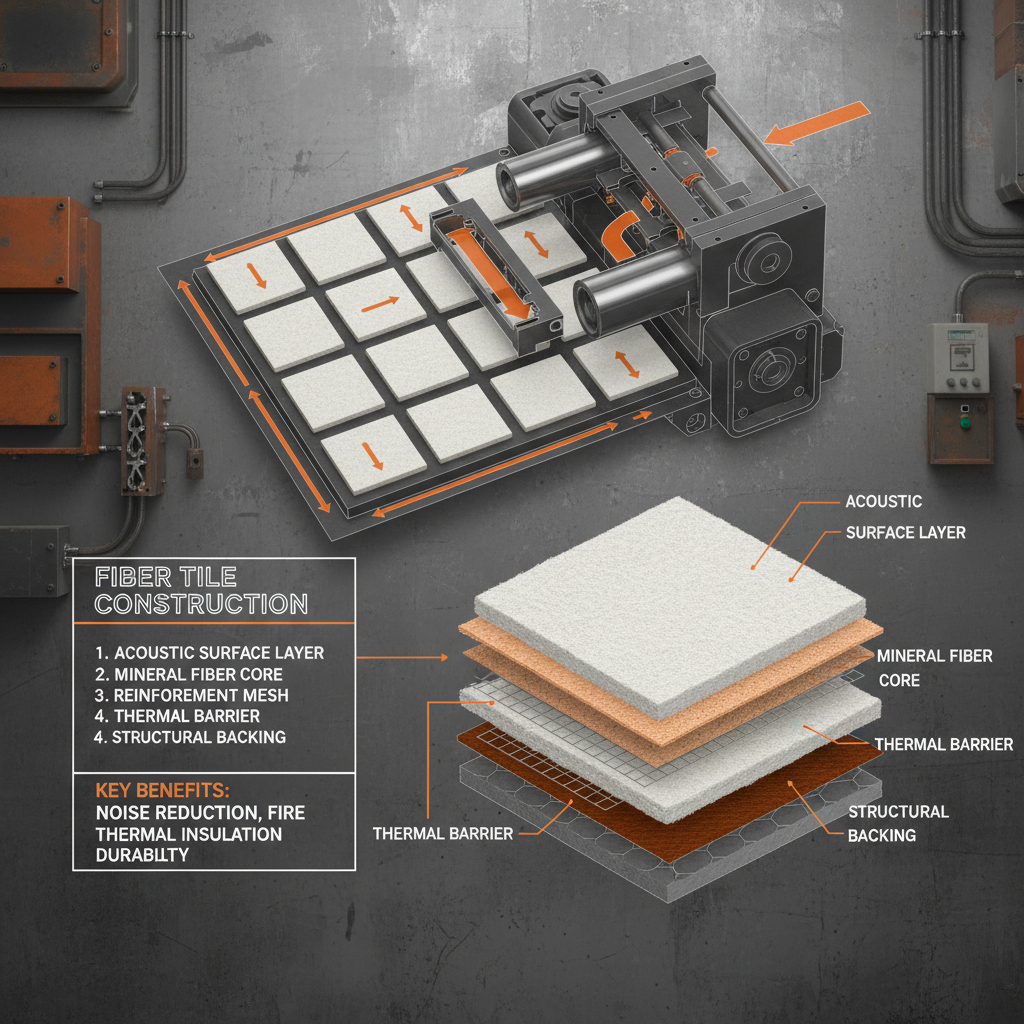
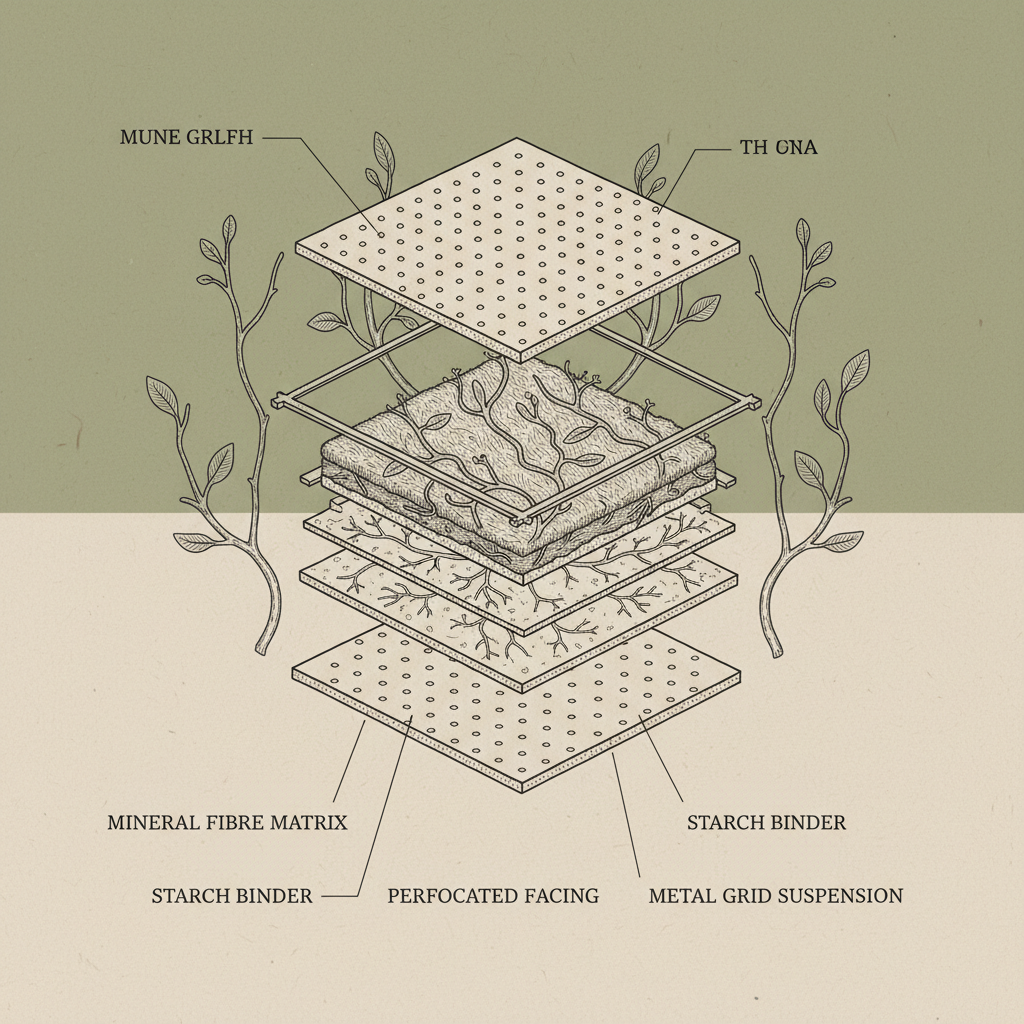
The stuff is made from, well, minerals – slag wool, rock wool, things like that. Recycled materials mostly. It’s got a binder holding it all together. The quality of the binder is key. Cheap binders crumble over time. You can usually tell by just squeezing the board. Does it feel solid, or does it give way too easily?
And the density… that’s important too. Higher density means better soundproofing, but it also means more weight and a higher price. It's all about finding the sweet spot for the specific application.
Real-World Testing: Beyond the Lab
Lab tests are okay, but they don’t tell you everything. I've seen boards pass all the fire resistance tests, but then buckle under sustained humidity on a real job site. What we do is… well, we abuse it a little. We leave it out in the rain, expose it to direct sunlight, bang it around a bit.
We simulate real-world conditions as much as possible. We’ll screw it up, nail it, glue it… see how it holds. We’ll even try to break it with a hammer. Okay, maybe not always with a hammer, but you get the idea. You need to see how it behaves when it’s actually being used, not just when it's sitting in a controlled environment.
The guys on site are the best testers, honestly. They’ll tell you straight up if something doesn’t work. They have no patience for fancy reports or technical jargon. It either holds up, or it doesn’t.
How Mineral Fiber Board is Actually Used
Most of the time, you see it for ceilings. Acoustic tiles, suspended ceilings, that sort of thing. It’s great for absorbing sound. Offices, schools, hospitals… anywhere you need to control noise levels. But it’s also used for wall partitions, especially in commercial buildings. It’s a good, cost-effective way to create interior spaces.
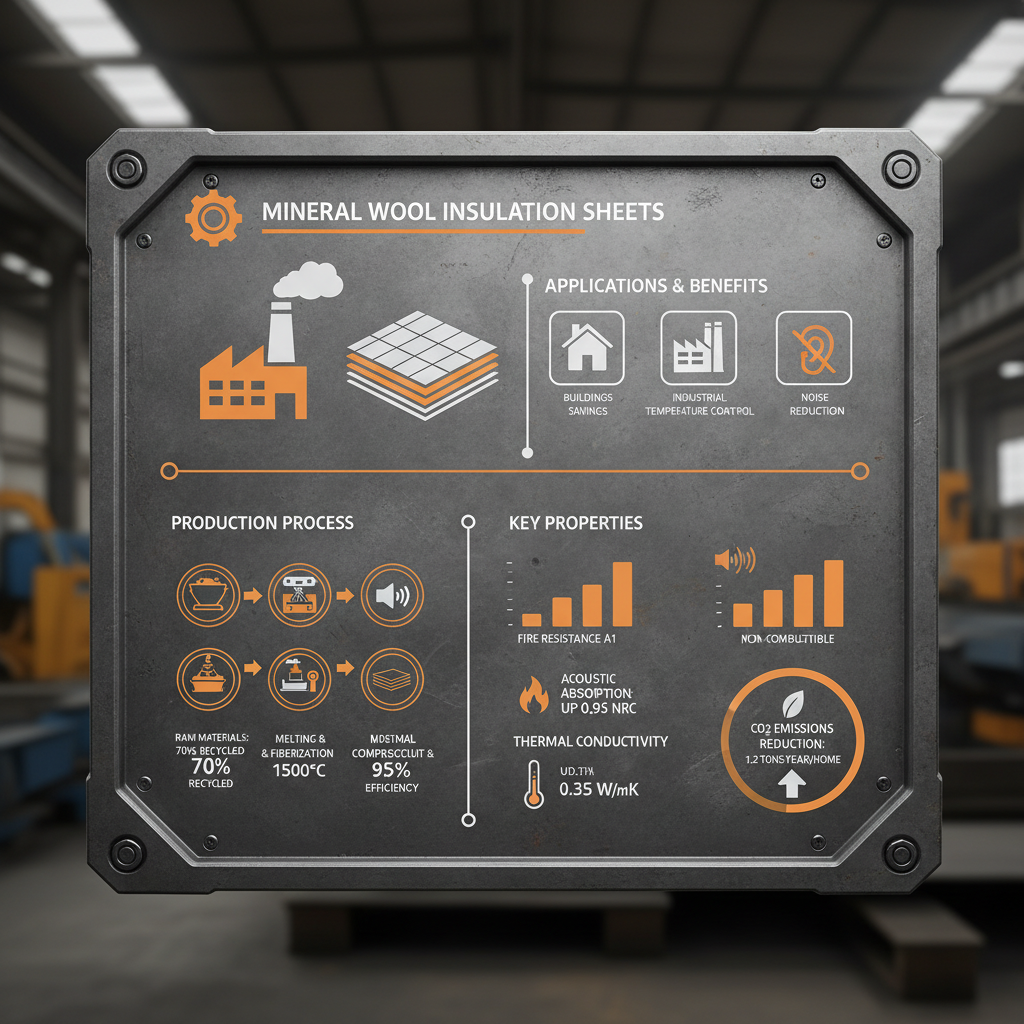
Lately, I’ve seen it used more and more for fireproofing. It’s a non-combustible material, which is a huge advantage. We used a ton of it in that new hotel downtown. They had really strict fire codes.
Mineral Fiber Board Performance Characteristics
Advantages, Disadvantages, and That Shenzhen Guy
The big advantage? Fire resistance. Hands down. It's also pretty good at soundproofing and thermal insulation. And it’s relatively inexpensive, compared to some other materials. But… it’s not perfect. It’s not particularly strong, so you need a good support structure. And it can be dusty to work with, as I mentioned.
Last month, that small boss in Shenzhen who makes smart home devices insisted on changing the interface to on a big project. He said it was "more modern." I told him, “Look, the guys on site aren't carrying USB-C screwdrivers! They're using Phillips head. You're going to add hours to the installation time.” He didn’t listen. The project went over budget, and he was not happy. Anyway, I think sometimes people get too caught up in the details and forget about practicality.
Customization: Beyond the Standard Sizes
You can get mineral fiber board in a lot of different sizes and thicknesses, but sometimes you need something specific. I had a client who wanted a board with a rounded edge for a curved wall. It wasn't a standard size, but the manufacturer was able to custom-cut it for him. Cost a bit more, of course, but it saved him a ton of time and effort.
They can also add coatings to improve water resistance or to give it a different finish. We did a project where we needed white boards for a cleanroom. They applied a special epoxy coating that made them easy to clean and sterilize.
A Look at Different Mineral Fiber Board Grades
There are different grades of mineral fiber board, depending on the application. Some are denser and stronger, others are lighter and more porous. Some are specifically designed for acoustic performance, others for fire resistance. You gotta know what you’re getting.
The lower grades are good for basic ceiling tiles. The higher grades are used for more demanding applications, like fireproofing around pipes and electrical conduits. There's a big difference in price, too. It's not always worth going with the most expensive option, but you don’t want to skimp on quality either.
The latest trend I'm seeing is boards with improved moisture resistance. They’re using different binders and coatings to prevent water damage. It’s a good step forward, honestly.
A Quick Comparison of Common Mineral Fiber Board Grades
| Grade |
Density (kg/m³) |
Fire Resistance (minutes) |
Typical Applications |
| Economy |
280-320 |
60 |
Basic ceiling tiles, general partitions |
| Standard |
350-400 |
90 |
Offices, schools, retail spaces |
| High-Density |
450-500 |
120 |
Fire-rated walls, corridors, stairwells |
| Moisture-Resistant |
380-420 |
90 |
Bathrooms, kitchens, exterior applications |
| Acoustic |
320-360 |
60 |
Recording studios, home theaters, concert halls |
| Cleanroom |
400-450 |
120 |
Pharmaceutical facilities, laboratories, food processing plants |
FAQS
Honestly, if it’s installed correctly and not subjected to constant moisture or abuse, it’ll last decades. I’ve seen stuff still looking good after twenty years. It’s not going to dramatically degrade like some other materials. You might need to replace it eventually due to aesthetic reasons—stains or sagging—but it won’t necessarily fail structurally.
It’s better than a lot of alternatives, frankly. It’s made from recycled materials – slag wool, rock wool, and so on. The manufacturing process can be energy-intensive, but a lot of companies are working on improving that. And it doesn’t release harmful VOCs, which is a big plus for indoor air quality. It’s not perfect, but it’s a step in the right direction.
You can, but you gotta prep it right. It’s porous, so you need to prime it first. Otherwise, the paint will just soak in and you’ll end up using a ton of it. Use a good quality acrylic primer, and then you can paint it with whatever color you want. Just don’t use oil-based paints, they don’t adhere well.
Utility knife and a straight edge, that’s all you need. Sharp blade is key. Score it a few times, and then snap it. Wear a dust mask, seriously. And be careful – it can crumble easily if you’re not gentle. You can also use a circular saw with a fine-tooth blade, but that creates a lot more dust.
Mineral fiber board is generally a bit more expensive than standard gypsum board. But you get what you pay for. It’s more fire-resistant, more durable, and better at soundproofing. If you’re willing to spend a little extra, it’s worth it, especially in critical applications. The savings on insurance and potential repairs can offset the initial cost.
Not using the right fasteners. You need screws specifically designed for mineral fiber board. Regular screws will just crush it. Also, people often underestimate the weight. Make sure your suspension system is strong enough to support it. And finally, don't skip the dust mask. You’ll regret it.
Conclusion
Look, mineral fiber board isn’t flashy. It’s not the sexiest building material out there. But it’s reliable, it’s cost-effective, and it gets the job done. It’s a workhorse, plain and simple. It's a solid choice for ceilings, partitions, and fireproofing, and it's only getting better with new developments in moisture resistance and sustainability.
Ultimately, whether this thing works or not, the worker will know the moment he tightens the screw. You can run all the tests you want in a lab, but it’s the guys on the ground who really put it to the test. And if they’re happy, you’re doing something right. Check out mineral fiber board for more information.