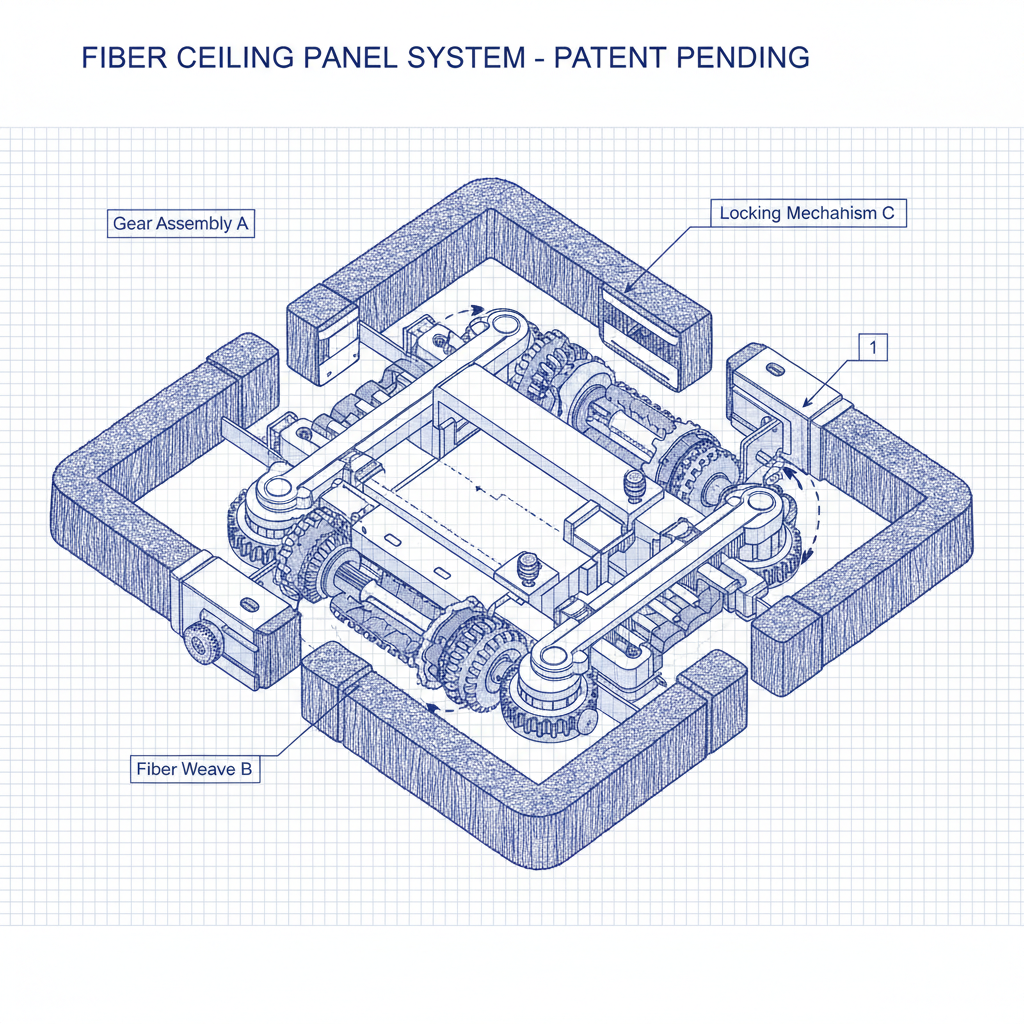
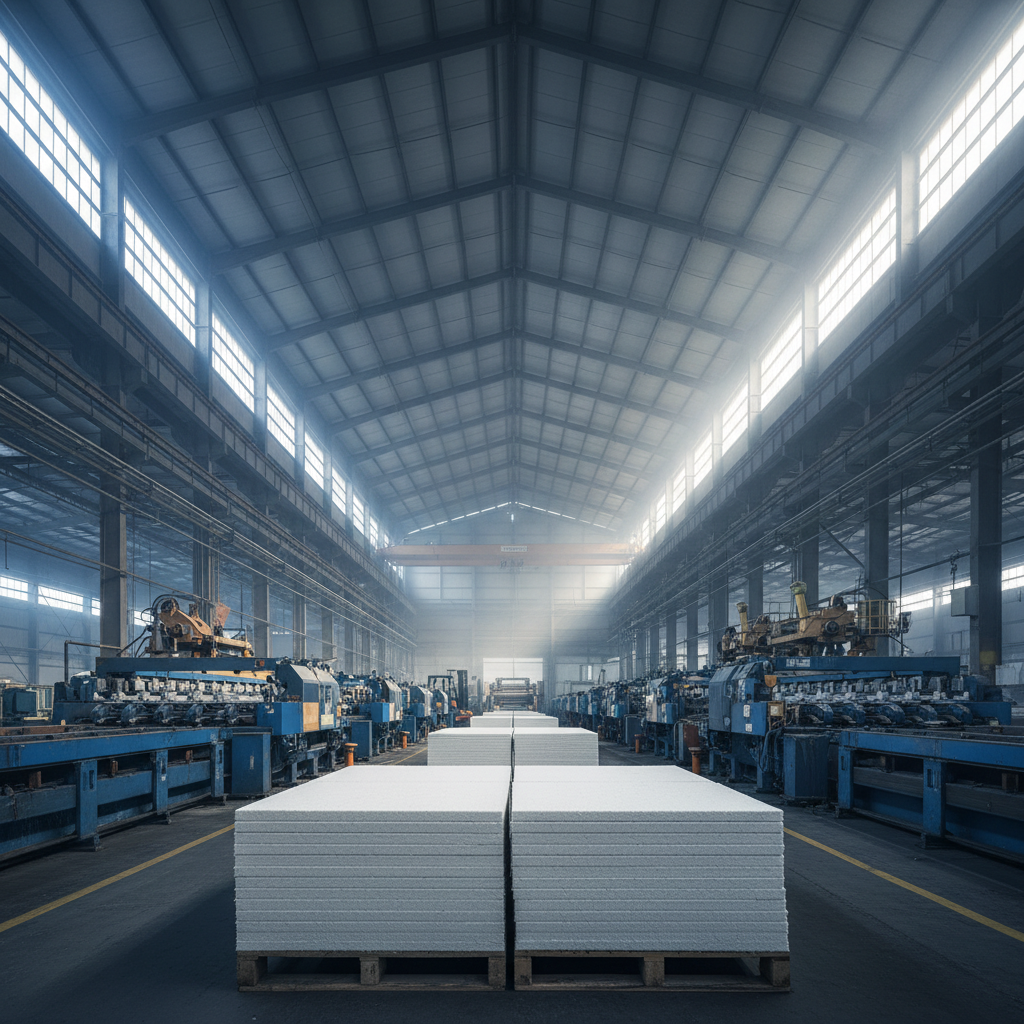
Fiber tiles, a cornerstone of modern interior design, have quietly revolutionized the way we construct and finish ceilings. Initially developed to provide a cost-effective and lightweight alternative to traditional plaster, these tiles have evolved into a sophisticated building material offering a unique blend of acoustic performance, fire resistance, and aesthetic flexibility. Their widespread adoption is driven by increasing demand for sustainable building solutions and a focus on creating comfortable, productive indoor environments.
Globally, the demand for fiber tiles is intrinsically linked to the construction boom in developing nations and the retrofitting of existing buildings in developed economies. The UN’s Sustainable Development Goals, particularly those concerning sustainable cities and communities, are fueling a need for materials that minimize environmental impact while maximizing functionality.
At its core, the appeal of fiber tiles lies in their ability to enhance the built environment. Beyond mere aesthetics, they address crucial needs like sound absorption, fire safety, and ease of installation, making them an integral part of both commercial and residential projects. We at fiber tiles specialize in providing high-quality solutions tailored to diverse requirements.
The Essence of Fiber Tiles
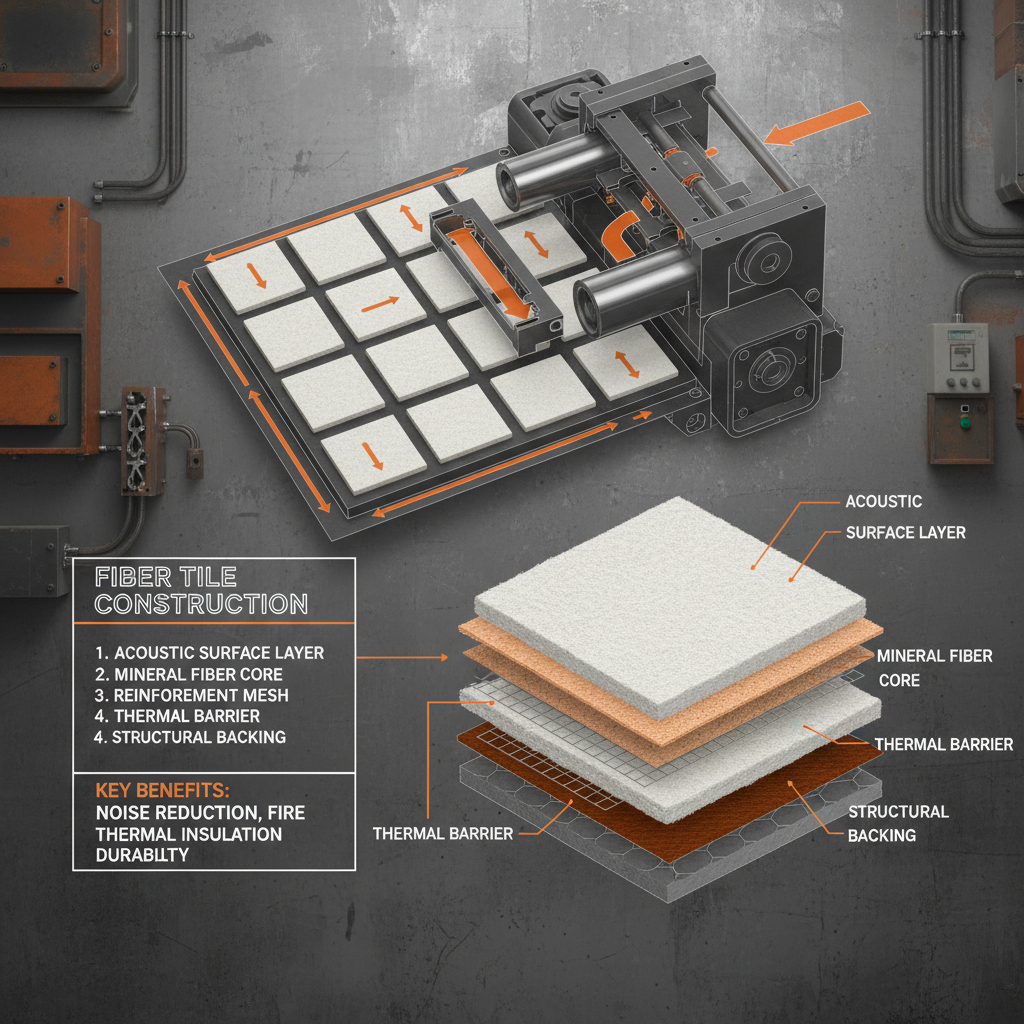
Fiber tiles aren’t simply a ceiling covering; they represent a commitment to acoustic comfort and design versatility. Composed primarily of mineral wool, cellulose fibers, or a combination of both, these tiles deliver exceptional sound absorption, reducing noise reverberation in various spaces – from bustling offices to tranquil classrooms. The inherent properties of the materials also contribute to enhanced fire resistance, providing a crucial layer of safety in any building.
Choosing the right fiber tiles means investing in a healthier and more productive environment. By mitigating noise pollution, they contribute to reduced stress levels, improved concentration, and better communication, positively impacting well-being and productivity within a space. fiber tiles offer a spectrum of options to meet these needs.
Defining Fiber Tiles: A Material Overview
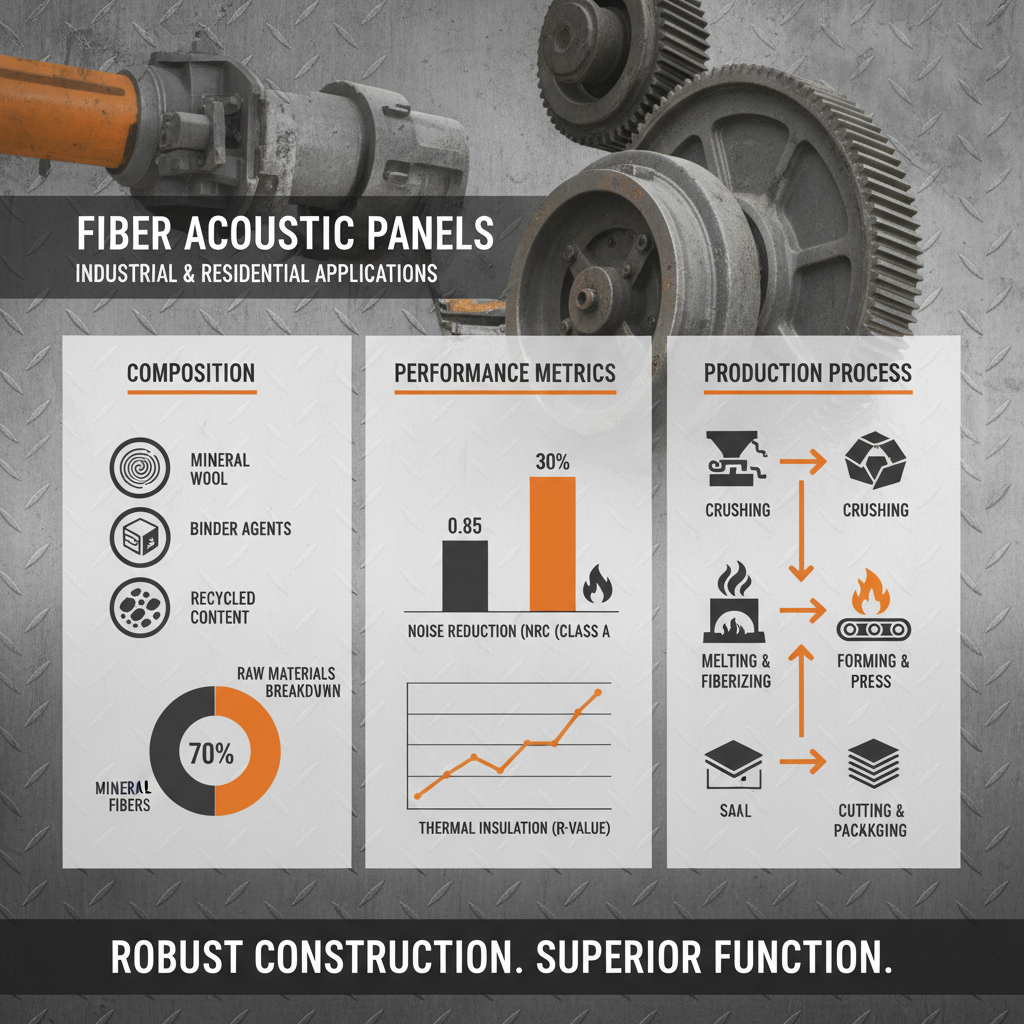
At their most fundamental level, fiber tiles are engineered composite materials designed for ceiling applications. They distinguish themselves from traditional ceiling materials like gypsum board or metal panels by their core composition. Mineral fiber tiles typically comprise a blend of molten mineral wool (slag or rock wool) and recycled paper pulp, formed into a dense, porous structure. This composition contributes to their lightweight nature and excellent acoustic properties.
The connection to modern industry and humanitarian needs is multifaceted. In the commercial sector, fiber tiles are vital for creating functional and aesthetically pleasing office spaces. They meet stringent building codes related to fire safety and sound control. In emergency relief scenarios, lightweight and easily installable fiber tiles can provide a quick and effective means of creating temporary shelters or improving the living conditions in affected areas.
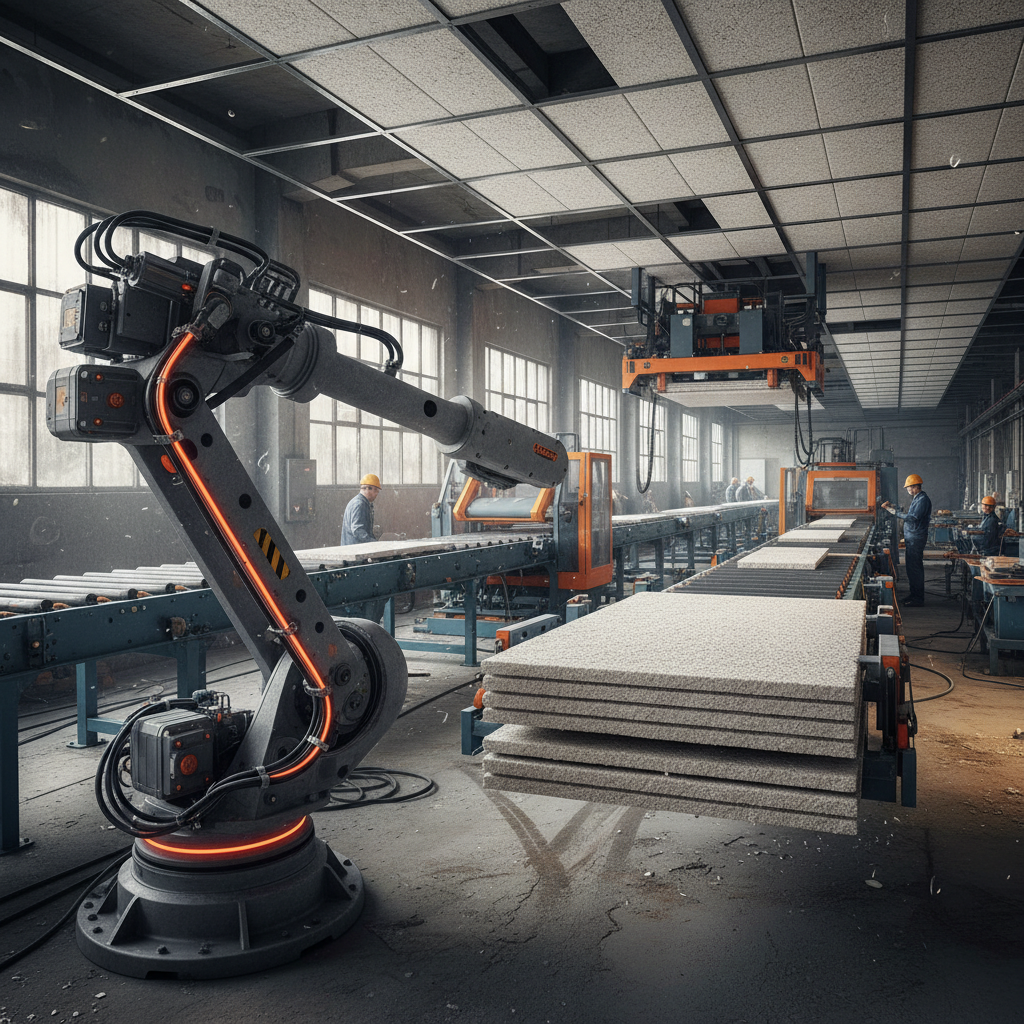
The evolution of fiber tile manufacturing reflects a growing emphasis on sustainability. Modern production processes increasingly utilize recycled materials, minimizing waste and reducing the environmental footprint. This aligns with broader industry trends towards circular economy principles and responsible material sourcing.
Core Attributes of Superior Fiber Tiles
Several key factors define the quality and performance of fiber tiles. Acoustic Performance is paramount. The tiles' ability to absorb sound significantly impacts the overall comfort and productivity of a space, reducing noise levels and echo. fiber tiles are engineered for optimal sound absorption.
Fire Resistance is another critical attribute. Fiber tiles are inherently non-combustible and can withstand high temperatures, providing valuable time for evacuation in the event of a fire. Compliance with fire safety standards is non-negotiable in building construction and fiber tiles consistently meet these rigorous requirements.
Moisture Resistance is crucial in areas with high humidity. Certain fiber tile formulations incorporate water-repellent additives to prevent sagging or deterioration in damp environments. Dimensional Stability ensures the tiles maintain their shape and size over time, minimizing gaps and preserving the aesthetic integrity of the ceiling. Ease of Installation is a significant benefit, reducing labor costs and project timelines.
Global Applications and Industry Relevance
Fiber tiles are ubiquitous in a wide range of applications, spanning diverse industries and geographical regions. They are a standard feature in commercial buildings – offices, schools, hospitals, and retail spaces – where acoustic comfort and fire safety are paramount. In the healthcare sector, fiber tiles contribute to a calming and hygienic environment, minimizing noise disruption for patients and staff.
In the education sector, fiber tiles enhance learning environments by reducing distractions and improving speech intelligibility in classrooms and lecture halls. The automotive industry utilizes fiber tiles in vehicle interiors to dampen noise and vibration, enhancing passenger comfort. They’re also seeing increased use in residential construction, particularly in home theaters and soundproofing projects.
Demand is particularly strong in Asia-Pacific, driven by rapid urbanization and infrastructure development. In Europe and North America, the focus is increasingly on renovation projects and the upgrading of existing buildings with more sustainable and energy-efficient materials.
Fiber Tile Performance Metrics
Advantages: Long-Term Value and Benefits
The advantages of employing fiber tiles extend far beyond initial cost savings. The durability of these materials translates into lower lifecycle costs, reducing the frequency of replacement and minimizing maintenance requirements. Furthermore, the inherent thermal insulation properties of fiber tiles can contribute to energy efficiency, lowering heating and cooling expenses.
From a sustainability perspective, the use of recycled content in many fiber tile formulations reduces reliance on virgin materials and minimizes landfill waste. The acoustic benefits create more comfortable and productive environments, enhancing the well-being of occupants. These cumulative effects translate into a tangible return on investment.
Future Trends in Fiber Tile Technology
The future of fiber tile technology is focused on enhanced performance, sustainability, and integration with smart building systems. Research is underway to develop fiber tiles with even higher noise reduction coefficients and improved fire resistance. Bio-based materials are being explored as alternatives to traditional mineral wool and cellulose fibers, further reducing the environmental impact.
We can expect to see a greater emphasis on digital printing technologies, allowing for customized designs and patterns on fiber tile surfaces. Smart fiber tiles equipped with sensors could monitor air quality, temperature, and humidity, providing valuable data for building management systems.
Challenges and Innovative Solutions
Despite their numerous advantages, fiber tiles face certain challenges. One common issue is susceptibility to moisture damage, particularly in humid climates. Innovative solutions involve applying hydrophobic coatings or utilizing water-resistant core materials to mitigate this problem.
Another challenge is the potential for dust accumulation on the tile surface, requiring regular cleaning. Developing self-cleaning coatings or incorporating anti-static properties into the tile material can address this issue. The installation process can also be complex, requiring skilled labor. Pre-cut and interlocking tile systems are simplifying installation and reducing labor costs.
fiber tiles are committed to ongoing research and development to overcome these challenges and deliver increasingly innovative and effective solutions.
Summary of Fiber Tile Challenges and Solutions
| Challenge |
Impact Area |
Severity (1-10) |
Proposed Solution |
| Moisture Sensitivity |
Durability & Performance |
7 |
Hydrophobic Coatings |
| Dust Accumulation |
Maintenance |
5 |
Anti-Static Surface Treatments |
| Complex Installation |
Cost & Time |
6 |
Interlocking Tile Systems |
| Limited Design Flexibility |
Aesthetics |
4 |
Digital Printing Technology |
| Raw Material Sourcing |
Sustainability |
5 |
Increased Recycled Content |
| Acoustic Performance Variation |
Functionality |
6 |
Optimized Core Density & Composition |
FAQS
Fiber tiles often incorporate recycled content, reducing reliance on virgin materials and minimizing landfill waste. Their lightweight nature reduces transportation costs and associated emissions. Moreover, their thermal and acoustic properties contribute to energy efficiency in buildings, lowering operational costs and environmental impact. At fiber tiles we prioritize eco-friendly manufacturing processes.
Fiber tiles generally exhibit superior fire resistance compared to standard gypsum board. While gypsum board provides some fire protection, fiber tiles are inherently non-combustible and can withstand higher temperatures for longer durations. This makes them a safer choice, particularly in commercial and public buildings where stringent fire safety regulations are in place.
With proper installation and maintenance, a fiber tile ceiling can typically last for 20-30 years. The lifespan depends on factors such as environmental conditions, usage levels, and the quality of the tiles themselves. Regular cleaning and avoiding excessive moisture exposure will significantly extend the lifespan.
Standard fiber tiles can be susceptible to moisture damage in high-humidity environments. However, specialized moisture-resistant fiber tiles are available, incorporating water-repellent additives and coatings. These tiles are ideal for bathrooms, kitchens, and other areas prone to high humidity levels.
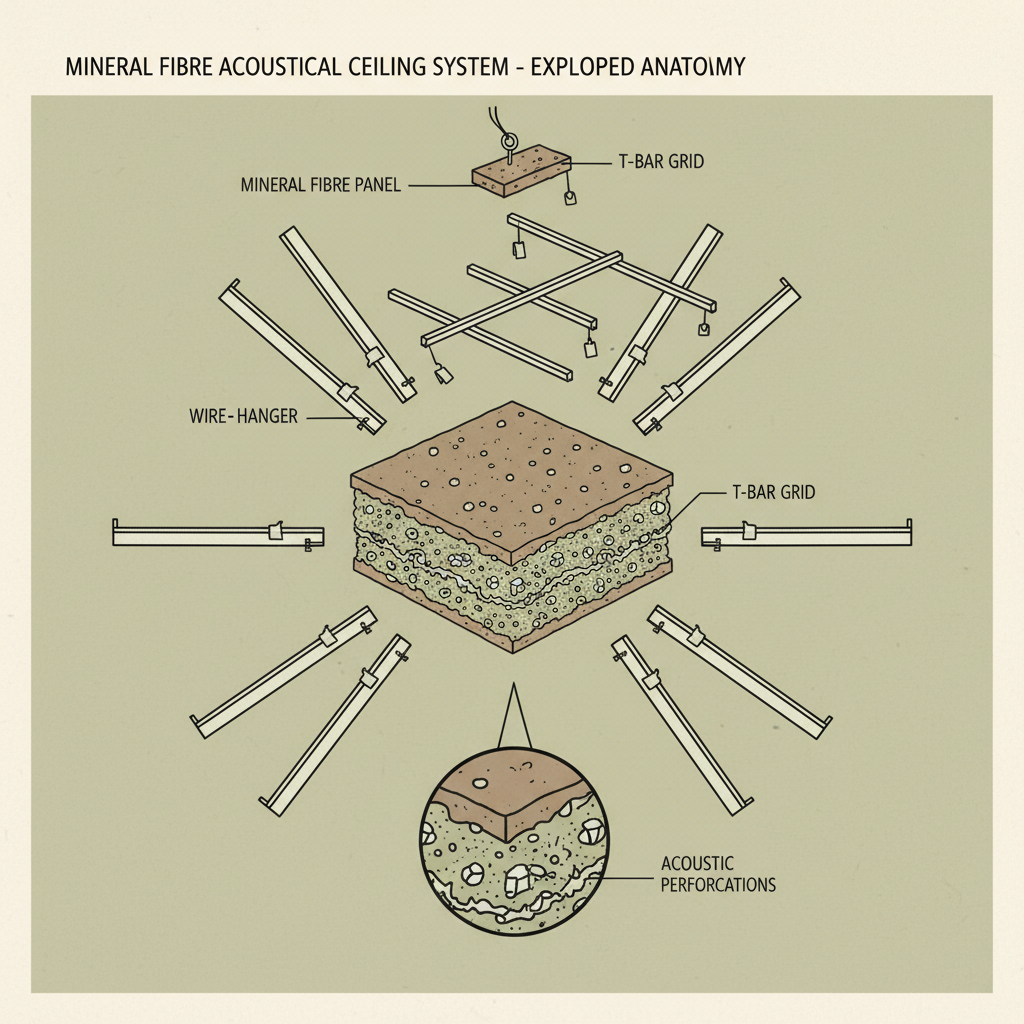
Fiber tile installation typically requires a suspended ceiling grid system. The tiles are designed to fit seamlessly into the grid, allowing for easy installation and removal. Professional installation is recommended to ensure proper alignment, stability, and acoustic performance. However, DIY installation is possible for smaller projects.
Regular dusting and vacuuming are sufficient for most cleaning needs. Avoid using harsh chemicals or abrasive cleaners, as they can damage the tile surface. For stubborn stains, a mild soap and water solution can be used. Promptly address any water leaks to prevent moisture damage.
Conclusion
Fiber tiles represent a compelling combination of performance, sustainability, and cost-effectiveness in the realm of ceiling materials. Their inherent acoustic properties, fire resistance, and ease of installation make them a versatile solution for a wide range of applications, from commercial buildings to residential spaces. As we’ve explored, continued innovation is pushing the boundaries of fiber tile technology, promising even greater benefits in the future.
Looking ahead, the adoption of fiber tiles is poised to increase as building owners and architects prioritize sustainable and healthy indoor environments. Investing in high-quality fiber tiles is not merely a construction choice; it's an investment in long-term value, occupant well-being, and environmental responsibility. Explore our extensive range of fiber tiles and discover the perfect solution for your project.