Ceiling mineral fiber represents a cornerstone material in modern construction, offering a unique blend of acoustic performance, fire resistance, and cost-effectiveness. Its application spans a vast range of building types, from commercial offices and educational institutions to healthcare facilities and residential spaces. Understanding the properties and benefits of ceiling mineral fiber is crucial for architects, contractors, and building owners seeking sustainable and high-performing interior solutions.
Globally, the demand for improved indoor environmental quality is driving the adoption of materials like ceiling mineral fiber. Regulations concerning noise pollution and fire safety are becoming increasingly stringent, further fueling this trend. The material’s inherent sustainability – often incorporating recycled content and offering recyclability at end-of-life – aligns with growing environmental awareness and green building standards, such as LEED and BREEAM.
Choosing the right ceiling system can significantly impact a building's functionality and occupant well-being. Ceiling mineral fiber offers a versatile solution that addresses key concerns related to acoustics, safety, and aesthetics, making it a popular choice across diverse construction projects. Explore ceiling mineral fiber options to elevate your projects.
The Significance of Ceiling Mineral Fiber
Ceiling mineral fiber isn't merely a building component; it's a vital element in creating functional, comfortable, and safe interior spaces. Its ability to absorb sound, mitigate noise pollution, and enhance acoustic clarity is paramount in environments like offices, schools, and hospitals. Effective sound control directly impacts productivity, learning, and patient recovery. ceiling mineral fiber plays a crucial role in achieving these goals.
Furthermore, the fire-resistant properties of ceiling mineral fiber contribute significantly to building safety, providing valuable time for evacuation in emergency situations. Its widespread adoption is a testament to its reliability and performance, making it an indispensable material for architects and building professionals.
Understanding Ceiling Mineral Fiber: A Global Perspective
The global construction industry is experiencing rapid growth, particularly in emerging economies, driving demand for sustainable and efficient building materials. Ceiling mineral fiber is at the forefront of this demand, as it aligns with increasing pressure to reduce carbon footprints and enhance building performance. The United Nations Sustainable Development Goals (SDGs), particularly those related to sustainable cities and communities, are influencing construction practices worldwide.
According to industry reports, the global mineral fiber ceiling market is projected to reach substantial growth in the coming years, driven by factors such as urbanization, infrastructure development, and growing awareness of indoor air quality. Asia-Pacific is anticipated to be the fastest-growing market, due to its expanding construction sector and increasing adoption of green building technologies.
The challenge lies in scaling up production and ensuring consistent quality across global supply chains. Standardization efforts, such as those led by the International Organization for Standardization (ISO), are vital for ensuring that ceiling mineral fiber meets international performance and safety standards. Utilizing products from reputable suppliers like ceiling mineral fiber vendors, is crucial for success.
Defining Ceiling Mineral Fiber: Composition and Properties
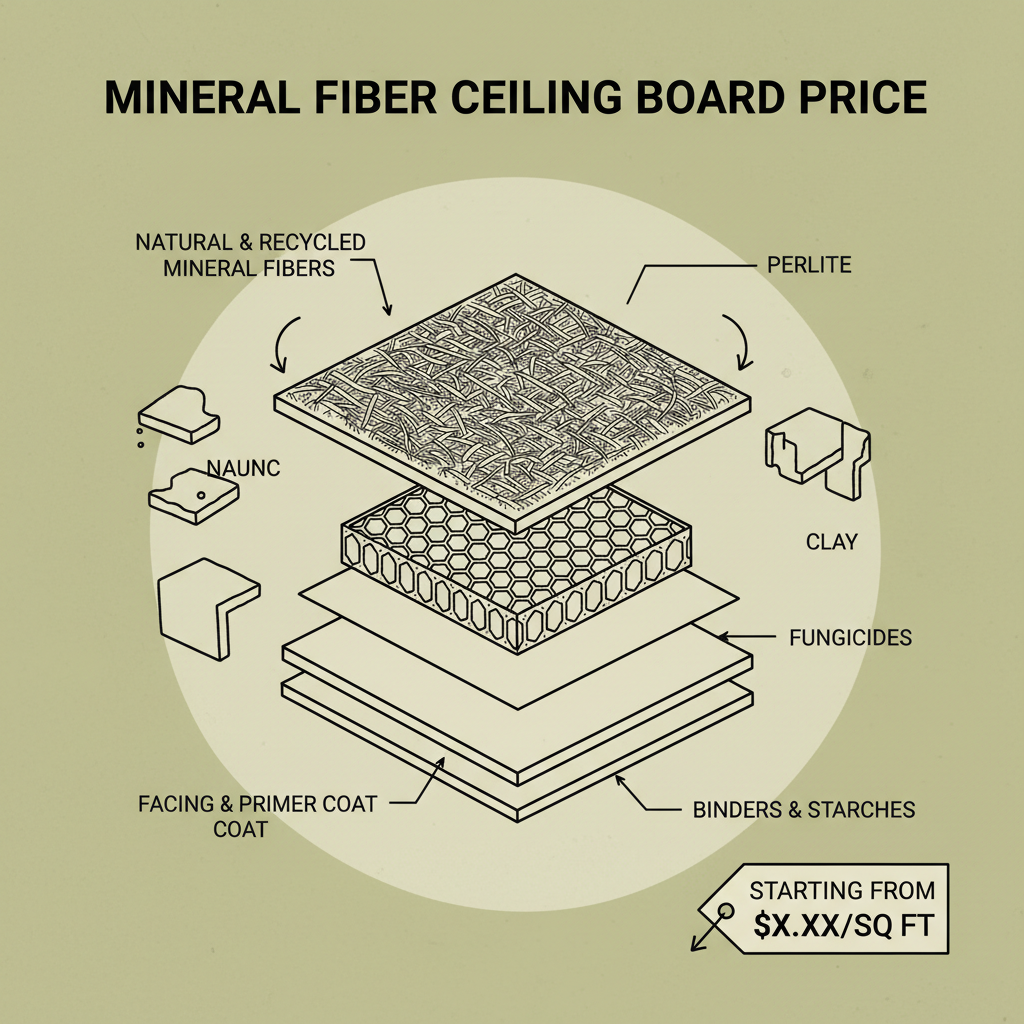
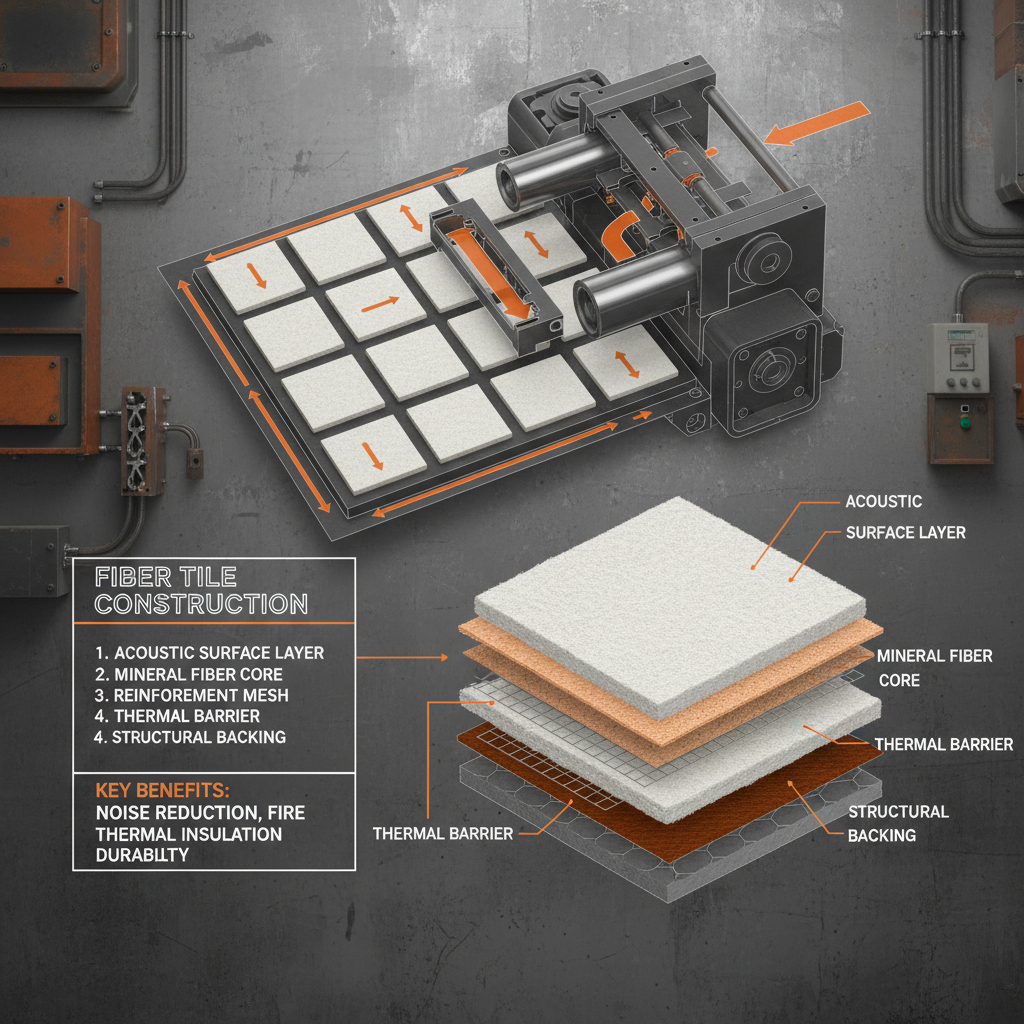
Ceiling mineral fiber is a suspended ceiling tile typically manufactured from a combination of mineral wool (often slag wool, rock wool, or glass wool), cellulose fibers, and a binder. This blend creates a porous material known for its excellent sound absorption capabilities. The specific composition influences the tile’s density, fire resistance, and overall performance characteristics.
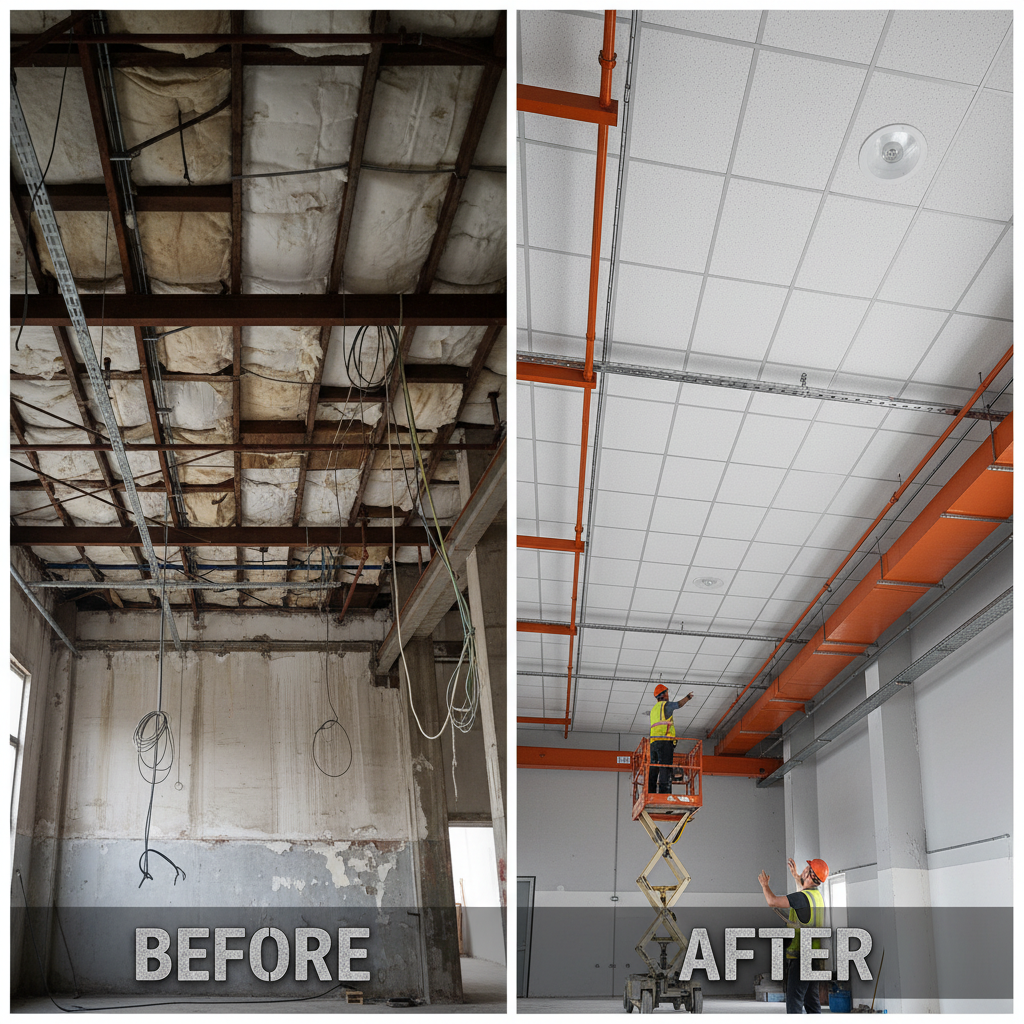
The manufacturing process usually involves forming the fiber mixture into panels, followed by drying and finishing. Surface treatments, such as paint or a patterned film, are applied to enhance aesthetics and durability. The resulting tiles are lightweight, easy to install, and adaptable to various ceiling grid systems.
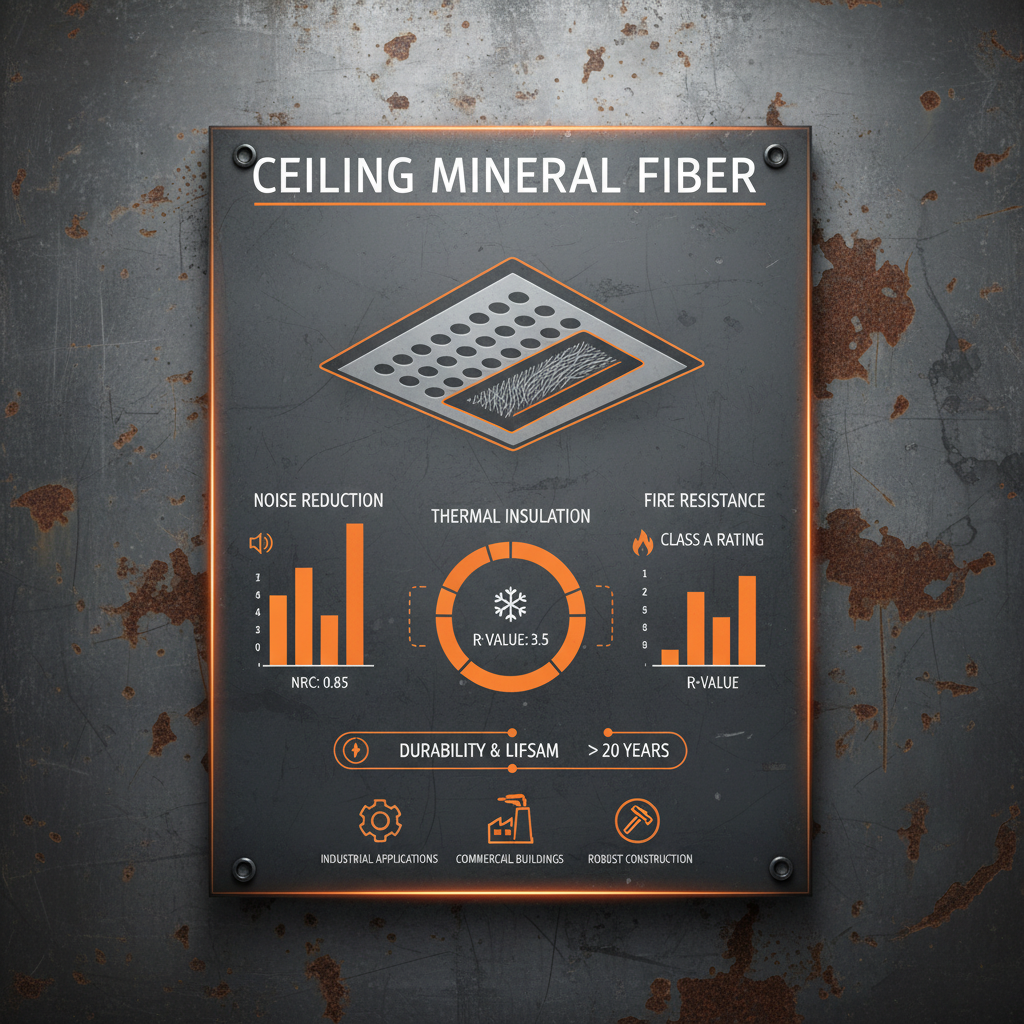
Key properties of ceiling mineral fiber include high Noise Reduction Coefficient (NRC), meaning it effectively absorbs sound; excellent fire resistance, typically classified as Class A; low moisture resistance, making it suitable for most indoor environments; and good thermal insulation, contributing to energy efficiency. Choose ceiling mineral fiber for optimal building performance.
Key Characteristics of High-Quality Ceiling Mineral Fiber
Durability is a paramount characteristic. High-quality ceiling mineral fiber resists sagging, cracking, and deformation over time, maintaining its aesthetic appeal and performance. Scalability refers to the ease with which the system can be adapted to different room sizes and layouts, providing flexibility during installation and renovation.
Cost efficiency is another vital consideration. While initial costs may vary, ceiling mineral fiber offers a long-term value proposition due to its durability, low maintenance requirements, and energy-saving properties. Acoustic performance, measured by the NRC, is critical for creating comfortable and productive spaces. Higher NRC values indicate better sound absorption.
Comparative Performance of Ceiling Mineral Fiber Options
Global Applications and Diverse Use Cases
Ceiling mineral fiber finds widespread application in commercial buildings, including offices, retail spaces, and shopping malls. Its acoustic properties are particularly valuable in open-plan offices, reducing noise distractions and improving employee concentration. In educational institutions, it helps create conducive learning environments by minimizing reverberation and enhancing speech intelligibility.
Healthcare facilities benefit from the hygienic and easily cleanable surfaces of ceiling mineral fiber, contributing to a sterile and safe environment. It’s also extensively used in hospitality settings like hotels and restaurants, enhancing the guest experience through improved sound control and aesthetics. ceiling mineral fiber systems are versatile and adaptable.
Advantages and Long-Term Value Proposition
The tangible benefits of using ceiling mineral fiber extend beyond acoustic comfort and fire safety. Lower lifecycle costs, thanks to minimal maintenance and long-lasting performance, contribute significantly to overall project savings. Sustainability is a key advantage, with many products utilizing recycled content and being fully recyclable at the end of their lifespan.
Beyond the purely practical, ceiling mineral fiber offers intangible benefits like enhanced occupant well-being, contributing to a more positive and productive work or learning environment. The peace of mind derived from knowing a building is protected by a fire-resistant ceiling system is also a valuable asset.
Investing in high-quality ceiling mineral fiber demonstrates a commitment to safety, sustainability, and the overall well-being of building occupants, fostering trust and enhancing a building's reputation.
Future Trends and Innovations in Ceiling Mineral Fiber Technology
Ongoing research and development are focused on enhancing the sustainability of ceiling mineral fiber, with increased emphasis on using bio-based binders and incorporating higher percentages of recycled content. Innovations in surface treatments are leading to improved moisture resistance and enhanced aesthetic options.
The integration of smart technologies, such as embedded sensors for monitoring air quality and lighting levels, is emerging as a potential trend. Digital fabrication techniques, like 3D printing, could enable the creation of customized ceiling designs tailored to specific project requirements.
The industry is also exploring the development of more lightweight and high-performance mineral fiber formulations, pushing the boundaries of acoustic absorption and fire resistance. Explore the latest in ceiling mineral fiber solutions.
Summary of Challenges and Potential Solutions for Ceiling Mineral Fiber
| Challenge |
Impact on Performance |
Potential Solution |
Implementation Cost |
| Moisture Sensitivity |
Reduced acoustic performance, potential for mold growth |
Application of hydrophobic coatings, improved ventilation |
Low to Medium |
| Sagging Over Time |
Aesthetic degradation, reduced fire resistance |
Higher density formulations, reinforced grid systems |
Medium |
| Recycled Content Variability |
Inconsistent performance, difficulty in sustainability claims |
Standardized sourcing of recycled materials, transparent labeling |
Low |
| Installation Complexity |
Increased labor costs, potential for errors |
Simplified grid systems, pre-cut tiles, training programs |
Medium |
| Limited Design Options |
Restricted aesthetic flexibility |
Advanced surface printing techniques, customized tile shapes |
Medium to High |
| Supply Chain Disruptions |
Material shortages, increased costs |
Diversified sourcing, local manufacturing |
Medium to High |
FAQS
Ceiling mineral fiber offers significant advantages in offices, primarily through its superior acoustic properties, which reduce noise levels and enhance speech privacy. This leads to improved employee concentration, reduced stress, and increased productivity. Additionally, its fire-resistant characteristics contribute to building safety, and its relatively low cost makes it a budget-friendly solution. Choosing a quality provider like ceiling mineral fiber, ensures optimal performance.
Ceiling mineral fiber often incorporates recycled content, diverting waste from landfills and reducing the demand for virgin materials. Many manufacturers are committed to sustainable production processes, minimizing energy consumption and waste generation. Furthermore, the material is typically recyclable at the end of its lifespan, contributing to a circular economy. Selecting environmentally responsible options like those from ceiling mineral fiber suppliers adds to your sustainability score.
The lifespan of ceiling mineral fiber tiles can vary depending on the environment and maintenance, but generally ranges from 15 to 20 years or more. Proper installation, regular cleaning, and avoiding exposure to excessive moisture can significantly extend its lifespan. High-quality tiles from reputable manufacturers, such as ceiling mineral fiber, are engineered for durability and long-term performance.
While standard ceiling mineral fiber has limited moisture resistance, specially formulated tiles designed for high-humidity environments are available. These tiles incorporate moisture-resistant coatings or binders that prevent sagging and mold growth. It’s crucial to select the appropriate tile type for the specific application and ensure adequate ventilation in humid spaces. Consult with ceiling mineral fiber experts for specific recommendations.
The NRC measures a material's ability to absorb sound energy. Higher NRC values indicate better sound absorption. Ceiling mineral fiber typically has an NRC of 0.50 to 0.70 or higher, making it effective at reducing noise reverberation and improving acoustic clarity. Selecting tiles with higher NRC ratings is recommended for spaces requiring optimal sound control, which ceiling mineral fiber can help you identify.
Ceiling mineral fiber generally achieves a Class A fire rating, meaning it exhibits excellent flame spread and smoke development characteristics. This contributes significantly to building safety by providing valuable time for evacuation in the event of a fire. Compliance with fire safety regulations is a crucial consideration, and choosing certified tiles is essential. ceiling mineral fiber provides fully compliant and certified products.
Conclusion
Ceiling mineral fiber stands as a robust and versatile building material, offering a compelling combination of acoustic performance, fire resistance, sustainability, and cost-effectiveness. Its widespread application across diverse building types underscores its importance in creating functional, safe, and comfortable interior spaces. From reducing noise pollution in offices to enhancing safety in healthcare facilities, ceiling mineral fiber contributes significantly to the overall quality of the built environment.
Looking ahead, continued innovation in material science and manufacturing processes will further enhance the performance and sustainability of ceiling mineral fiber. Embracing these advancements and prioritizing the selection of high-quality, certified products will ensure that ceiling systems continue to meet the evolving needs of the construction industry. Visit our website at www.xingyuanceilings.com to explore our full range of ceiling mineral fiber solutions.