Mineral fibre suspended ceilings are a ubiquitous element in modern building design, offering a compelling blend of functionality, cost-effectiveness, and aesthetic versatility. Globally, they represent a significant portion of the interior finishing market, particularly in commercial, institutional, and educational spaces. Their lightweight nature, ease of installation, and inherent fire-resistant properties contribute to their widespread adoption. Understanding the nuances of mineral fibre suspended ceiling systems is crucial for architects, contractors, and building owners alike, ensuring optimal performance and long-term value.
The demand for mineral fibre suspended ceilings is driven by several factors, including increasingly stringent building codes related to fire safety and acoustics, as well as the growing emphasis on sustainable construction practices. Market reports indicate a steady growth trajectory, particularly in developing economies where infrastructure development is rapidly expanding. The ability of these ceilings to seamlessly integrate lighting, HVAC systems, and other building services further solidifies their position as a key component of contemporary interior environments. This consistent demand presents both opportunities and challenges for manufacturers and installers.
Addressing concerns surrounding indoor air quality and environmental impact is paramount. Innovations in manufacturing processes are focused on reducing volatile organic compounds (VOCs) and increasing the recycled content of mineral fibre boards. Furthermore, advancements in design allow for greater customization and aesthetic flexibility, expanding the applicability of mineral fibre suspended ceiling solutions to a wider range of project types and design aesthetics.
Introduction to mineral fibre suspended ceiling
Mineral fibre suspended ceilings offer a practical and aesthetically pleasing solution for concealing building infrastructure while enhancing acoustic performance and fire safety. These systems are widely used in commercial spaces like offices, retail stores, and healthcare facilities, providing a clean and professional look. The modular nature of these ceilings allows for easy access to utilities for maintenance and upgrades, minimizing disruption to building occupants.
Beyond functionality, modern mineral fibre suspended ceiling designs incorporate a range of textures, patterns, and colors, allowing architects and designers to create visually appealing and customized interior environments. Choosing the right system involves careful consideration of factors such as room acoustics, lighting requirements, and aesthetic preferences.
Defining Mineral Fibre Suspended Ceilings
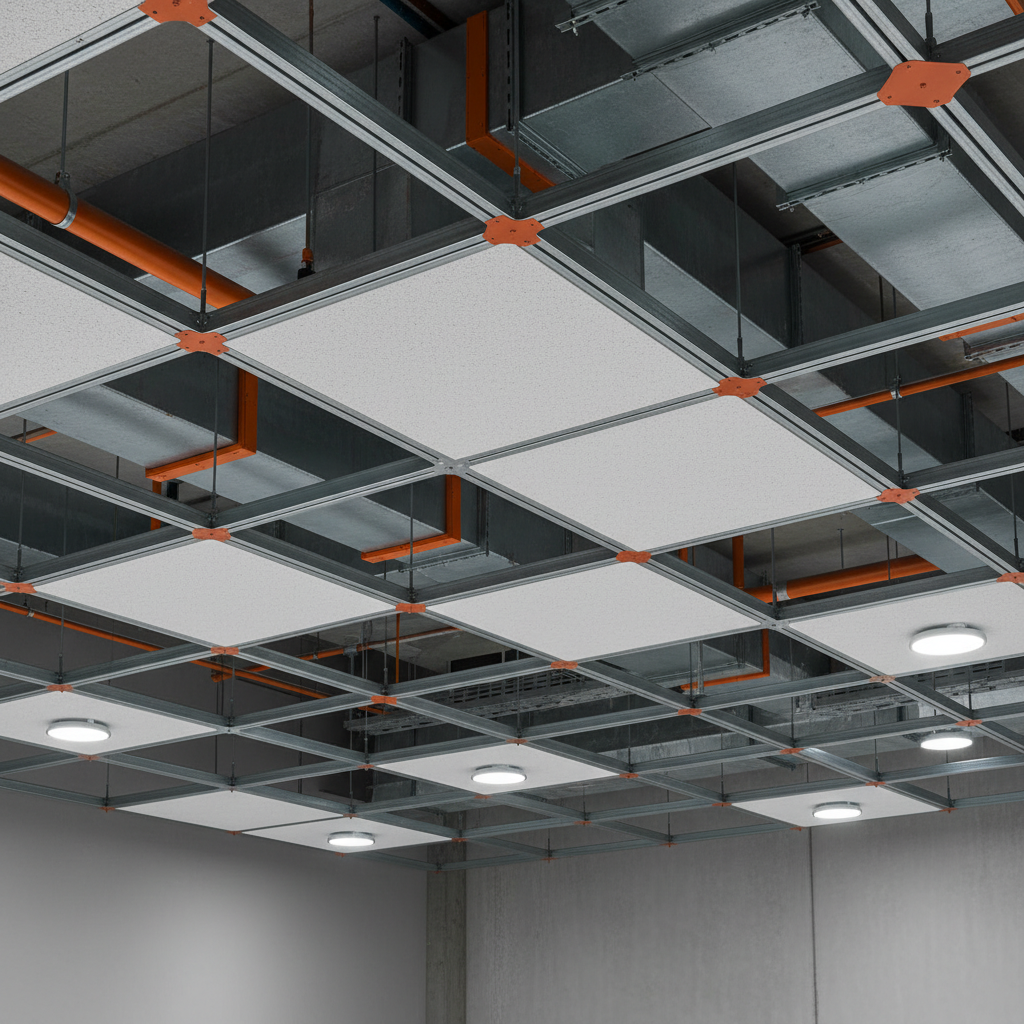
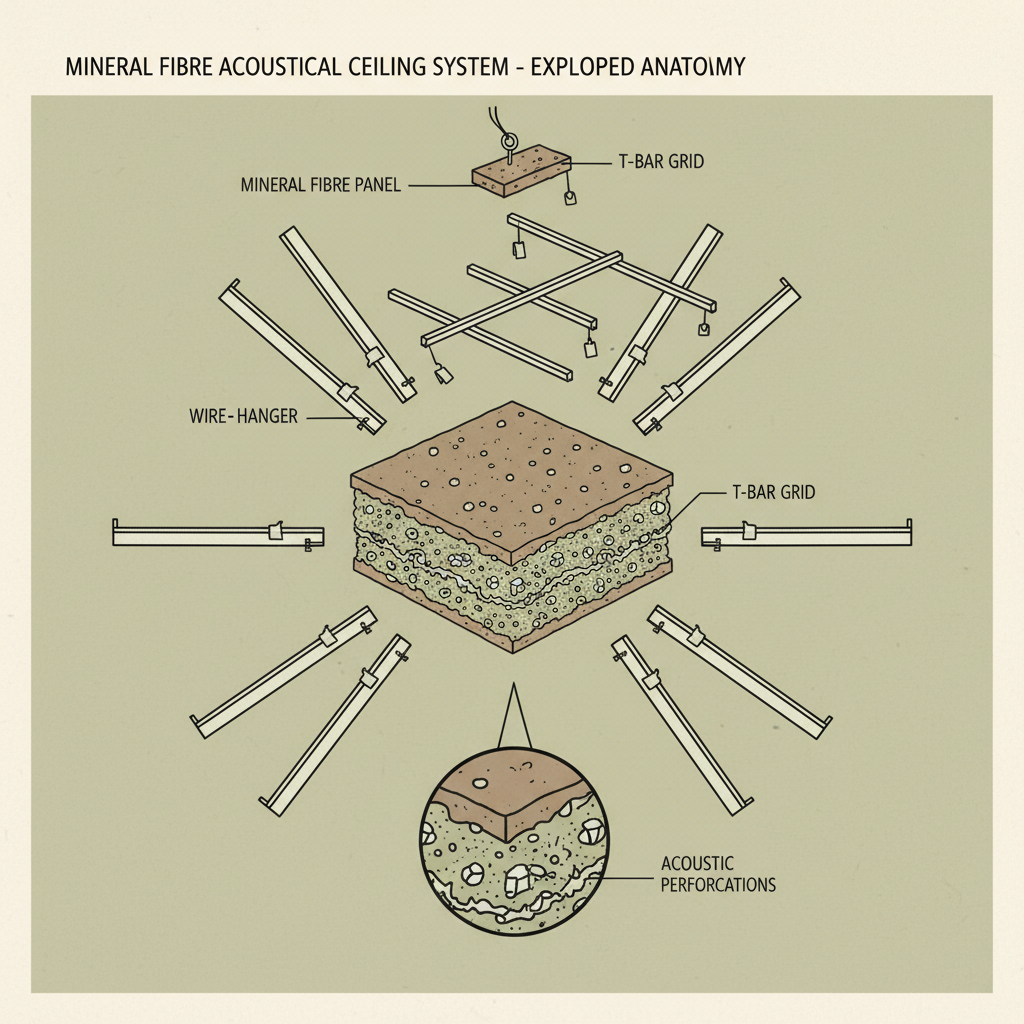
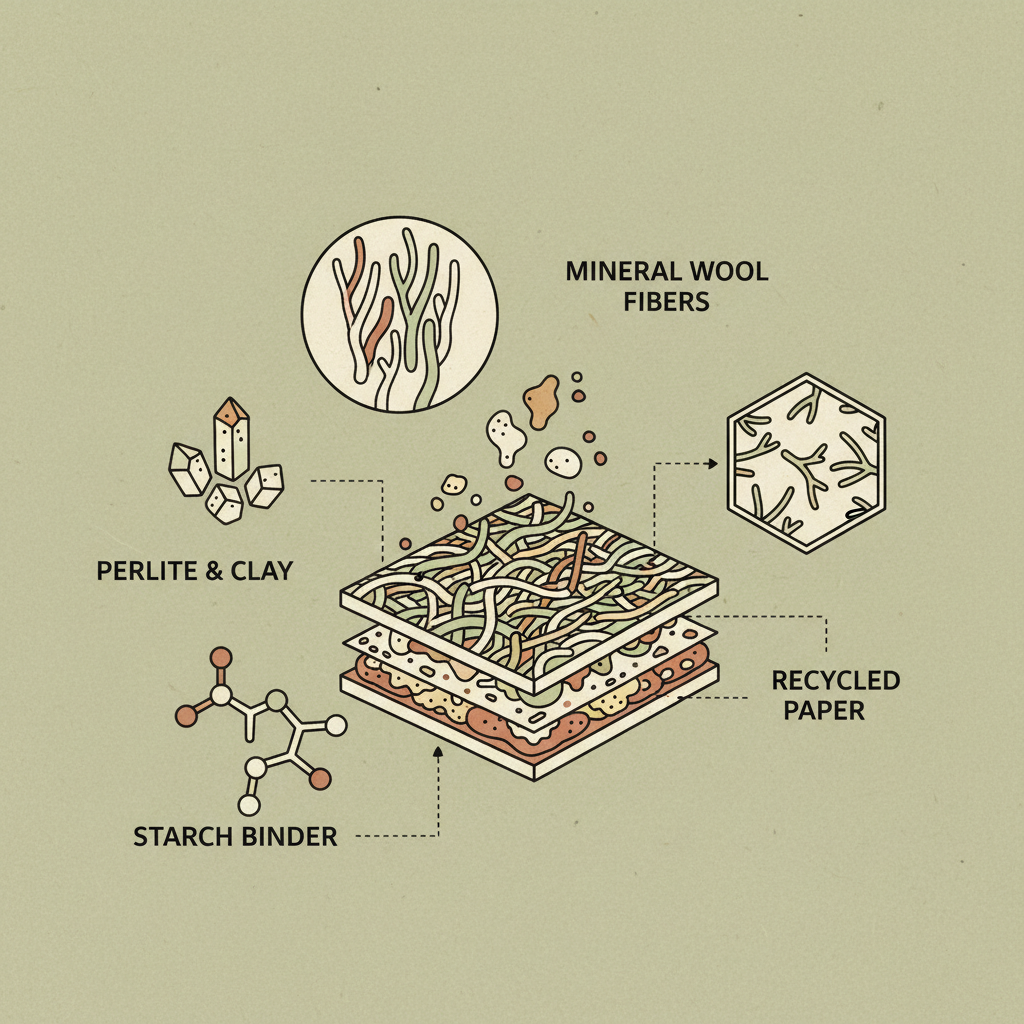
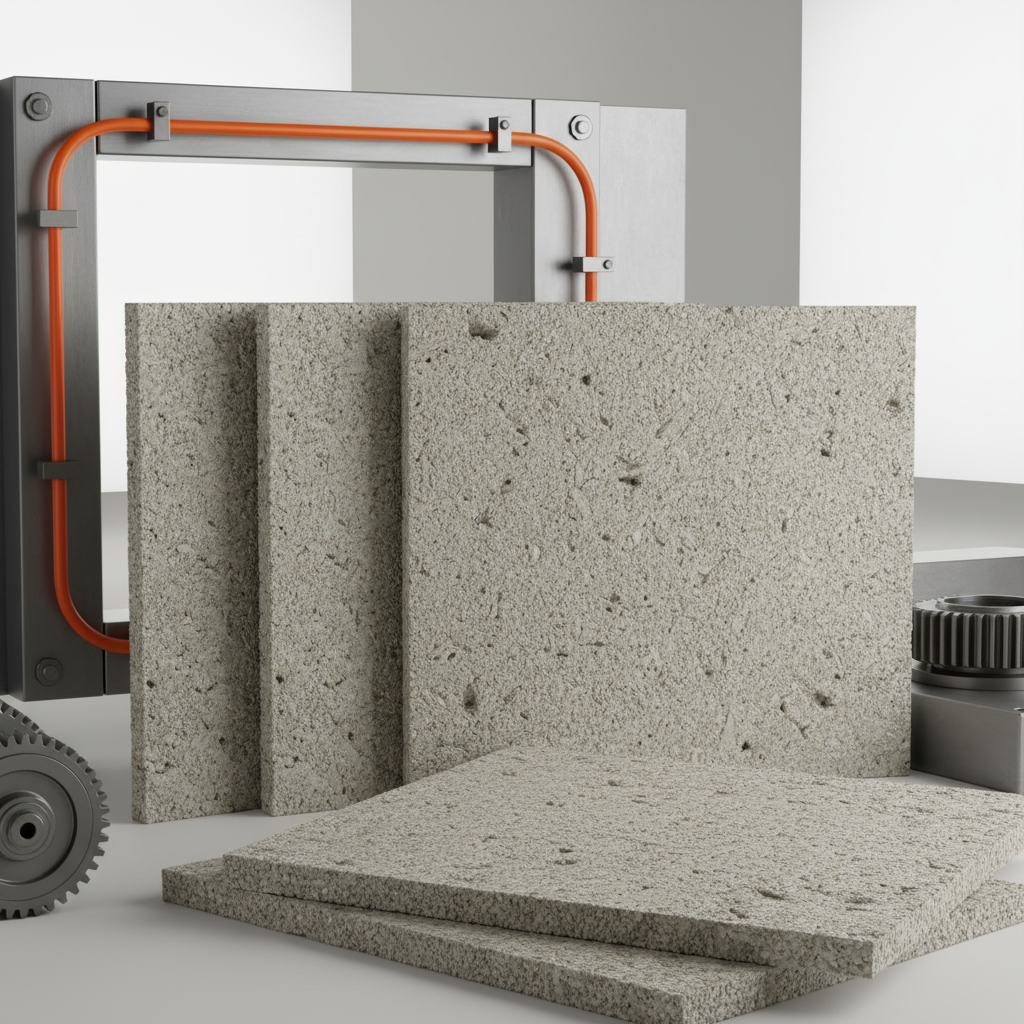
A mineral fibre suspended ceiling is a secondary ceiling system hung below the main structural ceiling. It's typically constructed from mineral wool, a material made from molten rock or slag spun into fibres, combined with a binding agent. These tiles are then suspended from a grid system composed of metal runners and cross tees. The resulting void between the suspended ceiling and the structural ceiling provides space for concealing mechanical, electrical, and plumbing (MEP) services.
This type of ceiling directly addresses modern construction needs where integrating building services efficiently and aesthetically is crucial. They contrast with traditional plasterboard ceilings by offering easier access for maintenance and renovation. This accessibility dramatically reduces long-term costs associated with building upkeep. mineral fibre suspended ceiling systems are an essential component of commercial building design, reflecting an industry-wide focus on functionality and adaptability.
The inherent properties of mineral wool—its sound-absorbing qualities and inherent fire resistance—make mineral fibre ceilings a standard requirement for many building codes, ensuring occupant safety and comfort.
Core Characteristics of mineral fibre suspended ceiling
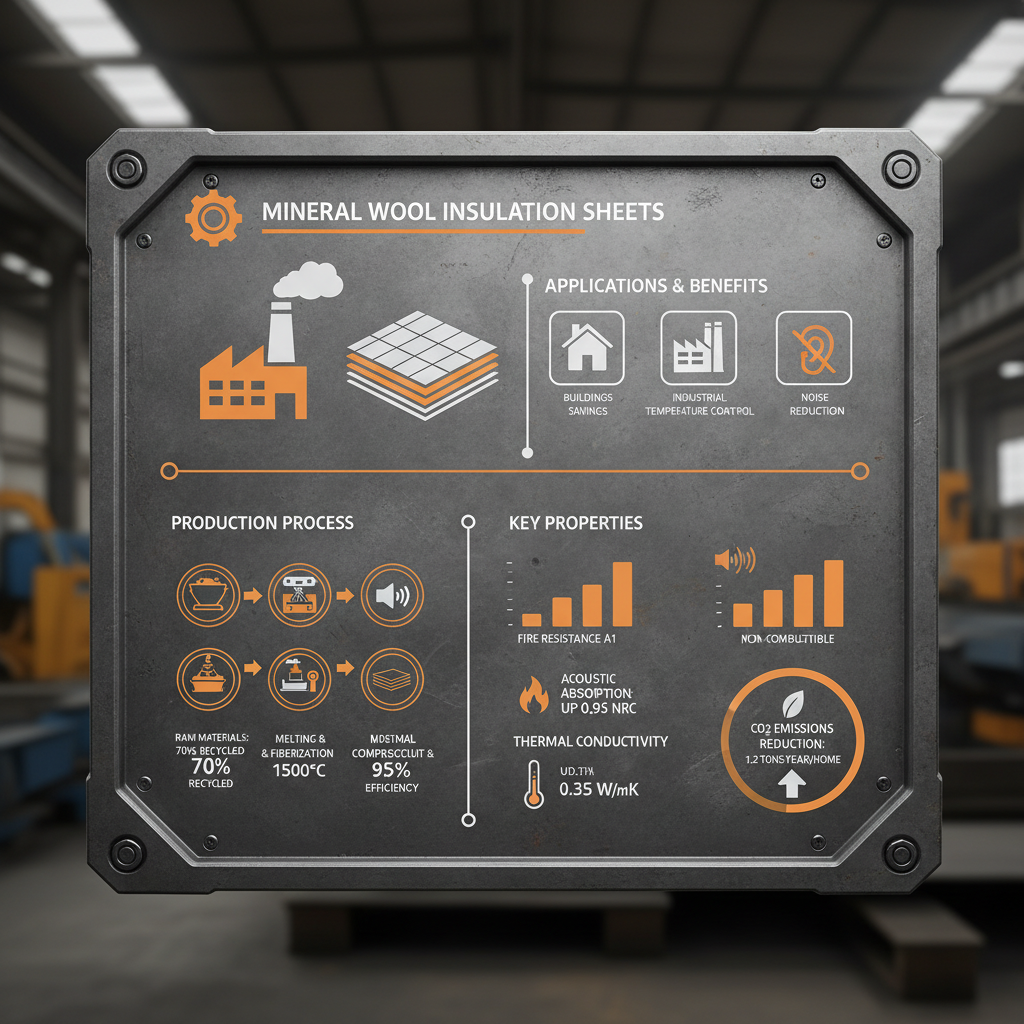
Several key characteristics define the effectiveness of mineral fibre suspended ceilings. First, their acoustic performance is exceptional, significantly reducing noise levels within a space. The porous nature of the mineral wool fibres absorbs sound waves, minimizing reverberation and creating a more comfortable environment. Second, inherent fire resistance is a crucial safety feature, meeting or exceeding most building code requirements.
Third, their lightweight construction simplifies installation, reducing labor costs and project timelines. Fourth, mineral fibre is a sustainable material, often incorporating recycled content, contributing to environmentally responsible building practices. Fifth, the modular design enables easy access to concealed services, facilitating maintenance and modifications without disrupting the entire ceiling system. Sixth, versatility in design allows for a range of textures, patterns, and finishes to complement any interior aesthetic.
These characteristics combine to make mineral fibre suspended ceilings a practical, safe, and aesthetically pleasing choice for a wide range of applications.
Performance Metrics of mineral fibre suspended ceiling
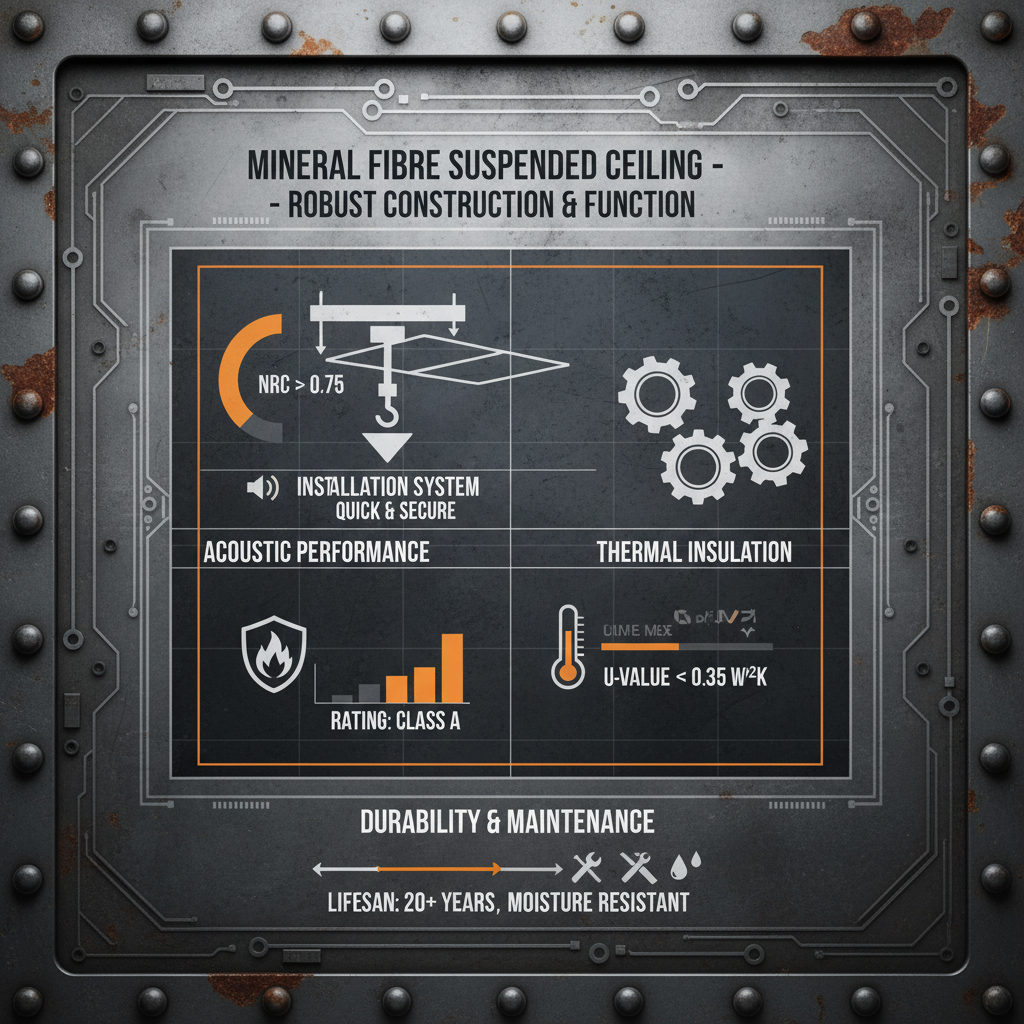
Evaluating the performance of mineral fibre suspended ceilings requires examining several key metrics. Acoustic performance, measured by the Noise Reduction Coefficient (NRC), indicates the amount of sound energy absorbed by the ceiling. Higher NRC values indicate better sound absorption. Fire resistance is typically assessed by flame spread and smoke development ratings, with lower ratings signifying greater fire safety.
Furthermore, the Sag Resistance test measures the ceiling tile’s ability to withstand moisture and maintain its structural integrity. Light reflectance is another important metric, influencing the brightness and energy efficiency of a space. The dimensional stability of the tiles is vital to ensure they remain flat and securely fitted over time.
Performance Rating of Different mineral fibre suspended ceiling Types
Global Applications of mineral fibre suspended ceiling
Mineral fibre suspended ceilings are employed across a diverse range of industries and geographic locations. In North America and Europe, they are prevalent in commercial office buildings, educational institutions, and healthcare facilities, where acoustic control and fire safety are paramount. Rapid urbanization in Asia-Pacific, particularly in China and India, has fueled significant demand for these systems in newly constructed office towers and commercial complexes.
Furthermore, they are frequently utilized in the construction of data centers to manage temperature and noise levels, as well as in manufacturing plants and warehouses to provide a clean and safe working environment. In post-disaster relief operations, mineral fibre ceilings can be quickly installed to provide shelter and a degree of comfort to affected populations.
Advantages and Long-Term Value
The advantages of utilizing mineral fibre suspended ceilings extend beyond immediate functionality. From a cost perspective, they offer a balance between upfront investment and long-term maintenance savings. The ease of access to concealed services minimizes downtime and repair costs, making them a cost-effective solution over the lifespan of a building. Sustainability is another key benefit, with many manufacturers offering products with high recycled content and low VOC emissions.
Moreover, the improved acoustic environment contributes to employee well-being and productivity, while the enhanced fire safety provides peace of mind. Ultimately, mineral fibre suspended ceiling systems represent a strategic investment in building quality, occupant comfort, and long-term value.
Future Trends in mineral fibre suspended ceiling
Several key trends are shaping the future of mineral fibre suspended ceiling technology. The integration of smart technology, such as sensors for monitoring air quality and occupancy levels, is gaining traction. These sensors can be seamlessly incorporated into the ceiling grid, providing valuable data for building management systems. Another emerging trend is the development of bio-based mineral fibre alternatives, utilizing renewable resources to reduce the environmental impact of manufacturing.
Furthermore, advancements in digital printing techniques are enabling greater customization of ceiling designs, allowing for intricate patterns and graphics to be applied directly to the tiles. The demand for ceilings with enhanced acoustic performance, particularly in open-plan offices, is driving innovation in material composition and design. These trends point towards a future where mineral fibre suspended ceilings are not only functional and safe but also intelligent and sustainable.
Expect to see increased adoption of modular designs, simplifying installation and facilitating future upgrades.
FAQS
Mineral fibre is inherently non-combustible and provides excellent fire resistance. These ceilings significantly slow down the spread of flames and reduce smoke development, providing crucial time for evacuation and fire suppression. They typically meet or exceed stringent building code requirements for fire safety, offering a vital layer of protection for building occupants and assets. The composition of mineral fibre doesn't contribute to the fuel load during a fire.
Mineral fibre ceilings possess exceptional sound-absorbing properties due to their porous structure. This porosity effectively traps and dissipates sound waves, reducing reverberation and noise levels. Higher NRC (Noise Reduction Coefficient) ratings indicate superior sound absorption, creating a more comfortable and productive environment, especially in open-plan offices or busy commercial spaces. This leads to increased concentration and better communication.
With proper installation and maintenance, a mineral fibre suspended ceiling can last for 20-30 years or even longer. Regular cleaning to remove dust and debris is recommended to maintain its appearance and performance. Addressing any water damage promptly is also crucial to prevent sagging or mold growth. The durability of the grid system also contributes to the overall lifespan of the ceiling.
Yes, mineral fibre ceilings are often considered environmentally friendly. Many manufacturers utilize recycled content in their production process, reducing the demand for virgin materials. Furthermore, mineral wool is typically produced from abundant natural resources. Low-VOC formulations minimize off-gassing and contribute to better indoor air quality. Choosing products with environmental certifications like LEED demonstrates a commitment to sustainability.
One of the significant advantages of mineral fibre suspended ceilings is their ease of access to utilities. The modular design allows for individual tiles to be easily removed without disturbing the entire ceiling system. This provides convenient access for maintenance, repairs, or upgrades to electrical wiring, plumbing, and HVAC systems, minimizing disruption to building occupants.
Routine maintenance for mineral fibre suspended ceilings is relatively simple. Regular dusting or vacuuming can remove accumulated dust and debris, maintaining their aesthetic appearance. Occasional cleaning with a mild detergent and water can address any stains or spills. Promptly addressing any water leaks or moisture issues is crucial to prevent damage and ensure the ceiling’s longevity. Inspecting the grid system periodically for any loose or damaged components is also recommended.
Conclusion
In conclusion, mineral fibre suspended ceilings represent a cornerstone of modern interior design and construction. Their unique combination of fire resistance, acoustic performance, cost-effectiveness, and sustainability makes them a preferred choice across a broad spectrum of applications. From commercial offices to educational institutions and healthcare facilities, these systems contribute to safer, more comfortable, and more productive environments.
Looking ahead, ongoing innovation in materials, design, and integration with smart building technologies will further enhance the capabilities of mineral fibre suspended ceilings. Choosing high-quality systems and ensuring proper installation and maintenance are crucial for maximizing their long-term value. For more information and to explore our range of mineral fibre suspended ceiling solutions, visit our website today!