Mineral fibre ceiling tiles represent a significant advancement in interior construction, offering a blend of acoustic performance, fire resistance, and aesthetic versatility. Globally, their demand is driven by the increasing need for comfortable, safe, and functional indoor environments in commercial, educational, and healthcare facilities. Understanding the properties and applications of mineral fibre ceiling is crucial for architects, contractors, and building owners seeking cost-effective and sustainable building solutions.
The relevance of mineral fibre ceiling extends to various industries, playing a vital role in enhancing sound control, preventing the spread of fire, and improving overall indoor air quality. With a growing emphasis on sustainable building practices, mineral fibre ceiling, often made from recycled materials, aligns with environmentally conscious design principles. This makes it a cornerstone material in modern construction projects worldwide.
These ceiling systems aren’t merely cosmetic additions; they are integral components of building safety and functionality, addressing critical needs in a world increasingly focused on well-being and energy efficiency. The global market for ceiling tiles is substantial, with mineral fibre holding a significant share due to its balanced combination of performance characteristics and affordability.
Introduction to Mineral Fibre Ceiling
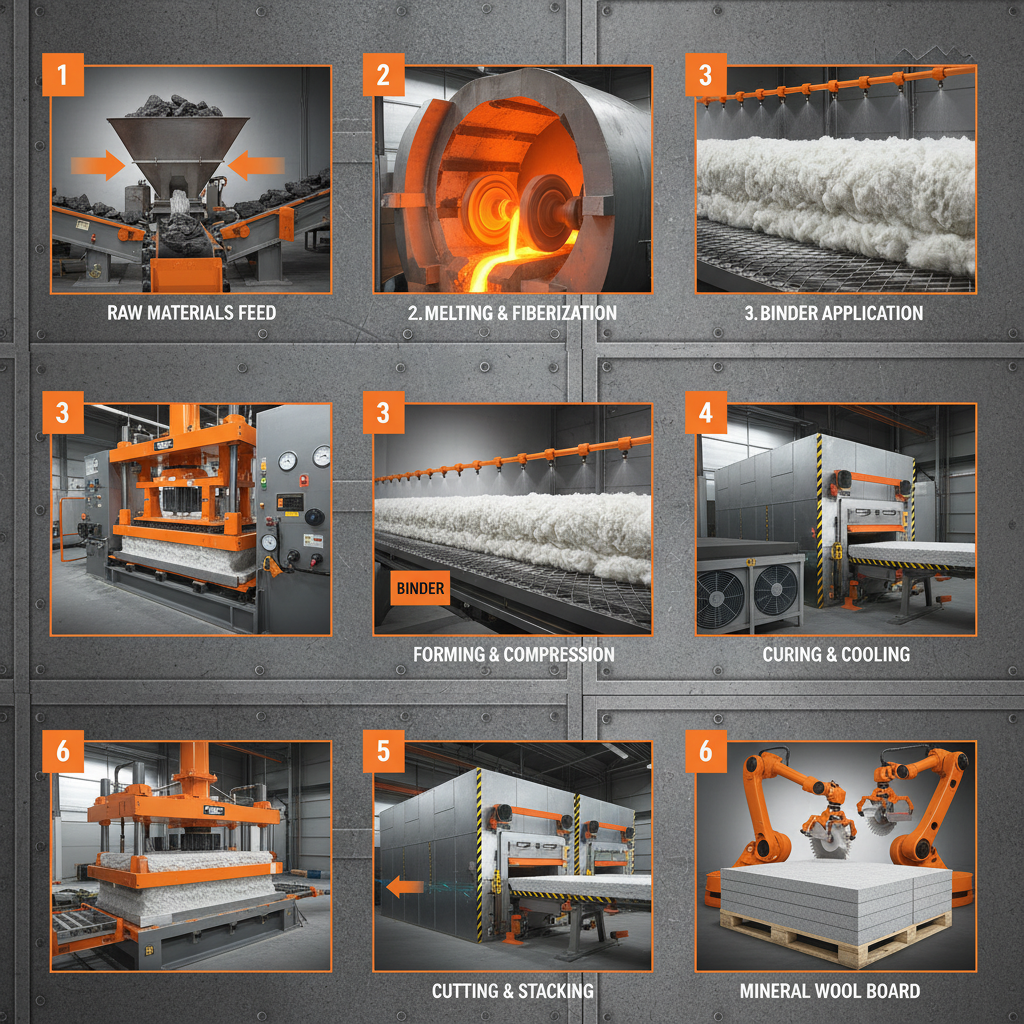
Mineral fibre ceiling tiles are a widely-used interior finishing material, prized for their acoustic and fire-resistant properties. These tiles are manufactured from a combination of mineral wool, clay, and other binding agents, offering a cost-effective and versatile solution for various building applications. Their ability to absorb sound and prevent fire spread makes them a crucial component in creating safe and comfortable indoor spaces.
The popularity of mineral fibre ceiling stems from their ability to seamlessly integrate into different architectural styles while delivering essential performance benefits. Modern manufacturing techniques have also led to improvements in their aesthetics, allowing for a wider range of textures and designs to suit diverse project requirements.
Defining Mineral Fibre Ceiling
A mineral fibre ceiling is a secondary ceiling system, suspended below the structural ceiling of a building. It’s primarily composed of mineral wool – often made from recycled glass, slag, or rock – combined with clay and a binding agent. This composition creates a porous material that effectively absorbs sound waves, reducing reverberation and noise levels within a space.
These tiles aren’t simply for acoustics. They also offer substantial fire protection, as the mineral composition is inherently non-combustible. This characteristic contributes significantly to building safety, slowing the spread of flames and providing crucial evacuation time. They are essential in areas where building codes mandate stringent fire resistance standards.
Mineral fibre ceiling’s connection to modern industry and humanitarian needs is significant. In commercial buildings, they enhance productivity by creating quieter work environments. In educational institutions, they improve learning conditions. In healthcare facilities, they contribute to patient comfort and well-being, showcasing the tile’s broad applicability.
Core Components of Mineral Fibre Ceiling
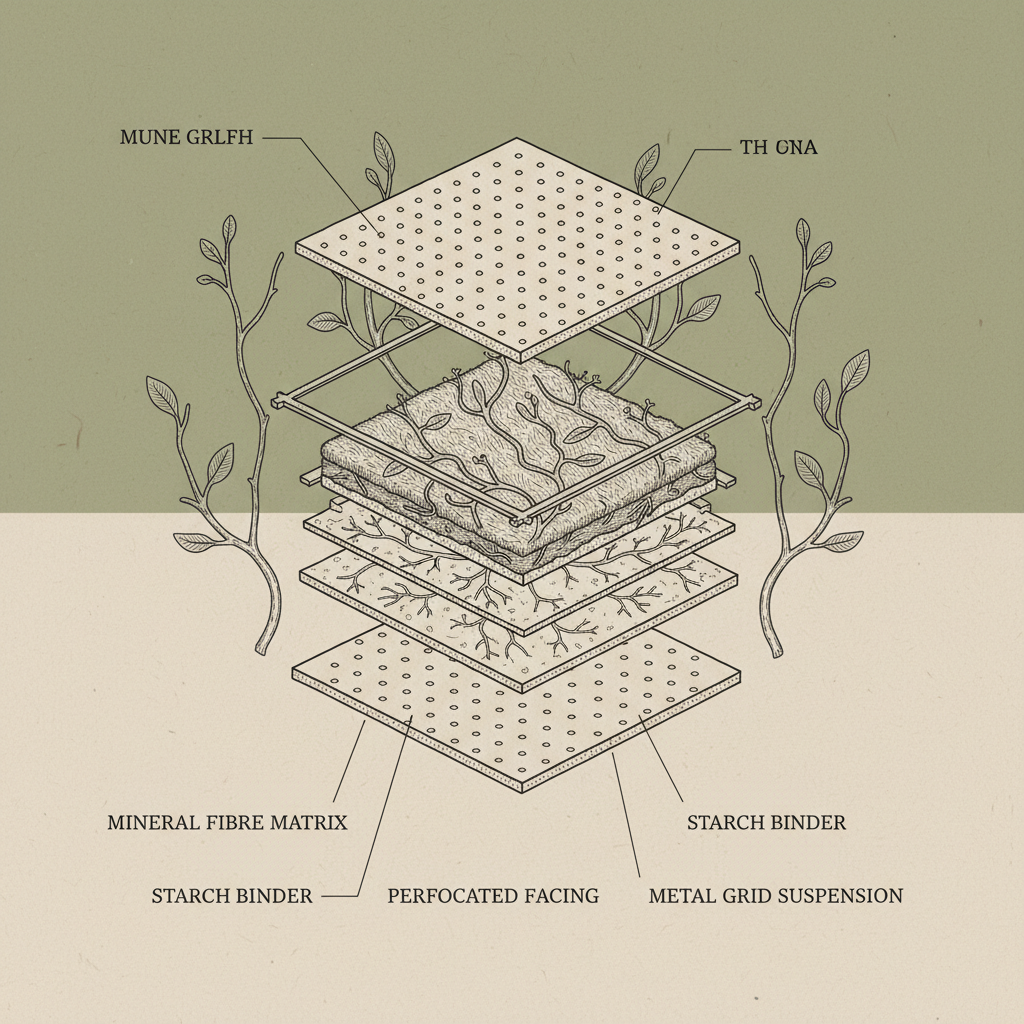
The foundation of a mineral fibre ceiling lies in its carefully selected components. Mineral wool, the primary ingredient, provides the core properties of sound absorption and fire resistance. The type of mineral wool – glass wool, rock wool, or slag wool – influences the tile’s performance characteristics and cost.
Clay acts as a binder, holding the mineral fibres together and giving the tile its structural integrity. The proportion of clay impacts the tile’s density and resilience. Other additives, such as starch or cellulose fibres, can be included to further enhance the tile’s properties, improving its workability and surface finish.
The surface finish, often applied as a paint or coating, plays a crucial role in the tile’s aesthetic appeal and cleanability. This layer can be customized to match the building’s interior design and provide resistance to moisture and stains, contributing to a long-lasting and attractive ceiling system.
Key Performance Factors
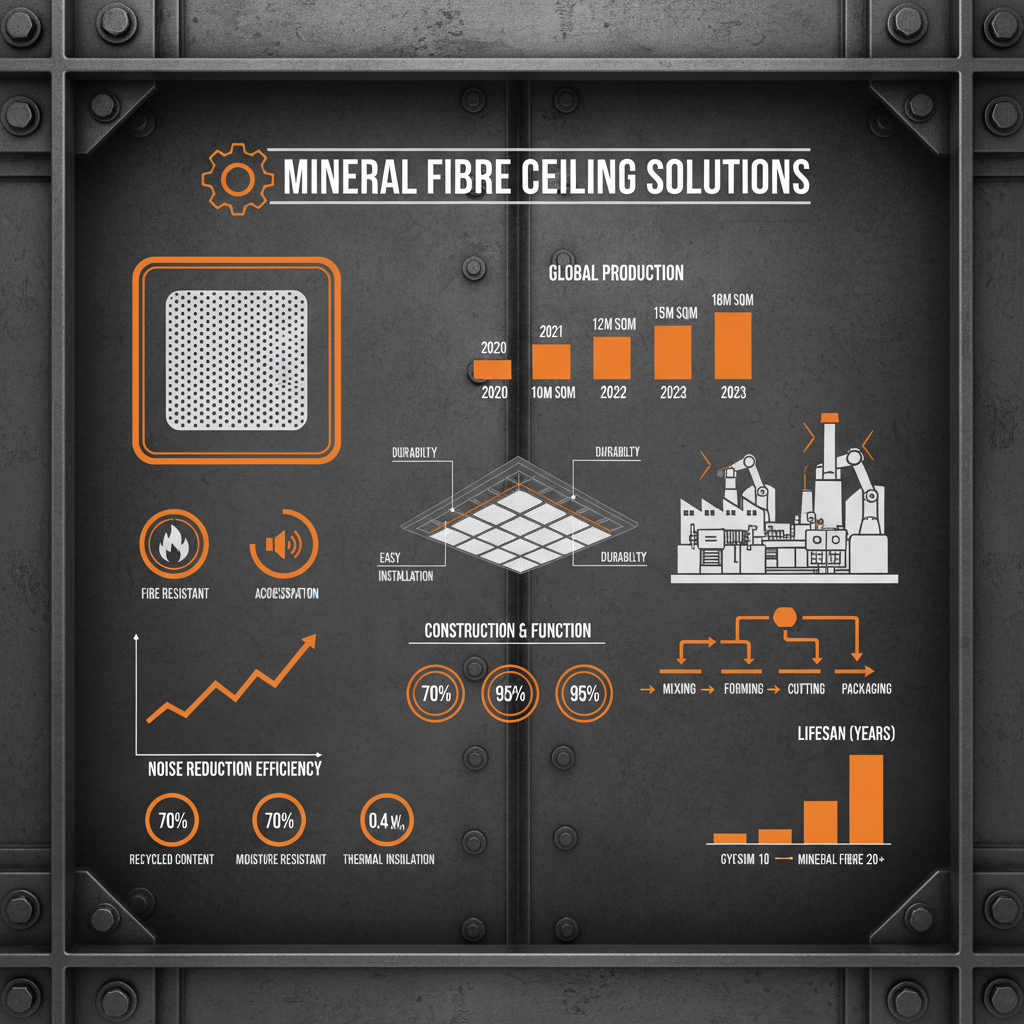
Several key factors determine the effectiveness of mineral fibre ceiling. Acoustic performance, measured by the Noise Reduction Coefficient (NRC), indicates the tile’s ability to absorb sound. Higher NRC values signify better sound absorption, creating quieter and more comfortable environments.
Fire resistance is another critical factor, assessed by flame spread and smoke development ratings. Mineral fibre ceiling consistently achieve high ratings in these areas, providing a significant layer of passive fire protection.
Mineral Fibre Ceiling Performance Comparison
Global Applications and Use Cases
Mineral fibre ceiling finds extensive applications across diverse sectors globally. In commercial buildings like offices and retail spaces, these tiles create a professional and acoustically comfortable environment, enhancing productivity and customer experience.
Educational institutions, from schools to universities, benefit significantly from improved sound control within classrooms and lecture halls, facilitating better learning outcomes. Hospitals and healthcare facilities utilize mineral fibre ceiling to minimize noise pollution, creating a more tranquil and healing atmosphere for patients and staff.
Advantages and Long-Term Value
The advantages of utilizing mineral fibre ceiling are multifaceted. From a cost perspective, they offer a competitively priced solution compared to other ceiling materials. Their durability and longevity contribute to reduced life-cycle costs, minimizing the need for frequent replacements.
The sustainability aspect is also paramount, with many mineral fibre ceiling tiles incorporating recycled content, reducing their environmental footprint. Furthermore, their fire-resistant properties enhance building safety, potentially lowering insurance premiums and protecting occupants. They are therefore a long-term investment that delivers both economic and social value.
Future Trends and Innovations
The future of mineral fibre ceiling is poised for innovation, driven by a growing emphasis on sustainability and performance. We're seeing a trend towards increased use of bio-based materials in tile composition, further reducing their environmental impact.
Smart ceiling systems, integrating features like lighting and sensors, are also gaining traction, offering enhanced functionality and energy efficiency. Research and development efforts are focused on improving acoustic performance, achieving higher NRC ratings without compromising fire resistance.
Advancements in manufacturing processes are also leading to thinner and lighter tiles, simplifying installation and reducing material usage, promoting a more streamlined and environmentally friendly construction process.
Summary of Current Research in Mineral Fibre Ceiling Technology
| Research Area |
Key Findings |
Potential Impact on Mineral Fibre Ceiling |
Implementation Timeline |
| Bio-Based Binders |
Successful use of starch and plant-based resins as alternatives to traditional binders. |
Reduced carbon footprint and improved sustainability profile. |
2-5 years |
| Nanomaterial Integration |
Enhanced sound absorption through the incorporation of nano-sized particles. |
Higher NRC ratings with minimal thickness increase. |
5-10 years |
| Recycled Content Optimization |
Increased percentage of recycled glass and mineral wool without compromising performance. |
Greater resource efficiency and reduced landfill waste. |
Currently being implemented |
| Self-Cleaning Coatings |
Development of photocatalytic coatings that break down pollutants. |
Improved indoor air quality and reduced maintenance. |
3-7 years |
| Integrated Sensor Technology |
Embedding sensors for temperature, humidity, and light levels directly into the tiles. |
Smart building capabilities and enhanced energy management. |
5-10 years |
| 3D Printed Ceiling Designs |
Customizable and complex geometries created through additive manufacturing. |
Increased design flexibility and architectural expression. |
7-15 years |
FAQS
The lifespan of a mineral fibre ceiling tile generally ranges from 15 to 20 years, depending on environmental factors like humidity, temperature, and maintenance. Regular cleaning and avoiding direct contact with water can maximize its longevity. Higher quality tiles, especially those with reinforced backings, tend to last longer, providing a cost-effective long-term solution for interior spaces.
Many mineral fibre ceiling tiles are manufactured with a significant percentage of recycled content, often exceeding 70%, making them a sustainable building material. Their inherent fire resistance also reduces the need for fire-retardant chemicals, further minimizing their environmental impact. Choosing tiles with environmental certifications, like those from Greenguard, ensures a low-emission product.
Mineral fibre ceiling tiles are highly effective at sound absorption due to their porous structure, which traps and dissipates sound waves. The Noise Reduction Coefficient (NRC) indicates their absorption capability, with higher values signifying better performance. Depending on the specific tile and installation, NRC values can range from 0.60 to 0.90, significantly reducing noise levels in a space.
Yes, mineral fibre ceiling tiles can be painted, but it's essential to use a paint specifically designed for porous surfaces. An acrylic latex paint is generally recommended, and it’s important to apply a primer first to ensure proper adhesion and a uniform finish. Painting can allow for customization and refresh the appearance of the ceiling over time.
Mineral fibre ceiling tiles generally perform well in humid environments, but prolonged exposure to high moisture levels can lead to sagging or deterioration. Selecting tiles specifically designed for high-humidity applications, often with a water-resistant coating, is crucial in areas like bathrooms and kitchens. Proper ventilation is also essential to prevent moisture build-up.
The cost of installing mineral fibre ceiling tiles varies depending on factors like tile quality, labor rates, ceiling area, and complexity of the installation. Generally, the cost per square foot can range from $3 to $8, including materials and labor. This price point makes them a cost-effective ceiling solution compared to many other alternatives, offering a good balance of performance and affordability.
Conclusion
Mineral fibre ceiling tiles represent a versatile and highly valuable solution for modern interior construction. Their combination of acoustic performance, fire resistance, sustainability, and cost-effectiveness makes them an ideal choice for a wide range of applications, from commercial buildings and educational institutions to healthcare facilities. Understanding their properties and benefits empowers architects, contractors, and building owners to make informed decisions.
Looking ahead, continued innovation in materials and manufacturing processes will further enhance the performance and sustainability of mineral fibre ceiling. Embracing these advancements and prioritizing quality and proper installation will ensure long-term value and contribute to the creation of safer, healthier, and more comfortable indoor environments. Visit our website at www.xingyuanceilings.com to explore our range of mineral fibre ceiling solutions.