Mineral fibre board insulation is a crucial component in modern building practices, offering a cost-effective and efficient solution for thermal and acoustic control. Its increasing demand globally reflects a growing awareness of energy efficiency and sustainable construction. Understanding its properties, applications, and future trends is vital for architects, engineers, and policymakers alike.
The global construction industry is facing increasing pressure to reduce its environmental footprint. Mineral fibre board insulation provides a practical pathway towards achieving these sustainability goals, contributing to lower energy consumption and reduced carbon emissions. Moreover, its inherent fire-resistant properties enhance building safety, a paramount concern worldwide.
The versatility of mineral fibre board insulation extends beyond standard construction, playing a key role in specialized applications like cleanrooms, recording studios, and industrial facilities where precise environmental control is essential. Its widespread adoption demonstrates its value across diverse sectors.
Introduction to Mineral Fibre Board Insulation
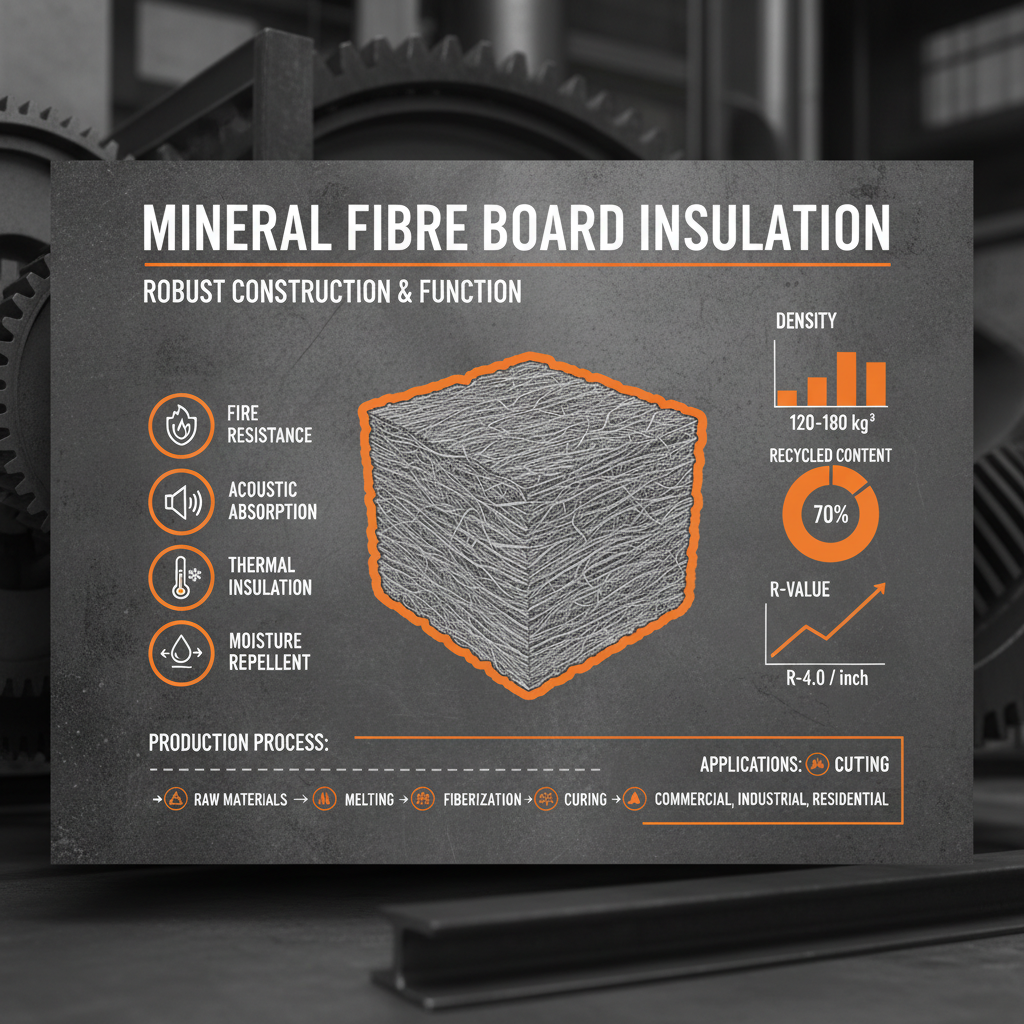
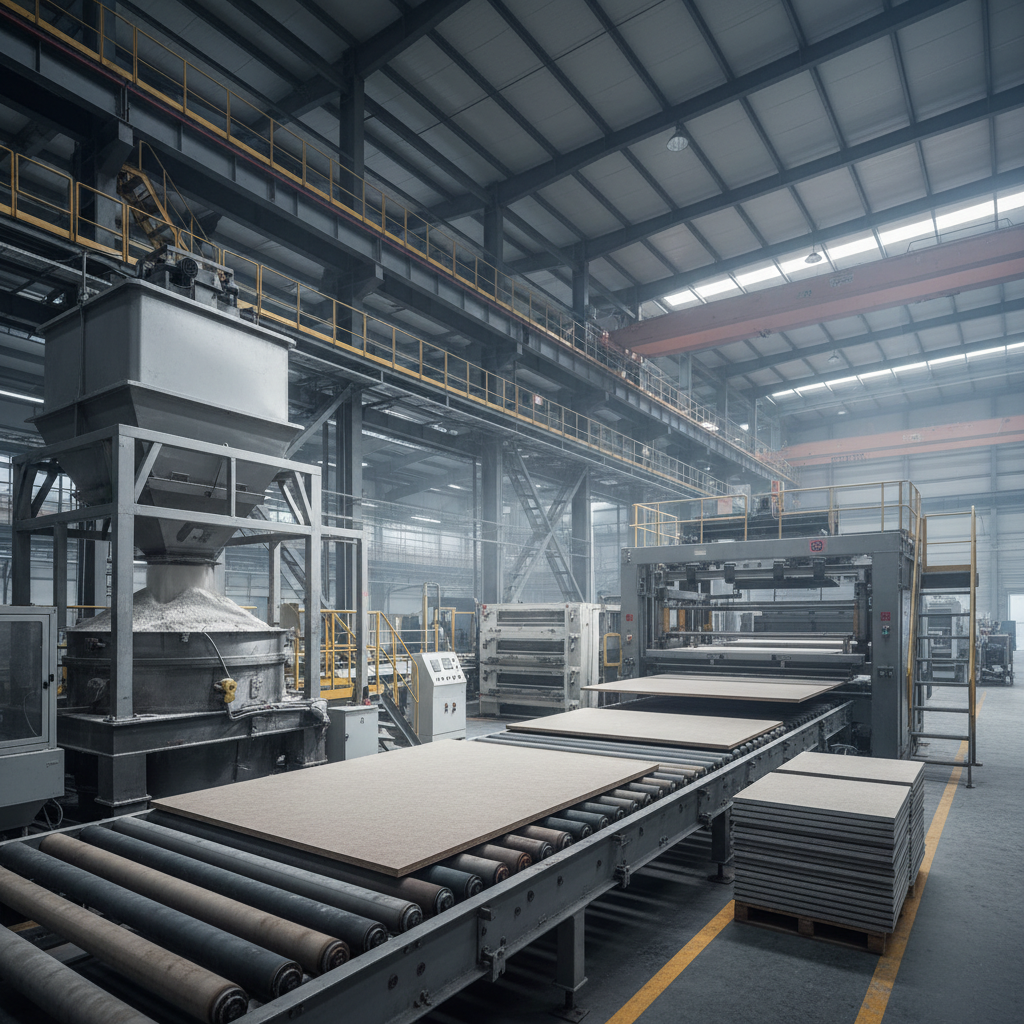
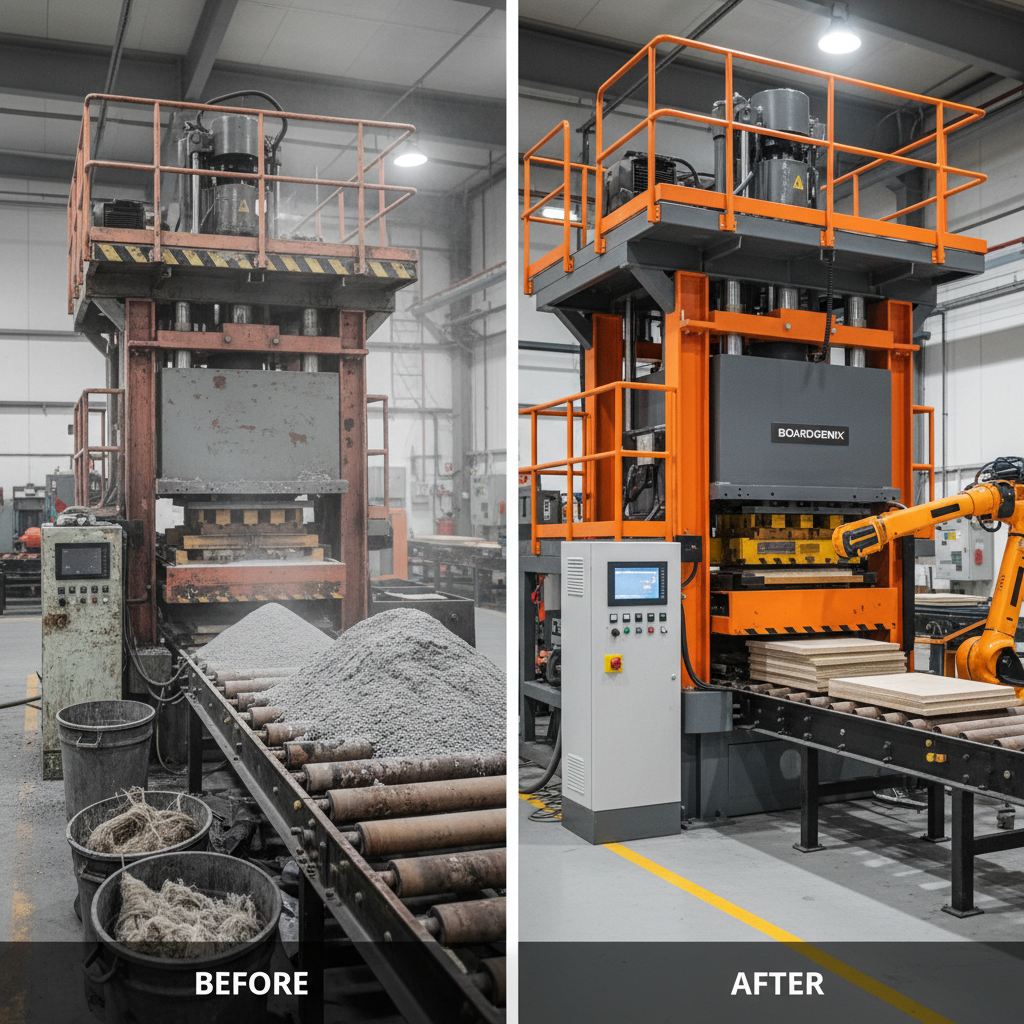
Mineral fibre board insulation is a versatile material prized for its thermal and acoustic properties. Typically manufactured from recycled glass, stone wool, or slag, it offers a sustainable alternative to traditional insulation materials. The production process involves melting these materials and spinning them into fine fibres, which are then bonded together to form rigid or semi-rigid boards.
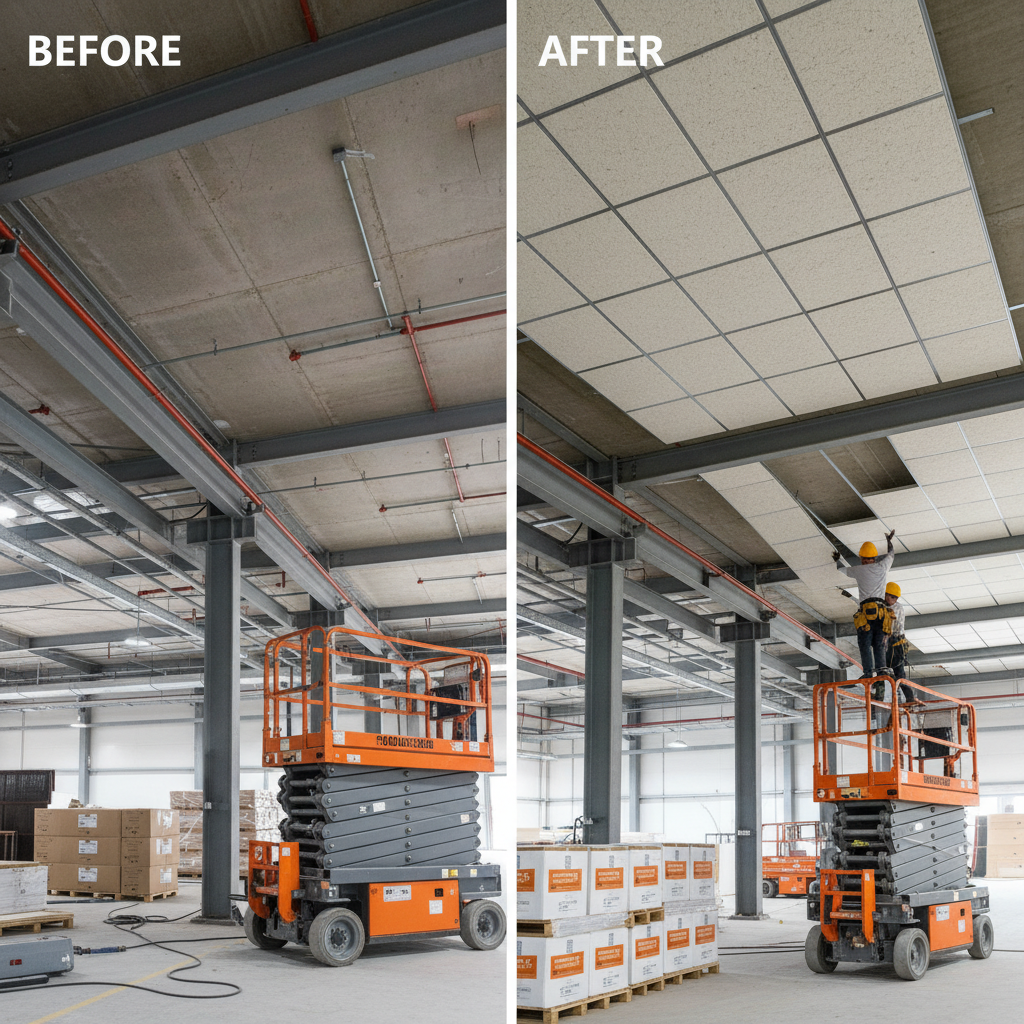
Its lightweight nature and ease of installation contribute to reduced project costs and timelines. This makes it a popular choice in both new construction and retrofit projects, enhancing energy efficiency and indoor comfort in a wide range of buildings.
Global Relevance and Industry Context
The demand for energy-efficient building materials is soaring globally, driven by increasing energy costs and stricter environmental regulations. According to the International Energy Agency (IEA), buildings account for approximately 40% of global energy consumption. Reducing this figure is a central goal of many countries’ climate action plans.
The construction industry is a significant contributor to greenhouse gas emissions, and the adoption of mineral fibre board insulation can dramatically reduce these emissions by minimizing heat loss and gain. The United Nations Environment Programme (UNEP) actively promotes sustainable building practices, highlighting the importance of insulation in achieving net-zero energy buildings.
The ISO standards organization plays a vital role in setting benchmarks for insulation performance and quality, ensuring that products meet stringent requirements for thermal resistance, fire safety, and environmental impact. This standardized approach facilitates global trade and ensures consistent quality across different regions.
Defining Mineral Fibre Board Insulation
Mineral fibre board insulation is a composite material specifically engineered to reduce heat transfer and noise transmission. It's created from molten mineral materials – primarily recycled glass, rock, or slag – spun into fine fibres and bonded with a resin binder. These boards are available in various densities and thicknesses to suit different application requirements.
Its connection to modern industry stems from the need for high-performance insulation that is both sustainable and cost-effective. The use of recycled content minimizes waste and reduces the environmental impact of manufacturing. Furthermore, its fire-resistant properties make it an essential safety component in building design, addressing critical humanitarian needs related to structural integrity and occupant safety.
Beyond construction, mineral fibre board insulation supports industries requiring controlled environments, such as pharmaceuticals, food processing, and electronics manufacturing. It acts as a critical barrier against external influences, ensuring product quality and process stability.
Key Factors & Performance Characteristics
The performance of mineral fibre board insulation is defined by several key factors. Thermal conductivity, measured as the rate of heat transfer, is a primary consideration, with lower values indicating superior insulation. Density affects both thermal and acoustic performance, with higher densities generally providing better sound absorption.
Fire resistance is another crucial factor, as mineral fibre is inherently non-combustible and can withstand high temperatures. Moisture resistance is also important, as excessive moisture can reduce insulation effectiveness.
Comparative Performance of Mineral Fibre Board Insulation Methods
Applications Across Industries
The application of mineral fibre board insulation is remarkably diverse. In the residential sector, it’s extensively used in walls, roofs, and floors to enhance thermal comfort and reduce energy bills. Commercially, it's a staple in office buildings, retail spaces, and hotels, contributing to lower operating costs and improved occupant well-being.
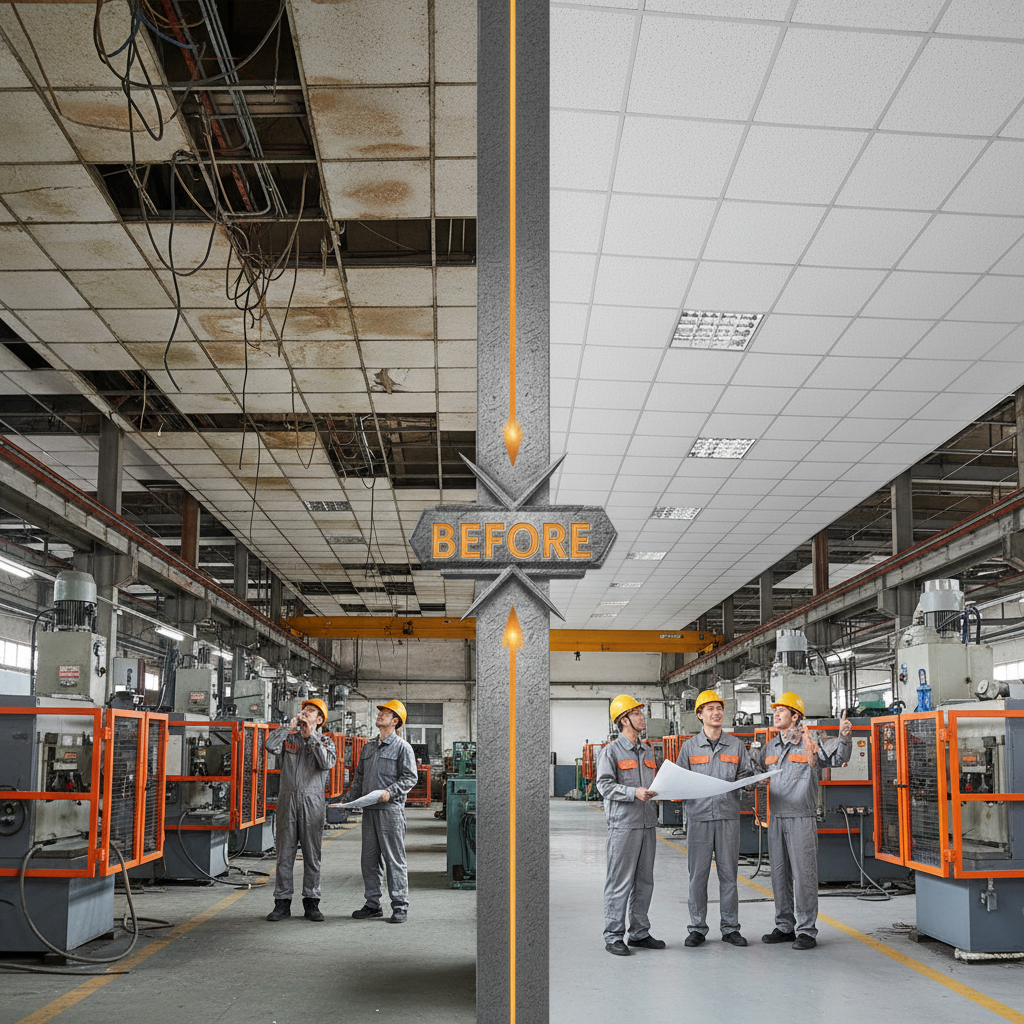
In industrial settings, it provides critical temperature control for processes, protects equipment from extreme temperatures, and minimizes noise pollution. In post-disaster relief operations, it can be rapidly deployed to provide shelter and thermal protection to affected populations.
Advantages & Long-Term Value Proposition
The benefits of using mineral fibre board insulation extend beyond simple cost savings. Its sustainability, stemming from the use of recycled materials, contributes to a reduced environmental impact. This aligns with growing corporate social responsibility initiatives and supports a circular economy.
Long-term, it provides consistent thermal performance, reducing energy consumption and lowering operational costs for decades. Its inherent fire resistance enhances building safety, protecting lives and property. Furthermore, it improves indoor air quality by minimizing dust and allergens, creating a healthier living and working environment.
Future Trends and Innovations
The future of mineral fibre board insulation is focused on enhancing performance and sustainability. Research is ongoing to develop bio-based binders to replace traditional resins, further reducing the environmental footprint. Smart insulation technologies, incorporating sensors and data analytics, are emerging to optimize energy efficiency in real-time.
The integration of digital tools, such as Building Information Modeling (BIM), is streamlining the design and installation process, minimizing waste and ensuring optimal performance. The increasing demand for passive house construction is driving innovation in ultra-high-performance insulation materials, pushing the boundaries of thermal efficiency.
FAQS
Glass wool is typically manufactured from recycled glass, resulting in a slightly lighter and more flexible product. Rock wool, produced from volcanic rock or slag, generally exhibits higher density and improved fire resistance. The choice between the two depends on the specific application requirements, with rock wool often preferred for demanding fire safety applications.
Moisture significantly reduces the thermal performance of mineral fibre board insulation. When wet, the air pockets within the fibres fill with water, hindering its ability to resist heat transfer. Proper installation, including vapour barriers and ventilation, is crucial to prevent moisture buildup. Some products are treated with water-repellent coatings to improve moisture resistance.
Yes, mineral fibre board insulation is considered an environmentally friendly option. It's manufactured from a high percentage of recycled content, reducing landfill waste. Its low thermal conductivity reduces energy consumption, lowering carbon emissions. Ongoing research focuses on developing bio-based binders for even greater sustainability.
During installation, it's essential to wear appropriate personal protective equipment (PPE), including a dust mask, gloves, and eye protection. Mineral fibre particles can cause skin and respiratory irritation. Ensure adequate ventilation during cutting and handling. Follow the manufacturer’s instructions for safe installation practices.
When properly installed and maintained, mineral fibre board insulation can last for the lifespan of the building, typically 50-100 years. Its durability and resistance to settling or degradation ensure long-term performance. Regular inspections can identify any potential issues, such as moisture damage, and allow for timely repairs.
Density plays a significant role in both thermal and acoustic performance. Higher density boards generally provide better sound absorption and can offer increased thermal resistance. However, they may also be more difficult to cut and install. Lower density boards are lighter and easier to work with, but may not provide the same level of performance in certain applications.
Conclusion
Mineral fibre board insulation stands as a cornerstone of sustainable building practices, offering a compelling combination of thermal performance, acoustic control, fire resistance, and environmental responsibility. Its versatility and cost-effectiveness have driven its widespread adoption across diverse industries and applications. Understanding its properties and benefits is essential for creating energy-efficient, safe, and comfortable built environments.
Looking ahead, continued innovation in material science and manufacturing processes will further enhance the performance and sustainability of mineral fibre board insulation. Embracing these advancements and integrating them into building designs is critical for achieving a more sustainable and resilient future. Visit our website at www.xingyuanceilings.com to learn more about our products and solutions.