Mineral and fiber board represents a significant advancement in construction and industrial materials, offering a versatile and cost-effective solution for a wide range of applications. Its increasing global adoption is driven by its inherent properties, including fire resistance, acoustic performance, and thermal insulation. Understanding the nuances of this material is crucial for architects, engineers, and builders seeking sustainable and efficient building solutions. This comprehensive guide aims to explore the multifaceted aspects of mineral and fiber board, from its fundamental composition to its evolving role in modern infrastructure.
The global demand for sustainable and energy-efficient building materials is steadily rising, influenced by factors like increasing urbanization, stringent building codes, and growing environmental awareness. Mineral and fiber board is uniquely positioned to meet these demands, offering a lower environmental footprint compared to traditional materials like wood or concrete in certain applications. The material’s lightweight nature also contributes to reduced transportation costs and easier installation, further enhancing its economic viability.
From prefabricated housing and interior partitions to external cladding and acoustic panels, mineral and fiber board is transforming the construction landscape. Its adaptability makes it suitable for diverse climates and architectural styles. This article will delve into the core characteristics, applications, and future trends surrounding this innovative material, providing valuable insights for professionals and enthusiasts alike.
Introduction to Mineral and Fiber Board
Mineral and fiber board is a composite material crafted from a blend of mineral components – often including magnesium oxide, calcium silicate, or cement – and reinforcing fibers like cellulose, glass fiber, or recycled paper. This combination yields a product with exceptional strength, durability, and resistance to various environmental factors. These boards are increasingly recognized as a sustainable alternative in the construction sector.
Its versatility allows for a myriad of applications, spanning interior finishing, exterior cladding, fireproofing systems, and even specialized industrial components. The ability to customize the material’s density, thickness, and surface finish further expands its potential, making it a preferred choice for architects and designers seeking both functionality and aesthetic appeal.
Global Relevance and Industry Context
The global construction industry is currently valued at trillions of dollars and continues to grow rapidly, particularly in emerging economies. Within this landscape, the demand for innovative and sustainable building materials is escalating. According to the United Nations Environment Programme (UNEP), the building sector accounts for nearly 40% of global energy-related carbon emissions. This statistic underscores the urgency of adopting eco-friendly construction practices, making materials like mineral and fiber board increasingly vital.
The ISO standards organization plays a crucial role in establishing benchmarks for quality and performance in the building materials industry. Mineral and fiber board manufacturers are increasingly adhering to these standards to ensure product reliability and safety. Furthermore, government regulations promoting green building initiatives – such as LEED certification – are driving the adoption of sustainable materials like this.
A key challenge lies in balancing cost-effectiveness with sustainability. Traditional building materials often present a lower upfront cost, but can incur higher lifecycle costs due to energy consumption, maintenance, and eventual disposal. Mineral and fiber board addresses this challenge by offering a durable, low-maintenance, and potentially recyclable alternative, contributing to a more sustainable built environment.
Defining Mineral and Fiber Board
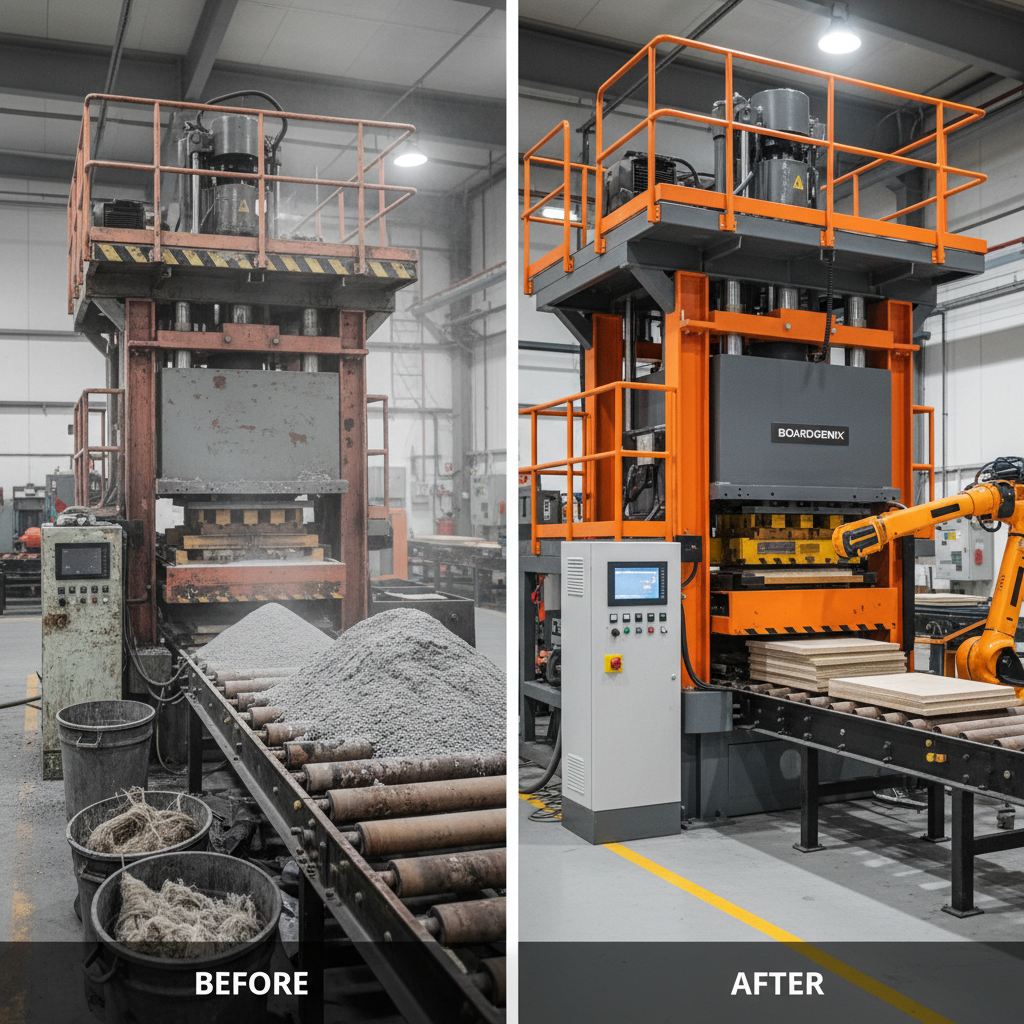
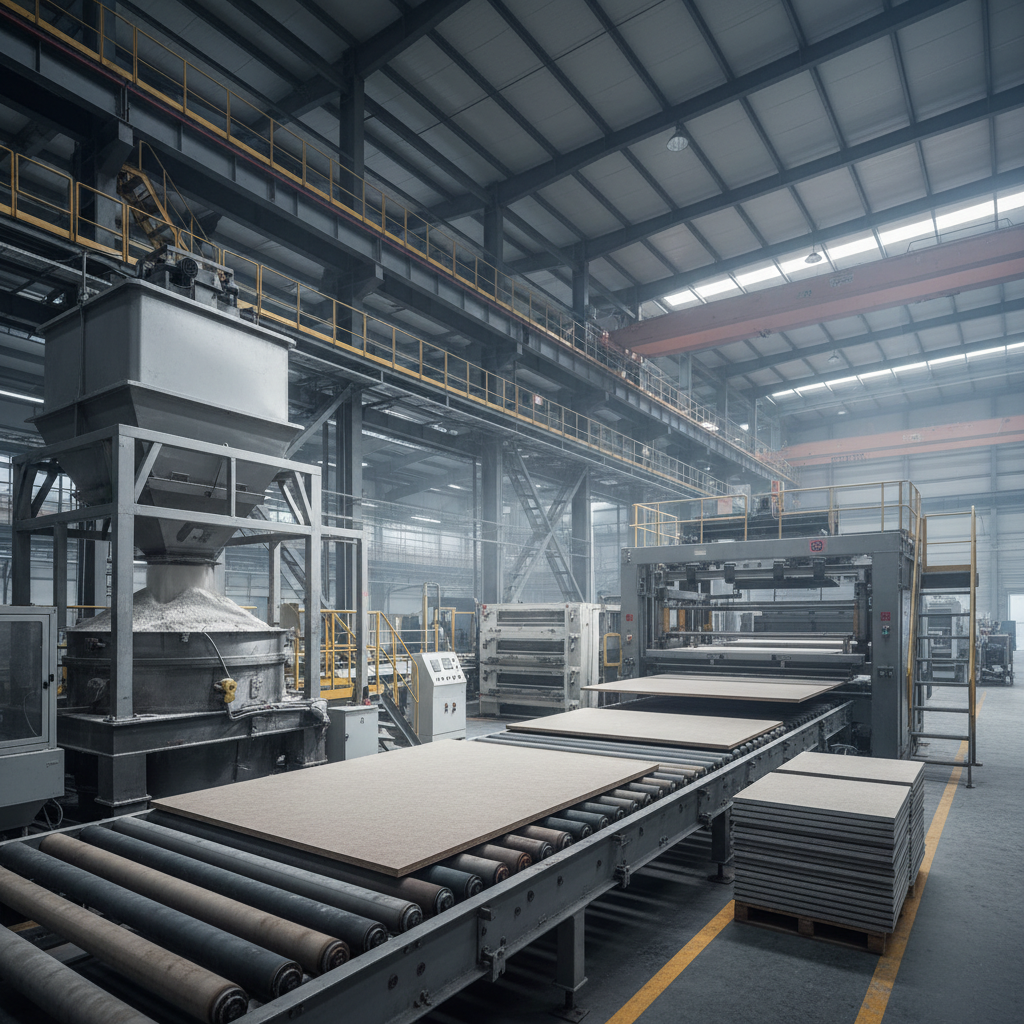
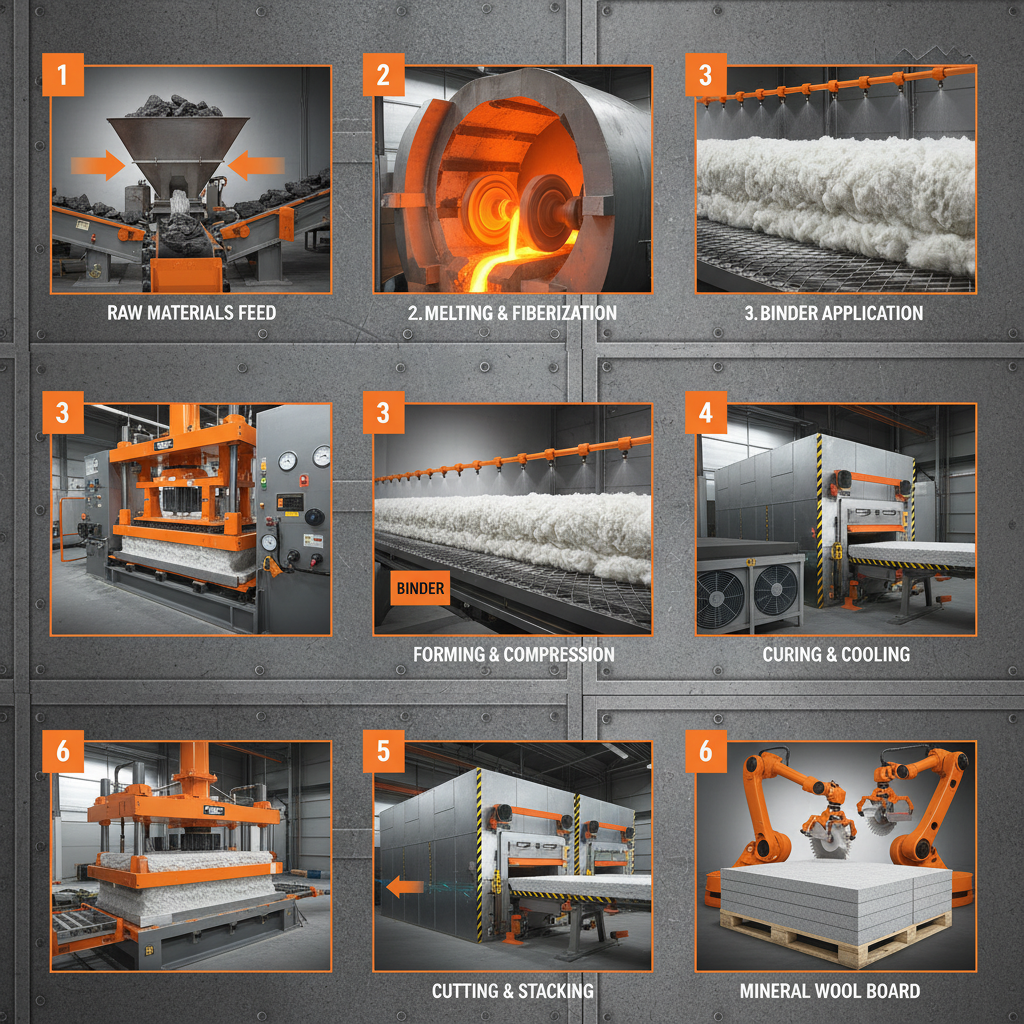
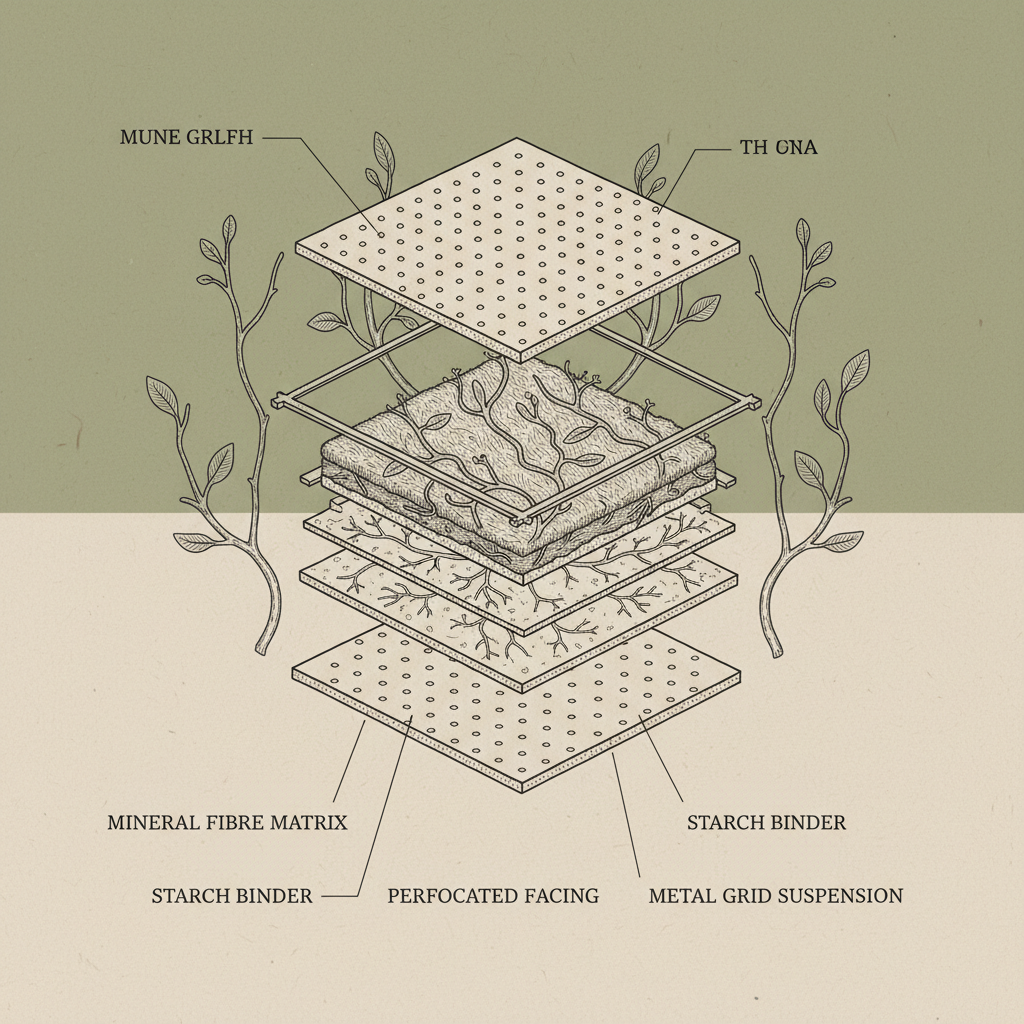
Mineral and fiber board is a composite material engineered by combining mineral aggregates, such as magnesium oxide or calcium silicate, with organic or inorganic fibers. These fibers, which can range from wood cellulose to glass fibers, provide structural reinforcement and enhance the board's overall performance characteristics. The mixture is then typically formed into sheets and cured through a process involving heat and pressure.
Unlike traditional gypsum boards, mineral and fiber boards offer superior resistance to moisture, mold, and fire. This makes them particularly well-suited for applications in areas prone to humidity or where fire safety is a paramount concern. The material’s inherent composition also contributes to excellent acoustic performance, reducing sound transmission and creating more comfortable indoor environments.
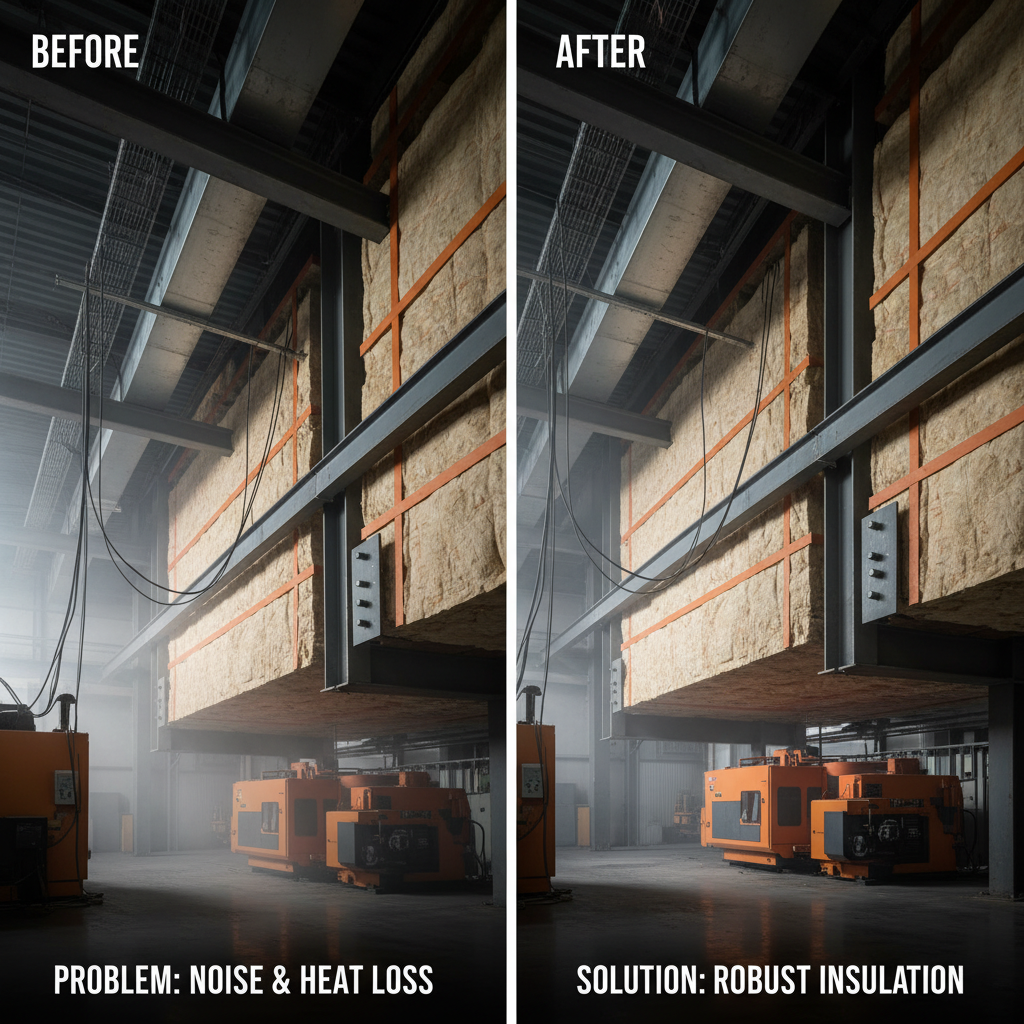
Its connection to modern industry and humanitarian needs is significant. Beyond construction, it’s utilized in industrial settings for thermal and acoustic insulation, and increasingly, in rapid-deployment shelter solutions for disaster relief and emergency housing. The properties of mineral and fiber board make it an ideal material for providing safe and dignified living spaces in challenging circumstances.
Key Factors and Core Components
Durability is a cornerstone of mineral and fiber board’s appeal. The material exhibits exceptional resistance to impact, abrasion, and weathering, ensuring a long service life with minimal maintenance. This durability translates to reduced replacement costs and a lower overall lifecycle cost compared to many traditional building materials.
Acoustic performance is another key advantage. The inherent density and composition of the board effectively dampen sound transmission, making it an excellent choice for interior partitions, recording studios, and other environments where noise control is critical.
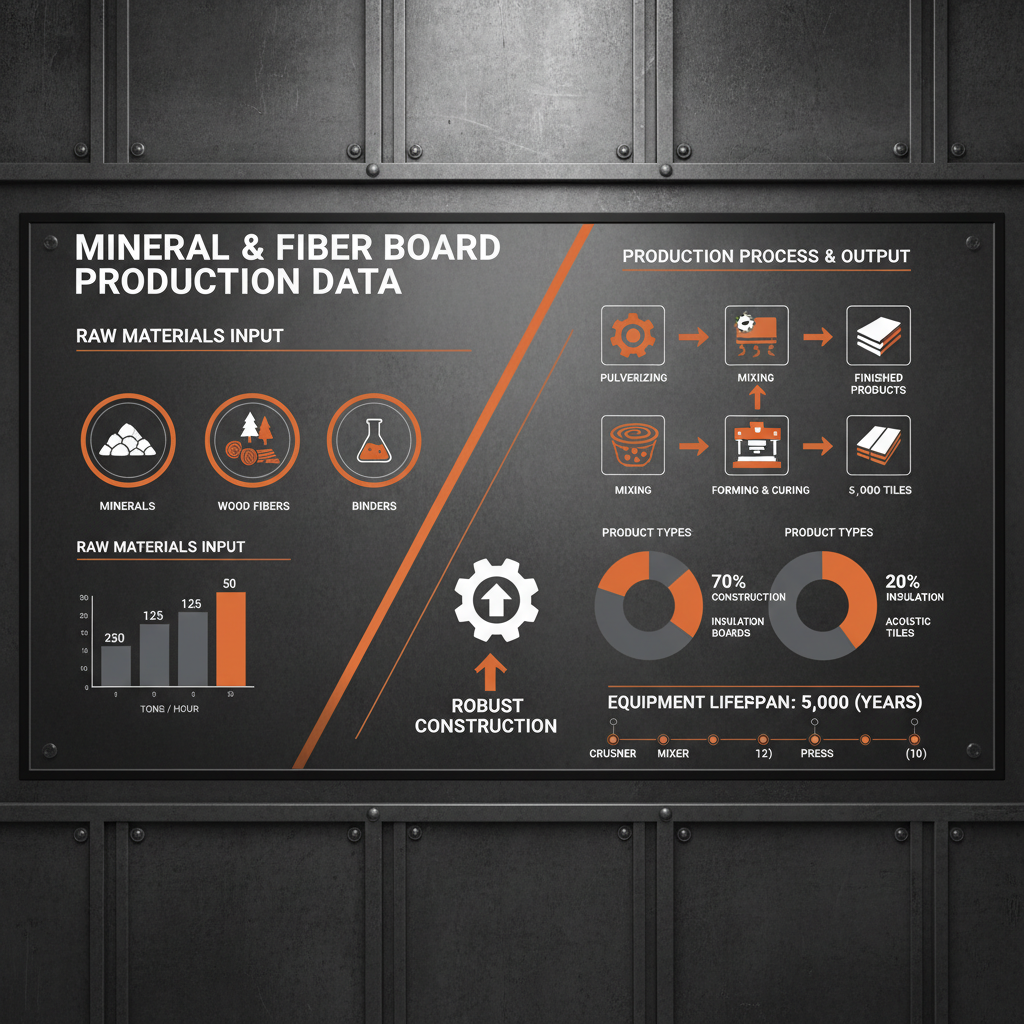
Mineral and Fiber Board Performance Metrics
Global Applications and Use Cases
In post-disaster relief operations, mineral and fiber board is rapidly gaining traction as a superior alternative to traditional tents or makeshift shelters. Its inherent fire resistance, rapid assembly, and durability provide a safe and comfortable living environment for displaced populations. Organizations like the Red Cross are actively exploring the use of these materials in emergency housing initiatives.
In remote industrial zones, particularly those with harsh environmental conditions, mineral and fiber board serves as an effective solution for constructing durable and weather-resistant buildings. The material’s lightweight nature simplifies transportation to remote locations, while its ease of installation reduces construction time and labor costs.
Advantages and Long-Term Value
The cost-effectiveness of mineral and fiber board extends beyond its initial purchase price. Reduced maintenance requirements, coupled with its long lifespan, translate to significant savings over the building’s lifecycle. Its lightweight nature also contributes to lower transportation and installation costs.
From a sustainability perspective, mineral and fiber board often incorporates recycled materials, reducing landfill waste and conserving natural resources. The material’s durability and resistance to degradation further contribute to its environmental benefits, minimizing the need for frequent replacements.
Beyond the tangible benefits, mineral and fiber board fosters a sense of safety and dignity, particularly in applications like emergency housing. Its fire resistance and structural integrity provide peace of mind, while its ability to create comfortable and healthy living spaces enhances the well-being of occupants.
Future Trends and Innovations
Research and development efforts are focused on enhancing the performance characteristics of mineral and fiber board through the integration of advanced nanomaterials. These additions aim to further improve the material’s strength, fire resistance, and thermal insulation properties.
The convergence of digital technologies with construction processes is opening up new possibilities for optimizing the design and fabrication of mineral and fiber board components. Building Information Modeling (BIM) and digital fabrication techniques allow for precise customization and efficient production, reducing waste and improving accuracy.
The increasing emphasis on circular economy principles is driving the development of fully recyclable mineral and fiber board formulations. These innovative materials aim to minimize environmental impact by closing the loop and reusing resources at the end of the product’s lifecycle.
FAQS
Mineral and fiber board offers significantly enhanced fire resistance compared to traditional gypsum drywall. Its mineral composition prevents combustion and slows down the spread of flames, providing crucial time for evacuation in emergency situations. It typically achieves higher fire ratings (up to 2 hours) without requiring additional fireproofing treatments, making it a safer building material.
Mineral and fiber board exhibits excellent moisture resistance, making it an ideal choice for high-humidity environments like bathrooms and kitchens. Unlike traditional drywall, it doesn't readily absorb water, preventing mold and mildew growth, and minimizing structural damage. This durability reduces the need for frequent repairs or replacements in these challenging areas.
Yes, mineral and fiber board is often considered a sustainable building material. Many formulations incorporate recycled content, reducing reliance on virgin resources. Its long lifespan, reduced maintenance needs, and potential for recyclability further contribute to its environmental benefits. It also minimizes energy consumption during construction due to its lightweight nature.
The initial cost of mineral and fiber board can be slightly higher than traditional drywall. However, when considering the lifecycle cost – including durability, reduced maintenance, and potential energy savings – it often proves to be a more cost-effective solution. The precise cost will vary depending on the thickness, density, and specific formulation of the board.
Mineral and fiber board effectively dampens sound transmission due to its density and composition. This results in quieter indoor environments, reducing noise pollution and improving comfort. It's particularly beneficial in applications like offices, apartments, and recording studios where sound control is crucial.
Installation of mineral and fiber board is similar to traditional drywall, utilizing standard cutting and fastening techniques. However, it's generally denser and may require specialized tools or slightly different fasteners for optimal results. Following the manufacturer’s guidelines is crucial to ensure proper installation and maximize the material’s performance.
Conclusion
Mineral and fiber board stands as a compelling solution for modern construction challenges, offering a unique combination of durability, sustainability, and performance benefits. From its inherent fire resistance and acoustic properties to its adaptability for diverse applications, this material is redefining building standards worldwide. Its increased adoption promises safer, more energy-efficient, and environmentally responsible structures.
Looking ahead, continued innovation in material science and manufacturing processes will further enhance the capabilities of mineral and fiber board. Embracing this technology is essential for architects, builders, and policymakers committed to creating a more sustainable and resilient built environment. Visit our website at www.xingyuanceilings.com to learn more about how mineral and fiber board can transform your next project.