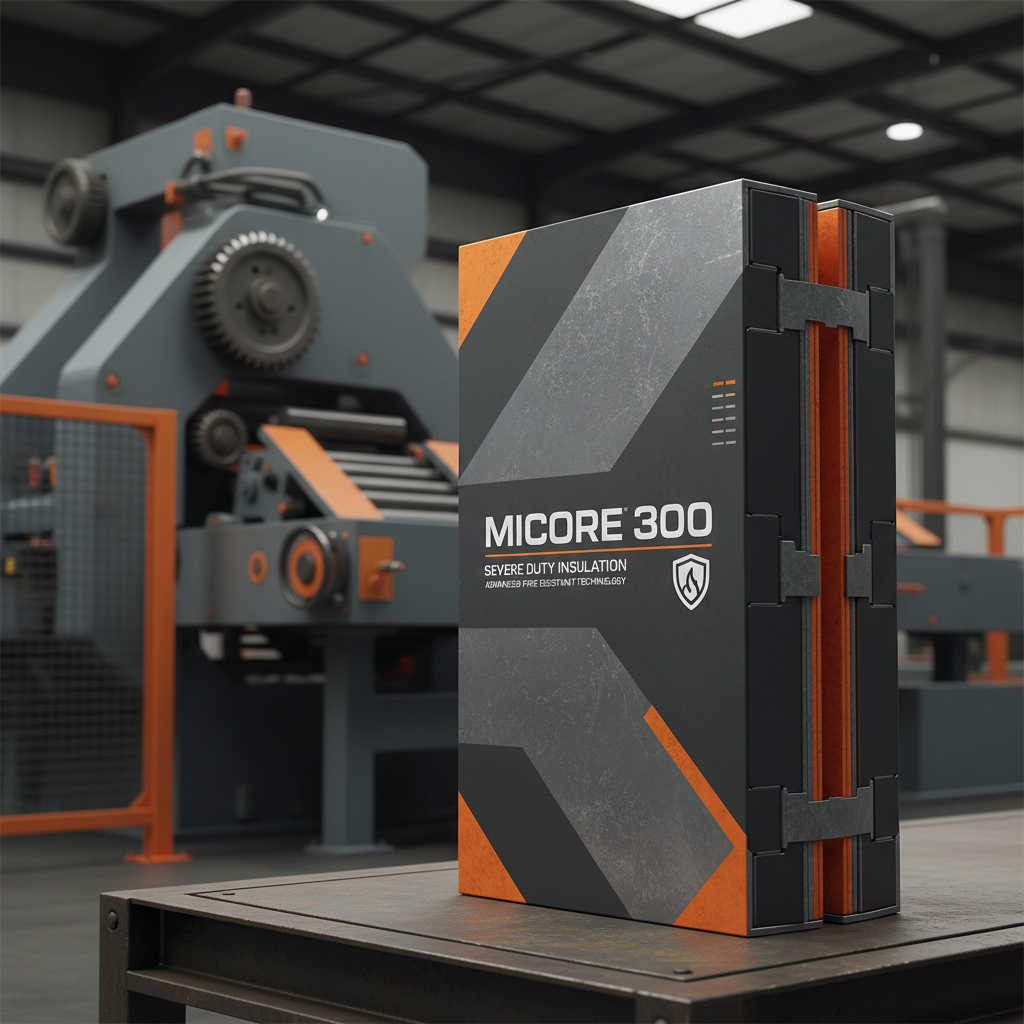
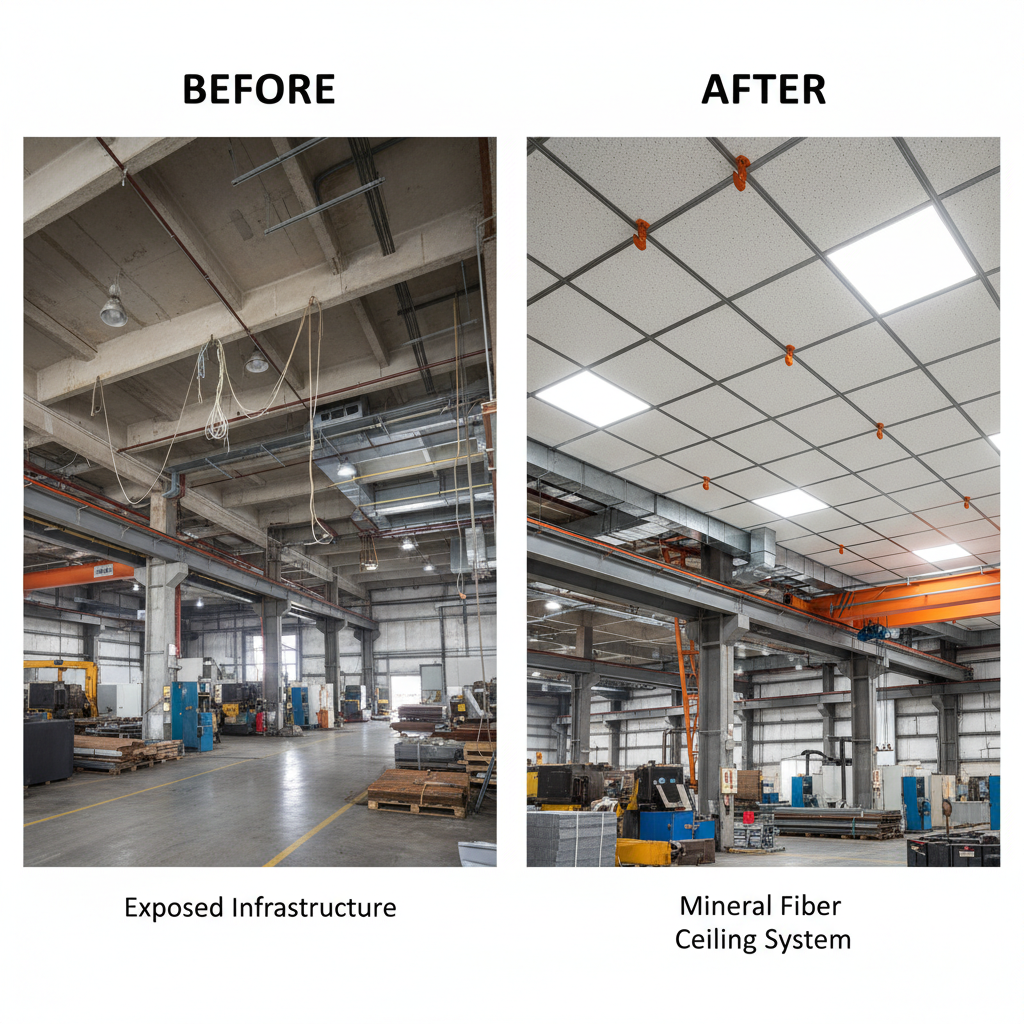
micore 300 mineral fiber board represents a significant advancement in interior building materials, offering a blend of acoustic performance, fire resistance, and cost-effectiveness. Its increasing adoption globally reflects a growing demand for sustainable and safe building solutions, particularly in commercial and institutional settings. Understanding its properties and applications is crucial for architects, contractors, and building owners alike seeking to optimize interior environments.
The relevance of micore 300 mineral fiber board extends beyond mere construction; it addresses critical concerns related to occupant well-being, safety standards, and environmental responsibility. With stricter building codes and a heightened awareness of indoor air quality, materials like micore 300 mineral fiber board are becoming essential for creating healthy and productive spaces. Its widespread usage demonstrates a commitment to sustainable practices within the construction industry.
Driven by the need for versatile building materials, micore 300 mineral fiber board offers a compelling alternative to traditional ceiling tiles and wall panels. Its relatively lightweight nature, ease of installation, and inherent sound-absorbing capabilities make it ideal for a wide range of projects, from offices and schools to healthcare facilities and retail spaces. This accessibility contributes significantly to its growing global presence.
Introduction to micore 300 mineral fiber board
micore 300 mineral fiber board stands out as a premier choice for acoustic and thermal management within building interiors. This material, known for its high sound absorption coefficient, effectively reduces noise reverberation, creating more comfortable and productive environments. Its composition, typically including mineral wool, slag wool, or glass wool combined with a binder, results in a durable and fire-resistant product.
The material's versatility extends to its adaptability in various design schemes. It can be easily cut, shaped, and finished, accommodating diverse aesthetic requirements. Beyond its functional benefits, `micore 300 mineral fiber board` contributes to sustainable building practices through its recyclability and low volatile organic compound (VOC) emissions, ensuring a healthier indoor environment.
Global Relevance and Industry Context
The global construction industry is experiencing a surge in demand for sustainable and high-performing building materials. According to a report by the World Bank, green building practices are projected to account for over 60% of new construction by 2030, driven by increasing environmental regulations and consumer preferences. Within this landscape, `micore 300 mineral fiber board` is gaining traction as a key component of eco-friendly building designs.
This trend is particularly pronounced in regions with stringent building codes, such as Europe and North America. The ISO 14001 standard for environmental management systems further reinforces the adoption of sustainable materials. Furthermore, the growing emphasis on indoor environmental quality, driven by concerns about health and productivity, is boosting demand for materials like micore 300 mineral fiber board that minimize VOC emissions and enhance acoustic comfort.
Addressing the challenge of noise pollution in densely populated urban areas is another critical driver. The United Nations Environment Programme (UNEP) estimates that noise pollution impacts over 220 million people in Europe alone. `micore 300 mineral fiber board`, with its superior sound absorption properties, offers a viable solution for mitigating noise levels in offices, schools, and residential buildings.
Defining micore 300 mineral fiber board
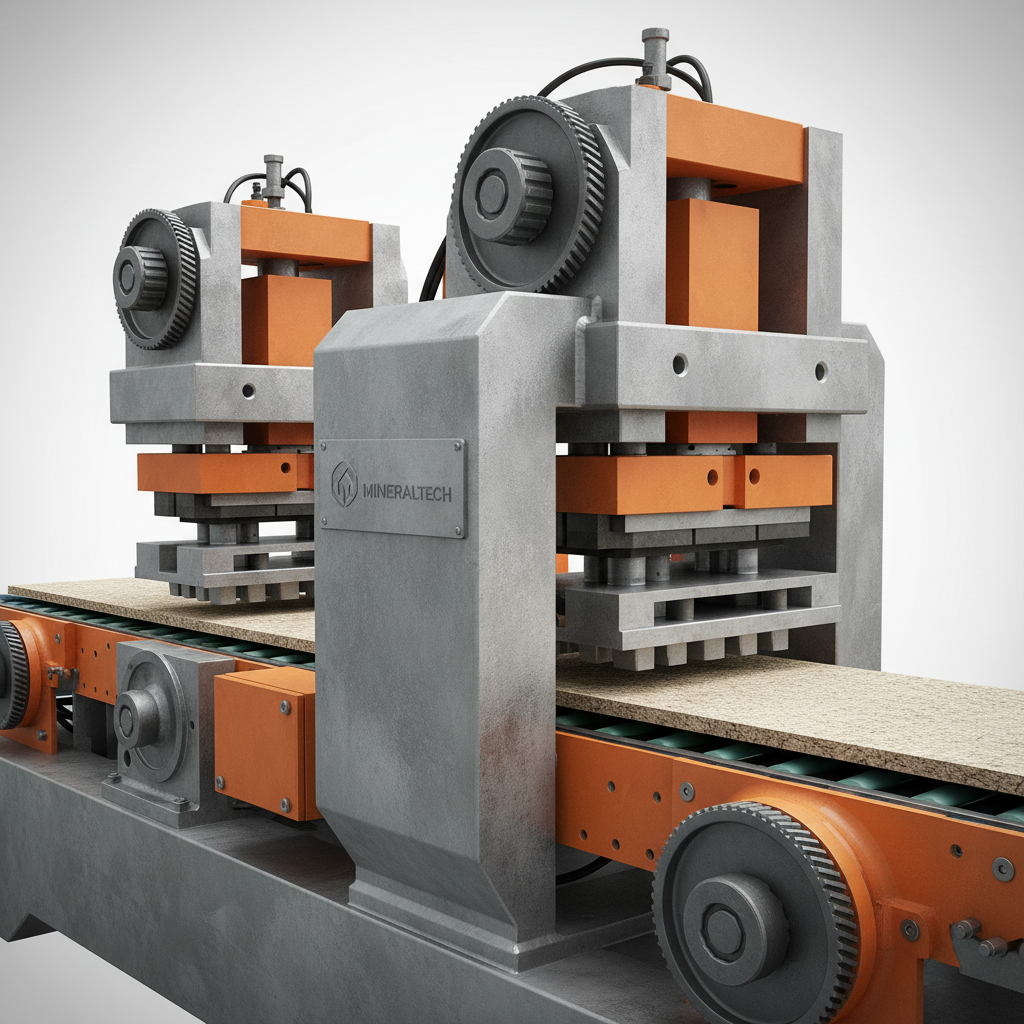
micore 300 mineral fiber board is a composite material primarily used for thermal and acoustic insulation, as well as for creating suspended ceilings and wall panels. It’s manufactured from a combination of mineral fibers – typically slag wool, rock wool, or glass wool – and a binding agent, formed into boards of varying densities and thicknesses. These boards offer excellent sound absorption, fire resistance, and thermal performance.
Its connection to modern industry is profound. As buildings become more complex and demands for energy efficiency and occupant comfort increase, materials like `micore 300 mineral fiber board` become crucial. They address the need for solutions that simultaneously enhance building performance, improve safety, and minimize environmental impact.
Moreover, the relevance extends to humanitarian needs. In emergency response and temporary shelter applications, its fire-resistant properties and insulating capabilities provide a safer and more comfortable environment for displaced populations. Its lightweight nature also simplifies transportation and installation in challenging conditions.
Key Factors of micore 300 mineral fiber board
One of the defining characteristics of micore 300 mineral fiber board is its Durability. The inherent strength of the mineral fibers and the bonding agents used in manufacturing result in a resilient material that can withstand daily wear and tear. It resists sagging, cracking, and deformation over time, ensuring a long service life and reducing the need for frequent replacements.
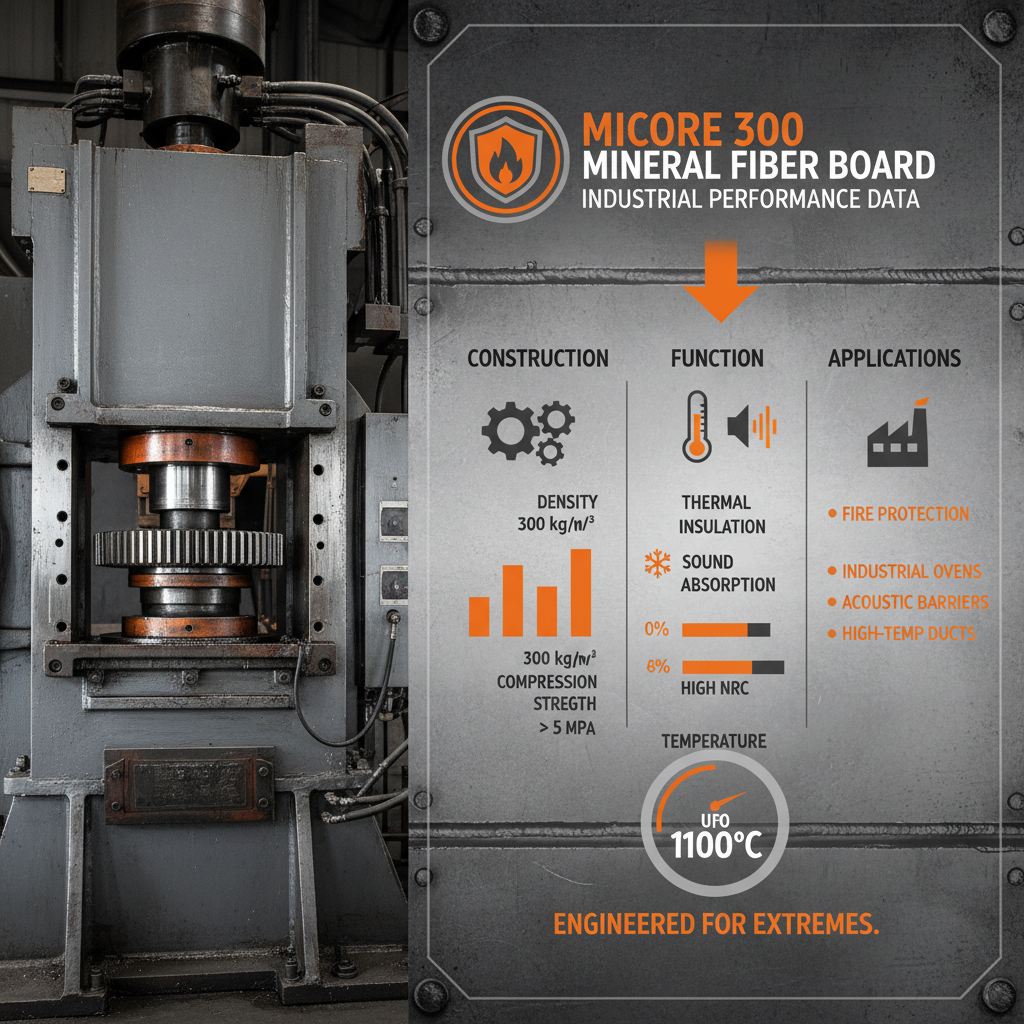
Acoustic Performance is another critical factor. `micore 300 mineral fiber board` excels at absorbing sound waves, reducing noise reverberation and creating quieter, more comfortable indoor environments. This is particularly valuable in open-plan offices, classrooms, and healthcare facilities. Its Noise Reduction Coefficient (NRC) values are consistently high.
Performance Metrics of micore 300 mineral fiber board
Global Applications of micore 300 mineral fiber board
In North America, `micore 300 mineral fiber board` is widely used in commercial buildings, particularly in office spaces and retail environments, to enhance acoustic comfort and comply with building codes. In Europe, it is frequently employed in educational institutions and healthcare facilities, where noise control and hygiene are paramount.
Across Asia, the demand for micore 300 mineral fiber board is rapidly growing, driven by urbanization and the expansion of the construction industry. It's becoming a standard component in modern office buildings, hotels, and shopping malls, as well as in transportation hubs like airports and train stations. In post-disaster relief operations, it can serve as a rapid deployment material.
Advantages and Long-Term Value
The primary advantage of utilizing `micore 300 mineral fiber board` lies in its cost-effectiveness. It offers a high performance-to-price ratio compared to many alternative materials, making it an attractive option for budget-conscious projects. Its ease of installation further reduces labor costs.
Beyond economic benefits, micore 300 mineral fiber board contributes to sustainability by utilizing recycled materials in its production and being fully recyclable at the end of its lifespan. This aligns with growing environmental concerns and corporate social responsibility goals. The peace of mind that comes from a fire-resistant material also adds significant value.
Future Trends and Innovations
Research and development efforts are focused on enhancing the sustainability of `micore 300 mineral fiber board` through the increased use of bio-based binders and recycled content. Innovations in manufacturing processes aim to reduce energy consumption and waste generation.
The integration of smart technologies, such as sensors embedded within the board to monitor air quality and humidity levels, is also being explored. These sensors could provide real-time data for building management systems, optimizing energy efficiency and occupant comfort. Digital building models are integrating materials like these to visualize performance.
The drive for further improvements in acoustic performance is another key area of innovation. New surface treatments and board designs are being developed to achieve even higher sound absorption coefficients, meeting the evolving needs of modern buildings.
Challenges and Solutions
A common challenge associated with `micore 300 mineral fiber board` is its susceptibility to moisture damage in certain environments. While generally resistant, prolonged exposure to high humidity can lead to sagging or deterioration.
To address this, manufacturers are developing enhanced moisture-resistant coatings and board formulations. Proper installation techniques, including the use of vapor barriers, are also crucial for mitigating this risk. Ventilation systems and humidity control measures within buildings further contribute to long-term durability.
Another challenge can be ensuring consistent quality control throughout the supply chain. Implementing rigorous testing protocols and certifications, such as ISO 9001, helps to maintain consistent performance standards and build trust among customers.
Summary of Challenges and Solutions Regarding micore 300 mineral fiber board
| Challenge |
Impact on micore 300 mineral fiber board |
Proposed Solution |
Implementation Cost (Scale 1-10) |
| Moisture Sensitivity |
Sagging, Deterioration, Reduced Performance |
Moisture-Resistant Coatings, Vapor Barriers |
5 |
| Quality Control Variance |
Inconsistent Performance, Reduced Reliability |
Rigorous Testing, ISO 9001 Certification |
7 |
| Installation Complexity |
Incorrect Installation, Reduced Acoustic Benefit |
Detailed Installation Guidelines, Trained Installers |
4 |
| Material Weight |
Handling Challenges, Installation Time |
Lightweight Board Variations, Optimized Packaging |
6 |
| Cost Fluctuations |
Budget Overruns, Project Delays |
Long-Term Supply Contracts, Bulk Purchasing |
3 |
| Perception of Aesthetics |
Limited Design Flexibility, Unattractive Appearance |
Wide Range of Finishes, Integrated Lighting Solutions |
5 |
FAQS
micore 300 mineral fiber board significantly reduces noise reverberation, creating a more focused and productive work environment. Its high Noise Reduction Coefficient (NRC) effectively absorbs sound waves, minimizing distractions from conversations, equipment, and external noise sources. This leads to improved speech privacy and overall acoustic comfort, positively impacting employee well-being and concentration levels.
micore 300 mineral fiber board possesses inherently superior fire resistance compared to standard gypsum board. Mineral fibers are non-combustible and do not contribute to flame spread. It typically achieves a higher fire-resistance rating, often exceeding one hour, providing crucial time for evacuation in the event of a fire. Gypsum board, while fire-resistant, relies on the release of water to slow flame spread, a process that is less effective than the inherent properties of mineral fibers.
Yes, micore 300 mineral fiber board is considered an environmentally responsible choice. It often incorporates recycled content, reducing the demand for virgin materials. Furthermore, it is fully recyclable at the end of its lifespan, contributing to a circular economy. The material also boasts low Volatile Organic Compound (VOC) emissions, promoting healthier indoor air quality. Its sustainable properties align with green building standards.
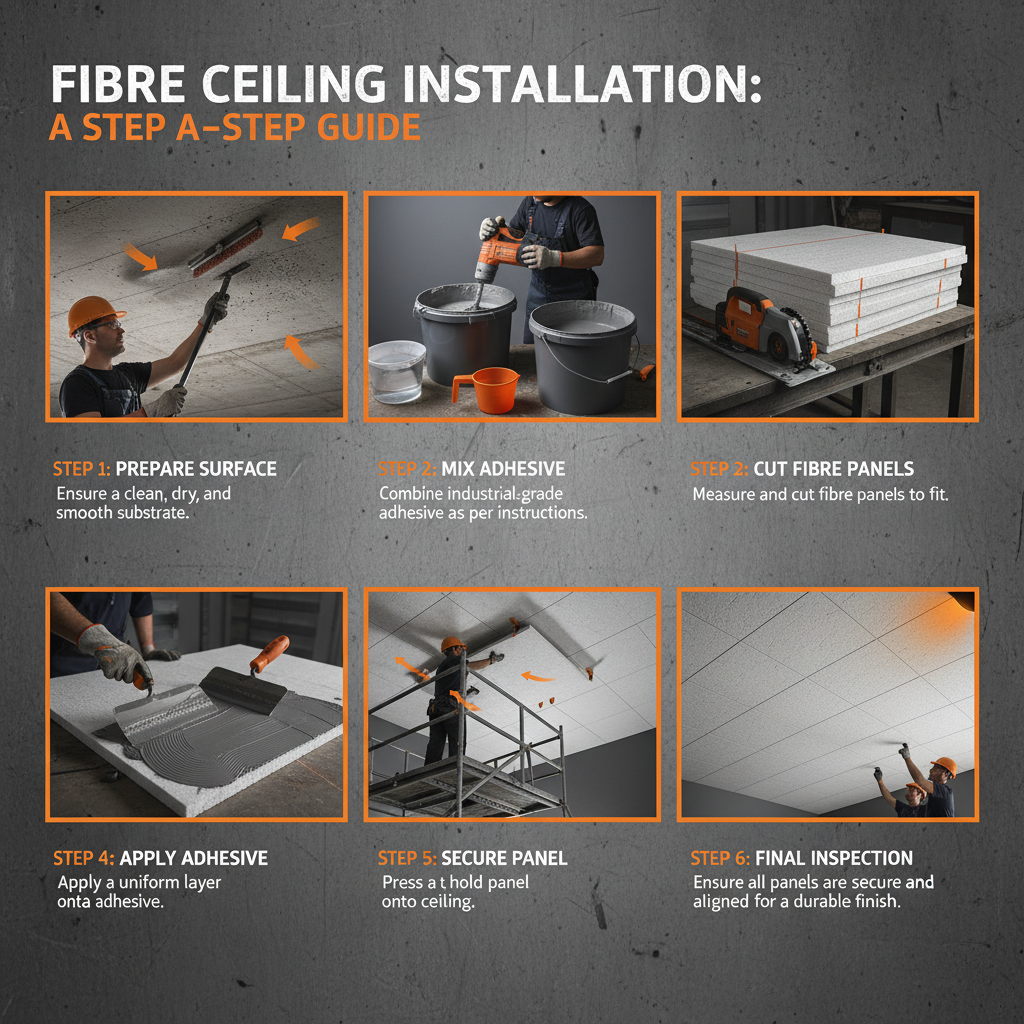
Installation typically involves a suspended grid system, similar to that used for traditional ceiling tiles. The micore 300 mineral fiber board panels are carefully measured and cut to fit the grid openings. They are then lifted into place and secured. Proper alignment and spacing are essential for achieving a seamless and aesthetically pleasing finish. Detailed installation guidelines are provided by manufacturers to ensure optimal performance.
Prolonged exposure to high humidity can potentially impact the performance of micore 300 mineral fiber board, leading to sagging or deterioration over time. To mitigate this risk, it’s essential to install a vapor barrier to prevent moisture penetration. Proper ventilation within the building is also crucial for maintaining optimal humidity levels. Moisture-resistant board variations are available for particularly humid environments.
With proper installation and maintenance, a micore 300 mineral fiber board ceiling can have a lifespan of 20-30 years or even longer. Regular inspection for signs of damage or moisture intrusion is recommended. The durability of the material and its resistance to sagging and deformation contribute to its long-term performance. Replacing damaged panels is typically straightforward and cost-effective.
Conclusion
In conclusion, micore 300 mineral fiber board stands as a versatile and valuable material for modern building design. Its superior acoustic properties, fire resistance, and sustainability features make it an ideal choice for a wide range of applications, from commercial offices and educational institutions to healthcare facilities and residential buildings. The inherent benefits of `micore 300 mineral fiber board` extend beyond mere functionality, contributing to improved occupant well-being and environmental responsibility.
Looking ahead, continued innovation in materials science and manufacturing processes will further enhance the performance and sustainability of micore 300 mineral fiber board. We encourage architects, contractors, and building owners to explore the advantages of this exceptional material and incorporate it into their projects. For more information and to explore our product range, visit our website: www.xingyuanceilings.com.