
123-67
0%

Table of Contents

You know, been running around construction sites all year, dust in my teeth, smelling cement… Lately, everyone’s buzzing about lightweight ceilings, especially these mineral fiber board ceilings. It's not exactly new, mind you, but the demand’s shot up. Seems like folks are finally realizing a nice ceiling can make or break a space. To be honest, I've seen a lot of ceilings… and a lot of bad ones.

Have you noticed how everyone wants ‘sustainable’ now? It's good, don't get me wrong, but it leads to some weird choices. I encountered this at a factory in Tianjin last time, they were pushing a bamboo fiber ceiling… looked nice, but the moisture absorption was a nightmare. Anyway, I think people need to focus on practicality first, then layer on the eco-friendly stuff.

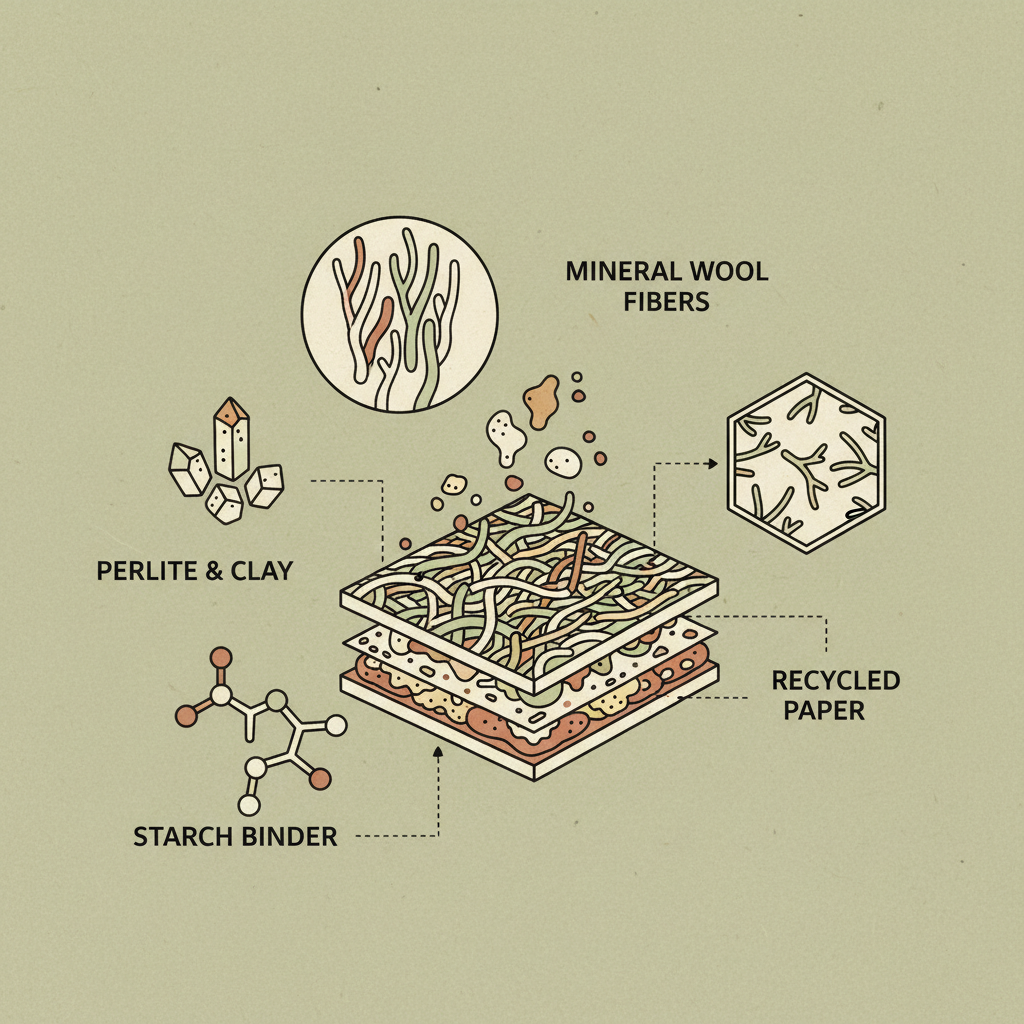
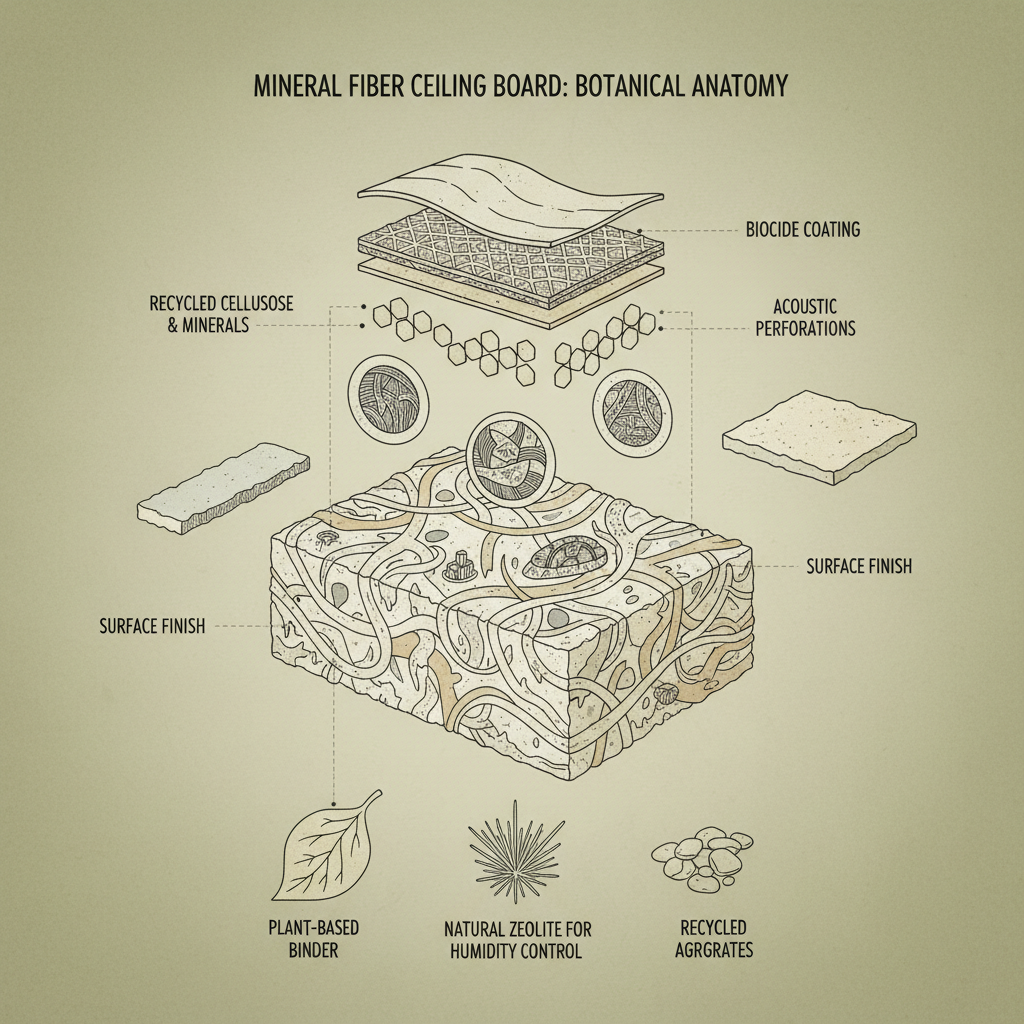
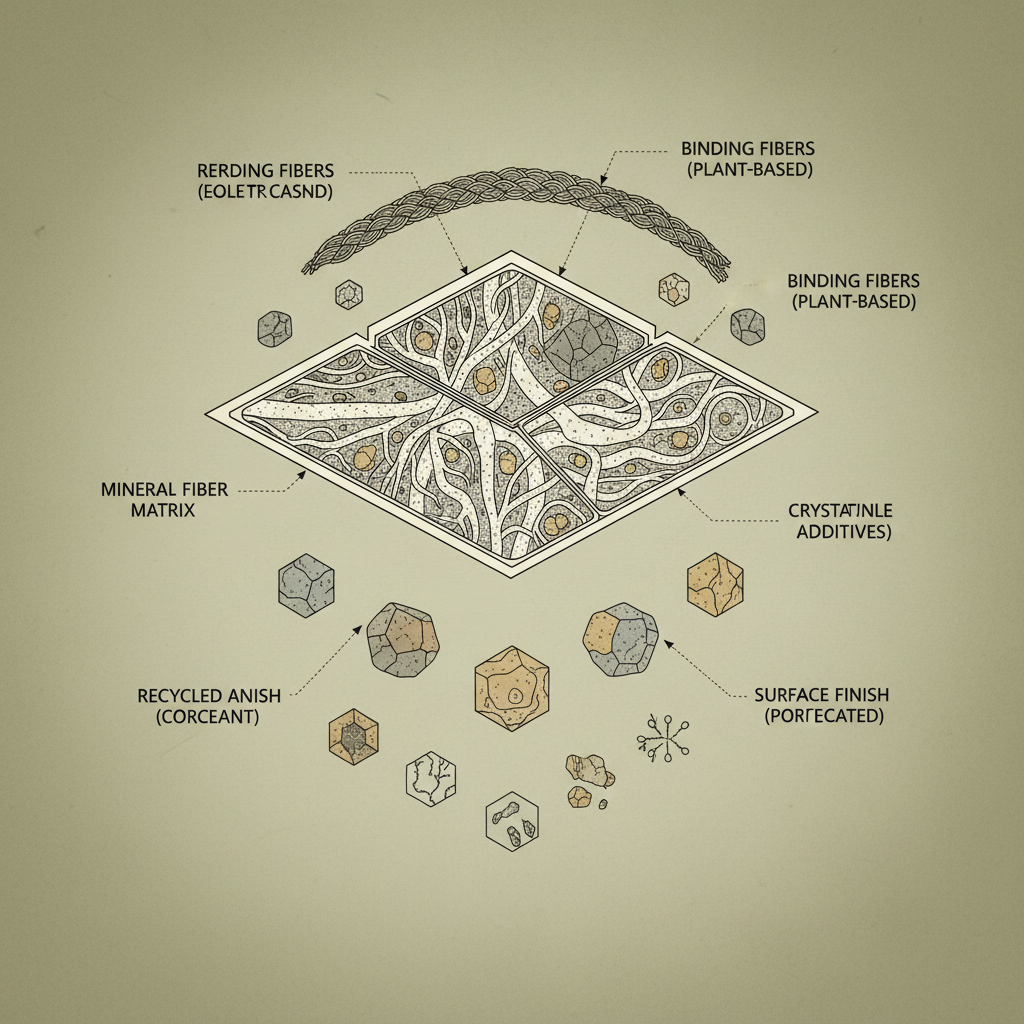
These mineral fiber boards… they’re pretty simple, actually. It's basically mineral wool—slag wool, rock wool, sometimes glass wool—mixed with some binders, then pressed into boards. Feels a bit like dense cotton candy, smells faintly of… well, rock, I guess? You gotta wear a mask when cutting them, though. Lots of fine dust. And don't get 'em wet before you install 'em, they get heavy.
Understanding Mineral Fiber Board Ceiling Systems and Installation Best Practices

The Recent Trends in Mineral Fiber Board Ceiling

Understanding Mineral Fiber Board Ceiling Systems and Installation Best Practices

Strangely enough, there’s been a big push for acoustic performance. Seems everyone wants quieter offices and homes. So, we’re seeing a lot more boards with enhanced sound absorption properties. It's good, but it adds to the cost. They’re also playing around with different surface textures—wood grain, even some metallic looks. I’m a bit skeptical about those… they often look cheap.

And the sizes are getting bigger, too. Less seams, faster install, right? But handling those massive boards… that's a whole different ball game. Gotta have the right lifting equipment, and strong backs. I saw a crew nearly drop one last month—scared the living daylights outta them.

Design Traps and Common Mistakes

People always underestimate the importance of the suspension system. You can have the best boards in the world, but if the grid is flimsy or poorly installed, it’ll all come crashing down. I've seen it happen. Also, folks try to cut corners with the lighting. Recessed lights generate heat, and not all boards can handle it. You gotta check the specs.

Another thing: moisture. Bathrooms, kitchens, basements… you need to use moisture-resistant boards in those areas. Otherwise, you’ll be looking at sagging and mold within a year. I encountered that in a restaurant in Shanghai last year – a complete disaster, had to redo the whole ceiling.

And for the love of all that is holy, use the right screws! Self-tapping screws, specifically designed for mineral fiber. Don't try to use drywall screws, they’ll just crumble the board.

Material Composition and On-Site Handling

Like I said, it's mostly mineral wool, but the binder makes a big difference. Some use starch, some use synthetic resins. The starch-based ones are more eco-friendly, but they’re also more prone to sagging in humid environments. You can usually tell the difference by smell—starch smells a little… earthy.

Handling these things isn’t glamorous. Lots of dust, gotta wear gloves, safety glasses, and a mask. Cutting them is best done with a fine-tooth saw or a utility knife, and do it outside if you can. Store them flat, protected from moisture. Don't stack 'em too high, they can compress. I once saw a stack collapse and crush a toolbox—not a pretty sight.

The density varies, too. Denser boards are more durable, but also heavier and more expensive. You gotta find the right balance for the application. It’s a trade-off, always.

Real-World Testing and Performance

Forget those lab tests. They don't tell you much. The real test is how it holds up on a jobsite, under real-world conditions. I’ve seen boards that aced the fire resistance tests but still crumbled when someone leaned on them.

We usually do a simple impact test – drop a weight from a certain height and see if it cracks. Also, a humidity test—leave a sample in a humid environment for a week and see if it sags or molds. And, of course, the old-fashioned scratch test – can you mark it with your fingernail? If so, it's not durable enough.

Mineral Fiber Board Ceiling Performance Metrics


How Users Actually Employ Mineral Fiber Board Ceilings

It’s not always what the architects specify, you know? I’ve seen guys use them to patch up holes in walls, or even as temporary flooring. Creativity at its finest… or desperation, depending on how you look at it.

Most of the time, though, it's for suspended ceilings in offices, schools, hospitals. Places where you need good acoustics and fire resistance. Sometimes they paint them, sometimes they cover them with vinyl tiles. It depends on the budget and the client’s taste.

Advantages and Disadvantages: A Pragmatic View

Advantages? Lightweight, easy to work with, good sound absorption, fire-resistant. They’re not expensive, either. Disadvantages? They’re brittle, susceptible to moisture, and not the most aesthetically pleasing. But for the price, you can’t beat them.

I think people get hung up on the aesthetic thing too much. A ceiling is a ceiling. It’s there to keep the roof from falling on your head. As long as it looks reasonably clean and doesn’t fall apart, you’re good to go.

Look, they're not magic. They're a workhorse material, reliable and affordable. But don't expect them to solve all your problems.

Customization and Application Examples

You can get them with different edge profiles – square, beveled, tegular. Tegular is popular because it hides the suspension grid. And you can get them pre-cut to specific sizes, which saves time on-site.

Last month, that small boss in Shenzhen who makes smart home devices insisted on changing the interface to , and the result was… a nightmare. He wanted a super-clean look, so he ordered boards with a custom-sized cut-out for the sensors. It looked great on paper, but the boards were so fragile, they cracked during installation. Ended up having to order a whole new batch. Lesson learned: don't mess with perfection.

But generally, standard sizes are the way to go. Less hassle, less chance of errors. And remember, always check the load-bearing capacity of the suspension system before hanging anything heavy from the ceiling.

A Quick Comparison of Mineral Fiber Board Ceiling Options

Board Type Moisture Resistance Sound Absorption (NRC) Cost (per board)
Standard Mineral Fiber Low 0.60 $5
Moisture-Resistant Mineral Fiber Medium 0.65 $7
High-Density Mineral Fiber Medium 0.70 $9
Acoustic Mineral Fiber Low 0.85 $10
Bio-Based Mineral Fiber Medium 0.75 $12
Painted Mineral Fiber Low 0.60 $8

FAQS

What’s the biggest mistake people make when installing mineral fiber board ceilings?

Honestly? Thinking it’s easier than it is. They skip the suspension system prep, don't use the right screws, or try to rush the cutting. It always comes back to haunt them. A proper install takes time and attention to detail. You can't just slap it up there and hope for the best, especially if you’re dealing with large panels. It’s always worth double-checking the grid layout and ensuring everything is level before you start hanging the boards.

How do these ceilings hold up in humid environments?

Not great, unless you use moisture-resistant boards. Even then, they’re not ideal for extremely humid areas like bathrooms or saunas. Standard boards will sag and mold quickly. I once saw a kitchen ceiling completely collapse after a leaky pipe, it was a disaster. Moisture-resistant options are a good compromise, but proper ventilation is still crucial. If there's a chance of condensation, you need to address the source of the moisture before installing any ceiling.

Are mineral fiber board ceilings good for soundproofing?

They're good for sound absorption, which is different than soundproofing. They’ll reduce echo and reverberation, making a room quieter, but they won't block sound from traveling through walls or floors. Look for boards with a higher NRC rating (Noise Reduction Coefficient) for better sound absorption. They're effective in open-plan offices, schools, and recording studios. But don't expect miracles if you're trying to block out a noisy neighbor.

How easy are they to paint?

They paint pretty well, but you need to use a good primer first. Otherwise, the paint won’t adhere properly and will just peel off. Water-based paints work best, and avoid dark colors, as they can absorb heat and cause the boards to sag. I recommend two coats of primer and two coats of paint for a durable finish. And don't forget to wear a mask while painting, the dust can be irritating.

What about fire resistance?

Mineral fiber is naturally fire-resistant, which is a big advantage. Most boards meet building code requirements for fire safety. But it's important to check the specific ratings and certifications to ensure they’re suitable for your application. Some boards offer better fire protection than others, depending on their composition and density. Don't skimp on fire safety—it's not worth the risk.

Are there any eco-friendly alternatives to traditional mineral fiber boards?

Yeah, there are a few. Some manufacturers are using recycled mineral wool or bio-based binders. Those are a bit more expensive, but they’re a more sustainable option. I’ve also seen boards made from agricultural waste, like straw or hemp. The performance varies, so you need to do your research. It's about balancing sustainability with practicality and cost.

Conclusion

So, there you have it. Mineral fiber board ceilings—not the most glamorous topic, but a solid, reliable choice for a lot of applications. They’re affordable, easy to install, and offer good sound absorption and fire resistance. They’re not perfect, but they get the job done.

Ultimately, whether this thing works or not, the worker will know the moment he tightens the screw. If it feels solid, looks good, and doesn’t crumble, you’re golden. If not… well, you know what to do. You can find more information on our website at mineral fiber board ceiling.

David Miller

David Miller

David Miller serves as the Senior Market Analyst at Shijiazhuang Xingyuan Decorative Materials. With over 8 years of experience in the building materials industry, David specializes in tracking market trends, competitor analysis, and identifying growth opportunities, particularly within the North American market. He holds a Bachelor’s degree in Business Administration
Previous Understanding Mineral Fiber Ceiling Board Price and Practical Considerations
Next mineral fiber ceiling tiles

If you are interested in our products, you can choose to leave your information here, and we will be in touch with you shortly.