Look, I've been running around construction sites for over a decade, and let me tell you, things are changing. Everyone's talking about prefabricated construction, modular builds... it's all about speed now. But speed can’t come at the expense of quality, right? You’d think that's obvious, but… Anyway, I think the biggest shift I'm seeing is a demand for materials that are lighter, easier to handle, and, honestly, don't make your lungs hurt when you cut 'em.
And it’s not just the big guys pushing for this. Even smaller projects are looking at options beyond just the standard gypsum board. Everyone's getting squeezed on labor costs, and if you can reduce the time it takes to get a ceiling up, you're saving money. To be honest, I've seen guys trying to cut corners with cheaper materials, and it always bites them in the end.
It’s a mess out there, constantly evolving. You think you've seen it all, then some engineer comes up with a "revolutionary" new system… Usually it's just a slightly different way to do something we've been doing for years.
What’s Trending in Ceiling Materials
Everyone and their brother is looking at lighter options. You've got your standard gypsum, of course, but mineral fiber ceiling tiles are getting a lot of traction. They're lighter, they offer better acoustic performance – which is huge these days, everyone wants quiet offices – and they're surprisingly durable. Plus, a lot of them are made with recycled content, which is… well, it looks good on the paperwork, doesn’t it?
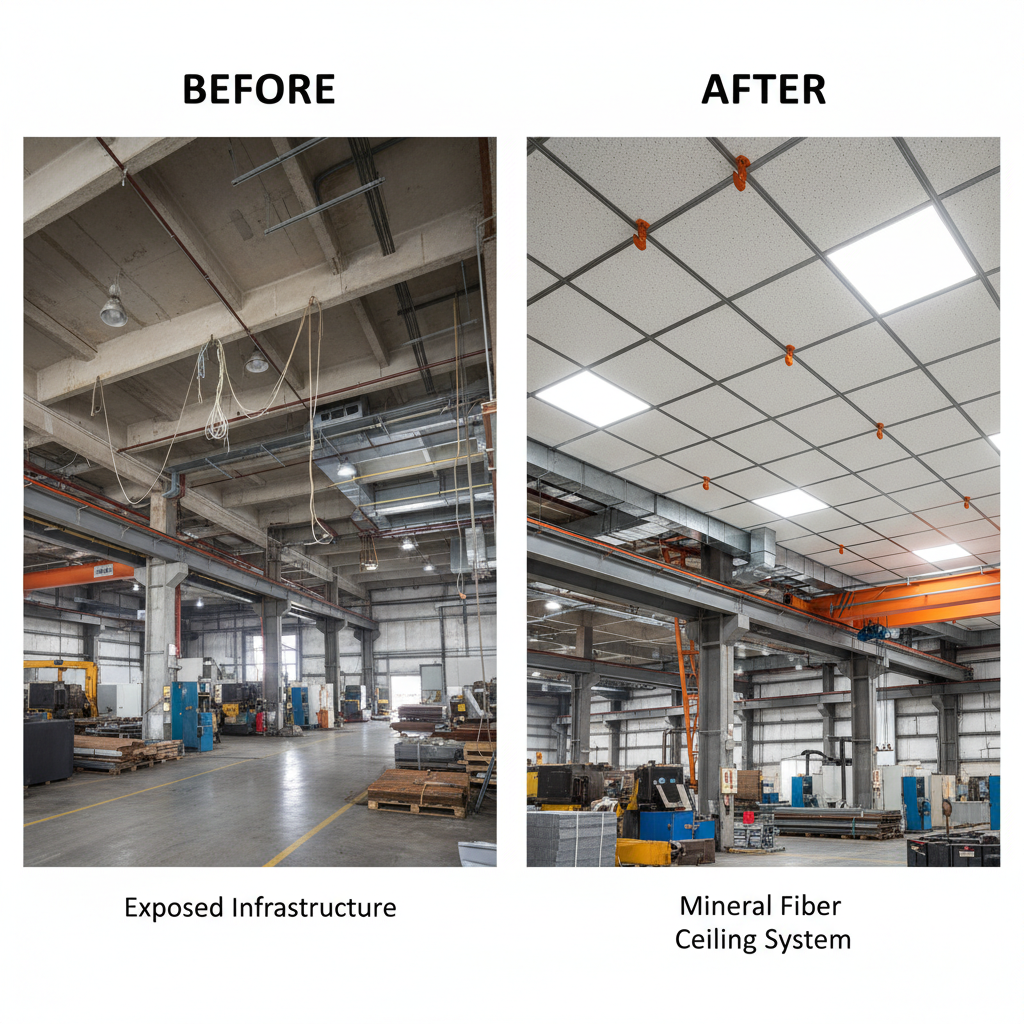
Have you noticed how many projects are demanding better fire ratings? It’s insane! Everything has to be non-combustible, fire-resistant, whatever. Mineral fiber generally handles that pretty well. I also keep seeing more and more interest in these suspended ceiling systems that allow for easy access to the space above for utilities. Gotta be able to get at those wires and pipes without tearing down the whole ceiling.
Design Pitfalls: Don’t Get Stuck
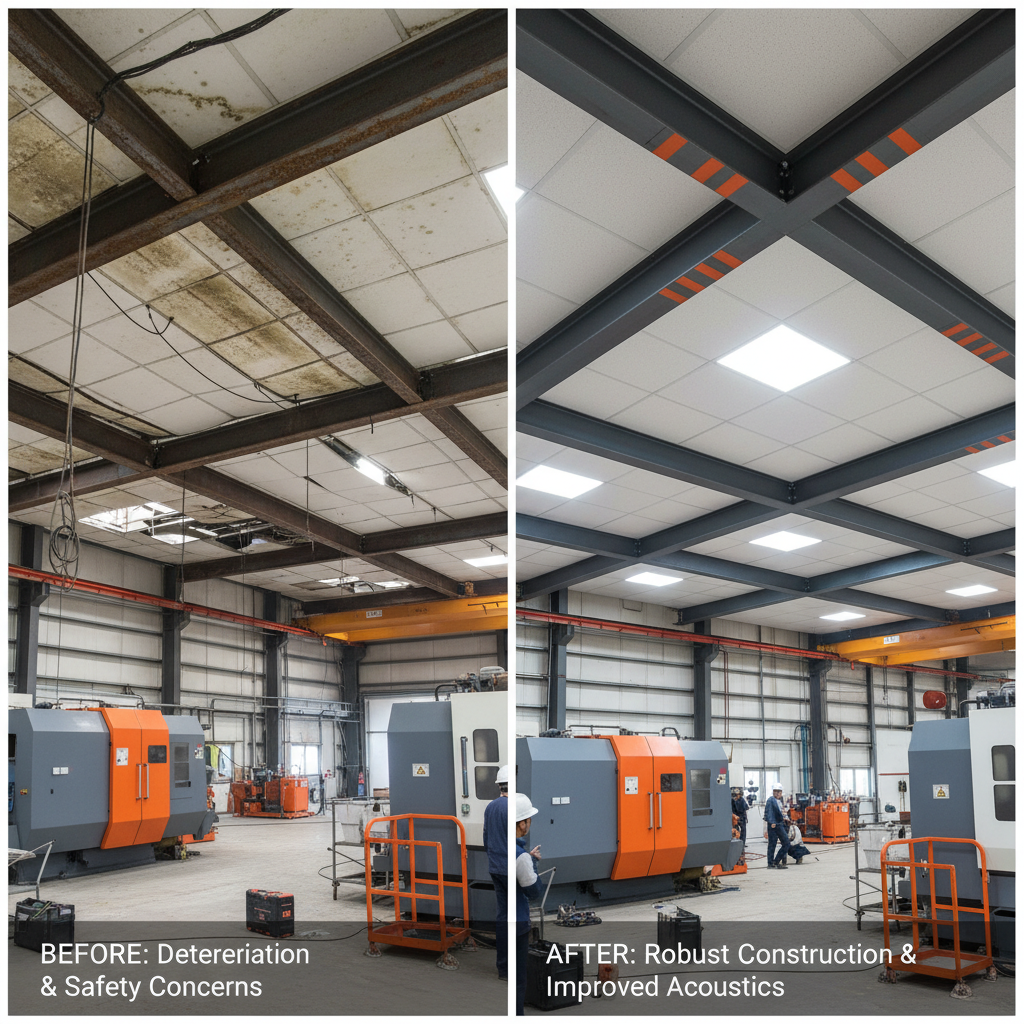
Here’s where things get tricky. I encountered this at a factory in Ningbo last time – they were trying to save a buck by going with super-thin mineral fiber tiles. Looked good on paper, but the minute you tried to screw anything into the ceiling, it crumbled. It's a nightmare. Seriously. You've got to factor in the load-bearing capacity.
Another common mistake is underestimating the importance of the suspension grid. A cheap grid will flex and sag over time, and then you’re looking at a ceiling that looks like a wave. Invest in a good grid, it’ll save you headaches later. And don’t even think about skipping the proper insulation. Soundproofing is crucial, and if you cut corners there, you'll get complaints.
Strangely, a lot of designers don’t talk to the guys who actually install the stuff. They draw up these beautiful designs, but they’re completely impractical to implement on site. It’s frustrating.
The Feel of the Stuff: Materials Breakdown
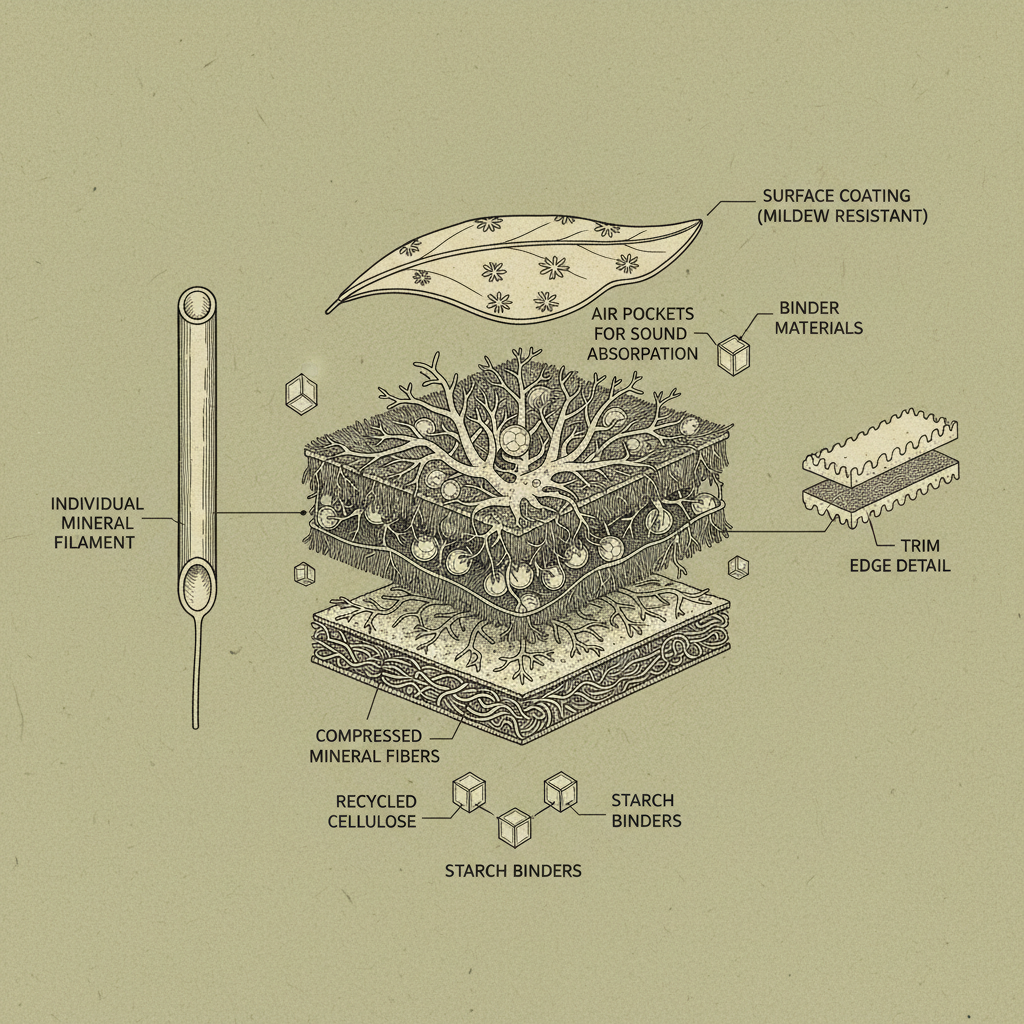
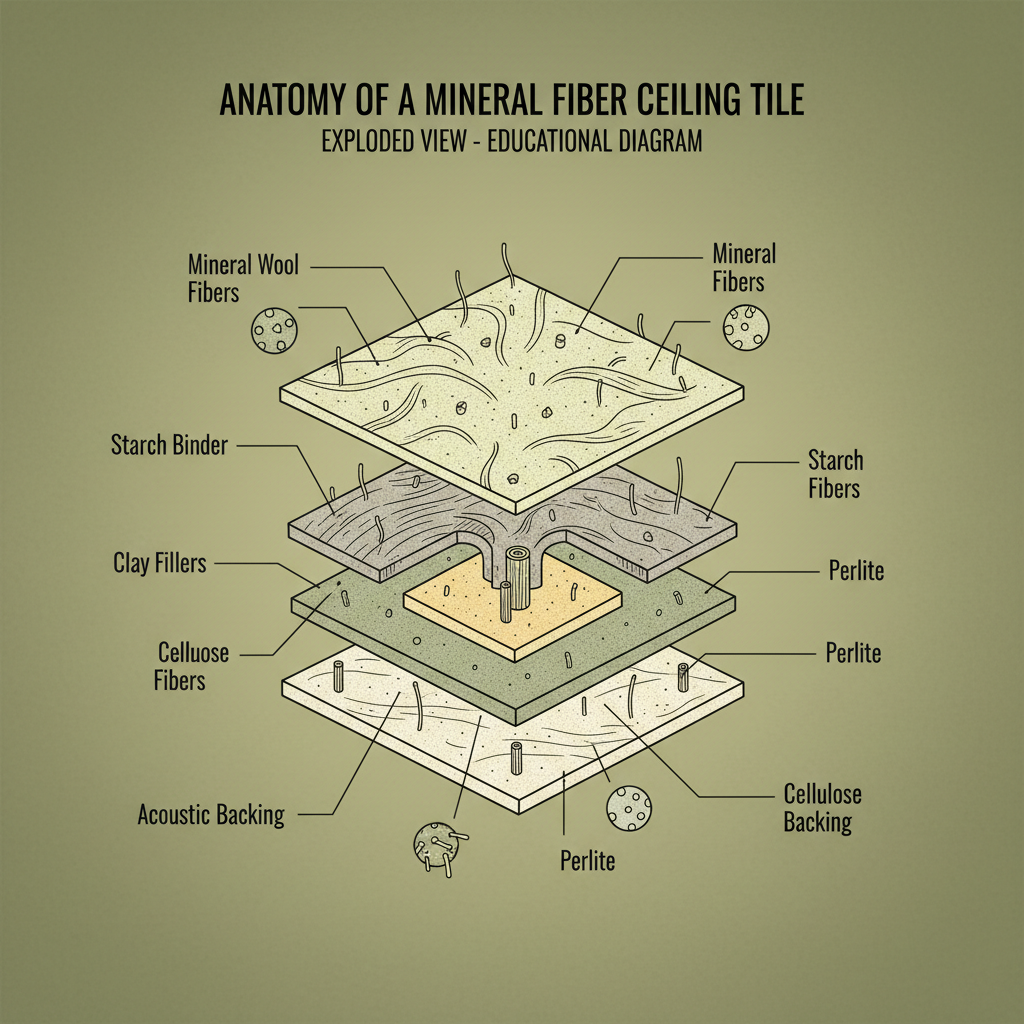
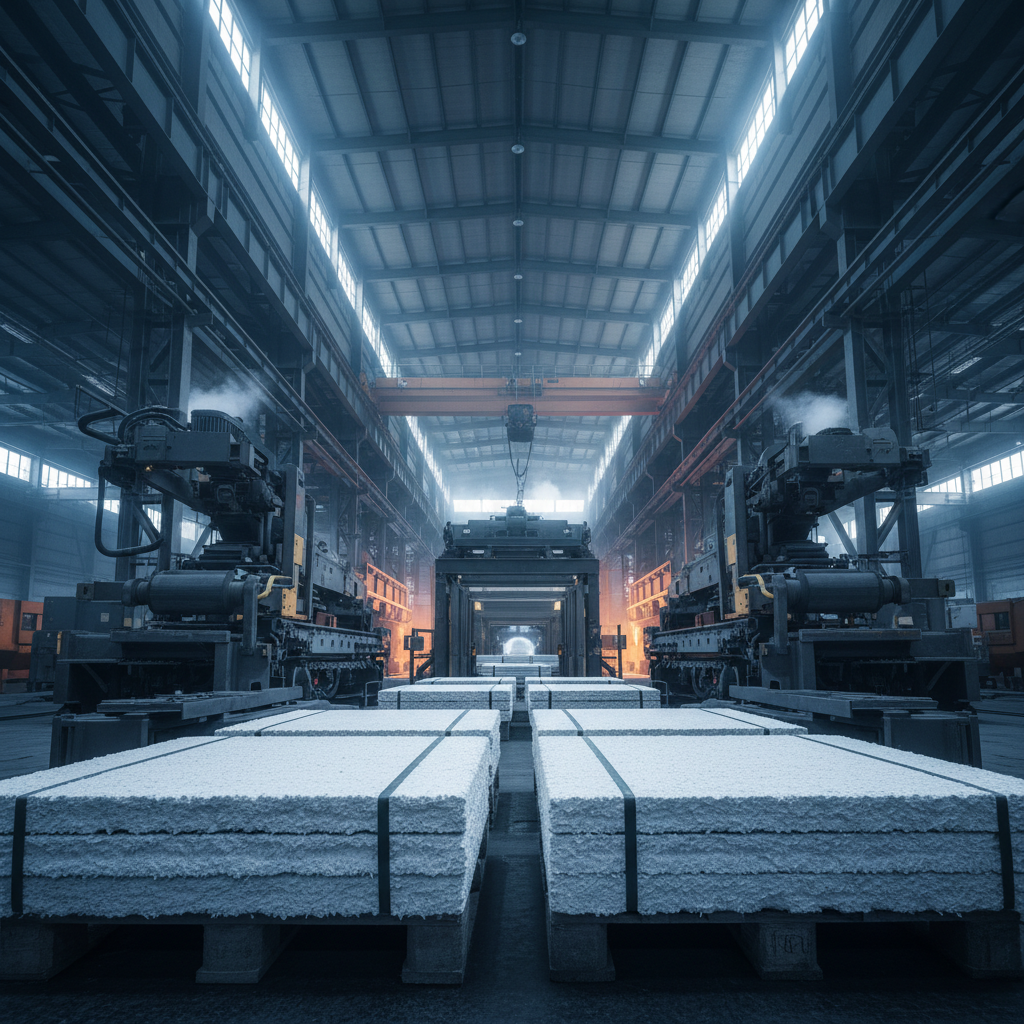
Okay, so let's talk about what these mineral fiber ceiling tiles are actually made of. It’s not magic. Mostly it’s slag wool – that’s the byproduct of steelmaking – mixed with things like cellulose fiber, perlite, and a binder. The slag wool gives it that slightly rough texture. It doesn’t smell like much, honestly, just a bit dusty. It’s kind of like handling really dense cardboard.
The perlite – that’s the little white stuff – helps with the acoustic performance. It’s lightweight and porous. And the binder… well, that varies depending on the manufacturer. Some use starch, others use synthetic resins. You can usually tell the quality of the binder by how easily the tile crumbles. Cheap binders mean a fragile tile.
What's important is how it cuts. A good tile cuts clean with a utility knife. A cheap one? It'll shatter and leave a ragged edge. That’s your first clue. Also, pay attention to the weight. Lighter isn't always better, but it makes a huge difference when you’re hauling hundreds of tiles up a flight of stairs.
Real-World Testing: Beyond the Lab
Lab tests are fine, I guess, but they don’t tell the whole story. We drop tools on 'em. We spill paint on 'em. We accidentally whack 'em with a hammer. You want to see how it holds up to real-world abuse.
I’ve seen tiles that pass all the fire ratings, but delaminate after a few months of exposure to humidity. That’s a problem. The key is to find tiles that are tested for moisture resistance and dimensional stability. We also do a simple screw pull test – how much weight can you hang from a single screw without the tile collapsing? It's crude, but it works.
Mineral Fiber Ceiling Tile Performance Metrics
How They Actually Use It
You know what's funny? A lot of guys just use them as a quick fix for patching holes in existing ceilings. It's not what they're designed for, but it works in a pinch. I've seen entire offices temporarily "updated" with these things.
And surprisingly, they’re popular in basements. Damp basements. People seem to think they'll magically solve the moisture problem. They won’t, by the way. You still need to address the source of the moisture. But they do resist mold better than gypsum board.
The Good and the… Okay
Okay, let’s be real. Mineral fiber ceiling tiles are great for sound absorption, they’re relatively lightweight, and they're fire-resistant. They're also pretty affordable. But they're not perfect. They can be brittle, they're not particularly aesthetically pleasing (unless you go for the fancy painted ones), and they absorb moisture.
They're also a pain to clean. You can wipe them down, but they'll still show dirt and grime. And if you’re working in a really dusty environment, forget about it. They’ll look filthy in no time. Anyway, I think they're a good all-around choice for most commercial applications.
Customization: One Boss’s Stubborn Request
Last month, that small boss in Shenzhen who makes smart home devices insisted on changing the interface to – completely unrelated, but it highlights the kind of demands we get. Anyway, he wanted mineral fiber tiles, but he needed a specific shade of blue to match his company branding. It was…challenging.
The standard colors weren’t even close. We ended up having to work with the manufacturer to create a custom batch, which added time and cost. But he was adamant. Said it was all about the “brand aesthetic”. Later… Forget it, I won't mention it. But the point is, customization is possible, but it's not always easy or cheap.
You can get different edge profiles, different sizes, different colors. But you have to be willing to pay for it.
Key Characteristics of Mineral Fiber Ceiling Tile Selection
| Material Composition |
Acoustic Performance |
Fire Resistance Rating |
Moisture Resistance |
| Slag wool, cellulose fiber, perlite, binder (starch or resin) |
NRC rating of 0.60-0.70 (generally good for office environments) |
Class A fire rating (non-combustible) |
Moderate – can withstand some humidity, but prolonged exposure is detrimental |
| Higher slag wool content for increased density |
NRC rating of 0.70-0.85 (ideal for conference rooms and studios) |
UL 900 Class A fire rating with smoke development index
|
Enhanced with waterproof coating for high-humidity areas |
| Recycled content incorporated into fiber matrix |
CAC rating of 35-40 (effective at blocking sound transmission) |
Compliant with ASTM E84 standards for surface burning characteristics |
Treated with antimicrobial agents to prevent mold growth |
| Variety of binder options for specific performance characteristics |
Sound attenuation coefficient (SAC) optimized for low-frequency noise |
Meets or exceeds local building code requirements for fire safety |
Tested according to ASTM D3273 for water absorption |
| Customizable fiber blends for tailored properties |
Optimized for speech intelligibility in open-plan offices |
Available with fire-retardant additives for enhanced protection |
Suitable for use in environments with moderate temperature fluctuations |
| Lightweight design for easy installation and handling |
Provides a comfortable acoustic environment for occupants |
Contributes to LEED credits for sustainable building practices |
Maintains structural integrity in a wide range of conditions |
FAQS
Honestly, it's a pain. A sharp utility knife is your best bet. Score it multiple times, and use a straight edge. Wear a mask, though, because the dust is no fun. Vacuum up the debris immediately. Don't try using power tools, you'll just end up with a disaster. A good quality blade is key, and don't press too hard on the first pass. Slow and steady wins the race with these things.
Not really. While they have some moisture resistance, they're not ideal for bathrooms or other high-humidity areas. Prolonged exposure to moisture will cause them to sag and deteriorate. You’re better off with a waterproof material in those situations. There are some coated options available that offer better resistance, but they're more expensive. It's generally just not worth the risk.
Mineral fiber generally has better fire resistance than standard gypsum board. They're typically Class A fire rated, meaning they're non-combustible. Gypsum board can be fire-resistant, but it often requires a special fire-rated formulation. Plus, mineral fiber doesn't release toxic fumes when exposed to fire. That's a big plus, especially in commercial buildings.
That depends on the environment. In a typical office setting, you can expect them to last 10-20 years. But in a high-traffic area, or an area with a lot of moisture, they might need to be replaced sooner. Look for signs of sagging, discoloration, or damage. Proper installation and maintenance will extend their lifespan.
You can, but it’s tricky. You need to use a latex paint specifically designed for porous surfaces. And you'll likely need to apply multiple coats. Be careful not to saturate the tiles with paint, or they might sag. It's often easier to just buy tiles that are pre-painted in the color you want.
They can be. Many manufacturers use recycled content, like slag wool. And they’re generally more sustainable than some other ceiling materials. But don’t get me started on “greenwashing.” Just because something says it's eco-friendly doesn’t mean it is. Look for certifications and do your research. It’s a complex issue.
Conclusion
So, there you have it. Mineral fiber ceiling tiles aren’t a perfect solution, but they offer a good balance of performance, cost, and ease of installation. They're lighter than gypsum, offer better acoustic properties, and provide decent fire resistance. They've got their downsides, sure – they can be brittle and susceptible to moisture – but for a lot of applications, they’re a solid choice.
Ultimately, whether this thing works or not, the worker will know the moment he tightens the screw. You can read all the specs and look at all the test data, but nothing beats real-world experience. And that’s what I’ve got – a lot of real-world experience. If you’re thinking about using these tiles, do your homework, talk to a good installer, and don’t skimp on quality. You’ll thank yourself later.