
123-67
0%

Table of Contents

Mineral fiber tile ceilings represent a cornerstone of modern interior architecture, offering a blend of functionality, aesthetics, and cost-effectiveness. Globally, their demand stems from the need for improved acoustic control, fire resistance, and visual comfort in commercial, institutional, and residential spaces. Understanding the nuances of these ceilings – from their composition and installation to their performance characteristics – is crucial for architects, interior designers, contractors, and building owners alike.

The prevalence of mineral fiber tile ceilings is driven by increasing awareness of indoor environmental quality and stringent building codes relating to safety and sound mitigation. Globally, the construction industry is shifting towards sustainable materials and energy-efficient designs, where mineral fiber tiles provide a viable solution. From bustling metropolitan areas to developing nations, these ceilings are impacting interior spaces, contributing to enhanced productivity, well-being, and safety.

These ceilings aren’t just about covering structural elements; they are integral components of building systems, impacting everything from lighting efficiency to HVAC performance. The consistent development of more sustainable and high-performing mineral fiber tile ceiling options reflects the industry’s commitment to innovation and responsible building practices.
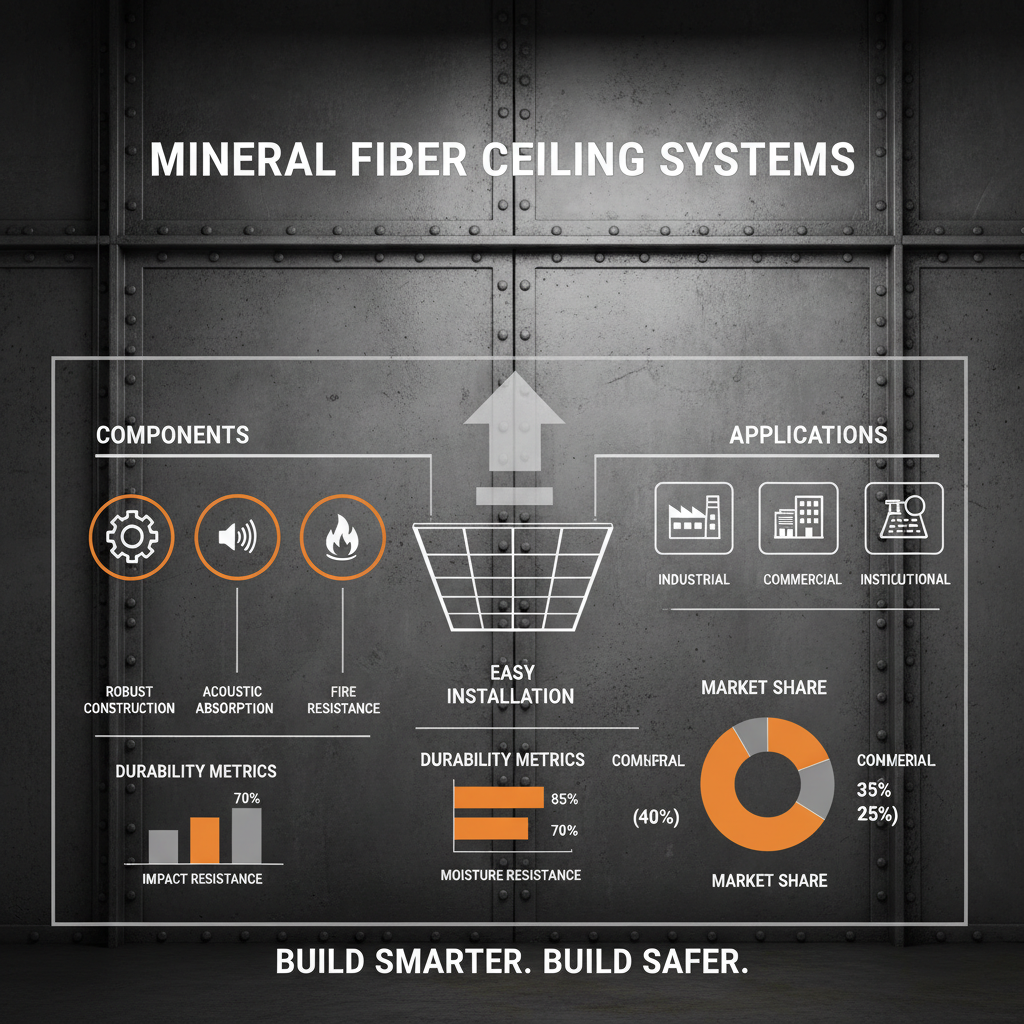
Exploring the Versatility of Mineral Fiber Tile Ceiling Systems for Modern Interiors

Introduction to Mineral Fiber Tile Ceilings

Exploring the Versatility of Mineral Fiber Tile Ceiling Systems for Modern Interiors

Mineral fiber tile ceilings are a ubiquitous feature in modern building design, found in everything from offices and schools to hospitals and retail spaces. Their widespread adoption isn’t accidental; it's a direct result of their ability to address a multitude of performance requirements, including acoustic control, fire resistance, and aesthetic appeal. These tiles are often a cost-effective solution for creating a comfortable and functional indoor environment.

Understanding the specific properties of mineral fiber tile ceilings is crucial for architects and designers looking to optimize building performance. Factors like noise reduction coefficient (NRC), light reflectance value (LRV), and fire rating significantly impact the overall usability and safety of a space. Furthermore, mineral fiber tile ceiling manufacturing processes are increasingly focused on sustainability, utilizing recycled materials and minimizing environmental impact.

Defining Mineral Fiber Tile Ceilings

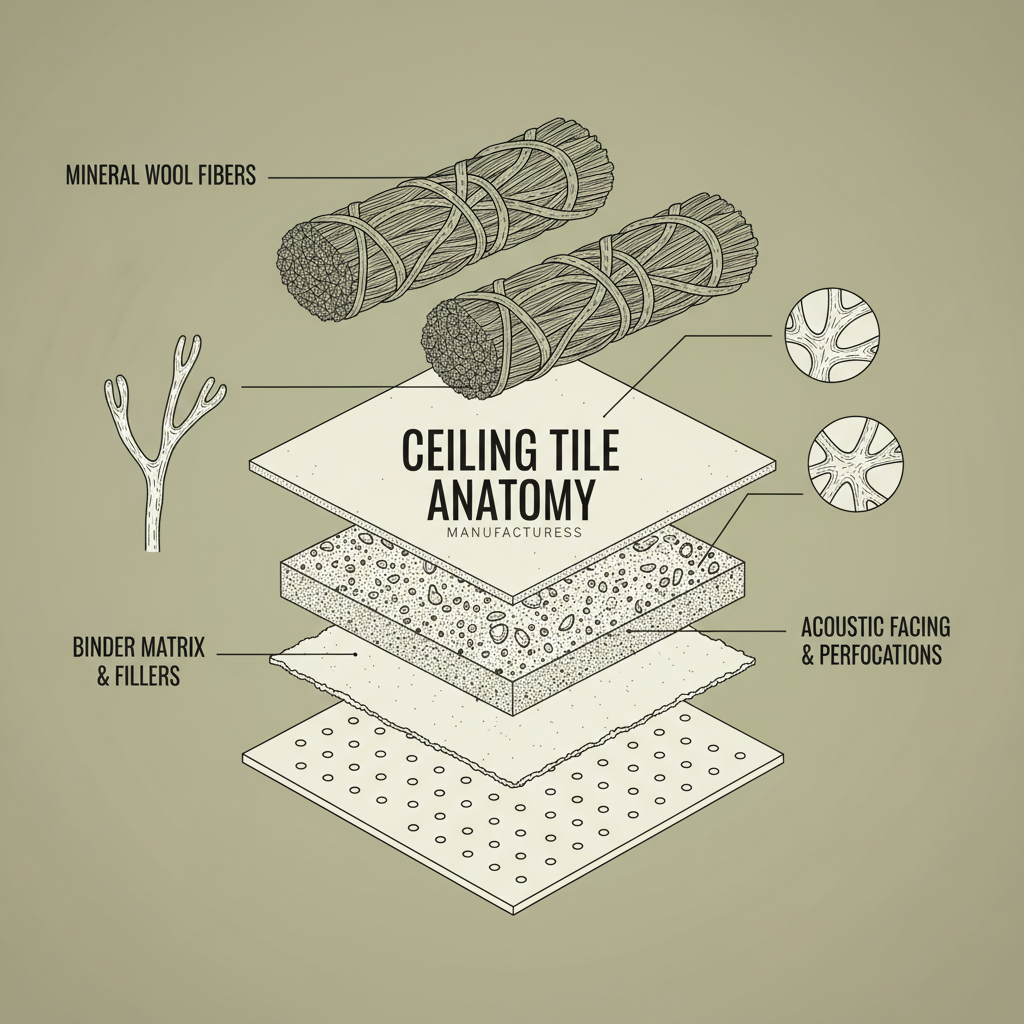
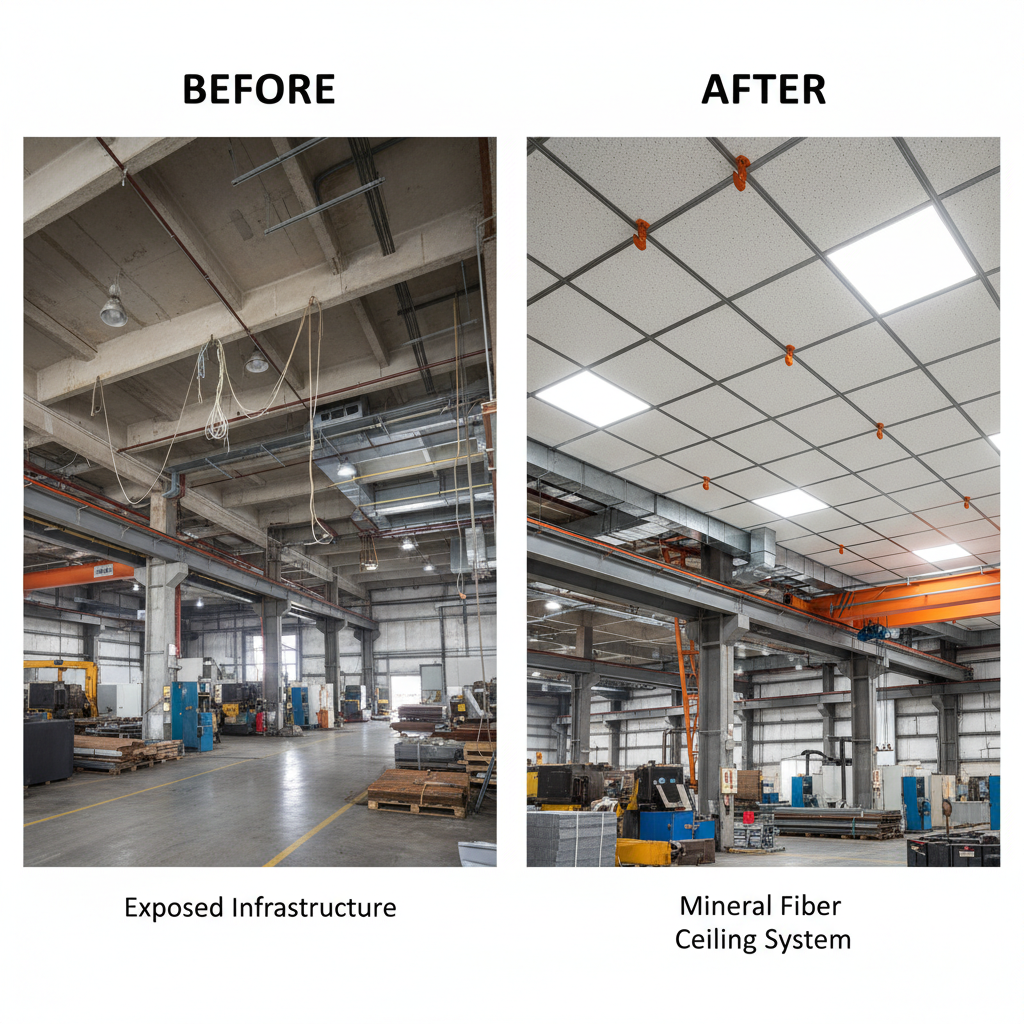
A mineral fiber tile ceiling is a suspended ceiling system constructed from panels composed primarily of mineral wool—typically made from slag wool, rock wool, or glass wool—combined with a binder and facing material. These tiles are designed to be lightweight, easy to install, and provide a clean, finished appearance to the ceiling space. They effectively conceal ductwork, wiring, and other mechanical systems while improving the overall aesthetic of a room.

The connection to modern industry stems from the need for scalable, efficient, and safe building solutions, particularly in large commercial and institutional settings. Mineral fiber tiles are a fundamental component in creating environments conducive to productivity and well-being. They contribute to the development of standardized building practices, ensuring consistent quality and performance across projects.

Beyond simply providing a finished ceiling surface, these systems play a crucial role in modern building infrastructure by contributing to safety, comfort, and energy efficiency. They are a prime example of how materials science and engineering contribute to meeting the evolving needs of the built environment.

Core Components and Characteristics

Durability is a key characteristic of mineral fiber tile ceilings. While not impervious to damage, these tiles are surprisingly resilient and can withstand normal wear and tear. Their composition allows them to resist sagging, cracking, and deformation over time, contributing to a long service life. Proper installation and maintenance further enhance their durability.

Acoustic performance is arguably the most significant benefit offered by mineral fiber tile ceilings. The porous nature of the mineral wool effectively absorbs sound waves, reducing noise levels and reverberation time within a space. This is especially important in offices, classrooms, and healthcare facilities where noise control is critical for productivity and well-being.

Fire resistance is another crucial characteristic. Mineral fiber is inherently non-combustible and can help to contain the spread of fire, providing valuable time for evacuation and emergency response. Mineral fiber tile ceilings often meet or exceed stringent fire safety standards, making them a preferred choice in buildings where fire protection is paramount.

Performance Metrics of Mineral Fiber Tile Ceilings

Evaluating the performance of mineral fiber tile ceilings requires considering several key metrics. Noise Reduction Coefficient (NRC) measures the amount of sound energy absorbed by a material, with higher values indicating better acoustic performance. Light Reflectance Value (LRV) indicates how much visible light a material reflects, impacting the brightness and energy efficiency of a space.

Fire resistance is typically assessed through tests like the ASTM E84, which measures surface burning characteristics. Sag resistance is another important consideration, particularly in humid environments. Understanding these metrics allows architects and building owners to select tiles that meet the specific requirements of their project.

Comparative Performance of Mineral Fiber Tile Ceiling Types


Global Applications of Mineral Fiber Tile Ceilings

Mineral fiber tile ceilings are extensively used in commercial buildings worldwide, including offices, retail stores, and hotels. Their ability to create a professional and comfortable environment makes them a staple in these applications. They also are heavily applied in educational facilities – schools, universities, and libraries – where acoustic control is essential for effective learning.

In healthcare facilities, such as hospitals and clinics, mineral fiber tile ceilings are critical for maintaining hygiene and reducing noise levels, contributing to a more peaceful and healing environment. They are also commonly found in government buildings and transportation hubs, where durability and fire resistance are paramount concerns.

Advantages and Long-Term Value

The cost-effectiveness of mineral fiber tile ceilings is a significant advantage. Compared to other ceiling materials like gypsum board or wood, mineral fiber tiles offer a competitive price point, especially when considering their long-term performance benefits. Their ease of installation also contributes to lower labor costs.

Sustainability is an increasingly important consideration, and mineral fiber tile ceilings often incorporate recycled content, reducing their environmental footprint. They also contribute to energy efficiency by improving acoustic performance and reducing the need for excessive heating or cooling. The combination of economic, environmental, and performance benefits makes them a valuable long-term investment.

From a social impact perspective, creating comfortable and productive indoor environments enhances well-being and improves the quality of life for occupants. The peace of mind that comes from knowing a space is safe and acoustically comfortable fosters trust and confidence in building owners and managers.

Future Trends and Innovations

The future of mineral fiber tile ceilings is closely tied to advancements in materials science and sustainable building practices. Ongoing research is focused on developing tiles with even higher levels of recycled content and reduced embodied carbon. Innovations in surface treatments are enhancing aesthetic options and improving cleanability.

Integration with smart building technologies is another emerging trend. Tiles equipped with sensors can monitor air quality, temperature, and occupancy levels, providing valuable data for building management systems. This allows for more efficient energy use and improved indoor environmental quality.

FAQS

What is the typical lifespan of a mineral fiber tile ceiling?

The typical lifespan of a properly installed and maintained mineral fiber tile ceiling ranges from 15 to 25 years, depending on the environment and usage. Factors like humidity, temperature fluctuations, and exposure to pollutants can affect longevity. Regular cleaning and occasional tile replacement can extend the lifespan. Choosing a higher quality tile with improved sag resistance also contributes to longer durability.

How do mineral fiber tile ceilings compare to gypsum board ceilings in terms of acoustics?

Mineral fiber tile ceilings generally offer superior acoustic performance compared to standard gypsum board ceilings. The porous nature of mineral wool effectively absorbs sound waves, reducing noise levels and reverberation. Gypsum board, while providing a solid surface, doesn't have the same sound-absorbing properties unless specifically treated with acoustic panels. NRC values are typically higher for mineral fiber tiles.

Are mineral fiber tile ceilings susceptible to moisture damage?

While mineral fiber tiles are generally resistant to moisture, prolonged exposure can lead to sagging or deterioration. It’s crucial to ensure proper ventilation in areas with high humidity, such as bathrooms or kitchens. Some manufacturers offer moisture-resistant tiles specifically designed for these environments. Proper installation, including a vapor barrier if necessary, is also essential.

How do mineral fiber tile ceilings contribute to sustainability?

Mineral fiber tile ceilings can significantly contribute to sustainable building practices. Many tiles are made with a high percentage of recycled content, diverting waste from landfills. They also often contain low-VOC (volatile organic compound) materials, improving indoor air quality. Their acoustic properties can reduce energy consumption by minimizing the need for excessive HVAC usage.

What is the typical cost of installing a mineral fiber tile ceiling?

The cost of installing a mineral fiber tile ceiling varies depending on factors such as the size of the space, the complexity of the design, and labor rates. Generally, the cost ranges from $4 to $8 per square foot, including materials and installation. This is typically competitive with other ceiling options, particularly when considering the long-term benefits and performance.

How easy is it to replace damaged or stained mineral fiber tiles?

Replacing damaged or stained mineral fiber tiles is relatively straightforward. Most tile systems are designed for easy access, allowing individual tiles to be removed and replaced without disrupting the entire ceiling. Ensure you have matching replacement tiles and follow the manufacturer’s instructions for proper installation. Minor repairs can often be done by building maintenance staff.

Conclusion

Mineral fiber tile ceilings remain a crucial element of contemporary building design, offering a balanced solution for acoustic control, fire resistance, aesthetic appeal, and sustainability. Their cost-effectiveness, coupled with their long-term performance benefits, makes them a popular choice for a wide range of applications, from commercial offices to healthcare facilities. Understanding their properties and applications is essential for creating comfortable, safe, and productive indoor environments.

Looking ahead, the evolution of mineral fiber tile ceilings will be driven by innovations in materials science, smart building technologies, and an increasing emphasis on environmental responsibility. Continued research and development will lead to even more sustainable, high-performing, and aesthetically versatile solutions, cementing their position as a cornerstone of the built environment. Visit our website at www.xingyuanceilings.com to learn more about our range of mineral fiber tile ceiling products.

Christopher Wilson

Christopher Wilson

Christopher Wilson is a Project Engineer at Xingyuan Decorative Materials, specializing in product development and application. He has a strong engineering background with an emphasis on acoustic performance of building materials. Christopher focuses on refining the manufacturing process of Xingyuan's mineral wool sound-absorbing boards and exploring new product innovations. He
Previous Exploring the Versatility and Benefits of Mineral Fibre Board Insulation
Next Advancements in Modern Building with High Performance Mineral Fiber Tile

If you are interested in our products, you can choose to leave your information here, and we will be in touch with you shortly.