Look, I’ve been running around construction sites for, what, fifteen years now? You see a lot. And lately, everyone’s talking about lightweight ceilings. Not just because building codes are demanding better seismic performance, but because getting materials onto the site is getting harder and harder. City centers…forget about it. Limited access, tight schedules. The lighter the materials, the better. To be honest, it’s a bit of a revolution, but a slow one.
And it’s not just weight. Everyone's chasing sound absorption now. Open-plan offices, right? Supposed to foster collaboration. More like a constant headache. Clients are demanding quieter spaces, and ceilings are a major part of that. The trick is getting the performance without breaking the bank or ending up with something that looks like a padded cell.
Mineral fiber ceiling tiles manufacturers…that’s what we’re focused on. It’s a solid, reliable choice. But it's easy to screw up. I’ve seen so many designs where they’ve tried to get too fancy with the perforations, and the acoustic performance just tanks. It’s a balancing act, you know? The more holes, the more sound absorption, but the less structural integrity. And don't even get me started on the edge details. If they’re not designed right, you'll have gaps, and then you're back to square one with the noise.
The Rise of Lightweight Ceiling Solutions
Have you noticed how much more emphasis is being put on sustainability? It’s not just marketing fluff anymore. Clients are actively looking for materials with recycled content, low VOC emissions, and, frankly, a lower carbon footprint. Mineral fiber ticks a lot of those boxes, especially if you’re sourcing from manufacturers who are serious about responsible production. It's not perfect, but it's a step in the right direction.
And let’s not forget about labor costs. Lighter materials mean fewer guys needed to haul things around, quicker installation times… it all adds up. Especially in these times.
Design Pitfalls and Common Mistakes
Strangely, one of the biggest mistakes I see is architects specifying tiles without considering the grid system. They’ll design something beautiful on paper, but then you get to the site, and it’s a nightmare trying to make it work with the standard grid sizes. It leads to a lot of cutting and waste, and frankly, it just looks sloppy. Always check the grid compatibility first.
Another thing? Ignoring the lighting. You need to think about how the light will interact with the ceiling. A highly reflective surface can create glare, while a dark surface can absorb too much light. It’s a simple thing, but it can make a huge difference in the overall feel of the space.
And don't underestimate the importance of proper suspension. A sagging ceiling is a disaster waiting to happen. Make sure the suspension system is adequately rated for the weight of the tiles and any additional loads.
Material Breakdown: What's Inside These Tiles?
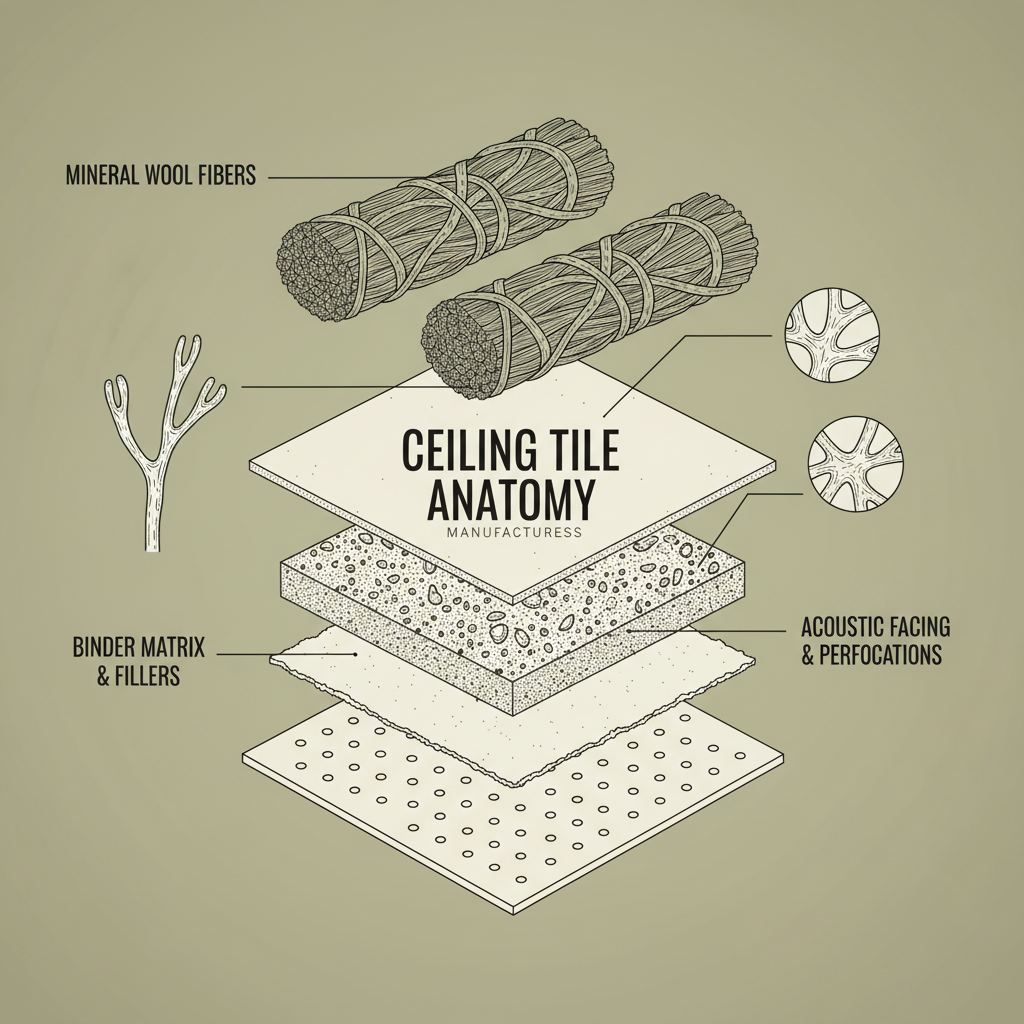
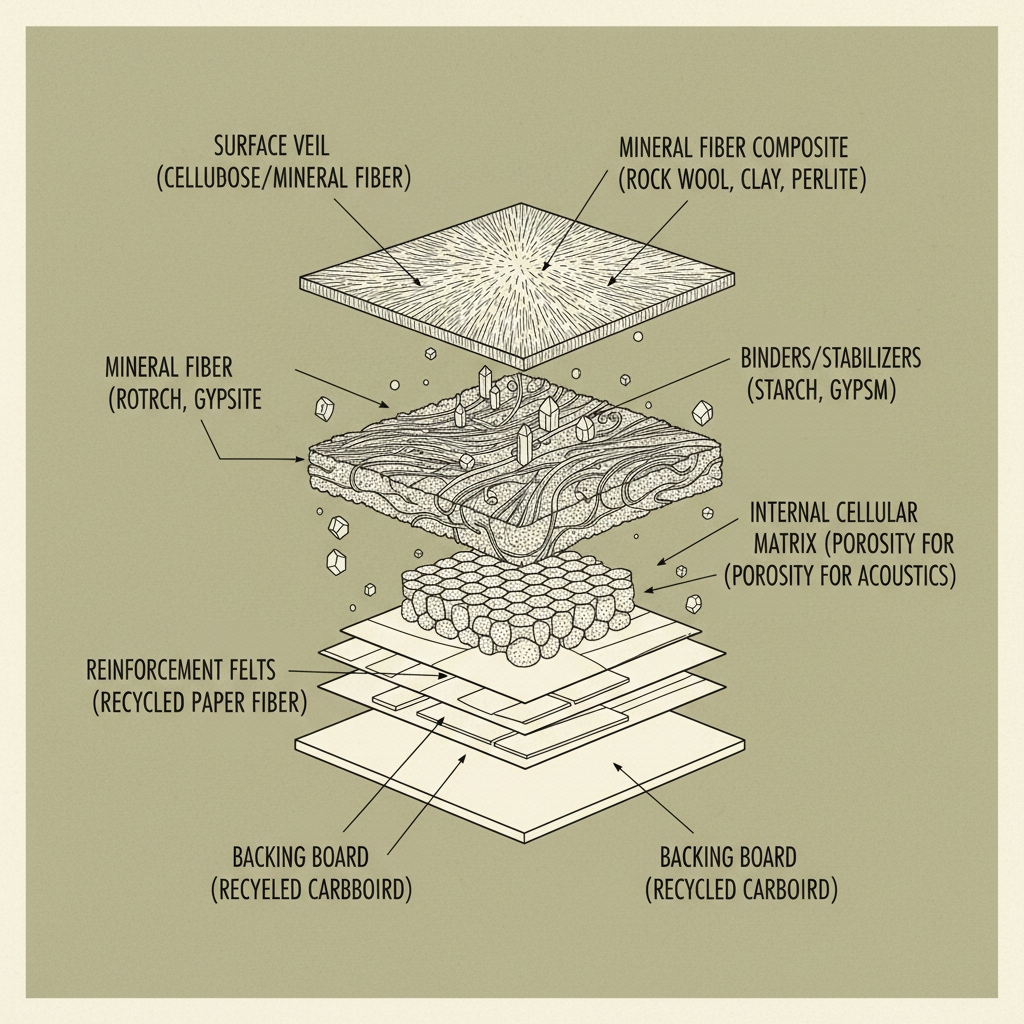
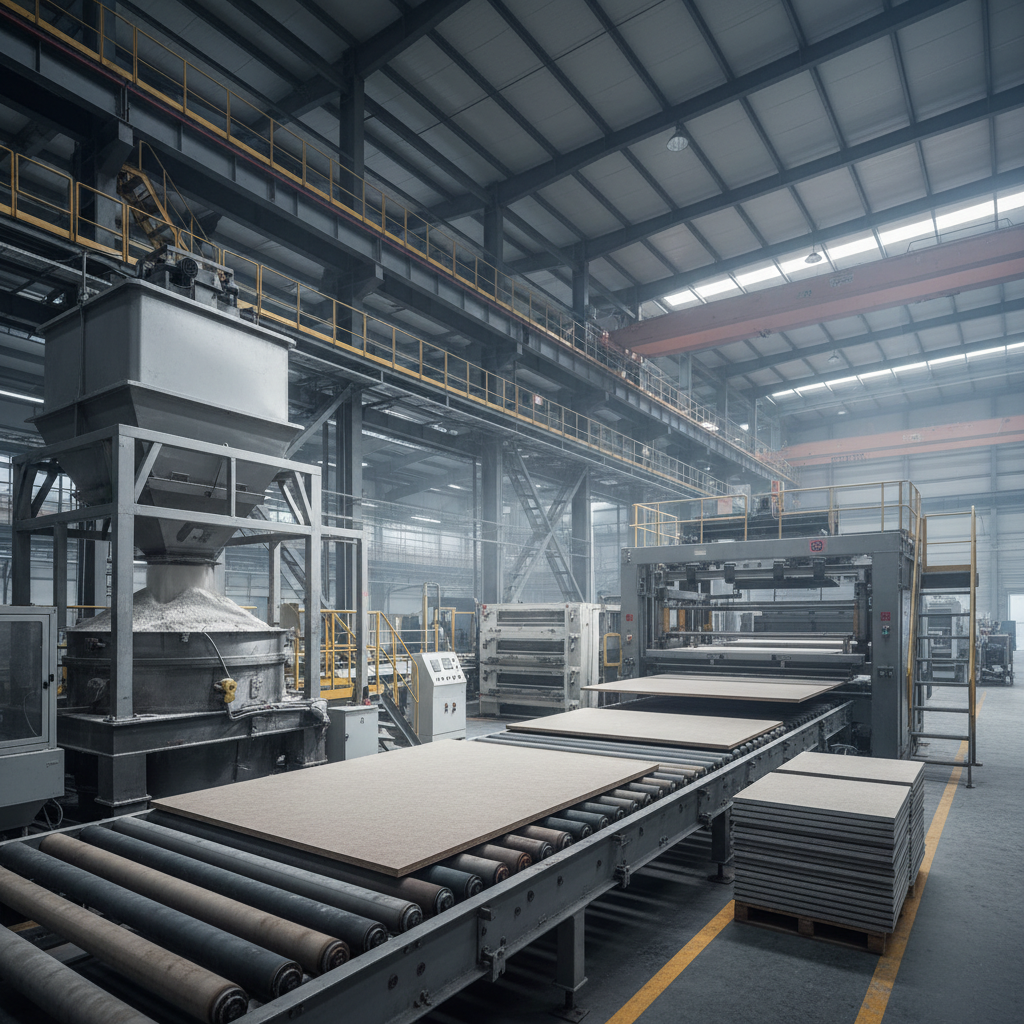
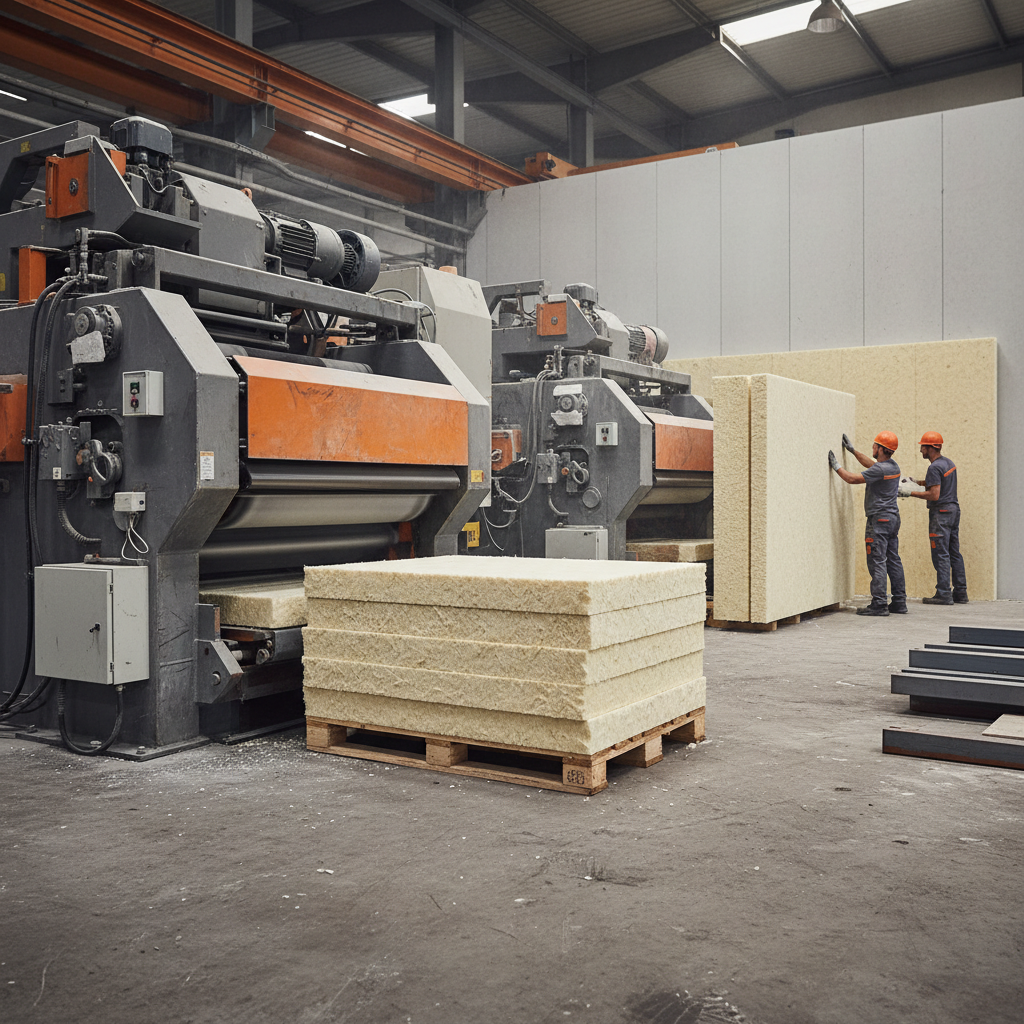
To be honest, the composition of mineral fiber tiles varies a lot depending on the manufacturer. But generally, you’re looking at a combination of slag wool, clay, perlite, and a binder. Slag wool is a byproduct of steel production, so it’s a good way to recycle industrial waste. It’s surprisingly soft to the touch, almost like cotton wool. But don't get it wet, it gets heavy.
The clay adds strength and durability. The perlite is what gives the tiles their lightweight properties. It’s those little white speckles you see. And the binder…well, that’s the secret sauce. Different manufacturers use different binders, and that’s what really affects the performance characteristics of the tile. Some smell a bit…chemical-y, during installation, others barely have any odor at all.
Handling the material… it’s dusty. Wear a mask, seriously. And gloves. It doesn't cut you, but it's irritating. You get used to it after a while, but you never really like it.
Real-World Testing: Beyond the Lab
Lab tests are important, sure. NRC ratings, CAC values, fire resistance… all that stuff. But the real test is how these things perform in the field. I encountered this at a hospital renovation last time – they specified a high-NRC tile, but the HVAC system was so loud, it didn’t make a dent. It looked good on paper, but it didn’t solve the problem.
We do our own testing, basically brute force. We drop things on them, we expose them to humidity, we even simulate seismic activity. It’s not scientific, but it gives us a good idea of how they’ll hold up in real-world conditions. The way a tile sheds water, how easily it dents…these are things you don’t find out in a lab.
Mineral Fiber Ceiling Tile Performance Indicators
How Users Actually Utilize Mineral Fiber Ceilings
Anyway, I think people often underestimate how much abuse these ceilings take. They’re not just there to look pretty. They’re often used to conceal ductwork, pipes, and electrical wiring. And sometimes, people actually hang things from them. Not supposed to, of course, but they do.
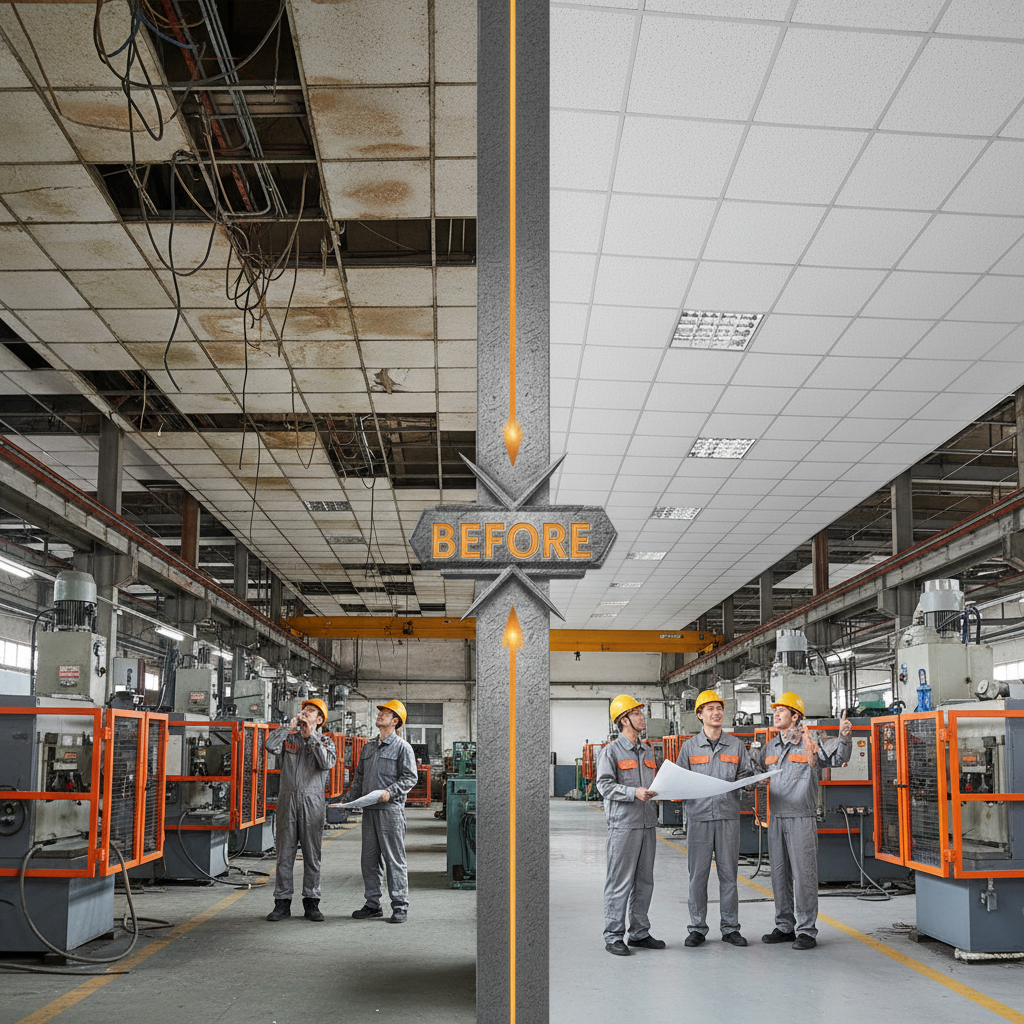
I've seen tiles used as makeshift bulletin boards, with pushpins stuck into them. Not ideal, but it happens. And in older buildings, they’re often the first thing to get damaged when there’s a leak. That’s why moisture resistance is so important.
Advantages and Disadvantages: A Balanced View
Look, mineral fiber tiles are a good all-around choice. They’re relatively inexpensive, they offer good acoustic performance, and they’re fire-resistant. That’s a big plus. But they’re not perfect. They’re relatively brittle, so they can chip or crack if they’re mishandled. And they’re not waterproof. So, you wouldn't want to use them in a bathroom or a swimming pool area.
Later... Forget it, I won't mention it. They can also be a pain to clean. They tend to attract dust, and you can't just spray them with water. You need a special cleaner. It’s a small thing, but it adds up over time. But overall, for most applications, they’re a solid choice.
Customization Options and Real-World Examples
You can get mineral fiber tiles in a wide range of sizes, shapes, and finishes. The most common is the 2x4, but you can also get 2x2, and even custom sizes. And you can get them with different edge details – beveled, square, concealed suspension. It makes a big difference in the final look.
Last month, that small boss in Shenzhen who makes smart home devices insisted on changing the interface to , and the result was… well, it delayed the project by two weeks because the standard grid system couldn’t accommodate the new tile size. He wanted a sleek, modern look, but he didn’t think through the practical implications. It's always the details, you know?
We did a project at a school where they wanted a specific shade of blue to match their school colors. We worked with the manufacturer to create a custom color, and it looked fantastic. It’s that kind of attention to detail that sets a project apart.
Summary of Customization Factors for Mineral Fiber Ceiling Tiles
| Customization Aspect |
Complexity Level |
Cost Impact |
Lead Time |
| Tile Size |
Medium |
Moderate |
2-3 weeks |
| Color Matching |
High |
Significant |
4-6 weeks |
| Perforation Patterns |
Medium |
Moderate |
3-4 weeks |
| Edge Details |
Low |
Minimal |
1-2 weeks |
| Surface Texture |
Medium |
Moderate |
2-3 weeks |
| Recycled Content Percentage |
Low |
Minimal |
Stock availability dependent |
FAQS
Typically, you're looking at 15-20 years, depending on maintenance and environmental conditions. Dust buildup is the biggest enemy. Regular cleaning, though not always easy, can extend their life significantly. We've seen some installations still going strong after 25 years, but they were exceptionally well-maintained. Honestly, it's less about the tile itself and more about how it's treated.
They can be, especially in areas with high humidity or leaks. The key is controlling moisture. Make sure the roof isn’t leaking and the HVAC system is functioning properly. Also, look for tiles that are treated with a mold-resistant coating. We always recommend a good vapor barrier as well. It's a preventative measure that saves headaches down the line.
A utility knife with a sharp blade is your best bet. Score the tile several times along the desired line, then snap it along the score. Wear a dust mask and eye protection, always. Some guys use a fine-tooth saw, but that creates a lot more dust. And vacuum up the dust immediately after cutting. It’s a pain, but it’s worth it for your lungs.
More perforations generally mean better sound absorption, but it’s not that simple. The size and spacing of the perforations matter a lot. Smaller, more densely spaced perforations absorb higher frequencies, while larger, more widely spaced perforations absorb lower frequencies. It’s a balancing act to achieve the desired acoustic profile for the space. It all comes down to NRC and CAC ratings, but those numbers don’t always tell the whole story.
Most mineral fiber tiles have a Class A fire rating, which means they can withstand high temperatures and prevent the spread of flames. They’re non-combustible, which is a huge plus. However, it's important to check the specific ratings for each tile, as they can vary depending on the manufacturer and composition. Always make sure they meet the local building codes.
Yes, they can be painted, but you need to use a latex-based paint specifically designed for acoustic ceilings. Avoid oil-based paints, as they can seal the surface and reduce the sound absorption properties. It’s also important to apply a primer first to ensure proper adhesion. Honestly, I usually advise against painting them unless absolutely necessary. It's easy to mess it up and ruin the acoustic performance.
Conclusion
So, there you have it. Mineral fiber ceiling tiles aren’t glamorous, but they’re a workhorse. They offer a good balance of performance, cost, and sustainability. They’re not perfect, and there are plenty of ways to get it wrong, but when done right, they can significantly improve the comfort and functionality of a space.
Ultimately, whether this thing works or not, the worker will know the moment he tightens the screw. It’s not about the specs on the datasheet; it’s about how it feels to install, how it looks when it’s finished, and whether it actually solves the problem it was intended to solve. That's what matters. If you are interested in learning more about high-quality mineral fiber ceiling tiles, visit our website: www.xingyuanceilings.com.