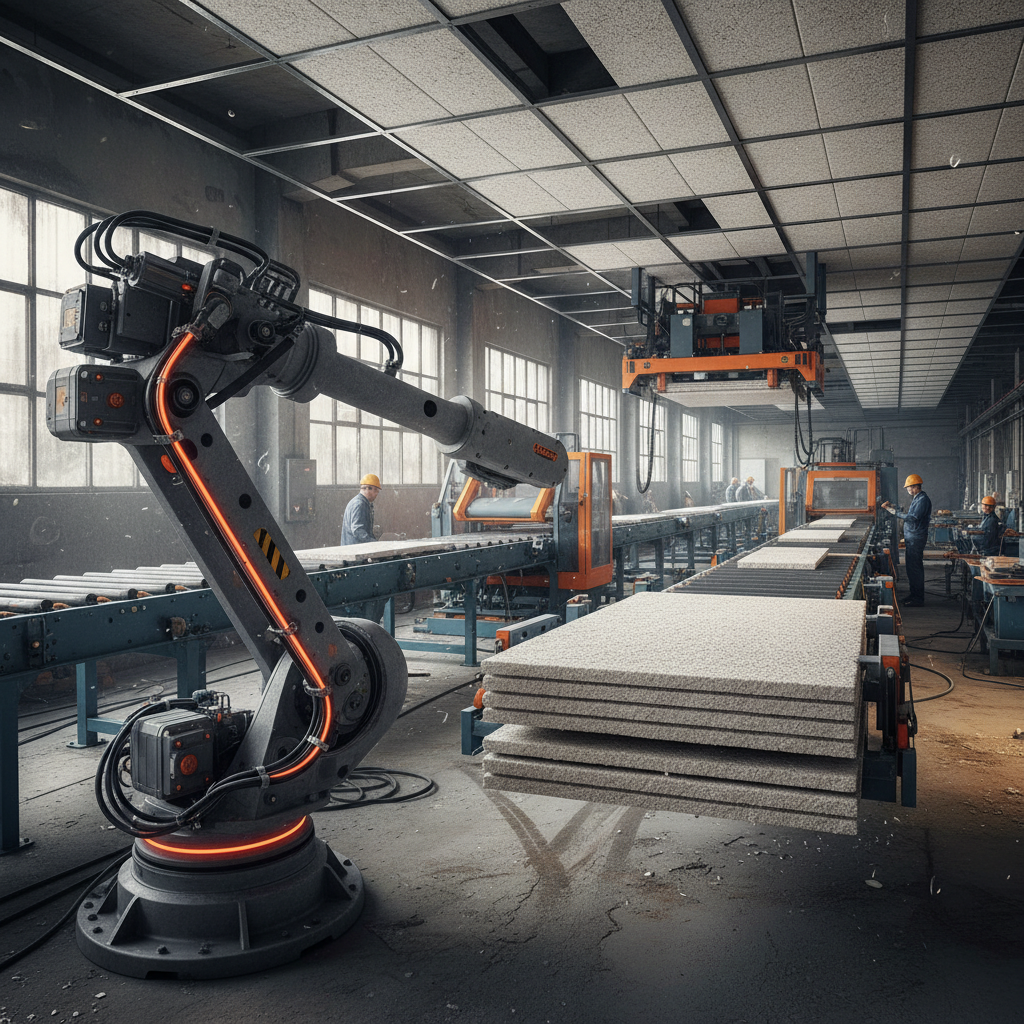
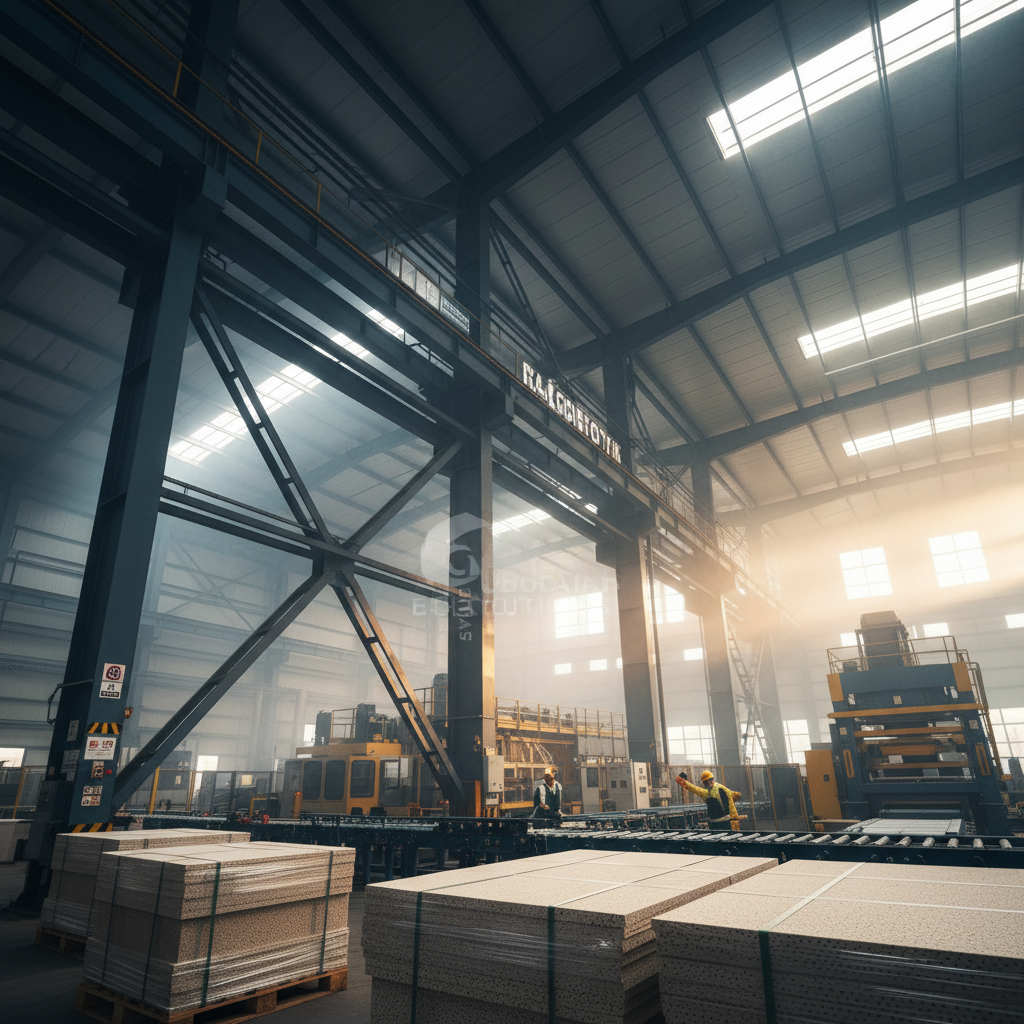
To be honest, the mineral fiber ceiling tiles market… it’s been a wild ride lately. Everyone's chasing higher NRC ratings, you know, noise reduction coefficient. Seems like every project spec now demands it. And it's not just offices anymore – schools, hospitals, even fancy gyms want quiet. But chasing those numbers can lead to some real headaches.
Have you noticed how many manufacturers are jumping on the “bio-based” bandwagon? It’s good, don’t get me wrong, sustainability is important. But some of these materials… they feel flimsy. Like they wouldn't hold up to a good whack with a wrench. I encountered this at a factory in Shandong province last time, beautiful claims, but the core just crumbled when I put a little pressure on it.
Anyway, I think the biggest issue is still cost. Everyone wants performance, but nobody wants to pay for it. Finding that sweet spot is the real challenge.
The Changing Landscape of mineral fiber ceiling tiles price
Strangely enough, the demand for specialized tiles is growing. It's not just "white grid ceiling" anymore. Architects want textures, colors, integrated lighting… it's a whole new ballgame. And that drives up the mineral fiber ceiling tiles price, naturally.
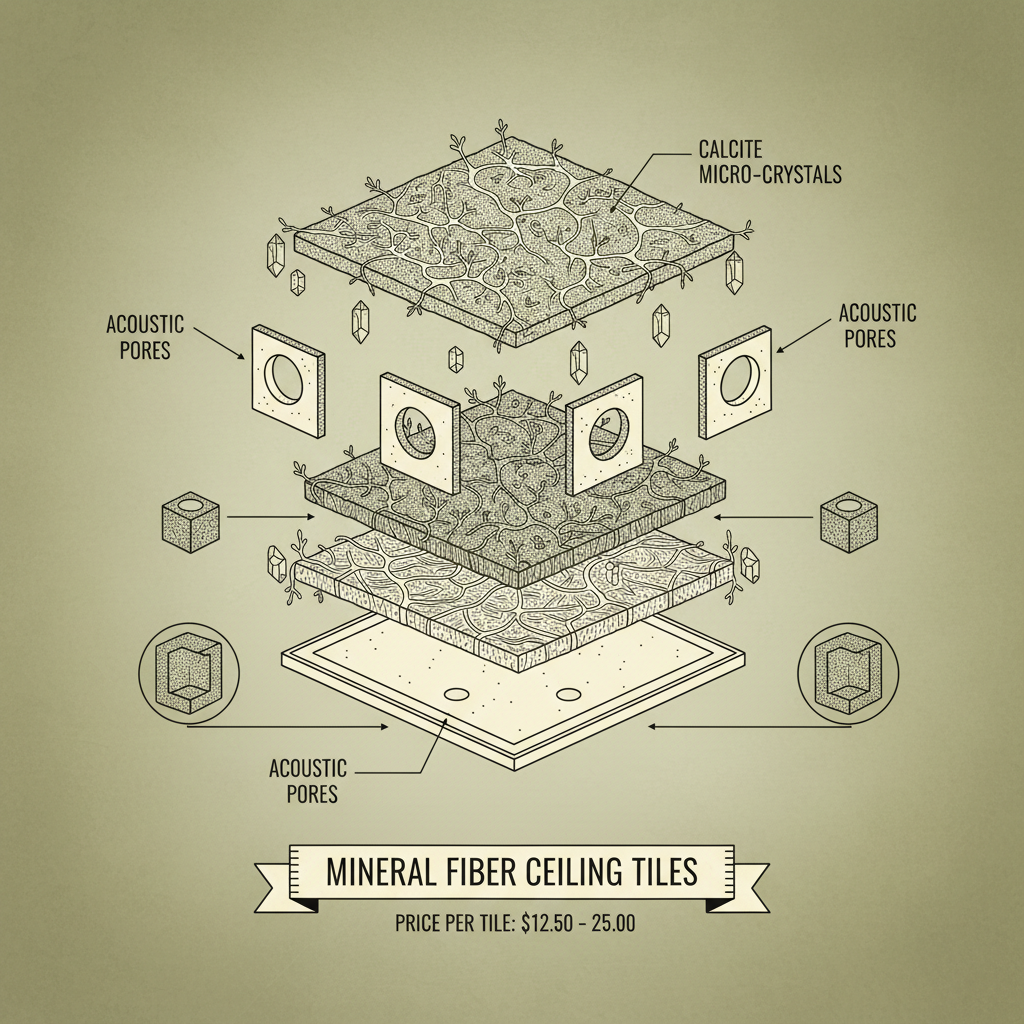
The biggest shift I've seen is the move towards acoustic performance. Noise control is huge, and clients are willing to pay a premium for it. This has led to a lot of innovation in fiber composition and tile density. But it also means more testing, more quality control, and… well, more headaches for us on the installation side.
Design Pitfalls and Hidden Costs of mineral fiber ceiling tiles price
One thing I've learned is that seemingly small design choices can have a huge impact on the final mineral fiber ceiling tiles price. For example, specifying a complex pattern or a custom edge detail can drastically increase material waste and installation time. I saw a project in Shanghai where the architect insisted on a very intricate geometric design, and the labor costs were through the roof.
Another common mistake is underestimating the weight of the tiles. Heavy tiles require a more robust suspension system, which adds to the overall cost. You really need to do the calculations upfront to avoid any surprises.
And don’t even get me started on trying to match colors. It's always a nightmare. You get a sample that looks perfect in the showroom, but then it looks completely different under the actual lighting conditions. It's a constant battle to get a consistent look.
Material Breakdown: What's Actually in These Tiles
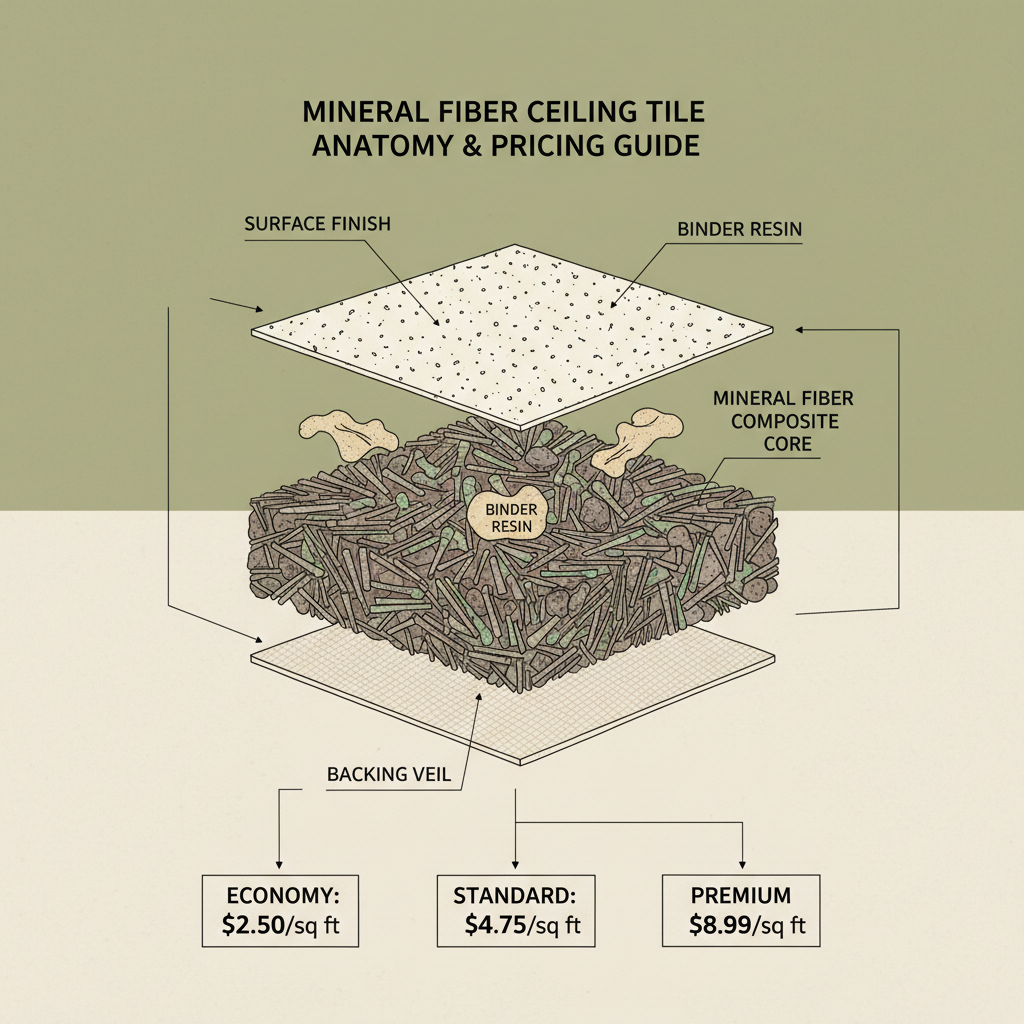
Most mineral fiber ceiling tiles are made from a combination of slag wool, clay, perlite, and a binder. The slag wool gives it the bulk and acoustic properties. Perlite, those little white pebbles, adds lightness. And the clay…well, it's clay. You can smell it, honestly, when you first open a pack. Sort of earthy.
The binder is where things get tricky. Some manufacturers use formaldehyde-based binders, which are cheap but release VOCs. Others use more environmentally friendly binders, but they're more expensive and sometimes affect the tile's durability. You can tell the difference, usually. The formaldehyde ones feel…stiffer. And have that faint chemical smell.
Handling the materials… it’s not glamorous. Lots of dust, especially with the slag wool. You need a good mask and gloves. And the edges of the tiles are always sharp. I've cut myself more times than I care to admit.
Real-World Testing and Performance of mineral fiber ceiling tiles price
Labs are fine, but real testing happens on the job site. I like to drop a tool – not intentionally, mind you – to see how much the tile deflects. Or lean on it with my weight. You learn a lot from that.
Moisture resistance is critical. I’ve seen tiles sag and collapse in areas with high humidity. We once had a problem in a school gymnasium where a leaky roof caused the tiles to absorb water and become a safety hazard. That was a mess.
Mineral Fiber Ceiling Tile Performance Ratings
How Users Really Interact with mineral fiber ceiling tiles price
People don't think about ceiling tiles much, right? They just expect them to be there. But the guys who have to install them? They’re very particular. They want tiles that are easy to cut, easy to handle, and don’t crumble when you screw into them. Those are the big complaints.
And surprisingly, maintenance workers often use the tiles as temporary supports for ladders or equipment. It's not what they're designed for, but it happens. That’s why durability is so important.
Advantages, Disadvantages, and Customization Options
The biggest advantage of mineral fiber tiles is, of course, their acoustic performance. They really do a good job of absorbing sound. They’re also relatively affordable and easy to install.
But they’re not perfect. They’re susceptible to moisture damage, and they can be brittle. And if you need a really high-end look, they might not be the best choice.
Customization is possible, though. Last year, a hotel in Beijing wanted tiles with a specific pattern printed on them. We had to work with the manufacturer to develop a custom printing process. It was expensive, but the client was happy.
A Customer Story: The Ceiling Tile Saga
Last month, that small boss in Shenzhen who makes smart home devices insisted on changing the interface to . He wanted us to cut out holes in the tiles to run cables through, but he refused to use the standard grommets. He wanted a clean, minimalist look. So, we ended up having to reinforce the edges of the holes with epoxy.
It looked good, I'll give him that. But it added hours of labor. And guess what? Two weeks later, he called complaining that the cables were falling out. Turns out, the epoxy wasn’t strong enough to hold the cables securely. Lesson learned: sometimes, the standard solutions are the best solutions.
He ended up paying for the rework, of course. And he finally agreed to use the grommets.
Summary of Key Considerations for Mineral Fiber Ceiling Tile Selection
| Performance Criteria |
Cost Implications |
Installation Challenges |
Long-Term Maintenance |
| Acoustic Absorption |
Higher NRC = Higher price |
Standard cutting tools are usually sufficient |
Occasional cleaning to remove dust |
| Moisture Resistance |
Waterproof coatings increase cost |
Requires careful installation in humid environments |
Regular inspection for water damage |
| Fire Rating |
Higher fire rating = Increased material cost |
No specialized tools required |
Minimal maintenance needed |
| Impact Strength |
Reinforced tiles are more expensive |
May require more careful handling during installation |
Potential for repair if damaged |
| Aesthetic Customization |
Custom colors and patterns add significant cost |
May require specialized installation techniques |
Maintaining custom finishes can be challenging |
| Sustainability |
Bio-based options may be pricier |
Standard installation procedures apply |
Consider end-of-life recycling options |
FAQS
That depends a lot on the environment. In a dry, well-maintained office, you can easily get 15-20 years out of them. But in a humid or high-traffic area, they might only last 5-10 years. Regular inspections are key to catching problems early.
Most are, yes. They generally have a good fire rating, meaning they can slow the spread of flames. But it's important to check the specific rating for the tiles you're using, as it can vary. You need to make sure they meet the building code requirements for your project.
Honestly, don’t get them too wet. A gentle vacuuming with a soft brush attachment is usually the best approach. You can also use a slightly damp cloth for minor stains, but be careful not to saturate the tiles. Strong cleaning agents can damage the surface.
You can, but it's not always recommended. The paint can seal the tiles and reduce their acoustic performance. If you do paint them, use a breathable acrylic paint specifically designed for ceilings. And always test a small area first to make sure it doesn't cause any discoloration.
Fiberglass is generally more moisture resistant and durable, but it can be more expensive. Mineral fiber offers better acoustic performance and is usually easier to work with. It really comes down to your specific needs and budget. Some people are also concerned about fiberglass fibers irritating their skin or lungs, so that's a factor to consider.
It depends. If sustainability is a high priority for your project, then yes, they're worth considering. But you need to be aware that they may not be as durable or moisture resistant as traditional mineral fiber tiles. It’s a trade-off between environmental benefits and performance.
Conclusion
Ultimately, choosing the right mineral fiber ceiling tiles isn't just about the NRC rating or the mineral fiber ceiling tiles price tag. It’s about understanding the environment, the application, and the long-term needs of the client. It's about balancing performance, cost, and sustainability.
And in the end, whether this thing works or not, the worker will know the moment he tightens the screw. You can talk about specs and ratings all day, but the real test is how it performs in the real world. And that’s what I’ve learned after all these years on the job site.