The significance of mineral wool board r value extends beyond simple thermal performance; it’s a cornerstone of sustainable building practices, energy efficiency, and ultimately, a more comfortable and resilient built environment. Understanding this value is crucial for architects, engineers, contractors, and homeowners alike, as it directly impacts heating and cooling costs, indoor air quality, and the overall environmental footprint of a structure. Properly assessing and utilizing mineral wool board r value contributes to reduced energy consumption and lowers carbon emissions.
Globally, the demand for effective insulation materials like mineral wool is rapidly increasing due to stricter building codes focused on energy conservation, growing awareness of climate change, and rising energy prices. The ability to accurately determine and apply mineral wool board r value is therefore vital for meeting these challenges. Furthermore, understanding the factors that influence r value – density, thickness, and temperature – is essential for optimizing insulation performance in diverse climates and building types. This understanding is not merely technical; it's an investment in a more sustainable future.
Mineral wool board r value is a measure of thermal resistance—how well a material resists the flow of heat. It's expressed in units of (ft²⋅°F⋅hr)/BTU in the US Imperial system or m²⋅K/W in the metric system. A higher r value indicates greater insulating capability. In the context of modern construction, especially in regions striving to meet stringent energy efficiency standards, accurate determination of mineral wool board r value becomes paramount for compliance, cost savings, and improved building performance. Its impact touches upon not only industrial and commercial structures, but also residential housing, contributing to more comfortable and energy-efficient living spaces.
Introduction to mineral wool board r value
Mineral wool board r value is a fundamental property in building design and construction, directly influencing a building’s thermal performance and energy efficiency. Accurately assessing this value is paramount for meeting building codes, minimizing energy consumption, and ensuring occupant comfort. Choosing the right mineral wool board, considering its specific r value, is a critical step in creating sustainable and cost-effective structures.
The selection of mineral wool insulation and precise understanding of its r value are not solely about regulatory compliance. They represent a commitment to reducing the environmental impact of buildings, lowering operational costs for owners, and creating healthier, more comfortable indoor environments for occupants. The long-term benefits associated with high-performance insulation far outweigh the initial investment, making mineral wool board r value a critical factor in modern building practices.
Global Significance and Industry Context
The global construction industry is increasingly focused on sustainable building practices, driven by international agreements like the Paris Agreement and growing public demand for environmentally responsible designs. This trend directly elevates the importance of materials with high thermal performance, such as mineral wool. According to a report by the UN Environment Programme, buildings are responsible for approximately 40% of global energy consumption and 33% of greenhouse gas emissions. Optimizing mineral wool board r value is a key strategy for mitigating these impacts.
Furthermore, stringent building codes are being implemented in many countries to improve energy efficiency. For example, the European Union’s Energy Performance of Buildings Directive (EPBD) sets ambitious targets for reducing energy consumption in the building sector. Meeting these requirements necessitates the use of high-performance insulation materials like mineral wool, where accurate r value determination is essential for compliance and achieving desired energy savings. The growing demand for energy-efficient buildings is creating a significant market opportunity for mineral wool manufacturers and installers.
The rise in global urbanization and population growth further exacerbates the need for sustainable building solutions. As more people move into cities, the demand for housing and infrastructure increases, putting a strain on energy resources. Utilizing mineral wool with optimized r value in new construction and retrofitting existing buildings is vital for addressing these challenges and creating more sustainable urban environments.
Defining Mineral Wool Board R Value
Mineral wool board r value is a measurement of a material's resistance to heat flow. The higher the r value, the better the material insulates. It essentially quantifies how effectively the mineral wool board prevents heat transfer, keeping buildings warmer in winter and cooler in summer. This resistance stems from the material’s fibrous structure, which traps air pockets, hindering conductive and convective heat transfer.
Understanding r value is crucial because it directly impacts a building's energy consumption. A well-insulated building with a high overall r value requires less energy for heating and cooling, leading to lower utility bills and a reduced carbon footprint. The r value is not simply an inherent property of the material itself; it's also influenced by factors like thickness, density, and temperature. Therefore, accurate calculation and consideration of these variables are vital for achieving optimal insulation performance.
In the context of modern construction, mineral wool board r value is essential for complying with building codes and achieving energy efficiency standards. It's also a critical factor in creating comfortable and healthy indoor environments, as proper insulation helps maintain consistent temperatures and reduces drafts, contributing to improved air quality and occupant well-being.
Key Factors Influencing Mineral Wool Board R Value
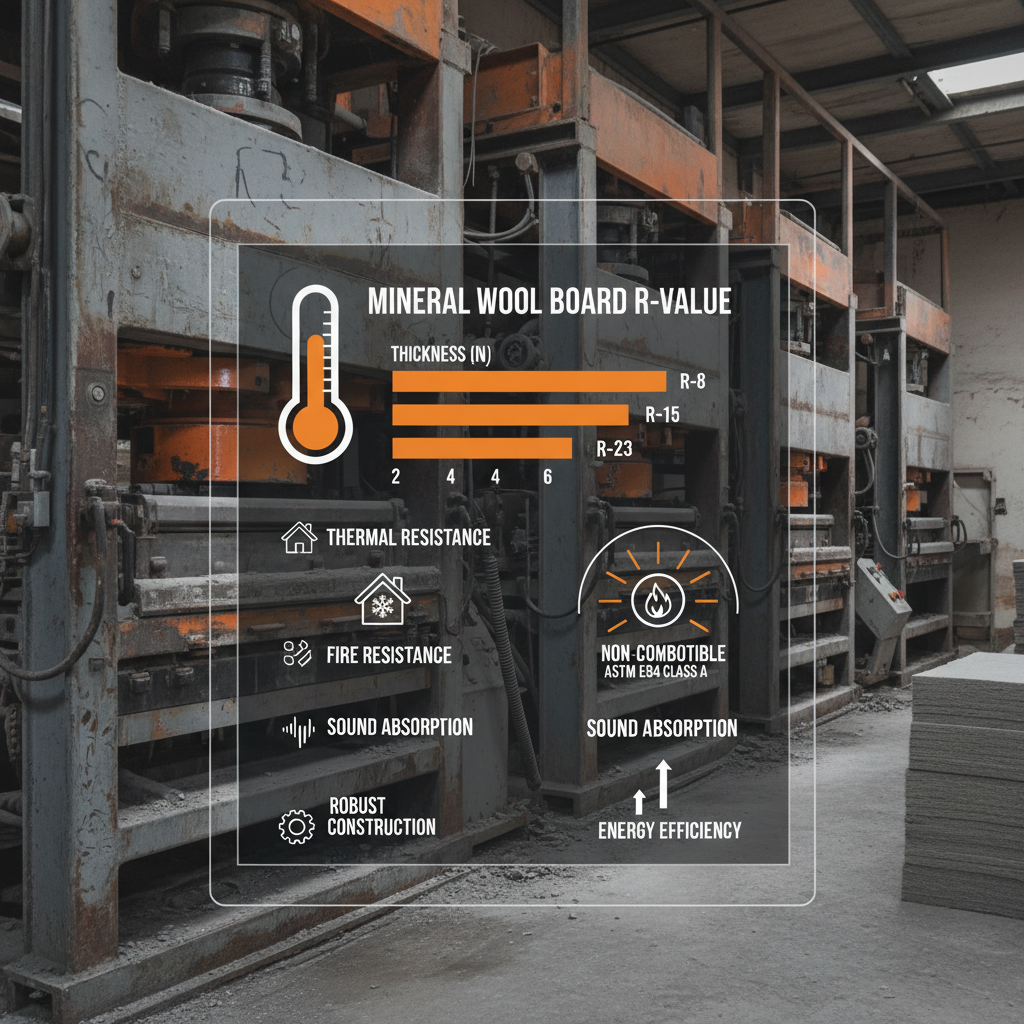
The r value of a mineral wool board is not a fixed number; it's influenced by several key factors. First, the density of the mineral wool plays a significant role. Higher density boards generally offer better sound insulation but may have a slightly lower r value per inch compared to lower density options. Second, the thickness of the board is directly proportional to its r value – a thicker board provides greater thermal resistance. Third, the temperature at which the r value is measured affects the result; r value decreases as temperature increases.
Another crucial factor is the type of mineral wool itself. There are two main types: glass wool and rock wool (stone wool). Rock wool typically has a slightly higher r value than glass wool at a given density and thickness. The manufacturing process can also influence r value, as variations in fiber alignment and air pocket distribution affect thermal performance. Finally, moisture content significantly degrades r value. Wet mineral wool loses a substantial portion of its insulating capability, making proper moisture management critical.
Comparing Mineral Wool Board R Value Based on Density
Real-World Applications of Mineral Wool Board R Value
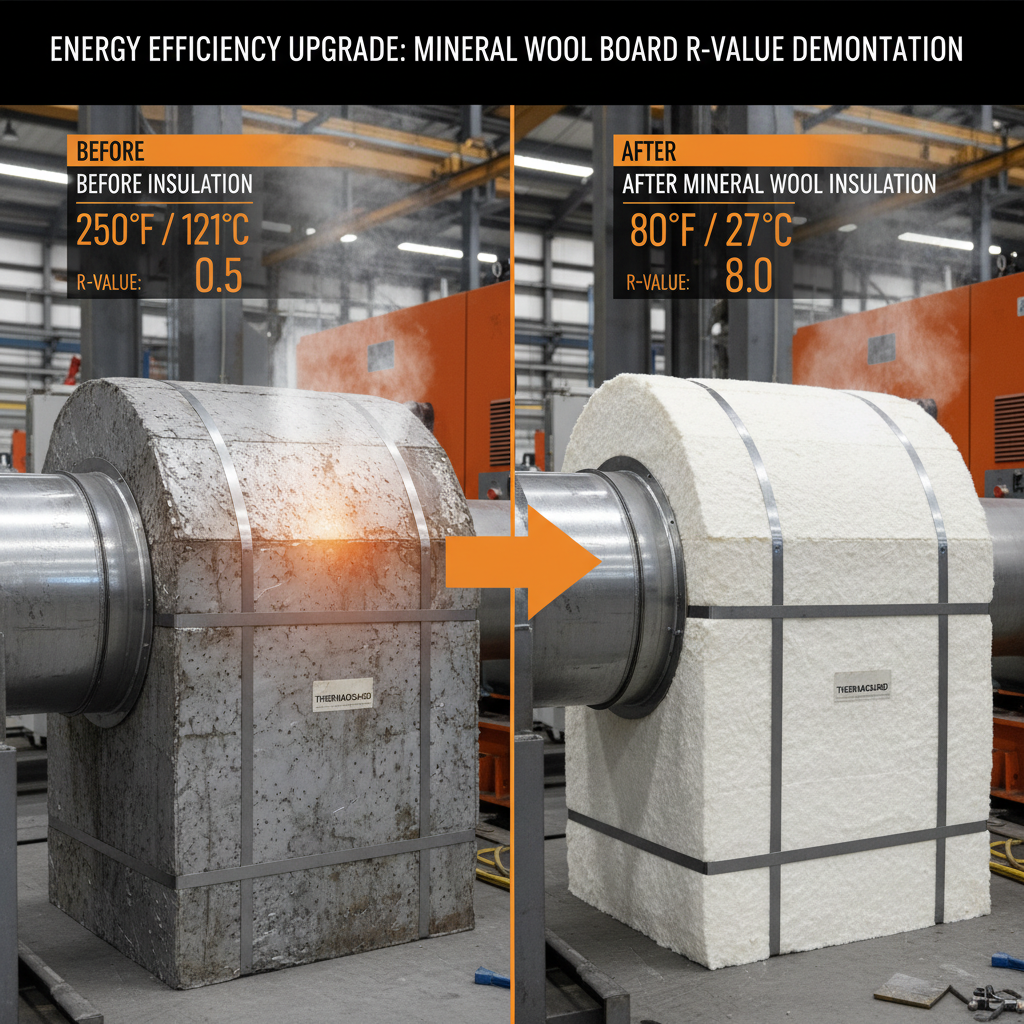
Mineral wool board r value is critically applied in diverse building applications. In residential construction, it’s used for insulating walls, roofs, and floors, contributing to comfortable living spaces and reduced energy bills. Commercial buildings, such as offices and retail spaces, benefit from mineral wool's fire resistance and thermal performance, creating safer and more energy-efficient environments. Industrial facilities utilize mineral wool for insulating pipes, tanks, and equipment, maintaining process temperatures and preventing heat loss.
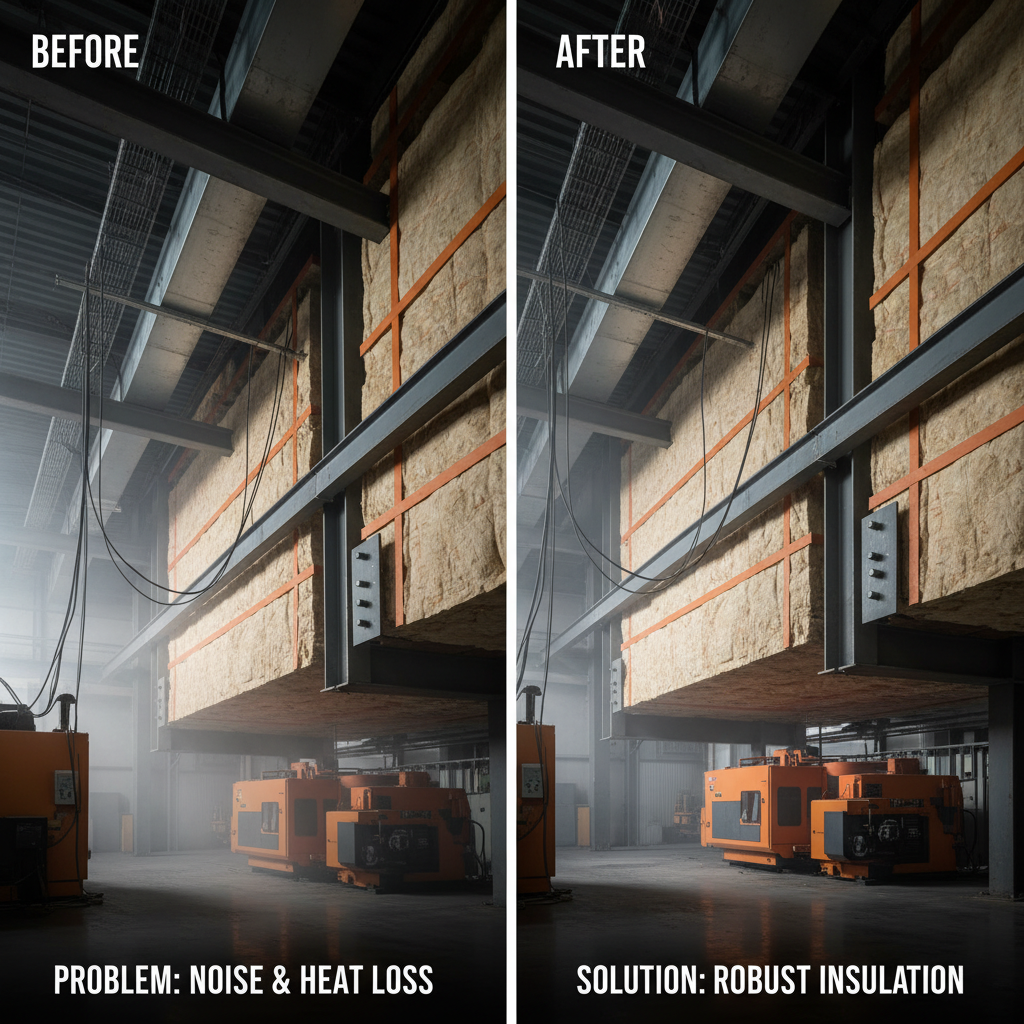
Beyond conventional construction, mineral wool board r value plays a vital role in specialized applications. In cold storage facilities, it’s essential for maintaining precise temperatures and preventing spoilage of perishable goods. In soundproofing applications, mineral wool’s density and fibrous structure effectively absorb sound waves, reducing noise pollution. In post-disaster relief operations, mineral wool boards offer quick and effective insulation for temporary shelters, providing warmth and comfort to displaced populations.
Advantages and Long-Term Value
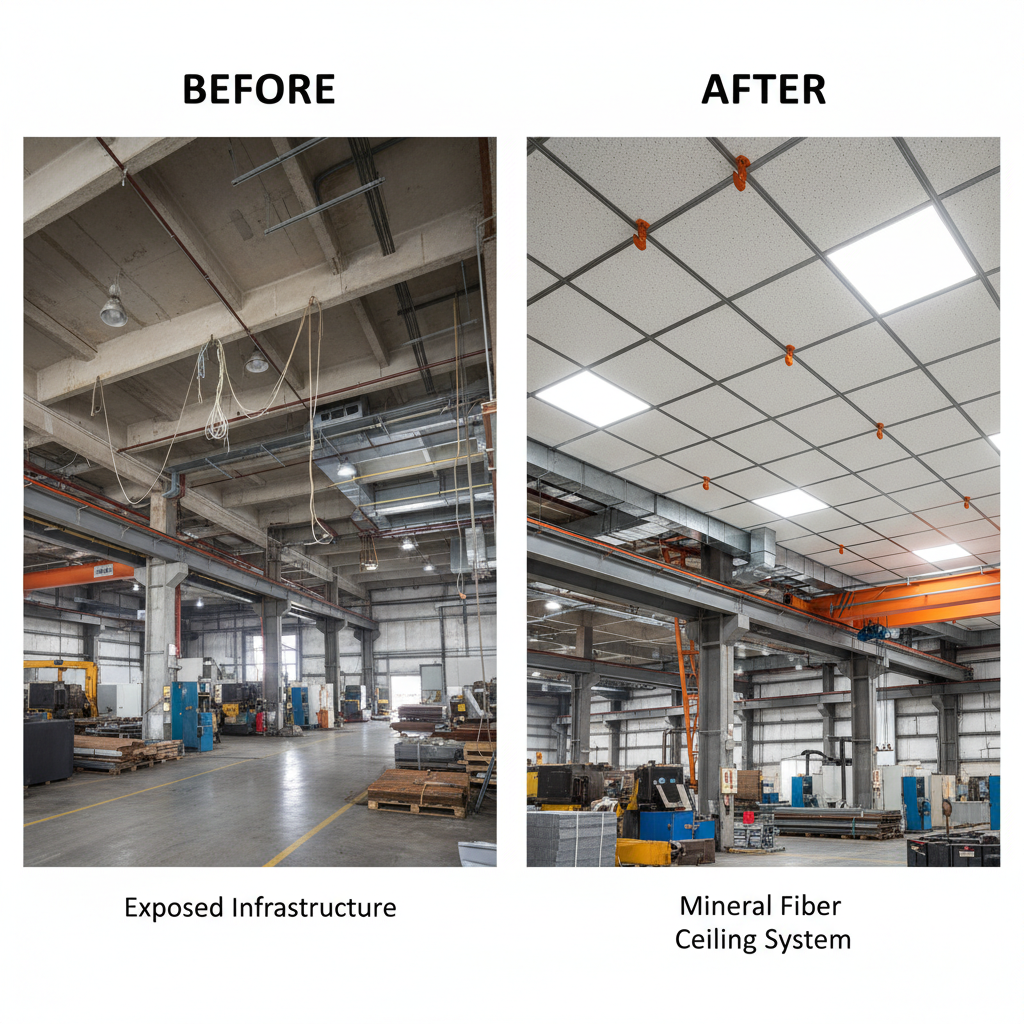
The advantages of utilizing mineral wool board with optimal r value extend far beyond immediate energy savings. Its inherent fire resistance provides enhanced safety for building occupants, a critical consideration in all types of construction. Mineral wool is also a sustainable material, often made from recycled content, and is fully recyclable at the end of its life cycle, reducing environmental impact. Furthermore, its excellent sound absorption properties contribute to quieter and more productive indoor environments.
From a long-term perspective, investing in mineral wool board with appropriate r value translates to lower operating costs, reduced carbon emissions, and increased property value. The durability of mineral wool ensures a long service life, minimizing the need for replacements and further contributing to cost savings. It’s an investment in a more sustainable and resilient built environment, fostering innovation and trust among building owners and occupants.
Future Trends and Innovations in Mineral Wool Board R Value
Ongoing research and development are focused on enhancing the r value of mineral wool boards through innovative manufacturing techniques and material compositions. Nanotechnology is being explored to create mineral wool with improved thermal performance, potentially increasing r value without increasing thickness. The integration of phase change materials (PCMs) into mineral wool boards is another promising avenue, allowing for thermal energy storage and further optimizing temperature regulation.
Furthermore, advancements in digital technologies, such as building information modeling (BIM), are enabling more accurate assessment and optimization of mineral wool board r value in building designs. These tools allow architects and engineers to simulate thermal performance and identify areas where insulation can be most effectively deployed. The drive towards net-zero energy buildings and passive house standards will continue to fuel innovation in mineral wool technology, pushing the boundaries of thermal performance.
The industry is also seeing a move towards more sustainable and eco-friendly manufacturing processes for mineral wool, minimizing environmental impact and promoting circular economy principles. This includes utilizing a higher percentage of recycled content and reducing energy consumption during production.
FAQS
The r value of mineral wool boards typically ranges from R-3.0 to R-4.2 per inch of thickness, depending on the density and type of mineral wool. It’s important to consult the manufacturer’s specifications for the precise r value of a specific product. Lower density boards generally offer slightly lower r values, while higher density boards may have a slightly reduced r value per inch but offer other benefits like improved sound absorption.
Moisture significantly reduces the r value of mineral wool. Wet mineral wool loses a substantial portion of its insulating capability because water conducts heat much more readily than air. It is critical to ensure proper moisture management in building designs, including vapor barriers and ventilation, to prevent water from accumulating within the mineral wool insulation. Proper installation and protection from leaks are essential.
Yes, mineral wool is inherently fire-resistant, making it a safe and reliable insulation choice. It can withstand temperatures up to 1,000°C (1,832°F) without melting or burning, and does not contribute to flame spread. This fire resistance is a significant advantage in building construction, enhancing safety for occupants and protecting property. It's often used in fireproofing applications.
Higher density mineral wool generally provides better sound absorption. The denser the material, the more effectively it dampens sound waves, reducing noise transmission. This makes mineral wool an excellent choice for soundproofing applications in walls, floors, and ceilings, creating quieter and more comfortable indoor environments. However, the optimal density for sound absorption depends on the specific frequency range of the noise being addressed.
Yes, mineral wool is commonly used in exterior wall applications. It provides excellent thermal performance, fire resistance, and moisture management capabilities, making it a suitable choice for a variety of cladding systems. When used in exterior walls, it is important to ensure proper drainage and ventilation to prevent moisture buildup and maintain optimal r value. Rain screens and appropriate detailing are crucial for long-term performance.
Mineral wool generally offers comparable r values to fiberglass insulation, typically ranging from R-3.0 to R-4.2 per inch. However, mineral wool often outperforms fiberglass in terms of sound absorption, fire resistance, and moisture resistance. Compared to foam insulation, mineral wool may have a slightly lower r value per inch, but it’s a more sustainable and environmentally friendly option. The best insulation choice depends on specific project requirements and priorities.
Conclusion
Understanding mineral wool board r value is paramount for creating energy-efficient, safe, and sustainable buildings. From its fundamental definition as a measure of thermal resistance to its diverse applications in residential, commercial, and industrial settings, this property impacts everything from energy consumption to occupant comfort and environmental responsibility. By carefully considering factors like density, thickness, and moisture content, and embracing emerging innovations in material science, we can unlock the full potential of mineral wool as a key component of a more sustainable built environment.
Looking ahead, continued research and development focused on enhancing mineral wool r value, coupled with advancements in digital building design tools, will further optimize its performance and expand its applications. Investing in mineral wool insulation is not simply a construction choice; it's an investment in a future where buildings are more resilient, resource-efficient, and aligned with global sustainability goals. Learn more about maximizing your insulation performance today – mineral wool board r value.