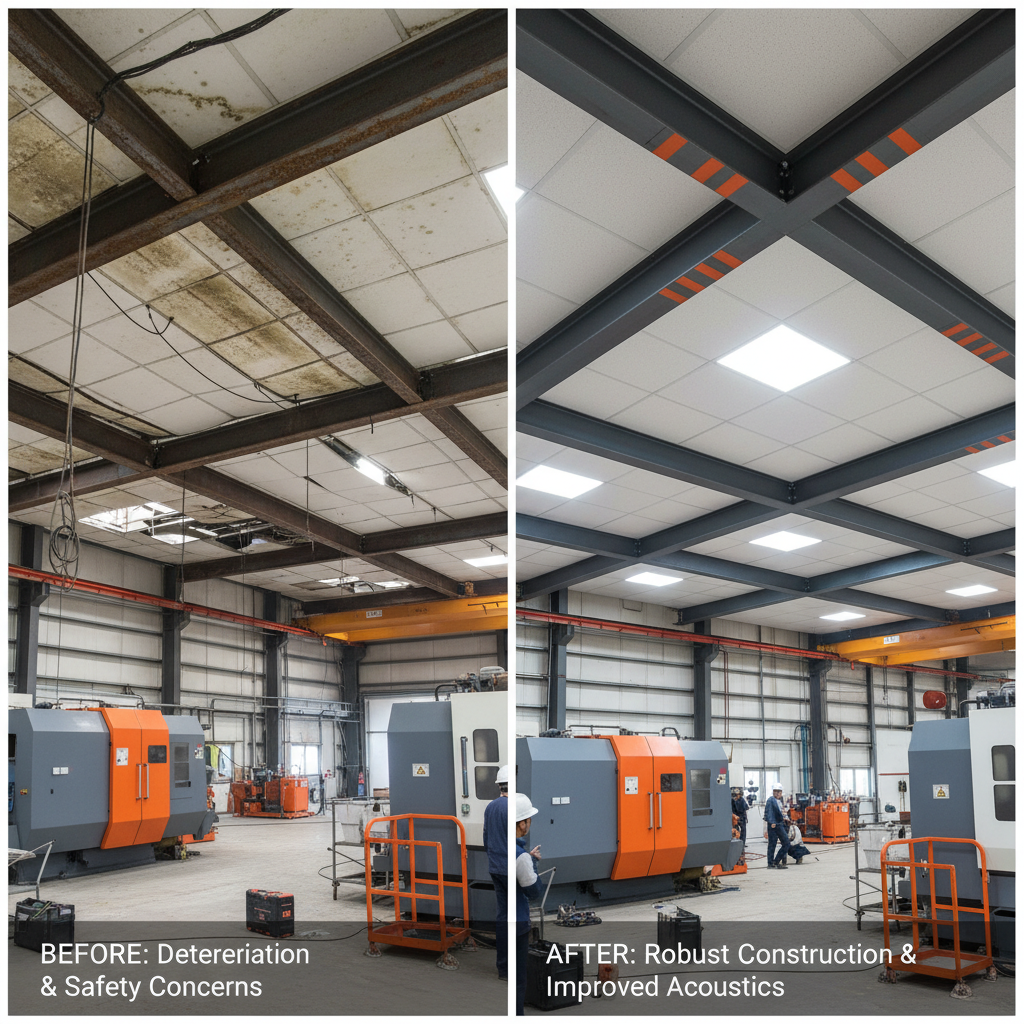
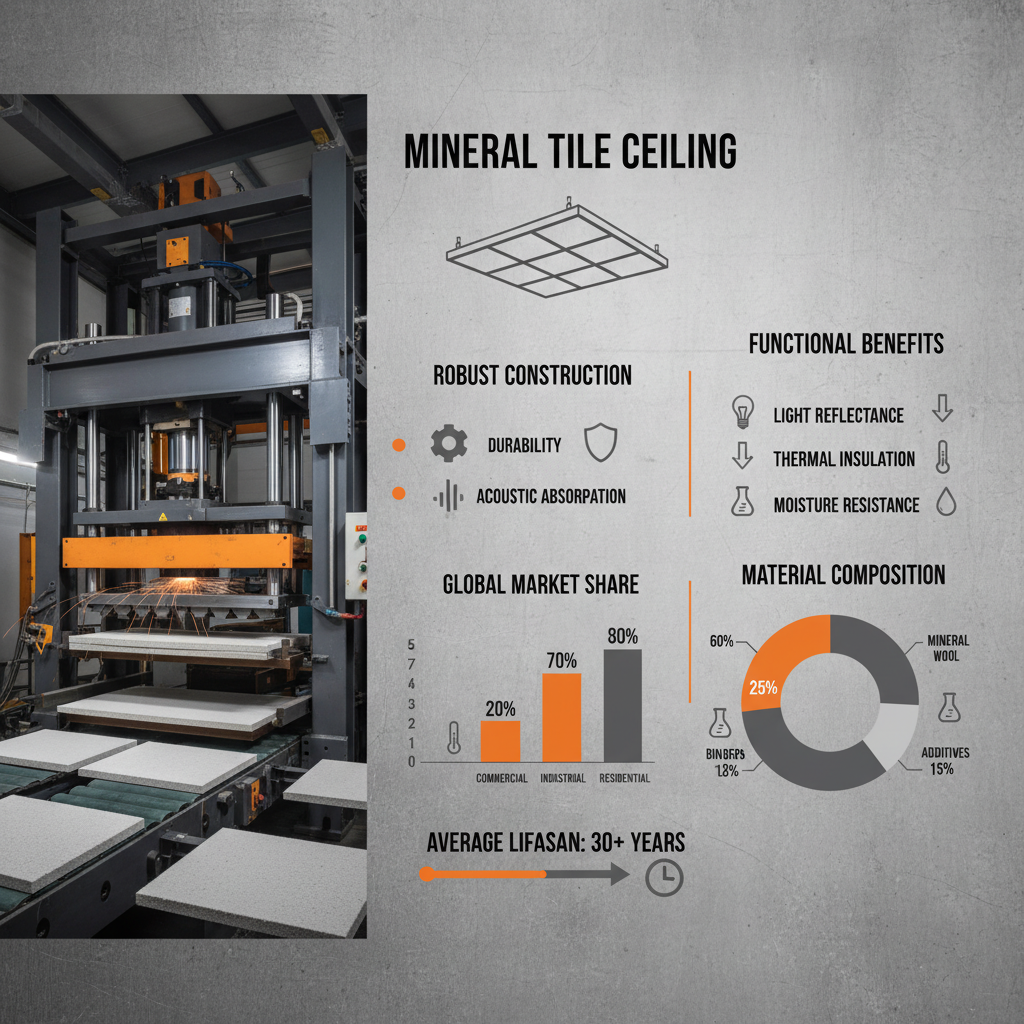
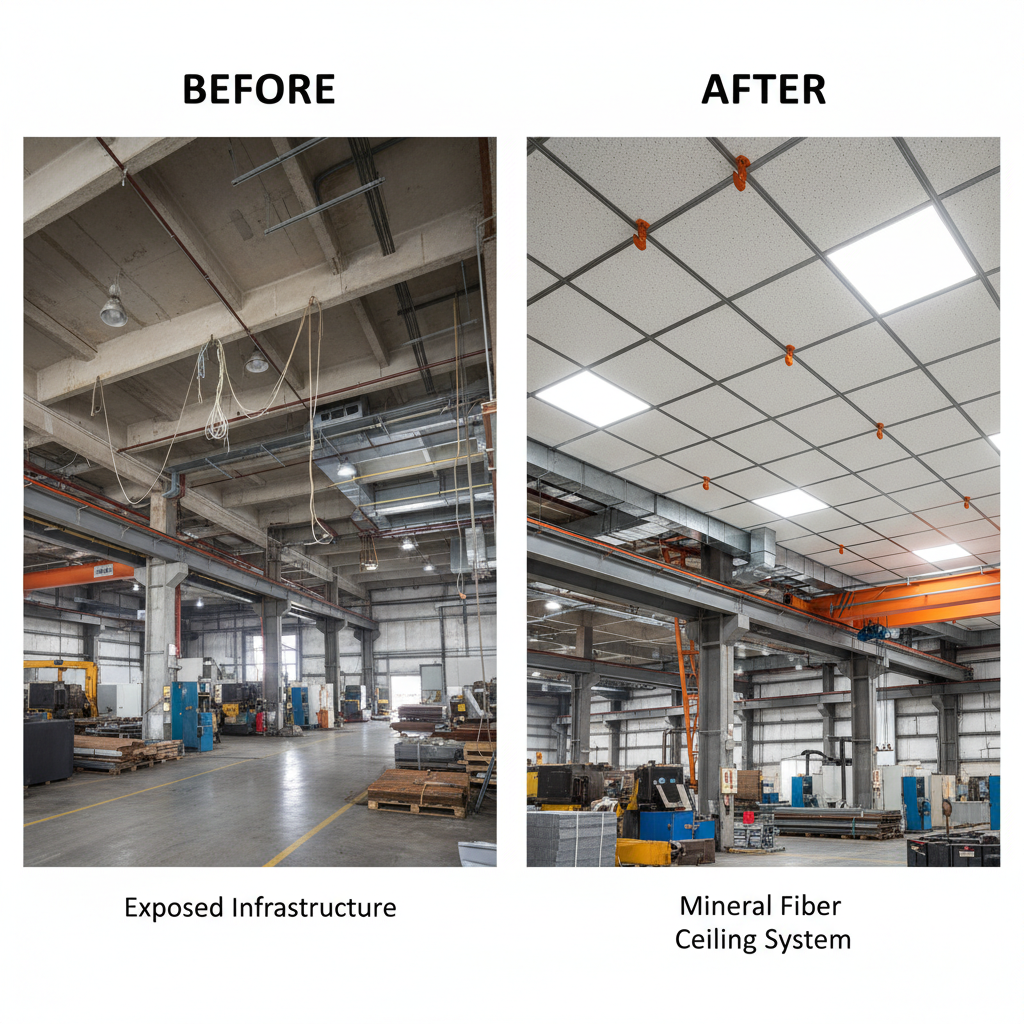
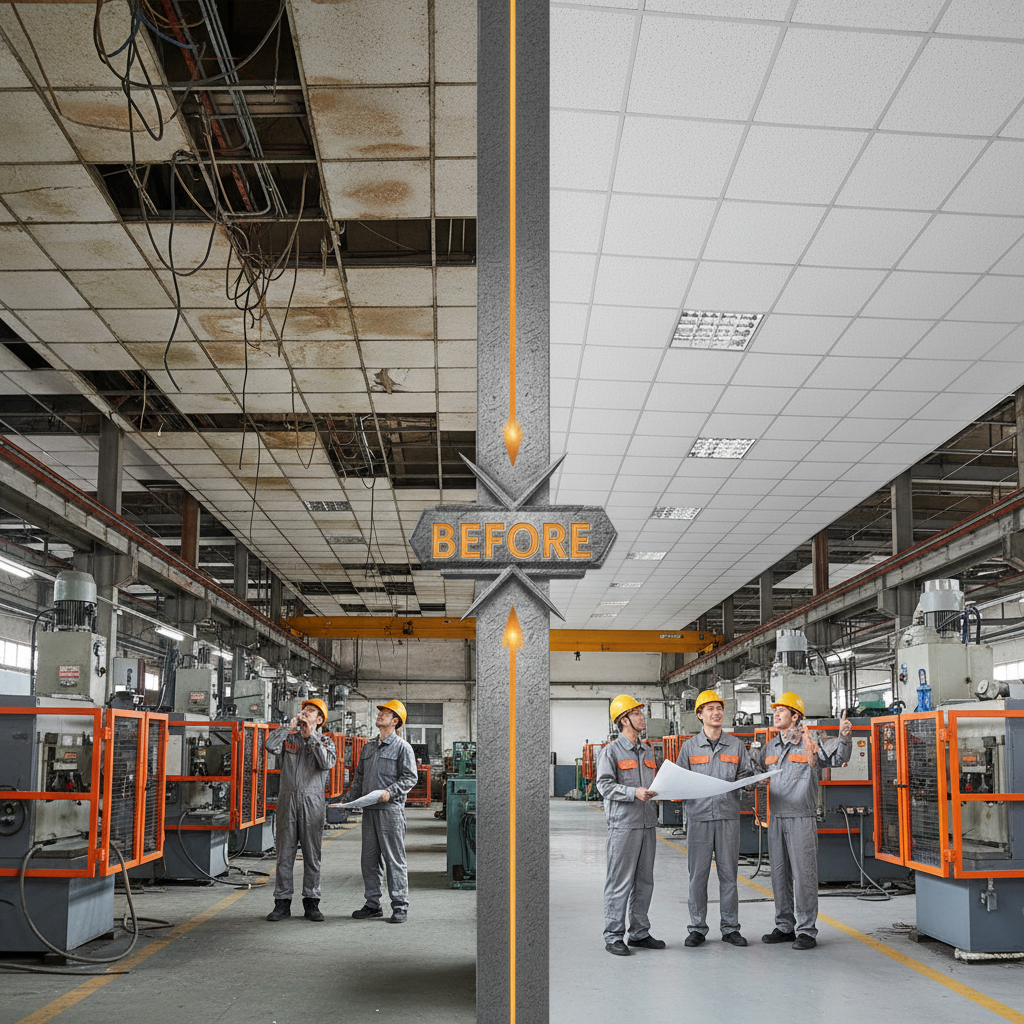
Mineral tile ceilings represent a cornerstone of modern interior design, offering a versatile and cost-effective solution for commercial, institutional, and residential spaces. Their widespread adoption stems from a unique combination of acoustic performance, aesthetic flexibility, and ease of installation. Understanding the nuances of mineral tile ceiling systems is crucial for architects, contractors, and building owners seeking optimal interior environments. This knowledge empowers informed decision-making, leading to spaces that are not only visually appealing but also functionally superior.
Globally, the demand for sustainable and high-performing building materials is surging. Mineral tile ceilings directly address this need, often incorporating recycled content and contributing to LEED certification points. The construction industry is increasingly focused on creating healthy indoor environments, and mineral tiles play a significant role in mitigating noise pollution and improving air quality. With growing urbanization and a focus on occupant well-being, the relevance of mineral tile ceiling solutions will only continue to escalate.
The benefits of utilizing mineral tile ceilings extend beyond mere aesthetics. They provide critical fire protection, enhance thermal performance, and offer a relatively simple pathway to upgrading a space’s acoustic properties. In essence, mineral tile ceilings are a practical investment that delivers long-term value and positively impacts the overall building experience.
Introduction to Mineral Tile Ceilings
Mineral tile ceilings have become ubiquitous in modern construction due to their blend of practicality and aesthetic appeal. These systems consist of lightweight tiles, typically made from mineral wool, fiberglass, or a combination of both, suspended below the structural ceiling. This creates a suspended ceiling plane offering a range of functional benefits, from acoustic control to concealing mechanical systems.
The versatility of mineral tile ceiling solutions allows for diverse design options, accommodating various lighting fixtures, air diffusers, and sprinkler systems. Their relatively low cost compared to other ceiling finishes makes them an attractive option for large-scale projects, and their ease of maintenance contributes to reduced lifecycle costs.
Defining Mineral Tile Ceiling Systems
A mineral tile ceiling is a secondary ceiling suspended below the main structural ceiling. It is comprised of individual tiles, usually square, which are installed within a grid system of metal tees. The grid system provides support for the tiles and allows for easy access to the plenum space above for maintenance or modifications.
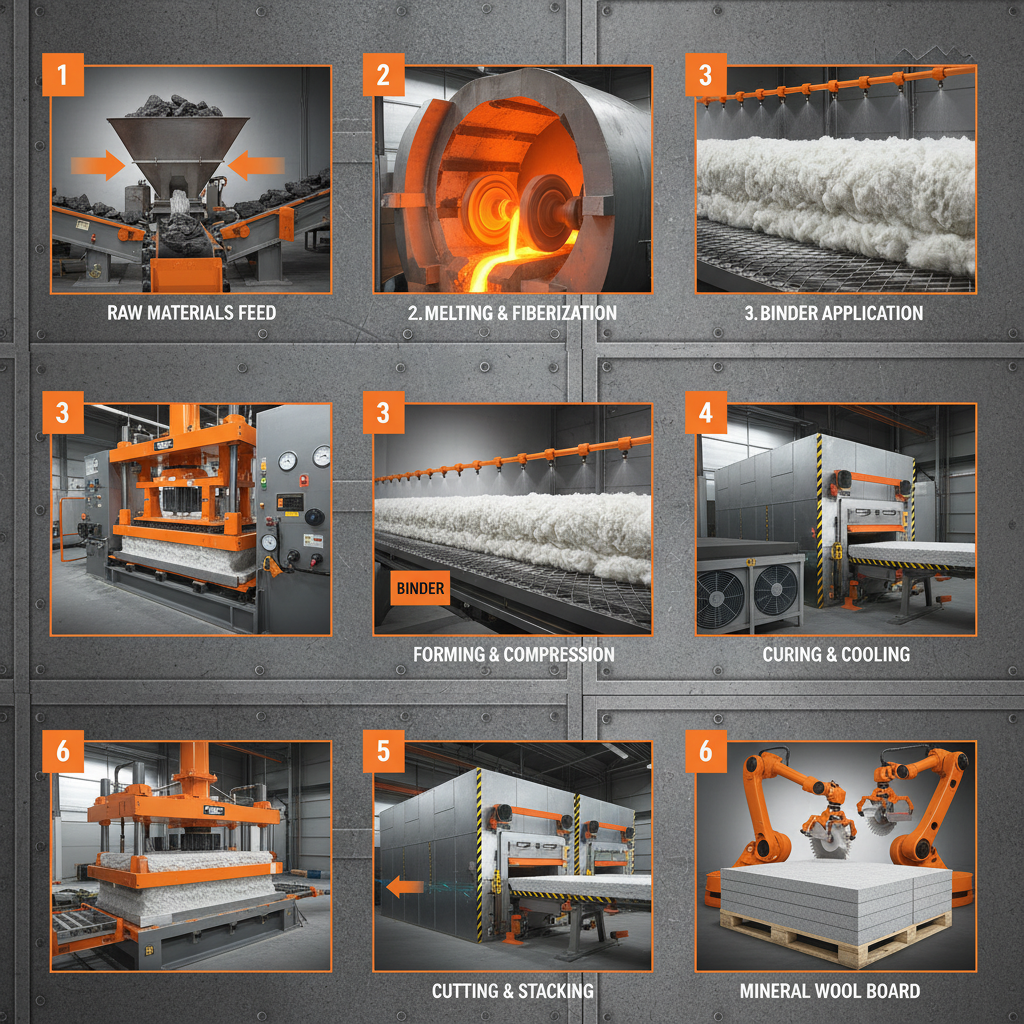
The core material of these tiles is often mineral wool, a fibrous material derived from molten rock or slag. This composition imparts excellent acoustic properties, fire resistance, and thermal insulation. Variations exist using fiberglass, or combinations of mineral wool and fiberglass to cater to different performance requirements and budget constraints.
Understanding the core components – the tiles themselves, the suspension grid, and the associated hardware – is fundamental to appreciating the functionality and potential of mineral tile ceiling systems within the broader context of building construction.
Core Components of Mineral Tile Ceilings
The fundamental components of a mineral tile ceiling system are the tiles themselves, the suspension grid, hangers, and wall angles. The tiles, varying in size and composition, provide the visible ceiling surface. The suspension grid, typically made of galvanized steel, forms the structural framework that supports the tiles. Hangers, attached to the building's structure, suspend the grid, and wall angles create a perimeter support for the system.
Material selection significantly impacts performance. Mineral wool tiles excel in acoustic absorption and fire resistance, while fiberglass options offer a balance of cost and performance. The gauge of the suspension grid influences its load-bearing capacity and durability. Careful consideration of these components ensures a system that meets the specific demands of the application.
Beyond these core elements, ancillary components like lighting fixtures, diffusers, and sprinkler heads are integrated into the system. Proper integration requires careful planning to maintain the ceiling’s acoustic and fire-rated performance. mineral tile ceiling systems are designed to accommodate these integrations seamlessly.
Key Performance Indicators of Mineral Tile Ceilings
Evaluating a mineral tile ceiling requires assessing several key performance indicators. Acoustic performance, measured by the Noise Reduction Coefficient (NRC) and Ceiling Attenuation Class (CAC), determines the system’s ability to absorb and block sound. Fire resistance, quantified by the Flame Spread and Smoke Developed indices, is critical for safety.
Other important factors include sag resistance, moisture resistance, and light reflectance. Sag resistance ensures the ceiling maintains a level appearance over time, while moisture resistance prevents damage in humid environments. Light reflectance impacts the brightness and energy efficiency of the space.
Mineral Tile Ceiling Performance Comparison
Global Applications and Use Cases
Mineral tile ceiling systems are deployed across a wide spectrum of applications globally. Common installations include offices, schools, hospitals, retail spaces, and airports. In educational facilities, they are valued for their acoustic properties, which enhance learning environments. In healthcare settings, their hygienic surfaces and ease of cleaning are paramount.
In post-disaster relief operations, rapidly deployable mineral tile ceiling solutions can provide immediate shelter and improved living conditions. Remote industrial zones often utilize them for their durability and ease of installation. They are also frequently found in data centers to manage temperature and noise levels.
Advantages and Long-Term Value
The advantages of mineral tile ceilings are multifaceted. They deliver significant cost savings through reduced energy consumption due to improved thermal insulation and decreased noise pollution, enhancing productivity. The longevity and durability of these systems translate to lower maintenance and replacement costs over time.
From a sustainability perspective, many mineral tile ceilings incorporate recycled content, minimizing their environmental impact. Their contribution to indoor environmental quality – through acoustic control and air purification – promotes occupant well-being and fosters a more positive and productive atmosphere.
Future Trends and Innovations in Mineral Tile Ceiling Technology
The future of mineral tile ceiling technology is focused on enhancing performance and sustainability. Emerging trends include the development of tiles with increased recycled content, improved acoustic absorption coefficients, and integrated smart technologies like sensors for monitoring air quality and occupancy levels.
Advancements in digital manufacturing techniques are enabling the creation of customized tile designs and complex geometries. Integration with building information modeling (BIM) is streamlining the design and installation process. Increased emphasis on bio-based materials and circular economy principles will drive further innovation in this field.
The convergence of smart building technologies and ceiling systems presents a compelling opportunity to create more responsive and efficient indoor environments. Future mineral tile ceilings will likely play a key role in realizing the full potential of the intelligent building.
FAQS
Mineral tile ceilings are excellent at absorbing sound, reducing reverberation and noise levels within a space. This is due to the porous structure of the mineral wool or fiberglass material. Higher NRC (Noise Reduction Coefficient) ratings indicate better sound absorption. They significantly improve speech intelligibility and reduce distractions, creating more comfortable and productive environments.
Mineral tile ceilings offer substantial fire resistance. They are typically classified based on their Flame Spread and Smoke Developed indices. Most mineral tile ceilings meet or exceed building code requirements for fire safety, providing valuable time for evacuation in the event of a fire. The mineral composition doesn't readily combust, hindering flame propagation.
Certain mineral tile ceilings are designed for use in high-humidity environments. These tiles often have a moisture-resistant backing or coating that prevents water absorption and sagging. It's crucial to select a tile specifically rated for humid conditions to ensure long-term performance and prevent mold growth.
Yes, many mineral tile ceilings are considered environmentally friendly. They often contain a high percentage of recycled content, reducing the demand for virgin materials. The manufacturing process can also be energy-efficient. Additionally, their contribution to energy savings through improved thermal insulation further enhances their sustainability profile.
Mineral tile ceilings are relatively easy to install and replace, particularly compared to other ceiling systems. The grid system allows for quick and convenient access to individual tiles. Replacing a damaged tile typically involves simply lifting it out of the grid and inserting a new one. Professional installation is recommended for optimal results and safety.
The lifespan of a mineral tile ceiling can vary depending on the quality of the materials, the environmental conditions, and the level of maintenance. However, a well-maintained mineral tile ceiling typically lasts for 20-30 years. Regular cleaning and addressing any water damage promptly can extend its lifespan considerably.
Conclusion
In conclusion, mineral tile ceilings represent a compelling solution for a wide range of interior environments. Their blend of acoustic performance, fire resistance, cost-effectiveness, and sustainability makes them a preferred choice for architects, contractors, and building owners globally. Understanding the key components, performance indicators, and emerging trends is crucial for maximizing the value of these systems.
As building design continues to prioritize occupant well-being and environmental responsibility, the role of mineral tile ceiling solutions will only become more prominent. Investing in quality mineral tile ceilings is a strategic decision that delivers long-term benefits, enhancing both the functionality and aesthetics of any space. Visit our website at www.xingyuanceilings.com to explore our range of products and learn more about how we can help you achieve your project goals.