
123-67
0%

Table of Contents

Mineral fibre suspended ceiling tiles are a widely utilized building material globally, playing a crucial role in interior design and acoustic management. Their versatility stems from a blend of fire resistance, sound absorption, and aesthetic appeal. These tiles aren't merely a finishing touch; they contribute significantly to building safety, occupant comfort, and energy efficiency, making them indispensable in modern construction practices.

The demand for mineral fibre suspended ceiling tiles is intrinsically linked to urbanization and the growth of commercial and institutional buildings worldwide. According to data from the United Nations, over half of the world’s population now lives in urban areas, driving the need for efficient and safe building solutions. Furthermore, ISO standards prioritize indoor environmental quality, creating a strong market for materials like mineral fibre tiles that address concerns around acoustics and air quality.

Understanding the benefits of these tiles – from enhanced fire safety to improved sound control – is vital for architects, building owners, and facility managers. The continued development and adoption of more sustainable manufacturing processes further enhance their appeal, addressing the increasing global focus on environmental responsibility. mineral fibre suspended ceiling tiles are increasingly becoming a cornerstone of modern, responsible construction.
Explore the Benefits of Mineral Fibre Suspended Ceiling Tiles for Modern Buildings

Introduction to Mineral Fibre Ceiling Tiles

Explore the Benefits of Mineral Fibre Suspended Ceiling Tiles for Modern Buildings

Mineral fibre suspended ceiling tiles represent a significant advancement in interior building systems. Initially developed for their exceptional fire-resistant properties, they’ve evolved to offer a comprehensive range of benefits, including acoustic control and thermal performance. mineral fibre suspended ceiling tiles are frequently specified in projects requiring stringent safety standards and a comfortable indoor environment.

These tiles aren’t simply an aesthetic choice; they are a functional component of a building's overall performance. Their ability to absorb sound significantly reduces noise levels, creating more productive and pleasant spaces. Furthermore, the inherent thermal properties can contribute to energy savings by reducing the load on heating and cooling systems.

Defining Mineral Fibre Suspended Ceiling Tiles

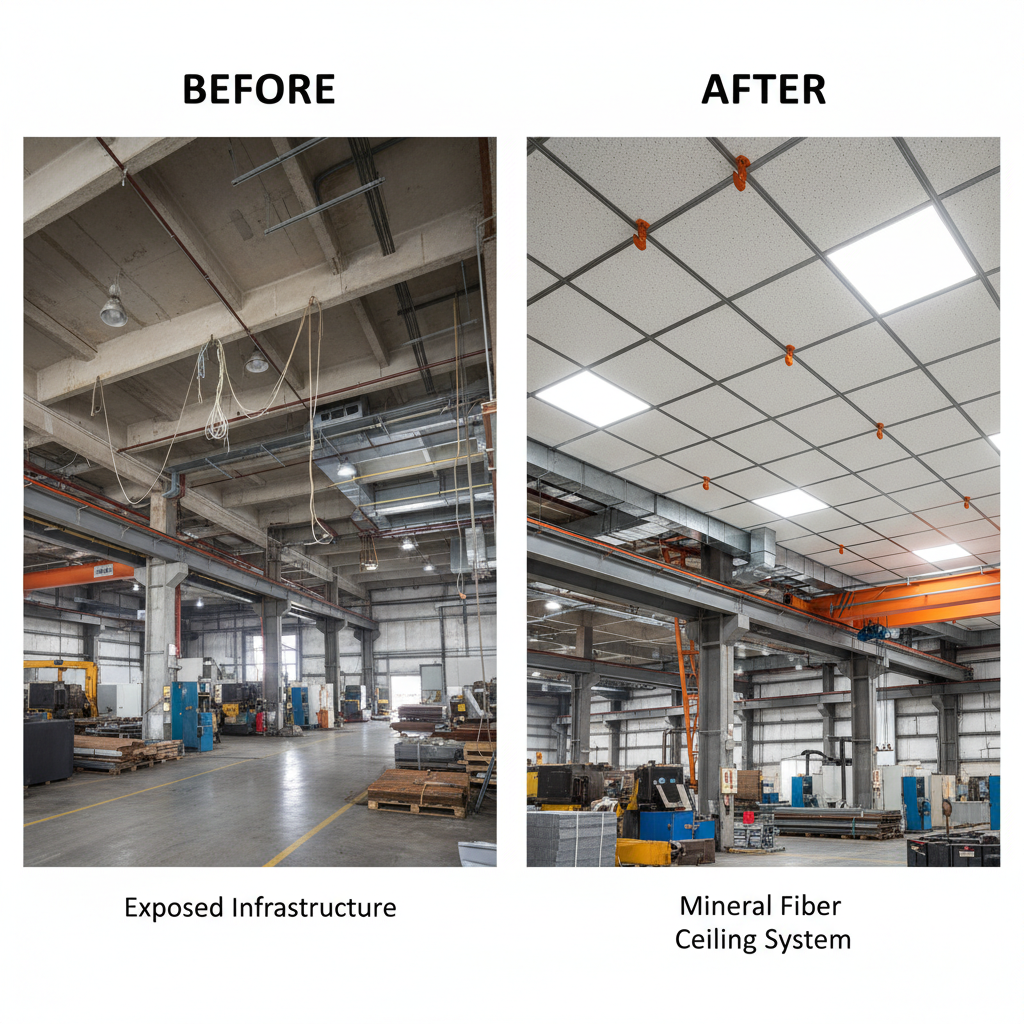
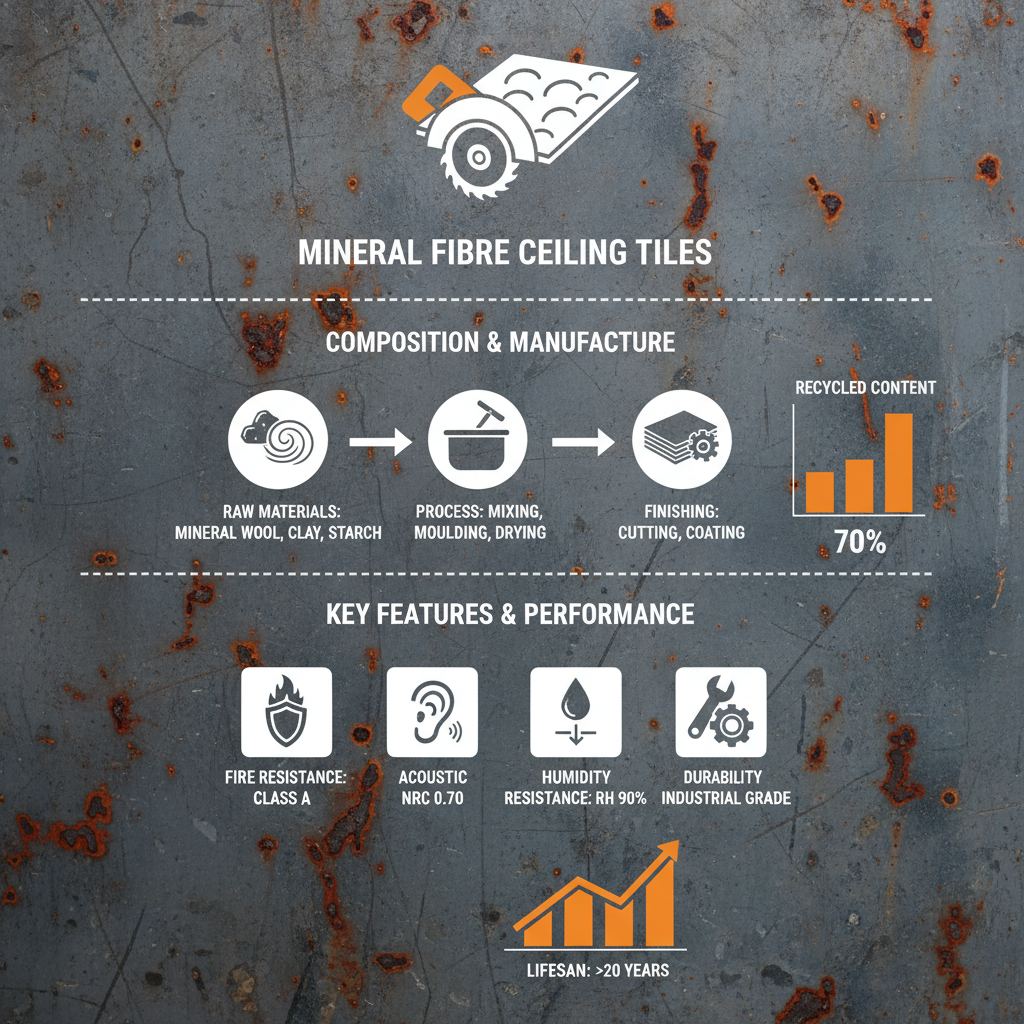
Mineral fibre suspended ceiling tiles are manufactured from a combination of mineral wool (typically slag wool, rock wool, or glass wool), binders, and various additives. This composition is then pressed into tiles of various sizes and textures, often finished with a painted or coated surface. These tiles are designed to be installed within a suspended ceiling grid, creating a lowered ceiling surface below the structural slab.

This construction method provides accessibility to the space above the ceiling for utilities like HVAC systems, lighting, and plumbing. The use of mineral fibre offers a key advantage over older ceiling materials, like asbestos, by providing a safer and more environmentally responsible alternative.

Their connection to modern industry is profound; they’re integral to the construction of offices, schools, hospitals, and public buildings. Addressing humanitarian needs, they provide safe, comfortable, and acoustically controlled environments in settings ranging from emergency shelters to community centers.

Core Properties and Characteristics

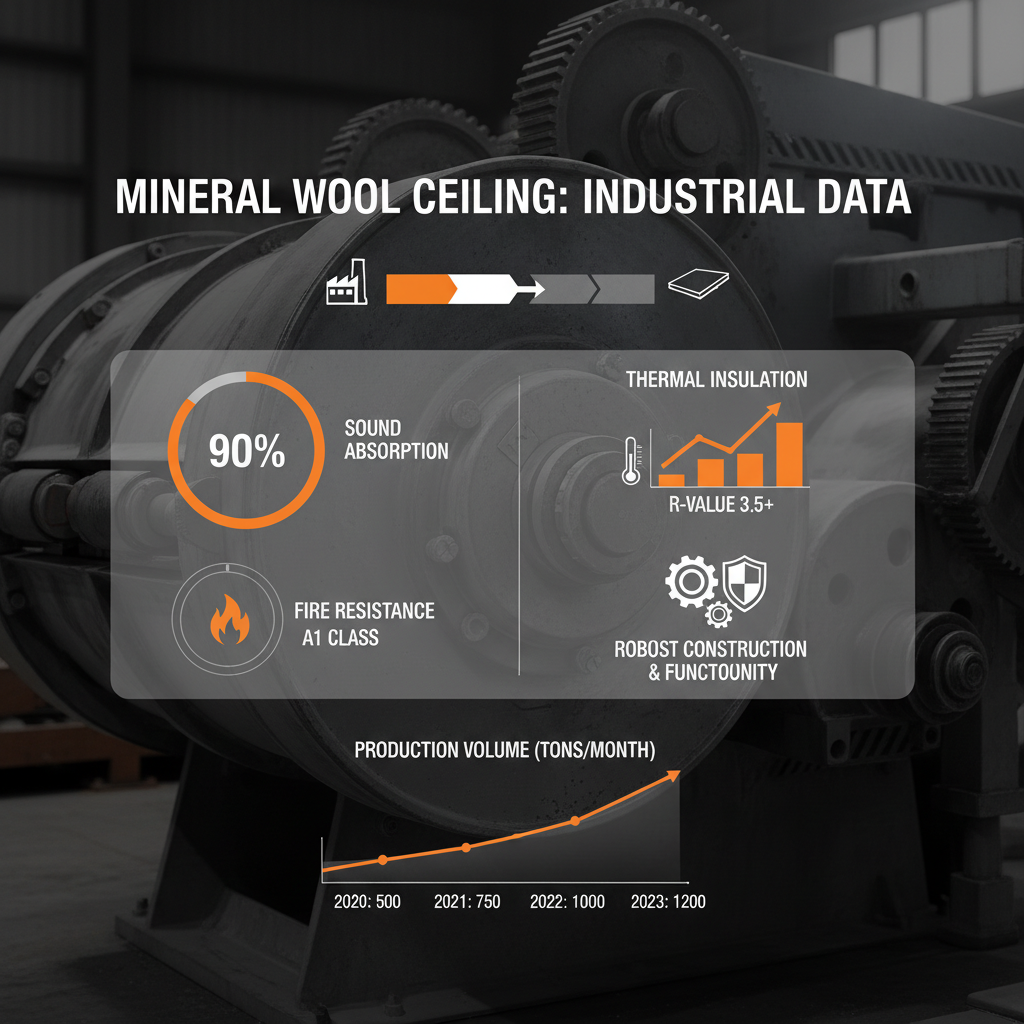
The key properties of mineral fibre suspended ceiling tiles stem from their unique composition. Mineral wool provides inherent fire resistance, preventing the spread of flames and minimizing smoke generation. This makes them a critical safety feature in buildings where fire protection is paramount.

Acoustic performance is another defining characteristic. The porous structure of mineral fibre effectively absorbs sound waves, reducing reverberation and noise levels. This is crucial for creating comfortable and productive environments in offices, classrooms, and healthcare facilities. Different tile densities and surface textures influence the Noise Reduction Coefficient (NRC), allowing for tailored acoustic solutions.

Beyond safety and acoustics, mineral fibre tiles offer good thermal insulation, contributing to energy efficiency. They are also relatively lightweight, simplifying installation and reducing the load on building structures. Furthermore, many manufacturers offer tiles with high recycled content, supporting sustainable building practices.

Key Performance Indicators

Evaluating mineral fibre suspended ceiling tiles requires consideration of several key performance indicators. Fire resistance, measured by ASTM E84 and similar standards, is paramount, defining the tile's ability to limit flame spread and smoke development.

Acoustic performance, quantified by the NRC (Noise Reduction Coefficient) and CAC (Ceiling Attenuation Class), dictates the tile's effectiveness in absorbing and blocking sound. Higher NRC values indicate better sound absorption, while higher CAC values indicate better sound isolation.

Mineral Fibre Ceiling Tile Performance Comparison


Global Applications and Industries Served

Mineral fibre suspended ceiling tiles find widespread application across numerous industries globally. In the commercial sector, they are a staple in office buildings, retail spaces, and hotels, providing aesthetic appeal, acoustic comfort, and fire safety.

Educational institutions – schools, colleges, and universities – heavily rely on these tiles to create conducive learning environments by minimizing noise distractions. Healthcare facilities utilize them for their hygienic properties and sound absorption capabilities, fostering a calming and therapeutic atmosphere.

Benefits and Long-Term Value Proposition

The benefits of installing mineral fibre suspended ceiling tiles extend beyond immediate performance characteristics. Their durability and longevity contribute to long-term cost savings by reducing the need for frequent replacements. Their contribution to energy efficiency, through thermal insulation, translates to lower utility bills.

From a sustainability perspective, the increasing availability of tiles with high recycled content aligns with green building initiatives and reduces environmental impact. The improved indoor environmental quality, through enhanced acoustics and air purification, boosts occupant well-being and productivity, fostering a safer, healthier, and more comfortable environment. mineral fibre suspended ceiling tiles represent a solid, long-term investment in building performance and occupant satisfaction.

These tiles foster a sense of well-being, offering both functional and aesthetic benefits that contribute to the overall value of any space.

Future Trends and Innovations

The future of mineral fibre suspended ceiling tiles is focused on enhanced sustainability and smart technology integration. Research and development are concentrating on increasing the percentage of recycled content in tile manufacturing, reducing the carbon footprint of production processes.

Integration with building management systems is also emerging, with tiles potentially incorporating sensors for monitoring air quality, temperature, and humidity. Furthermore, advancements in surface coatings are leading to tiles with improved antimicrobial properties and self-cleaning capabilities.

The pursuit of innovative designs and textures will continue to drive aesthetic choices, while maintaining the core benefits of fire resistance, acoustic performance, and energy efficiency.

FAQS

What is the fire rating of typical mineral fibre ceiling tiles?

Most mineral fibre ceiling tiles achieve a Class A fire rating according to ASTM E84, meaning they have a flame spread index of 0-25 and a smoke-developed index of 50 or less. This signifies excellent fire resistance, crucial for safety in commercial and institutional buildings. Specific ratings may vary between manufacturers and product lines, so always consult the product data sheet.

How do mineral fibre tiles compare to other ceiling tile materials in terms of acoustics?

Mineral fibre tiles generally offer superior acoustic performance compared to materials like gypsum or metal. Their porous structure effectively absorbs sound waves, resulting in higher Noise Reduction Coefficients (NRC). While other materials can be treated for sound absorption, mineral fibre inherently provides excellent acoustic control without additional processing.

Are mineral fibre ceiling tiles moisture resistant?

Standard mineral fibre tiles are susceptible to damage from prolonged exposure to high humidity. However, many manufacturers offer moisture-resistant versions specifically designed for areas with higher humidity levels, like bathrooms or kitchens. These tiles are treated with water-repellent coatings or incorporate hydrophobic additives.

What is the typical lifespan of a mineral fibre suspended ceiling?

With proper installation and maintenance, a mineral fibre suspended ceiling can last for 20-30 years or more. Regular cleaning and avoiding direct impact can extend its lifespan. However, factors like humidity, temperature fluctuations, and environmental pollutants can affect longevity.

How environmentally friendly are mineral fibre ceiling tiles?

Mineral fibre tiles can be quite environmentally friendly, especially those with a high recycled content. Many manufacturers use post-consumer recycled materials in their production processes. They are also recyclable at the end of their lifespan, reducing landfill waste. Choosing tiles with Environmental Product Declarations (EPDs) provides transparency regarding their environmental impact.

What is the process of installing mineral fibre ceiling tiles?

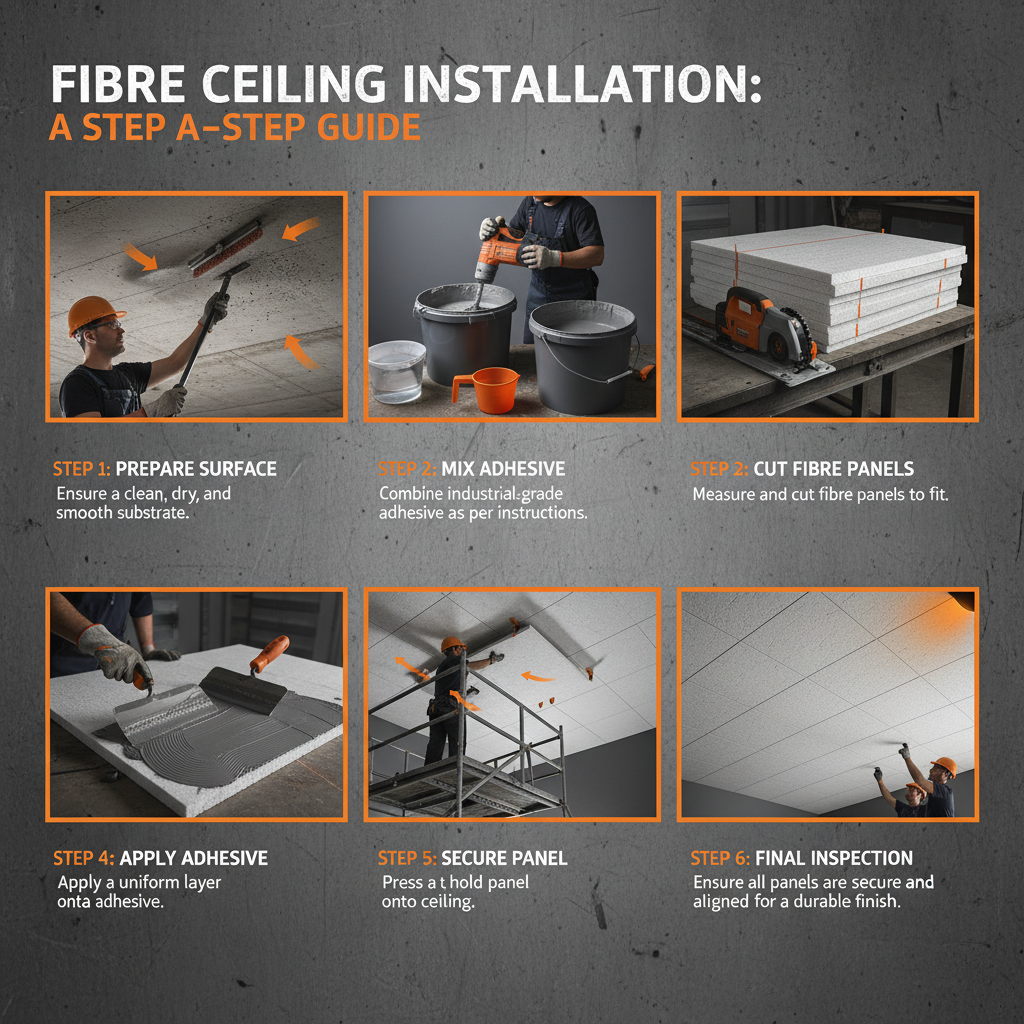
Installation typically involves suspending a metal grid from the existing ceiling structure, and then dropping the tiles into the grid. This allows for easy access to the space above for maintenance. Professional installation is recommended to ensure proper alignment, secure grid placement, and optimal performance. The grid system chosen must be compatible with the tile’s weight and dimensions.

Conclusion

In conclusion, mineral fibre suspended ceiling tiles offer a compelling combination of safety, acoustic performance, aesthetic versatility, and sustainability. Their widespread adoption across diverse industries highlights their importance in creating comfortable, functional, and safe built environments. They are not simply a ceiling finish; they're an integral part of modern building design, contributing to occupant well-being and long-term building performance.

Looking ahead, continued innovation in material science and manufacturing processes will further enhance their environmental credentials and performance characteristics. By embracing sustainable practices and integrating smart technologies, mineral fibre ceiling tiles will continue to play a vital role in shaping the future of interior building systems. For high-quality mineral fibre suspended ceiling tiles, explore our product range today.

Christopher Wilson

Christopher Wilson

Christopher Wilson is a Project Engineer at Xingyuan Decorative Materials, specializing in product development and application. He has a strong engineering background with an emphasis on acoustic performance of building materials. Christopher focuses on refining the manufacturing process of Xingyuan's mineral wool sound-absorbing boards and exploring new product innovations. He
Previous Exploring the Versatility and Benefits of Mineral Tile Ceiling Systems
Next Comprehensive Guide to Mineral Fibre Suspended Ceiling Systems and Applications

If you are interested in our products, you can choose to leave your information here, and we will be in touch with you shortly.