Fibre ceiling sheets are rapidly becoming a cornerstone of modern building design and infrastructure, offering a versatile and cost-effective solution for interior finishing. Their increasing adoption globally reflects a growing demand for sustainable, aesthetically pleasing, and high-performance building materials. Understanding the nuances of these sheets, from their composition to their applications, is crucial for architects, contractors, and homeowners alike.
The relevance of fibre ceiling sheets extends beyond mere aesthetics; they play a significant role in improving indoor air quality, enhancing acoustic performance, and contributing to energy efficiency. With global construction projected to reach \$15.4 trillion by 2025 (source: Construction Industry Development Association), the demand for innovative and sustainable materials like fibre ceiling sheets is poised for continued growth.
Addressing challenges in traditional ceiling materials – such as susceptibility to moisture, limited design flexibility, and high installation costs – fibre ceiling sheets provide a durable, adaptable, and efficient alternative. They represent a shift towards smarter building practices, enabling faster project completion and reduced lifecycle costs.
Introduction to Fibre Ceiling Sheets
Fibre ceiling sheets represent a significant advancement in interior building materials, combining the strength of natural or synthetic fibres with binding agents to create lightweight, durable, and versatile panels. These sheets are increasingly favoured over traditional gypsum or mineral fibre boards due to their superior performance characteristics.
Their adaptability makes them suitable for a wide range of applications, from commercial office spaces and retail environments to residential homes and healthcare facilities. The growing awareness of sustainable construction practices further drives the demand for these eco-friendly alternatives.
Defining Fibre Ceiling Sheets
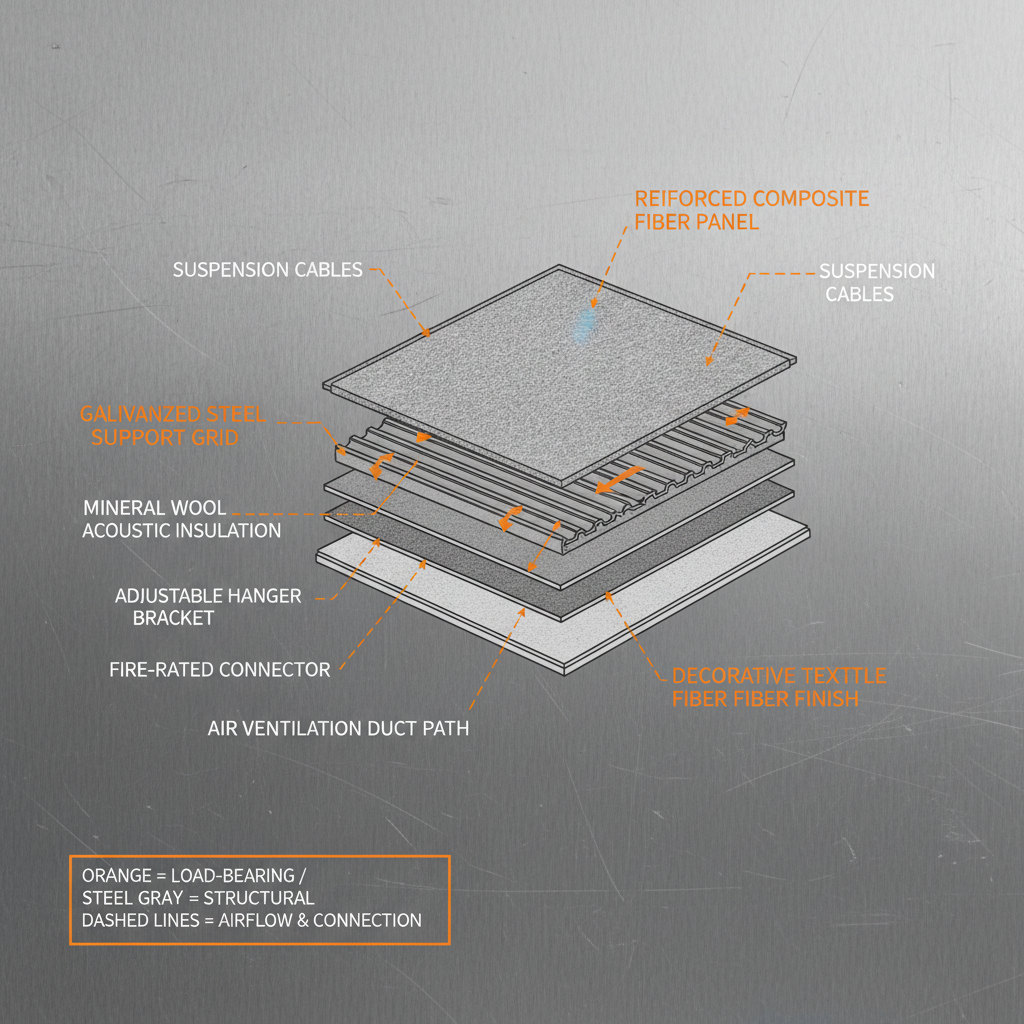
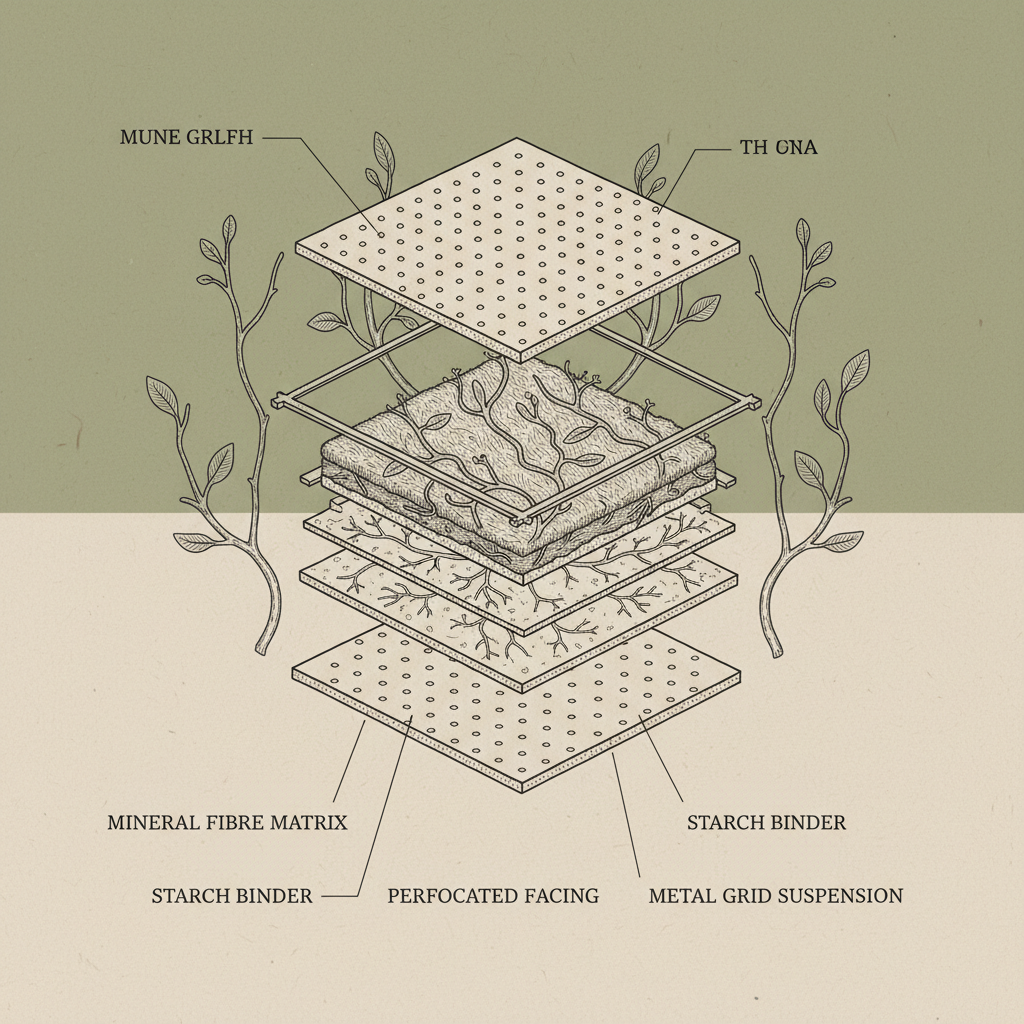
Fibre ceiling sheets are engineered building materials crafted from a blend of various fibres – often cellulose, mineral wool, glass fibre, or even recycled materials – suspended in a binding matrix. This composition results in a product that is significantly lighter than traditional ceiling boards while maintaining remarkable strength and dimensional stability.
They are generally available in a range of sizes, thicknesses, and finishes, allowing for design flexibility and customization. The sheets are commonly installed on suspended grid systems or directly to the building structure, depending on the specific application and design requirements.
Their connection to modern industry is rooted in the need for efficient, sustainable, and high-performing building solutions. They directly address the growing demand for materials that contribute to LEED certification and other green building standards.
Key Characteristics of Fibre Ceiling Sheets
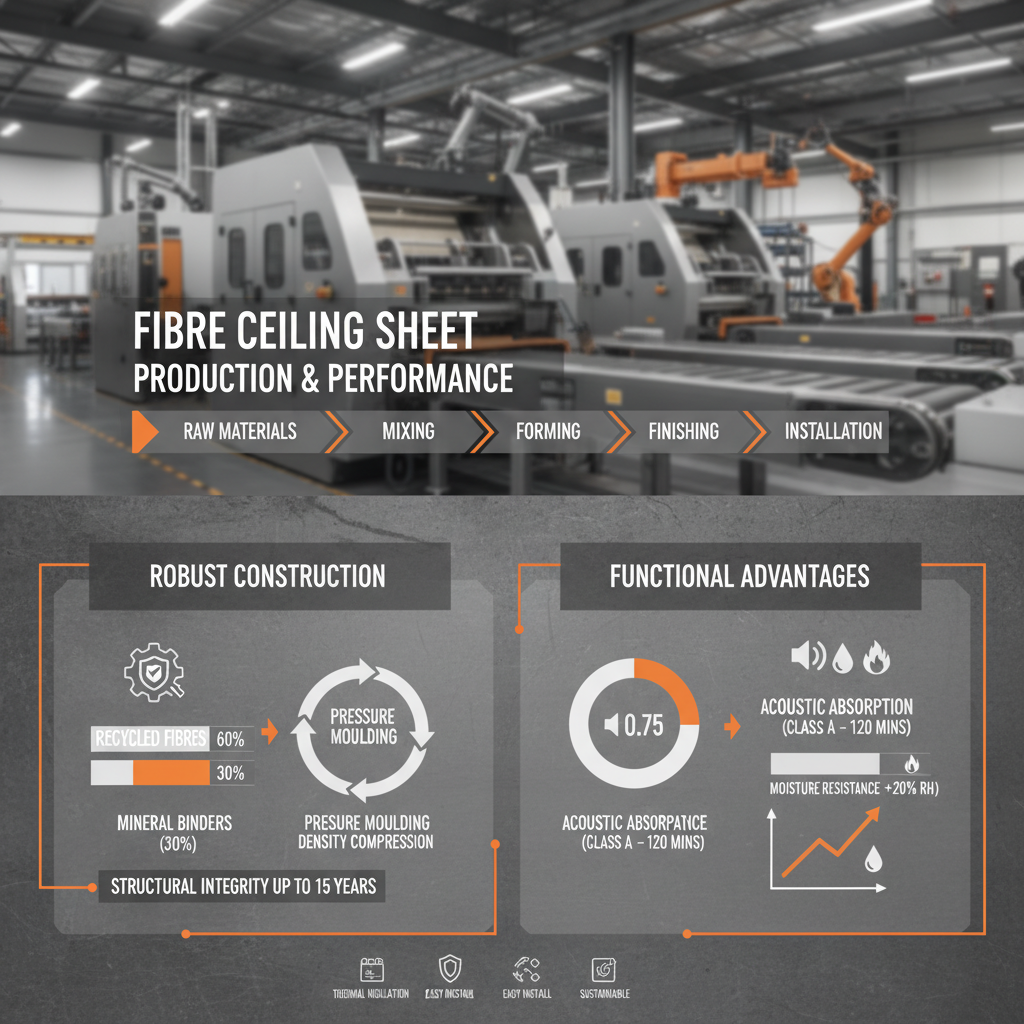
One of the most defining characteristics of fibre ceiling sheets is their acoustic performance. The fibrous structure effectively absorbs sound waves, reducing noise levels and creating more comfortable interior environments. This is particularly important in spaces where sound control is critical, such as offices, classrooms, and recording studios.
Durability is another key factor. Fibre ceiling sheets are resistant to sagging, cracking, and warping, even in environments with high humidity or temperature fluctuations. They also exhibit excellent fire resistance, providing an added layer of safety for building occupants.
Furthermore, their lightweight nature simplifies installation, reducing labor costs and project timelines. The inherent flexibility of the material allows for easy cutting and shaping, accommodating complex design features and irregular spaces. The range of available finishes also allows for aesthetic customization.
Practical Applications and Use Cases
Fibre ceiling sheets find widespread application in commercial buildings, including office spaces, retail stores, and hospitality venues. They create visually appealing and acoustically comfortable environments for employees and customers. In healthcare facilities, their hygienic properties and ease of cleaning make them an ideal choice for operating rooms and patient care areas.
Educational institutions also benefit from their noise reduction capabilities, creating better learning environments for students and teachers. Residential applications include living rooms, bedrooms, and home theaters, where aesthetic appeal and acoustic comfort are paramount.
Acoustic Performance of Different Fibre Ceiling Sheet Methods
Global Implementation and Industry Benefits
The adoption of fibre ceiling sheets is particularly strong in regions with stringent building codes and a focus on sustainability, such as Europe and North America. However, their use is rapidly expanding in emerging markets across Asia, Africa, and South America, driven by the need for affordable and efficient building solutions.
The benefits extend beyond individual projects. The manufacturing of fibre ceiling sheets supports local economies by creating jobs and fostering innovation. Furthermore, the use of recycled materials in their production reduces landfill waste and promotes a circular economy.
Advantages and Long-Term Value Proposition
Beyond the immediate benefits of improved acoustics, fire resistance, and ease of installation, fibre ceiling sheets offer a compelling long-term value proposition. Their durability reduces the need for frequent replacements, lowering lifecycle costs. Their lightweight nature minimizes structural support requirements, potentially reducing construction expenses.
From a sustainability perspective, their low environmental impact and potential for recyclability contribute to greener building practices. This appeals to environmentally conscious clients and aligns with increasingly stringent sustainability regulations. The enhanced aesthetic qualities also increase property values.
The inherent stability of these sheets delivers peace of mind to building owners and occupants, ensuring a safe and comfortable environment for years to come, fostering trust and reliability in construction projects.
Future Trends and Innovation in Fibre Ceiling Sheets
Ongoing research and development efforts are focused on enhancing the performance and sustainability of fibre ceiling sheets. Innovations include the incorporation of bio-based fibres, such as hemp and bamboo, to further reduce their environmental footprint.
Digital fabrication techniques, such as 3D printing, are being explored to create customized ceiling designs with greater precision and efficiency. Integration with smart building technologies, such as sensors for monitoring air quality and lighting, is also on the horizon.
The future of fibre ceiling sheets is intertwined with the broader trends of green building, digital transformation, and the circular economy. These advancements will undoubtedly position fibre ceiling sheets as an even more essential component of sustainable and intelligent building design.
Summary of Key Factors Influencing Fibre Ceiling Sheet Selection
| Material Composition |
Acoustic Performance (NRC) |
Fire Resistance Rating |
Installation Complexity (1-10) |
| Mineral Fibre |
0.70 |
Class A |
4 |
| Cellulose Fibre |
0.85 |
Class B |
3 |
| Glass Fibre |
0.65 |
Class A |
5 |
| Recycled Paper Fibre |
0.78 |
Class C |
2 |
| Wood Fibre |
0.60 |
Class B |
6 |
| Hemp Fibre |
0.90 |
Class A |
4 |
FAQs
Fibre ceiling sheets offer several advantages over gypsum boards, including superior acoustic performance, increased durability and resistance to moisture, lighter weight for easier installation, and a lower environmental impact due to the potential use of recycled materials. They also often exhibit improved fire resistance ratings and require less frequent replacement.
Yes, many fibre ceiling sheets are specifically designed for high-humidity environments. They are manufactured to resist moisture absorption and prevent the growth of mold and mildew. However, it’s crucial to select sheets with a moisture-resistant coating or core and to ensure proper ventilation in the space.
The lifespan of fibre ceiling sheets typically ranges from 20 to 50 years, depending on the quality of the materials, the installation method, and the environmental conditions. With proper maintenance and care, they can provide long-lasting performance and value, significantly exceeding the lifespan of some traditional ceiling materials.
Fibre ceiling sheets contribute to sustainability through several avenues. Many are made from recycled materials, reducing landfill waste. Their durability minimizes the need for frequent replacements, conserving resources. They also offer energy-saving benefits through improved insulation and acoustic performance, and some compositions boast lower carbon footprints.
Installation typically involves suspending the sheets from a metal grid system or directly attaching them to the building’s structure. Proper alignment and secure fastening are crucial for optimal performance. It's recommended to follow the manufacturer's instructions carefully and to use appropriate tools and safety equipment. Professional installation is often advised.
Fibre ceiling sheets are generally quite durable and resistant to everyday wear and tear. Cleaning typically involves dusting or wiping with a damp cloth and mild detergent. Avoid using abrasive cleaners or harsh chemicals, as these can damage the surface finish. Minor damages can often be repaired with patching compounds.
Conclusion
In conclusion, fibre ceiling sheets represent a compelling advancement in building materials, offering a unique blend of performance, sustainability, and cost-effectiveness. Their versatility makes them suitable for a wide range of applications, from commercial spaces to residential homes, while their eco-friendly attributes align with the growing demand for greener building practices.
Looking ahead, continued innovation in fibre technology and manufacturing processes promises even more impressive advancements in the field. Embracing fibre ceiling sheets is not merely a choice of materials, but an investment in a more sustainable, comfortable, and aesthetically pleasing built environment. For more information and to explore our range of fibre ceiling sheet products, visit our website: fibre ceiling sheets.