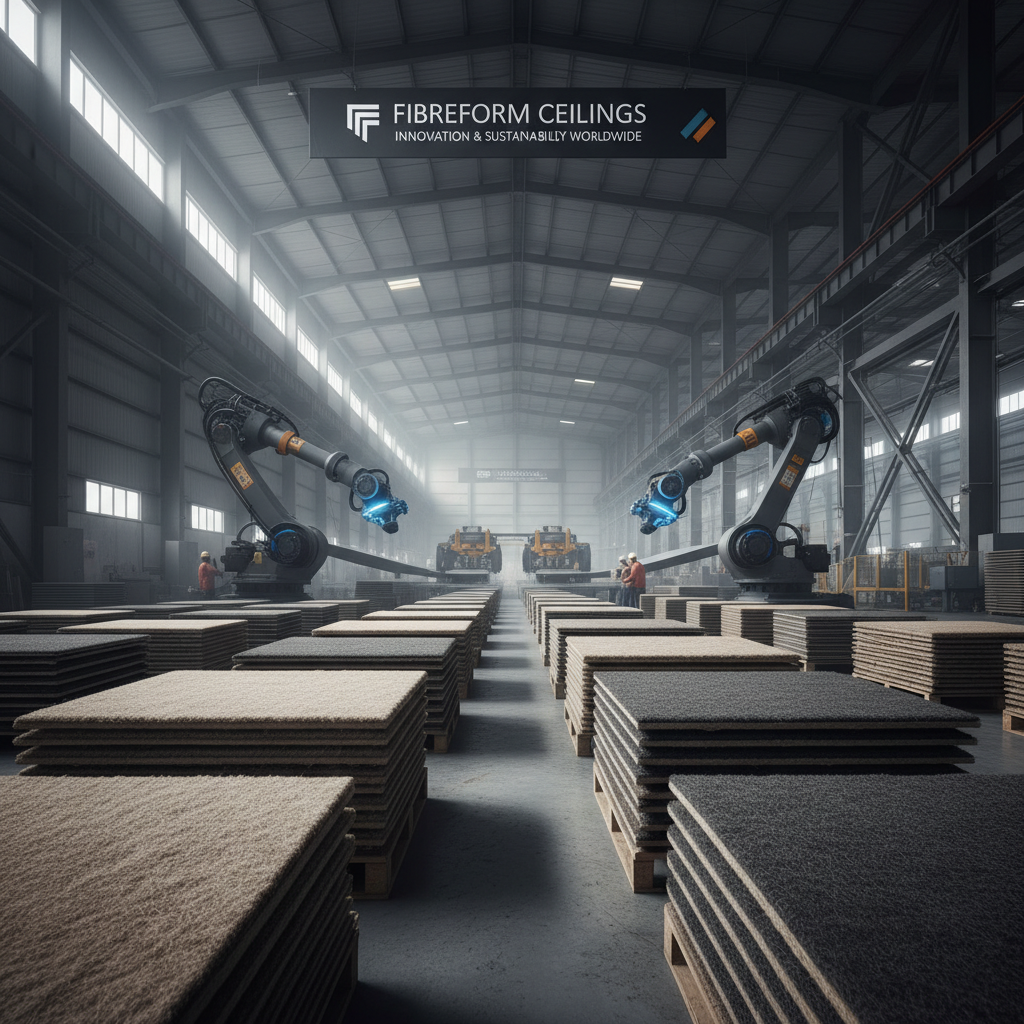
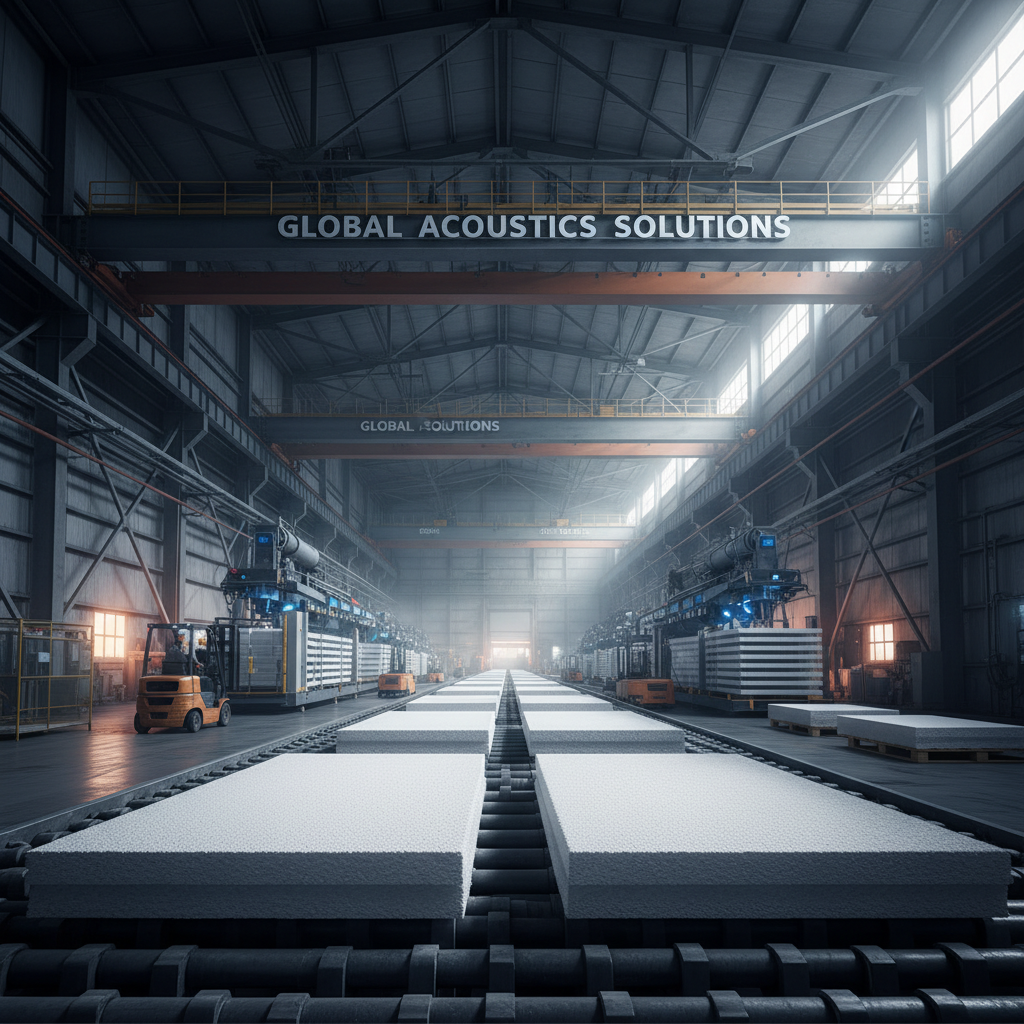
Fibre false ceiling materials are rapidly gaining prominence in modern construction and interior design due to their versatile properties and increasing demand for sustainable building solutions. These materials, encompassing a range of compositions including mineral wool, gypsum fibre, and cellulose, offer a cost-effective and aesthetically pleasing alternative to traditional ceiling finishes. Understanding their characteristics, applications, and future potential is crucial for architects, contractors, and homeowners alike.
Globally, the construction industry is facing mounting pressure to reduce its environmental footprint and adopt more energy-efficient practices. Fibre false ceiling materials directly address these concerns by providing excellent thermal and acoustic insulation, contributing to reduced energy consumption and improved indoor environmental quality. The United Nations Sustainable Development Goals (SDGs), particularly those relating to sustainable cities and communities (SDG 11), and responsible consumption and production (SDG 12), are increasingly driving the adoption of such materials.
The rising urbanization rates, particularly in emerging economies, further amplify the need for efficient and adaptable building solutions. Fibre false ceiling materials offer a scalable and readily installable option for diverse applications, from residential spaces to large commercial complexes, making them vital in addressing the growing infrastructure demands of a rapidly changing world. fibre false ceiling materials are becoming increasingly important in the construction landscape.
Introduction to Fibre False Ceiling Materials
Fibre false ceiling materials represent a significant advancement in interior construction, offering a compelling combination of performance characteristics and aesthetic flexibility. These systems provide a secondary ceiling suspended below the structural ceiling, concealing services like wiring, plumbing, and HVAC ductwork, while enhancing the acoustic and visual comfort of a space. The diverse range of materials available allows for customization to suit specific project requirements and design preferences.
The increased focus on indoor environmental quality (IEQ) has further propelled the adoption of fibre-based solutions. These materials often contribute to better air quality by minimizing the emission of volatile organic compounds (VOCs) and can incorporate recycled content, aligning with green building principles. fibre false ceiling materials offer a holistic solution for modern building needs.
Global Relevance and Industry Context
The global false ceiling market is experiencing substantial growth, driven by the expansion of the construction industry, particularly in Asia-Pacific and emerging economies. According to a report by Grand View Research, the global false ceiling market size was valued at USD 18.91 billion in 2022 and is projected to reach USD 27.87 billion by 2030, exhibiting a CAGR of 4.8% from 2023 to 2030. Fibre-based materials are contributing significantly to this growth due to their cost-effectiveness and sustainability profile.
The demand for improved building performance, including thermal insulation and sound absorption, is a key driver. Building codes and regulations across many countries are becoming more stringent regarding energy efficiency, pushing developers and architects to seek innovative materials that meet these standards. Fibre false ceiling materials often exceed these requirements, offering superior performance compared to traditional alternatives.
A significant challenge within the construction sector is reducing waste and promoting circular economy principles. Fibre false ceiling materials, particularly those utilizing recycled content or designed for disassembly and reuse, align with these goals, addressing the environmental concerns associated with construction and demolition activities.
Defining Fibre False Ceiling Materials
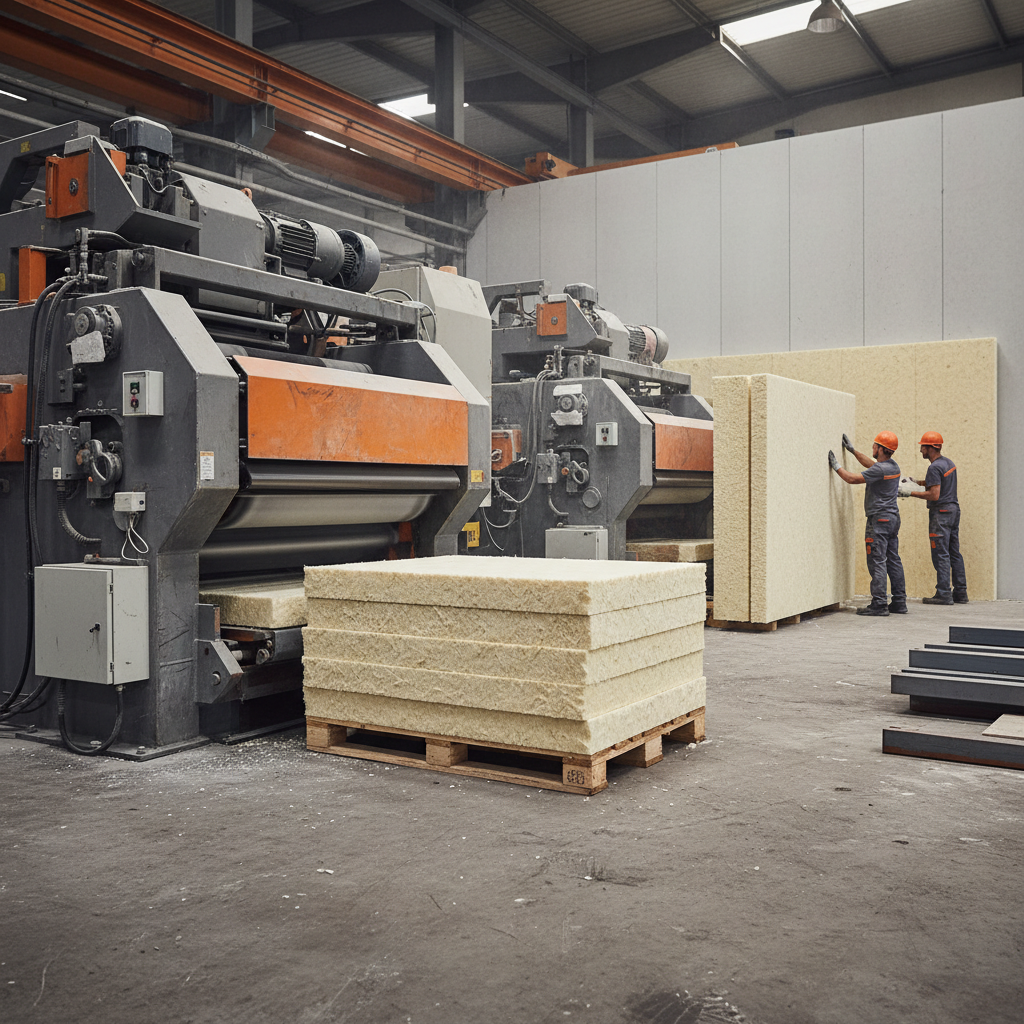
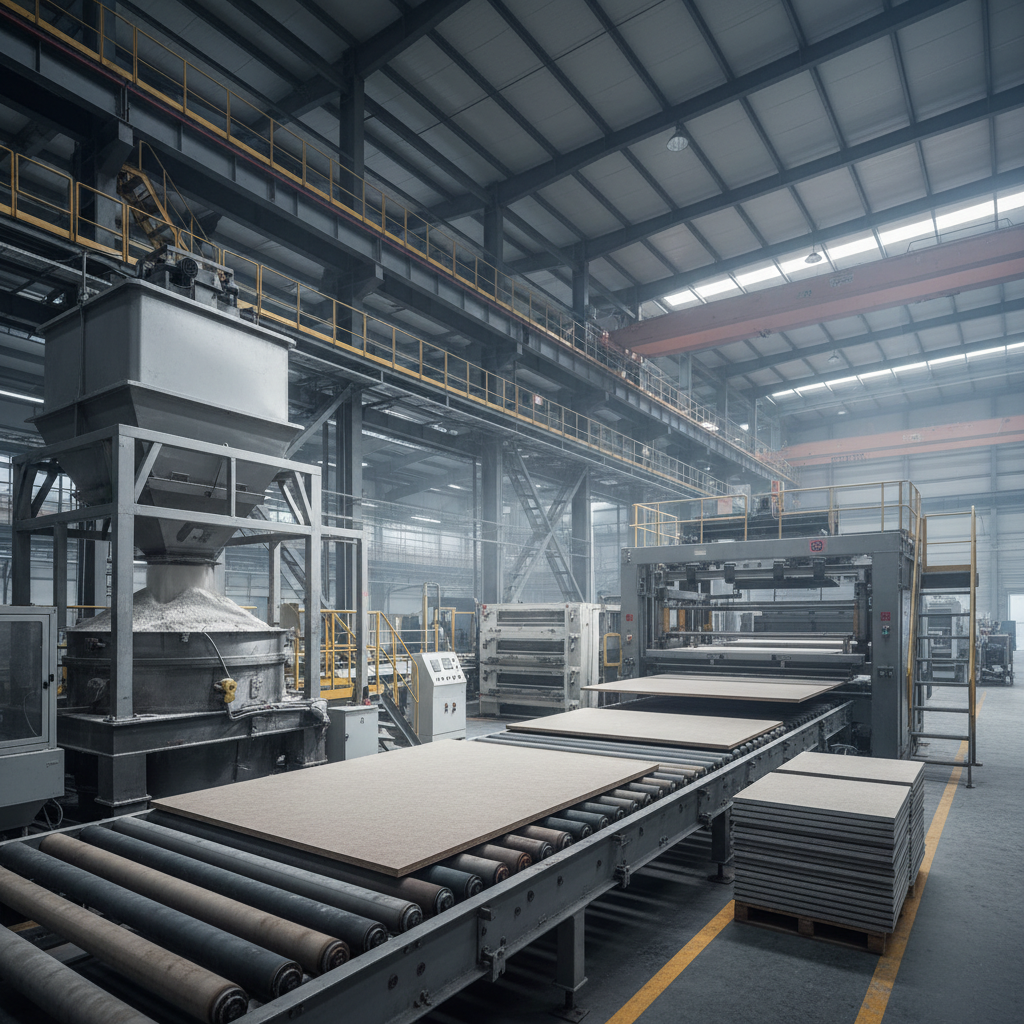
Fibre false ceiling materials are secondary ceiling systems constructed using panels composed of various fibres – most commonly mineral wool (glass or rock wool), gypsum fibre, or cellulose. These panels are suspended from the structural ceiling using a metal grid system, creating a void that allows for the concealment of building services. The fibres are typically bonded together using a binder and often have a facing material, such as a painted surface or a decorative veneer, for aesthetic purposes.
The connection to modern industry lies in the materials’ ability to address the evolving needs of contemporary building design. The demand for functional, aesthetically pleasing, and sustainable solutions has driven innovation in fibre technology and manufacturing processes, resulting in increasingly sophisticated and versatile products. These materials are integral to creating comfortable, productive, and energy-efficient indoor environments.
Their relevance extends to humanitarian needs as well. In disaster relief and emergency housing scenarios, lightweight and easily installable fibre false ceiling materials can rapidly create sheltered spaces that provide thermal comfort, privacy, and improved acoustic conditions. fibre false ceiling materials are a versatile solution for various construction needs.
Key Characteristics of Fibre False Ceiling Materials
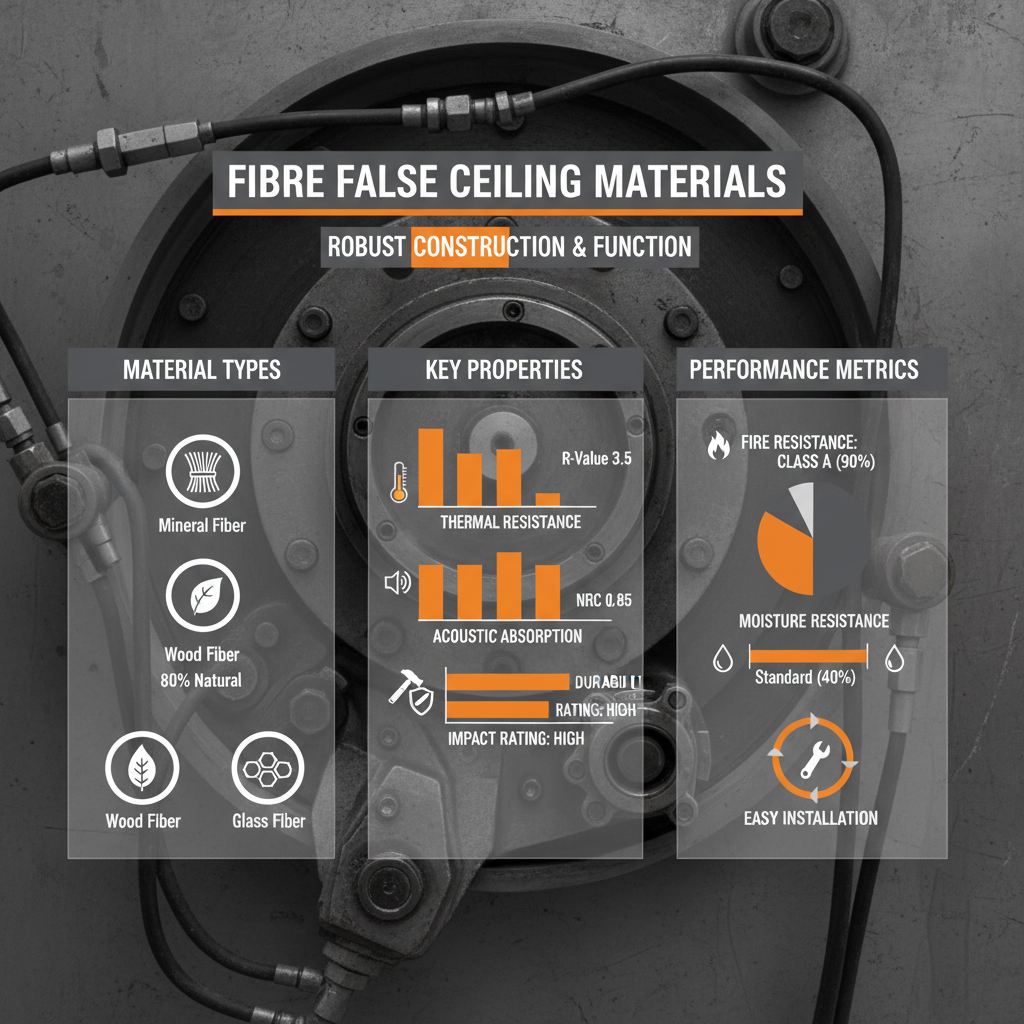
One critical aspect is Acoustic Performance. Fibre materials inherently possess excellent sound absorption properties, reducing noise levels and improving speech intelligibility within a space. Different fibre densities and panel thicknesses can be selected to achieve specific acoustic requirements, making them ideal for offices, schools, and healthcare facilities.
Another key factor is Fire Resistance. Mineral wool and gypsum fibre are naturally non-combustible materials, providing a crucial layer of fire protection. These materials can significantly delay the spread of fire, giving occupants valuable time to evacuate safely and minimizing structural damage.
Fibre False Ceiling Material Performance Comparison
Real-World Applications and Use Cases
In educational institutions, fibre false ceiling materials are widely used to create optimal learning environments. Their acoustic properties minimize distractions, enhancing concentration and improving speech intelligibility for students and teachers. Furthermore, their fire-resistant properties contribute to the safety of school buildings.
Within the healthcare sector, maintaining a sterile and comfortable environment is paramount. Fibre false ceiling materials offer a hygienic and easily cleanable surface, reducing the risk of bacterial growth and contributing to improved patient outcomes. Their acoustic performance also helps to create a calming atmosphere for patients and staff.
Advantages and Long-Term Value
The cost-effectiveness of fibre false ceiling materials is a significant advantage, particularly in large-scale projects. Compared to some traditional ceiling finishes, these materials offer a lower overall life-cycle cost due to their durability and reduced maintenance requirements. The sustainability aspect further enhances their long-term value, aligning with green building certifications and reducing environmental impact.
From a social impact perspective, improved indoor environmental quality fostered by fibre false ceiling materials translates to healthier and more productive occupants. This contributes to increased employee well-being, improved student performance, and enhanced patient recovery rates.
Future Trends and Innovations
The integration of smart technologies is a key trend shaping the future of fibre false ceiling materials. Innovative systems are being developed that incorporate lighting, sensors, and even air purification technologies directly into the ceiling panels, creating intelligent and responsive spaces. The rise of Building Information Modeling (BIM) is also influencing the design and installation process, enabling more accurate and efficient project delivery.
Continued advancements in material science are leading to the development of even more sustainable and high-performing fibre-based solutions. The use of bio-based fibres and recycled materials is expected to increase, further reducing the environmental footprint of these products.
The demand for adaptable and flexible ceiling systems is also driving innovation. Modular designs that allow for easy reconfiguration and reuse are gaining popularity, promoting circular economy principles and reducing construction waste.
FAQS
Fibre false ceilings generally outperform plasterboard in several key areas. They offer superior acoustic performance, being much better at absorbing sound and reducing noise transmission. They also boast better fire resistance, often being non-combustible, and are typically lighter in weight, simplifying installation. Additionally, fibre-based materials frequently contain recycled content, offering a more sustainable option.
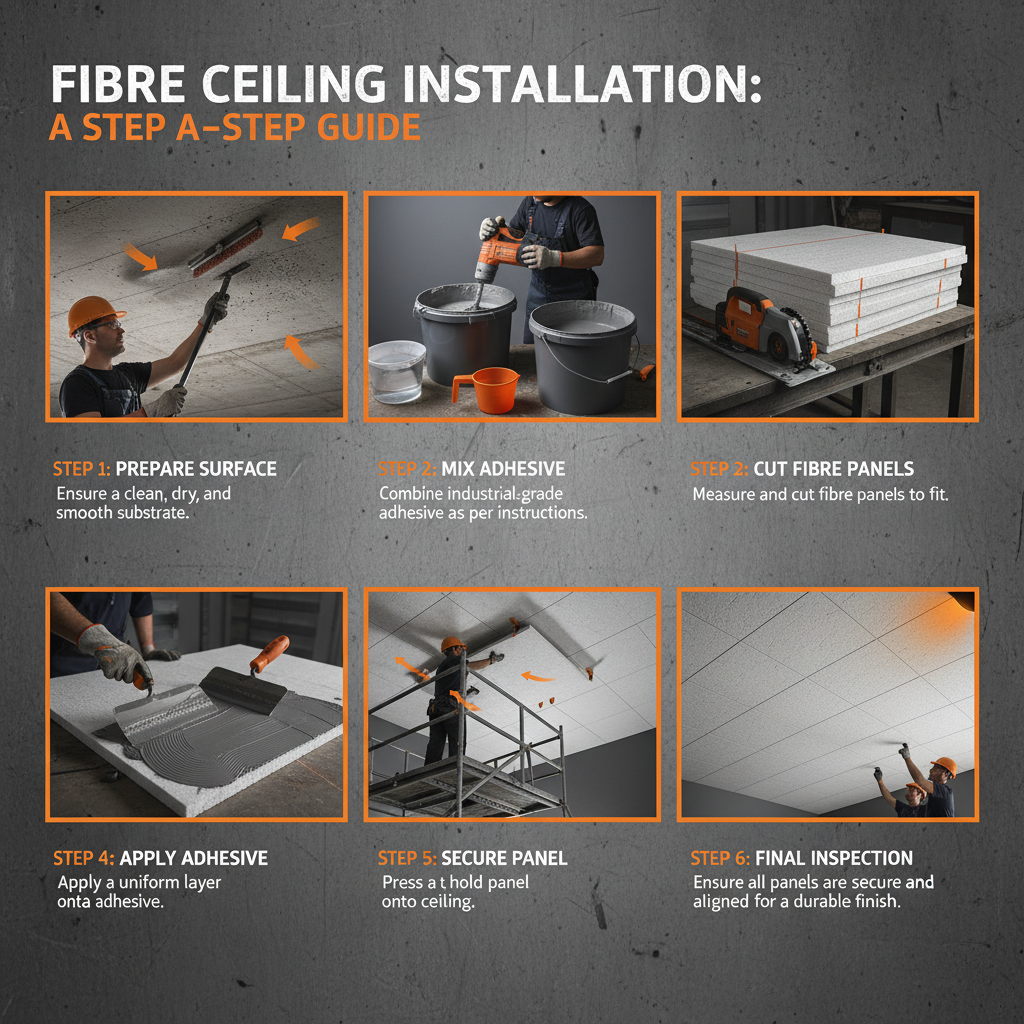
Installation is generally straightforward, though requires some experience with suspended ceiling systems. The process involves suspending a metal grid from the existing structure and then inserting the fibre panels into the grid. Skills required include basic measuring, cutting, and leveling. Professional installation is recommended for large or complex projects to ensure proper alignment and performance.
Some fibre false ceiling materials are specifically designed for high-humidity environments. These often have a moisture-resistant coating or are made from materials that are inherently less susceptible to water damage. However, it's crucial to select the appropriate product for the specific application and ensure proper ventilation to prevent moisture buildup. Always consult the manufacturer's specifications.
A well-installed fibre false ceiling can have a lifespan of 20-30 years or more. Maintenance is generally minimal, primarily involving occasional cleaning to remove dust and debris. In some cases, panels may need to be replaced if they become damaged or stained. Regular inspections can help identify and address any issues before they escalate.
Fibre false ceilings contribute to sustainability through several avenues. Many utilize recycled content in their manufacturing, reducing the demand for virgin materials. They provide excellent thermal and acoustic insulation, reducing energy consumption for heating and cooling. Their long lifespan and potential for reuse or recycling further minimize environmental impact.
Yes, many fibre false ceiling materials can be painted or otherwise customized. However, it's important to use a paint that is compatible with the material and won't compromise its acoustic or fire-resistant properties. Some materials also come pre-finished with a variety of colours and textures, eliminating the need for painting.
Conclusion
In conclusion, fibre false ceiling materials represent a versatile, sustainable, and cost-effective solution for modern building construction. Their superior acoustic performance, fire resistance, and adaptability make them ideal for a wide range of applications, from commercial spaces to educational institutions and healthcare facilities. By embracing these materials, we can create more comfortable, energy-efficient, and environmentally responsible built environments.
Looking ahead, continued innovation in material science and smart technology will further enhance the capabilities of fibre false ceiling materials. Adopting these advancements and prioritizing sustainable building practices will be crucial for addressing the evolving challenges of a rapidly changing world. For more information and to explore our range of products, visit our website: www.xingyuanceilings.com.