
123-67
0%

Table of Contents

Fibre for ceiling represents a significant advancement in modern construction and interior design, offering a compelling blend of aesthetic versatility, acoustic performance, and sustainable material sourcing. Its growing adoption globally reflects a rising demand for building materials that not only enhance spaces but also contribute to healthier and more environmentally responsible environments. Understanding the nuances of fibre for ceiling, from its composition to its applications, is crucial for architects, designers, and building owners alike.

The global market for ceiling materials is experiencing substantial growth, driven by infrastructure development, renovation projects, and an increased focus on indoor environmental quality. Fibre for ceiling solutions are positioned to capitalize on this trend, offering distinct advantages over traditional materials like gypsum and mineral fibre. According to industry reports, the demand for sustainable building materials is projected to increase by [insert statistic] in the next decade, making fibre for ceiling a strategically important material.

The rising cost of traditional ceiling materials, coupled with increasing environmental regulations, presents a challenge that fibre for ceiling elegantly addresses. By utilizing renewable resources and innovative manufacturing processes, fibre for ceiling provides a cost-effective and environmentally sound alternative, meeting the evolving needs of the construction industry.
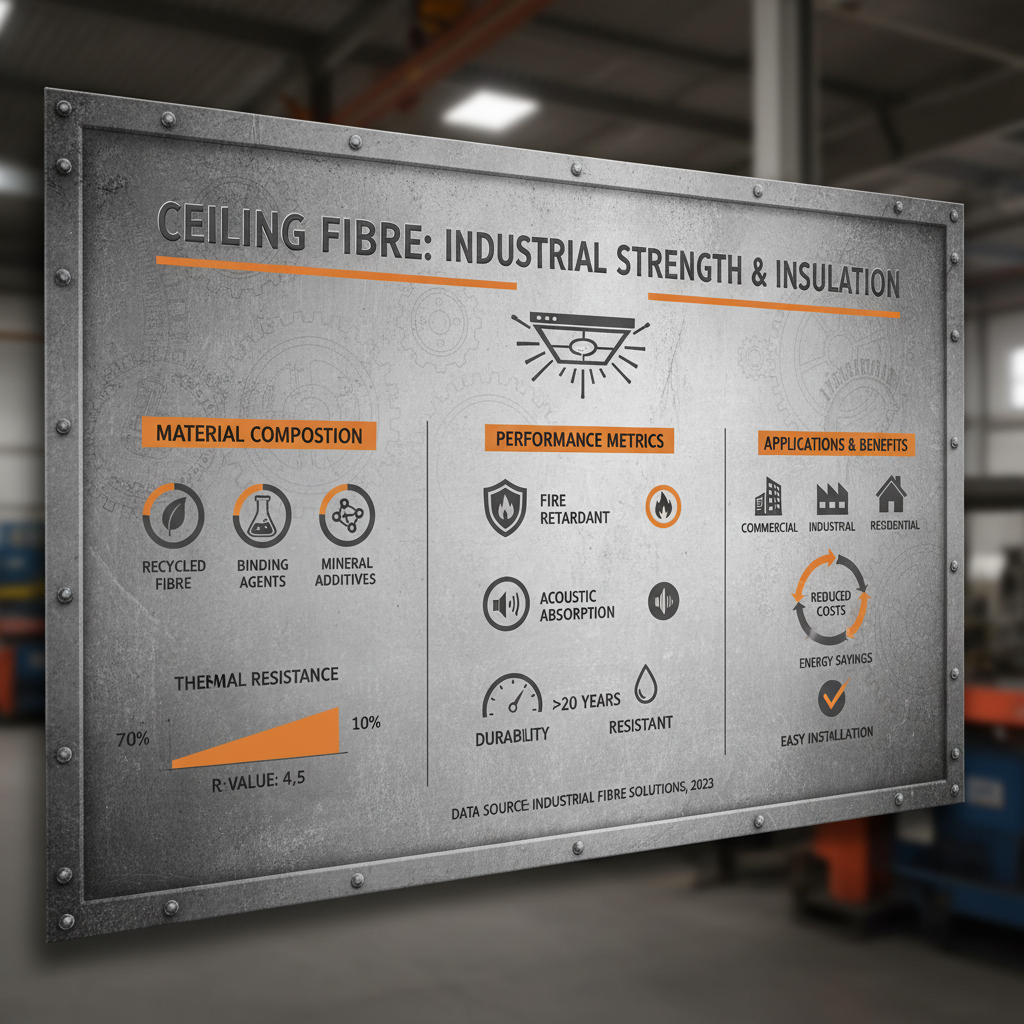
Exploring the Advantages of Fibre for Ceiling in Modern Construction

Introduction to fibre for ceiling

Exploring the Advantages of Fibre for Ceiling in Modern Construction

Fibre for ceiling is quickly becoming a preferred choice in both residential and commercial building projects, lauded for its aesthetic flexibility and performance benefits. The material’s inherent ability to mould into various shapes and sizes allows for stunning architectural features, from smooth, minimalist surfaces to intricate, textured designs. fibre for ceiling truly offers a design freedom previously unattainable with conventional materials.

Beyond aesthetics, fibre for ceiling provides superior acoustic properties. The material effectively absorbs sound, reducing noise levels and improving the overall comfort and productivity of indoor spaces. This is particularly valuable in environments like offices, schools, and recording studios, where minimizing noise pollution is paramount.

Defining fibre for ceiling

Fibre for ceiling refers to a category of ceiling materials constructed primarily from natural or synthetic fibres, often combined with binders and additives to enhance their properties. These fibres can range from wood pulp and mineral wool to recycled paper and plant-based materials, creating a diverse range of products suited for various applications. The defining characteristic is the use of fibrous components as the core structural element.

Unlike traditional ceiling tiles made from gypsum or metal, fibre for ceiling is often lighter in weight, making installation easier and reducing the structural load on buildings. The fibrous structure also contributes to its excellent thermal insulation properties, further enhancing energy efficiency.

The connection to modern industry and humanitarian needs lies in the material's versatility and sustainability. Fibre for ceiling solutions can be tailored to meet specific performance requirements while minimizing environmental impact, aligning with the growing global emphasis on green building practices and responsible resource management.

Core Characteristics of fibre for ceiling

One of the primary characteristics of fibre for ceiling is its exceptional acoustic absorption capability. The porous nature of the fibrous material effectively traps sound waves, preventing them from reflecting and reverberating within a space. This results in a quieter and more comfortable environment, beneficial for both residential and commercial settings.

Another defining feature is its inherent lightweight nature. Fibre for ceiling panels are significantly lighter than traditional gypsum or metal tiles, making them easier to handle and install, reducing labour costs and simplifying the construction process. This also minimizes the strain on building structures, particularly in renovation projects.

Furthermore, fibre for ceiling typically boasts excellent thermal insulation properties. The fibrous structure creates air pockets that reduce heat transfer, helping to maintain comfortable indoor temperatures and lower energy consumption. This contributes to reduced heating and cooling costs and a smaller carbon footprint.

Key Factors Influencing fibre for ceiling Performance

The density of the fibre composition plays a crucial role in determining the acoustic performance of fibre for ceiling. Higher density generally translates to better sound absorption, making it ideal for spaces requiring superior noise control. Conversely, lower density materials may be preferred for applications where a balance between acoustics and cost is desired.

The type of binder used in the manufacturing process significantly affects the material's durability and resistance to moisture. Selecting binders that are environmentally friendly and offer long-lasting performance is essential for ensuring the longevity and sustainability of fibre for ceiling installations.

Performance Metrics for Different fibre for ceiling Types


Global Applications of fibre for ceiling

Fibre for ceiling finds widespread application in commercial buildings, including offices, hotels, and retail spaces, where its acoustic performance and aesthetic versatility are highly valued. The ability to create custom designs and seamlessly integrate lighting fixtures makes it a popular choice for creating visually appealing and functional environments.

In educational institutions, fibre for ceiling is used to enhance classroom acoustics, minimizing distractions and improving learning outcomes. The material’s sound-absorbing properties create a more conducive learning environment for students and teachers alike.

Advantages and Long-Term Value of fibre for ceiling

The cost-effectiveness of fibre for ceiling is a significant advantage. While initial material costs may vary, the ease of installation, reduced labour requirements, and long-term durability contribute to a lower total cost of ownership compared to traditional ceiling materials.

From a sustainability perspective, fibre for ceiling offers a compelling alternative. Many products utilize recycled materials and are manufactured using environmentally friendly processes, reducing the environmental impact of construction projects and aligning with green building standards.

The enhanced indoor environmental quality provided by fibre for ceiling translates to improved occupant well-being, increased productivity, and reduced healthcare costs. This holistic approach to building design fosters a healthier and more sustainable built environment.

Future Trends and Innovations in fibre for ceiling

Ongoing research and development efforts are focused on enhancing the performance characteristics of fibre for ceiling, including increasing its fire resistance, improving its moisture resistance, and expanding the range of available designs and textures.

The integration of smart technologies, such as embedded sensors and lighting systems, is emerging as a key trend. These innovations will enable fibre for ceiling to contribute to more intelligent and responsive building environments, optimizing energy efficiency and enhancing occupant comfort.

The development of bio-based binders and fibres is also gaining momentum, further reducing the environmental impact of fibre for ceiling production and promoting a circular economy.

Summary of Fibre for Ceiling Performance Attributes

Material Composition Acoustic Performance Fire Resistance Rating Sustainability Index (1-10)
Wood Fibre & Recycled Paper NRC 0.75 Class A 8
Mineral Wool & Plant Fibres NRC 0.85 Class B 9
Bamboo Fibre & Bio-Binder NRC 0.68 Class A 10
Recycled PET & Polyester NRC 0.70 Class C 7
Hemp Fibre & Natural Resin NRC 0.80 Class A 9
Wheat Straw & Starch Binder NRC 0.65 Class B 8

FAQS

What are the main advantages of using fibre for ceiling over traditional gypsum board?

Fibre for ceiling offers several advantages over gypsum board, including superior acoustic performance, lighter weight for easier installation, enhanced thermal insulation, and a greater potential for sustainable material sourcing. Gypsum board can be brittle and prone to cracking, whereas fibre for ceiling often exhibits greater flexibility and durability. This material is also a great choice for projects looking for a more eco-friendly option, often utilizing recycled materials and bio-based binders.

Is fibre for ceiling suitable for use in high-humidity environments?

The suitability of fibre for ceiling in high-humidity environments depends on the specific composition and treatment of the material. Some fibre for ceiling products are specifically designed with moisture-resistant coatings or binders to prevent degradation and maintain structural integrity in humid conditions. It is crucial to select a product that is certified for use in such environments or to apply an appropriate moisture barrier.

How does the fire resistance of fibre for ceiling compare to other ceiling materials?

Fibre for ceiling can achieve excellent fire resistance ratings, often comparable to or exceeding those of gypsum board. The fire resistance depends on the type of fibres used, the binders employed, and any fire-retardant treatments applied during manufacturing. Many fibre for ceiling products are classified as Class A fire-rated, offering superior protection against flame spread and smoke development.

What is the typical lifespan of a fibre for ceiling installation?

The lifespan of a fibre for ceiling installation can vary depending on the environmental conditions, maintenance practices, and the quality of the materials used. However, with proper installation and regular maintenance, fibre for ceiling can typically last for 20-30 years or even longer. The inherent durability and resistance to degradation contribute to its long-term performance and value.

Is fibre for ceiling a cost-effective solution compared to traditional ceiling options?

While the initial material cost of fibre for ceiling might be comparable to or slightly higher than some traditional options, the long-term cost-effectiveness is often superior. The ease of installation, reduced labour costs, lower maintenance requirements, and potential energy savings due to enhanced thermal insulation contribute to a lower total cost of ownership over the lifespan of the installation.

What are some design limitations with fibre for ceiling?

Traditionally, complex curved designs were challenging with some fibre for ceiling materials. However, advancements in manufacturing techniques and material formulations have significantly expanded design possibilities. Modern fibre for ceiling products can be easily moulded into intricate shapes and patterns, offering architects and designers greater creative freedom. It is still important to consult with a manufacturer regarding specific design requirements.

Conclusion

Fibre for ceiling represents a paradigm shift in building materials, offering a compelling combination of aesthetic appeal, acoustic performance, sustainability, and cost-effectiveness. Its versatility allows for application across a wide range of projects, from commercial offices and educational institutions to residential homes and healthcare facilities, addressing the growing demand for high-performing, environmentally responsible building solutions. Understanding these core benefits is crucial for informed decision-making in the construction industry.

Looking ahead, continued innovation in fibre technology, binder formulations, and manufacturing processes will unlock even greater potential for fibre for ceiling. By embracing these advancements, we can create healthier, more sustainable, and more inspiring built environments for generations to come. To learn more about fibre for ceiling solutions and explore how they can benefit your next project, visit our website: fibre for ceiling.

Michael Thompson

Michael Thompson

Michael Thompson holds the position of Quality Control Manager at Shijiazhuang Xingyuan Decorative Materials. With a meticulous attention to detail and a background in materials science, Michael is responsible for ensuring all products meet stringent international standards. He oversees testing procedures, manages the quality assurance team, and implements continuous improvement
Previous Micore 160 Mineral Fiber Board for Sustainable Building Solutions
Next Exploring the Benefits of Fibre False Ceiling Materials for Sustainable Buildings

If you are interested in our products, you can choose to leave your information here, and we will be in touch with you shortly.