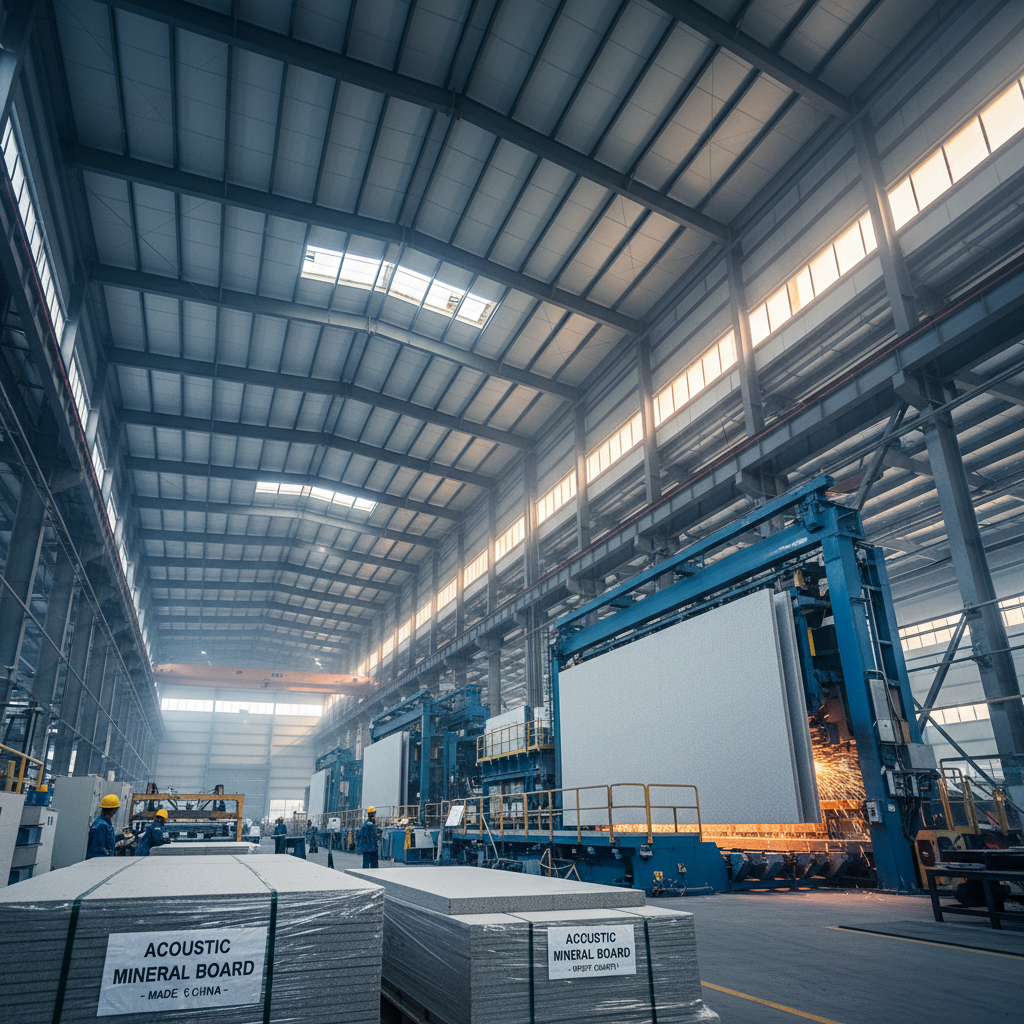
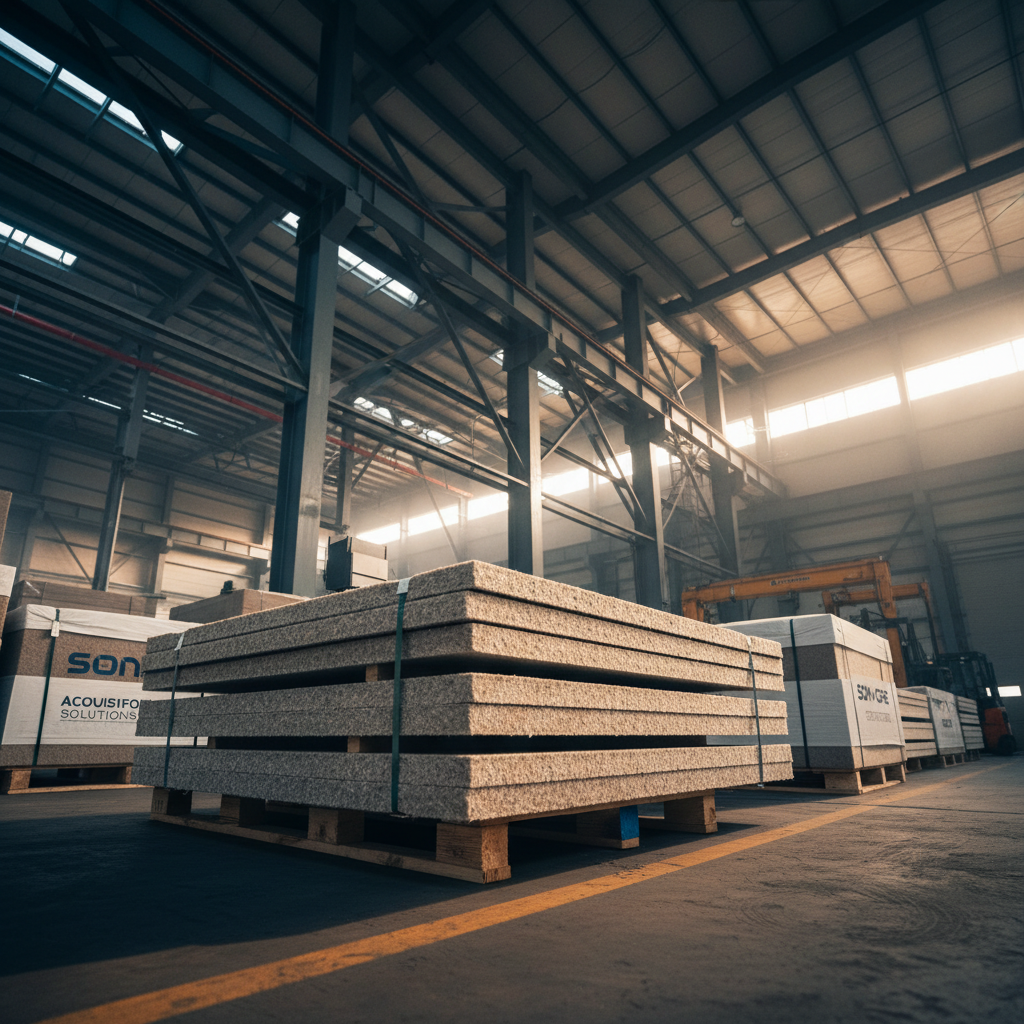
Acoustic mineral board represents a significant advancement in soundproofing and interior design, offering a versatile and effective solution for noise reduction across diverse applications. Its growing adoption worldwide signifies a heightened awareness of the importance of acoustic comfort in enhancing productivity, well-being, and overall environmental quality. Understanding its properties and applications is crucial for architects, designers, and anyone seeking to create quieter, more functional spaces.
The demand for effective sound absorption materials is increasing globally, driven by factors like urbanization, open-plan office designs, and a growing focus on creating conducive learning environments. Acoustic mineral board addresses this need by providing a cost-effective, easy-to-install, and aesthetically pleasing solution. Its performance characteristics, combined with its sustainability profile, make it a standout choice in a competitive market.
Ultimately, the widespread adoption of acoustic mineral board contributes to better living and working conditions, promoting healthier and more productive environments for individuals and communities. Its unique properties continue to drive innovation in acoustic design, impacting industries from healthcare to hospitality.
Introduction to Acoustic Mineral Board
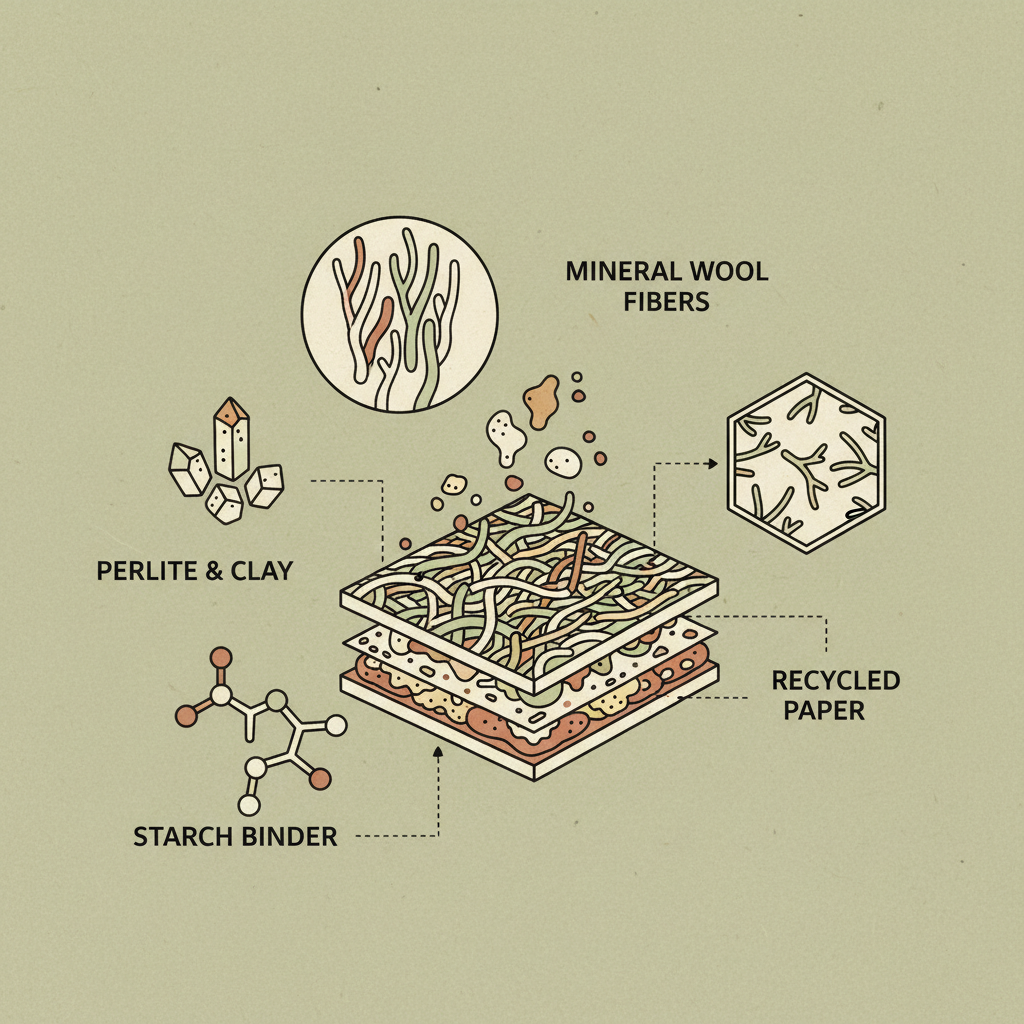
Acoustic mineral board is a highly effective sound-absorbing material widely used in architectural acoustics. It is manufactured from mineral wool – often slag wool or rock wool – which is then bonded together and finished with a facing material. This composition grants it excellent sound absorption properties, making it ideal for controlling reverberation and noise levels in various environments.
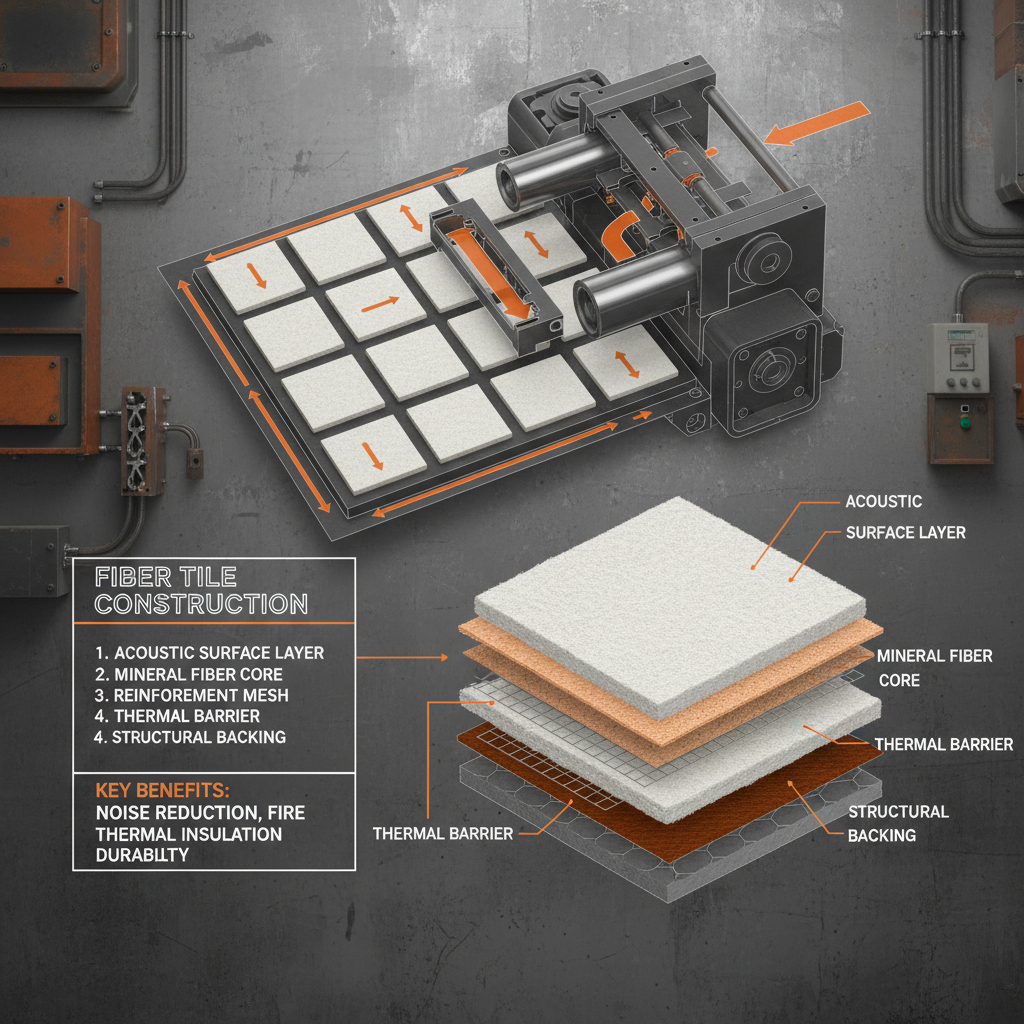
Its lightweight nature, combined with ease of installation, makes it a preferred choice for both new construction and renovation projects. Beyond its acoustic benefits, acoustic mineral board also offers fire resistance and thermal insulation, adding to its versatility as a building material. The increasing emphasis on sustainable building practices has further boosted its popularity due to the often recycled content in its production.
Global Relevance and Industry Context
The global market for acoustic materials is experiencing significant growth, projected to reach billions of dollars in the coming years. This is driven by stringent building codes regarding sound insulation, particularly in densely populated urban areas. Organizations like the ISO (International Organization for Standardization) play a critical role in setting standards for acoustic performance, influencing the demand for materials like acoustic mineral board.
Industries like healthcare, education, and entertainment are particularly sensitive to noise levels. Hospitals require quiet environments for patient recovery, schools need conducive learning spaces, and concert halls demand optimal acoustics for performance quality. These demands fuel the continuous innovation and improvement of acoustic solutions.
A significant challenge globally is addressing noise pollution in urban environments. Traffic, construction, and industrial activities contribute to high noise levels, impacting public health and well-being. Utilizing materials like acoustic mineral board in building design and infrastructure projects is crucial in mitigating these effects and creating more livable cities.
Defining Acoustic Mineral Board
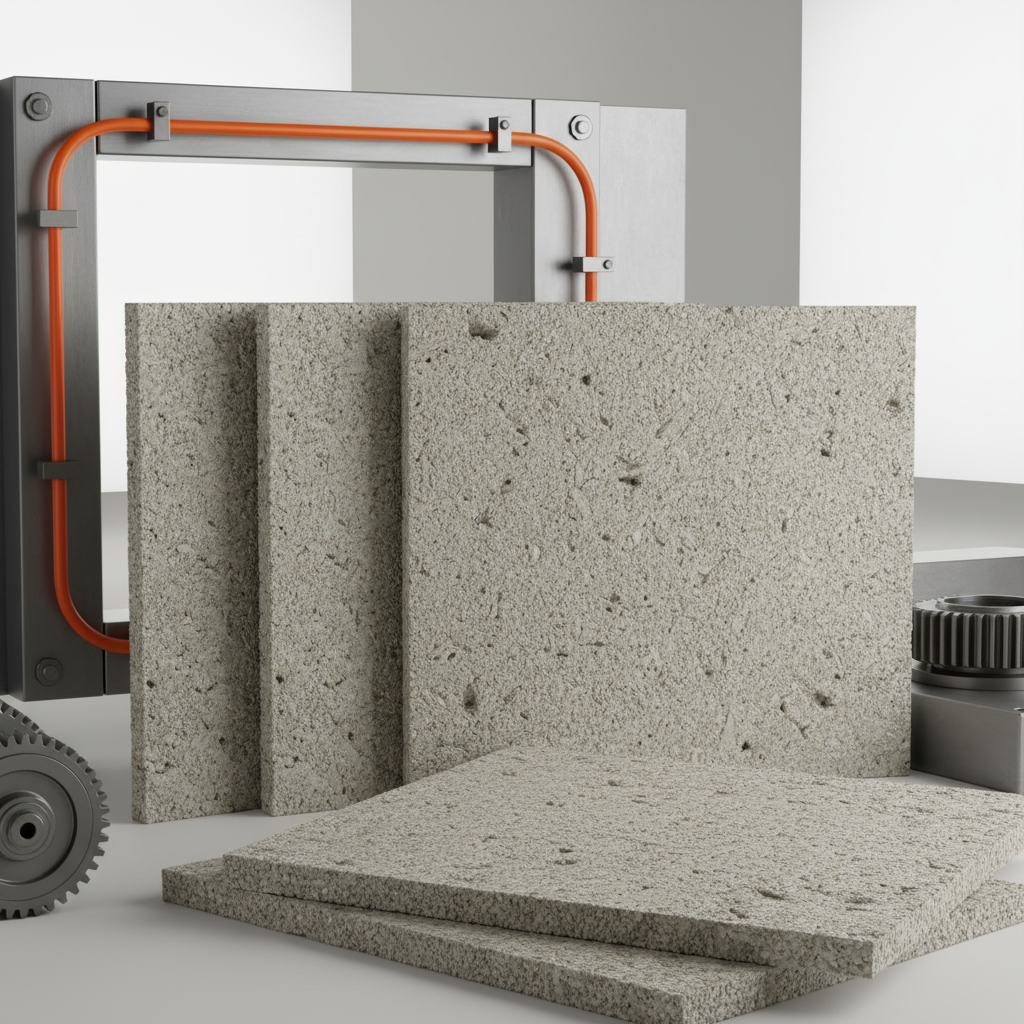
Acoustic mineral board is a composite material engineered specifically to absorb sound energy. It’s typically composed of mineral wool (produced from recycled glass, rock, or slag) bonded with a binder and faced with a fabric, vinyl, or paintable surface. This unique composition allows the material to effectively trap and dissipate sound waves, reducing reverberation and echo.
The connection to modern industry lies in the increasing demands for comfortable, productive, and safe working and living environments. As buildings become more open-plan and densely populated, effective acoustic solutions are paramount. Acoustic mineral board offers a practical and cost-effective way to address these concerns, promoting well-being and improving overall performance.
Its role extends to humanitarian needs as well. In emergency shelters or temporary housing, providing a sense of privacy and minimizing noise stress are crucial for the psychological well-being of those displaced. Acoustic mineral board can contribute significantly to creating more dignified and supportive environments in such challenging situations.
Key Factors of Acoustic Mineral Board
One critical factor is its Sound Absorption Coefficient (SAC). This measures the proportion of sound energy absorbed by the material. Higher SAC values indicate greater effectiveness in reducing noise. The thickness and density of the board directly influence its SAC, allowing for tailored solutions based on specific acoustic requirements.
Fire Resistance is another key benefit. Mineral wool is inherently non-combustible, making acoustic mineral board a safe choice for buildings where fire safety is a primary concern. This characteristic is often mandated by building codes, especially in public spaces.
Acoustic Mineral Board Performance Comparison
Global Applications & Use Cases
Acoustic mineral board finds widespread application in diverse settings. In educational institutions, it's used in classrooms, lecture halls, and libraries to enhance speech intelligibility and create quieter learning environments. This leads to improved student concentration and academic performance.
Within the healthcare sector, it’s vital in hospitals and clinics to minimize noise levels, providing a more restful and healing environment for patients. It's often installed in patient rooms, waiting areas, and operating theaters. In remote industrial zones, it contributes to a safer and more comfortable working environment by reducing noise pollution from machinery.
Advantages & Long-Term Value
The cost-effectiveness of acoustic mineral board is a major advantage, particularly when compared to alternative soundproofing solutions. Its relatively low material cost and ease of installation contribute to lower project budgets. From a sustainability perspective, many manufacturers utilize recycled content in their production processes, reducing environmental impact.
The long-term value extends beyond financial considerations. A quieter environment promotes better mental and physical health, increasing productivity and reducing stress. The fire resistance adds a layer of safety and peace of mind, protecting both occupants and property.
Future Trends & Innovations
Ongoing research focuses on enhancing the sound absorption properties of acoustic mineral board through innovative material combinations and manufacturing techniques. Integrating bio-based binders and exploring new facing materials with improved acoustic performance are key areas of development.
The convergence of acoustic design with digital technologies, such as Building Information Modeling (BIM), is streamlining the design and installation process. BIM allows architects and engineers to simulate acoustic performance accurately, optimizing the placement and configuration of acoustic mineral board for maximum effectiveness.
There's also a growing trend towards developing “smart” acoustic panels that can dynamically adjust their sound absorption characteristics based on real-time noise levels, providing even greater control over the acoustic environment.
Future Trends & Innovations
Ongoing research focuses on enhancing the sound absorption properties of acoustic mineral board through innovative material combinations and manufacturing techniques. Integrating bio-based binders and exploring new facing materials with improved acoustic performance are key areas of development.
The convergence of acoustic design with digital technologies, such as Building Information Modeling (BIM), is streamlining the design and installation process. BIM allows architects and engineers to simulate acoustic performance accurately, optimizing the placement and configuration of acoustic mineral board for maximum effectiveness.
There's also a growing trend towards developing “smart” acoustic panels that can dynamically adjust their sound absorption characteristics based on real-time noise levels, providing even greater control over the acoustic environment.
Summarizing Core Factors Influencing Acoustic Mineral Board Performance
| Material Composition |
Density (kg/m³) |
Sound Absorption Coefficient (SAC) @ 1kHz |
Fire Resistance Rating (Minutes) |
| Rock Wool with Vinyl Facing |
120 |
0.85 |
120 |
| Glass Wool with Fabric Facing |
80 |
0.70 |
90 |
| Slag Wool with Paintable Facing |
100 |
0.78 |
60 |
| Recycled Glass Wool with Vinyl Facing |
110 |
0.82 |
100 |
| Rock Wool with Perforated Metal Facing |
130 |
0.90 |
120 |
| Glass Wool with Acoustic Backing |
90 |
0.80 |
75 |
FAQS
Acoustic mineral board offers a compelling combination of benefits: excellent sound absorption, fire resistance, thermal insulation, and cost-effectiveness. Unlike some materials, it's relatively easy to install and can be finished with a variety of surfaces to blend seamlessly with interior designs. Many options also incorporate recycled materials, contributing to sustainable building practices.
While acoustic mineral board generally performs well, prolonged exposure to high humidity can potentially reduce its effectiveness. Specific products may have enhanced moisture resistance, so it's essential to check the manufacturer's specifications and select a suitable option for humid environments. Consider using a vapor barrier to further protect the material.
Generally, increasing the thickness of acoustic mineral board enhances its sound absorption capabilities, particularly at lower frequencies. Thicker boards offer greater mass and a more complex internal structure, which are more effective at trapping and dissipating sound energy. Choosing the appropriate thickness depends on the specific acoustic requirements of the space.
Acoustic mineral board is relatively low-maintenance. Regular dusting or vacuuming with a soft brush is typically sufficient to keep it clean. Avoid using abrasive cleaners or solvents, as these can damage the surface. In most cases, the facing material can be gently wiped with a damp cloth.
Yes, many acoustic mineral board products are manufactured using recycled content, such as recycled glass or slag, reducing their environmental impact. Furthermore, mineral wool itself is a durable and long-lasting material, minimizing the need for frequent replacements. Check for certifications like LEED to ensure a product meets specific sustainability standards.
The NRC value of acoustic mineral board typically ranges from 0.70 to 0.90, depending on the thickness and density. This places it among the more effective sound-absorbing materials commonly used in building construction. Materials with higher NRC values (closer to 1.0) absorb more sound, while lower values indicate less absorption. The specific NRC required depends on the application and desired level of noise reduction.
Conclusion
In conclusion, acoustic mineral board stands as a versatile and effective solution for addressing noise pollution and improving acoustic comfort in diverse environments. Its combination of sound absorption, fire resistance, sustainability, and cost-effectiveness makes it a compelling choice for architects, designers, and building owners alike. Understanding its properties and applications is crucial for creating spaces that promote well-being, productivity, and safety.
Looking ahead, continued innovation in materials and manufacturing techniques will further enhance the performance and sustainability of acoustic mineral board. Integrating digital technologies and exploring new applications will unlock even greater potential for this valuable building material. We encourage you to explore the possibilities and consider how acoustic mineral board can contribute to creating quieter, more comfortable, and more productive environments.