When planning a commercial or residential renovation, understanding the pvc gypsum ceiling tiles price is essential for balancing aesthetic aspirations with budgetary constraints. These hybrid panels combine the structural rigidity of gypsum with the moisture-resistant properties of PVC, offering a versatile solution that outperforms traditional plasterboard in humid environments.
The global shift toward modular construction has placed a spotlight on the pvc gypsum ceiling tiles price, as developers seek materials that reduce installation time without sacrificing durability. In an era where raw material costs fluctuate, knowing how to analyze the value proposition of PVC-coated gypsum allows project managers to optimize their spending while ensuring long-term structural integrity.
Ultimately, the pvc gypsum ceiling tiles price is not just a number on a quote, but a reflection of the material's ability to resist mold, dampen sound, and provide a sleek, maintenance-free finish. By investing in high-quality composites, property owners can significantly lower their lifecycle costs compared to cheaper, single-material alternatives.
Global Market Influence on PVC Gypsum Ceiling Tiles Price
The global construction landscape is witnessing a surge in demand for composite materials, which directly impacts the pvc gypsum ceiling tiles price. With the rise of rapid urbanization in Southeast Asia and Africa, there is a critical need for ceiling solutions that are both affordable and resistant to tropical humidity. Market data suggests that the integration of PVC films onto gypsum cores has reduced the need for frequent repainting, shifting the cost-benefit analysis in favor of these hybrid tiles.
Furthermore, international trade policies and the cost of petroleum-based polymers fluctuate, creating volatility in the pvc gypsum ceiling tiles price. As ISO standards for building safety and fire resistance become more stringent, manufacturers are investing in higher-grade additives, which may slightly increase the initial purchase price but drastically lower the risk of insurance premiums and maintenance overheads for large-scale commercial developments.
Defining the Value of PVC Gypsum Ceiling Tiles Price
To simply define the pvc gypsum ceiling tiles price is to look at the cost per square meter; however, a professional perspective views it as a "performance-to-cost ratio." These tiles consist of a high-density gypsum core—providing fire resistance and sound insulation—encapsulated in a PVC layer that prevents water absorption and allows for a wide variety of aesthetic finishes.
In modern industry, this pricing structure addresses the humanitarian need for rapid, hygienic housing and office spaces. Unlike traditional gypsum boards that crumble when exposed to moisture, PVC-faced tiles maintain their structural integrity. This makes the pvc gypsum ceiling tiles price an investment in longevity, particularly for facilities like hospitals, schools, and laboratories where hygiene is non-negotiable.
When comparing this to Mineral Fiber or standard Plasterboard, the value lies in the elimination of "hidden costs." While a standard board might have a lower entry price, the requirement for joint taping, sanding, and multiple coats of paint adds significant labor costs. The pvc gypsum ceiling tiles price often includes the finished look, streamlining the installation process and reducing total project expenditure.
Core Components Affecting PVC Gypsum Ceiling Tiles Price
Durability is a primary driver of the pvc gypsum ceiling tiles price. The thickness of the PVC foil and the density of the gypsum core determine how well the tile resists sagging and impact. High-density cores are essential for high-traffic commercial areas, and while they command a higher price point, they ensure the ceiling remains flat and secure for decades.
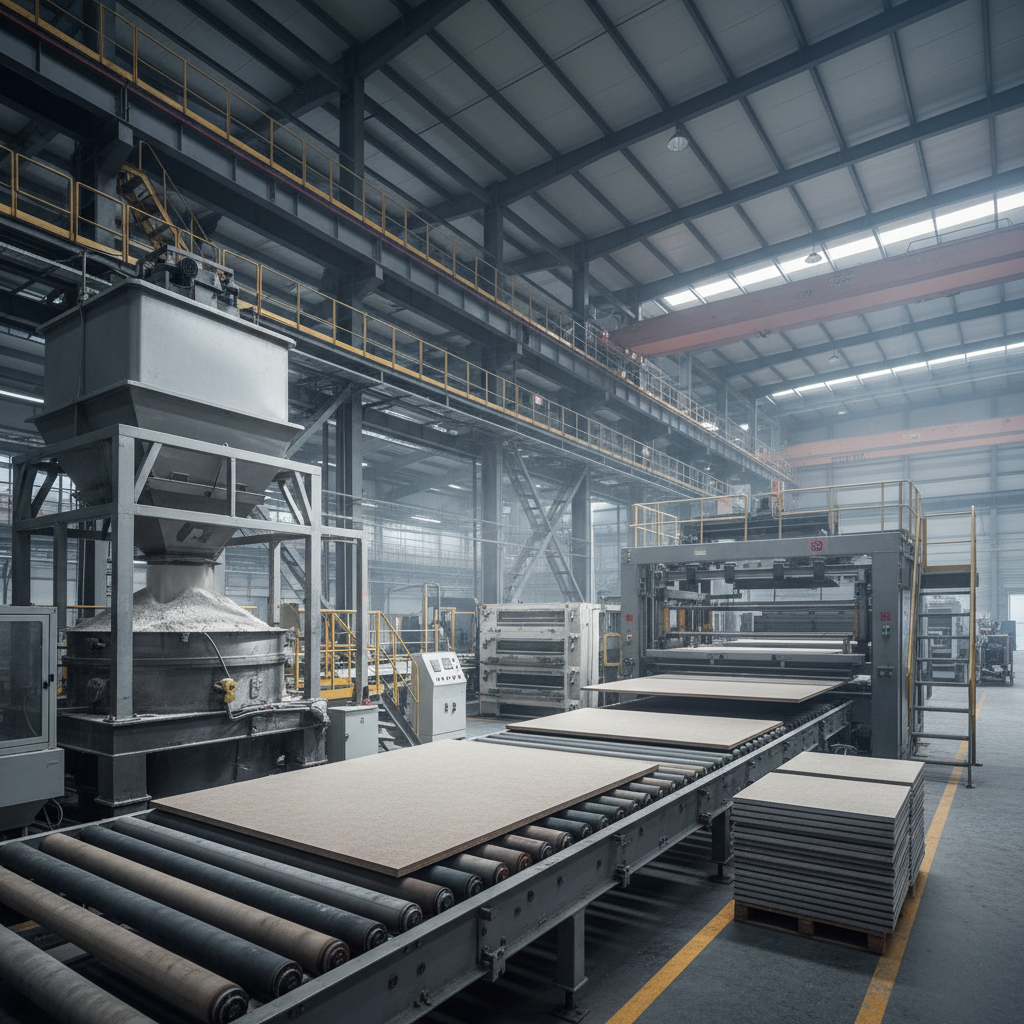
Cost efficiency is achieved through the scalability of the manufacturing process. The pvc gypsum ceiling tiles price is often optimized through bulk production of standard sizes, which allows contractors to minimize waste. The ability to quickly install these tiles into a Ceiling Grid system further enhances the economic appeal for large-scale developments.
Environmental certifications and fire-retardant additives also play a role in the pvc gypsum ceiling tiles price. Tiles that meet Class A fire ratings require specific chemical formulations that increase production costs but provide indispensable safety benefits. This balance of safety, aesthetics, and moisture resistance creates a tiered pricing model based on the intended application of the product.
Economic Scalability and PVC Gypsum Ceiling Tiles Price
From a procurement standpoint, the pvc gypsum ceiling tiles price varies significantly based on order volume and customization. For large industrial projects, wholesale pricing allows for a dramatic reduction in the unit cost, making it competitive with lower-grade materials. The modular nature of these tiles means that replacements can be handled individually, preventing the need for entire ceiling overhauls.
Moreover, the integration of these tiles with various Ceiling Grids and Inspection Panels allows for flexible maintenance. By analyzing the pvc gypsum ceiling tiles price alongside installation labor, it becomes clear that the speed of deployment is where the most significant savings occur, especially in commercial settings where downtime equals lost revenue.
Comparative Analysis of PVC Gypsum Ceiling Tiles Price Factors
Global Applications of PVC Gypsum Solutions
In real-world contexts, the pvc gypsum ceiling tiles price makes them a favorite in the hospitality industry across Southeast Asia. Hotels in coastal regions face constant challenges with salt-air corrosion and high humidity; by opting for PVC-faced gypsum, they avoid the sagging and peeling common with traditional paint-on-gypsum ceilings, ensuring a luxury guest experience with lower maintenance costs.
Similarly, in remote industrial zones or post-disaster relief operations, the ability to ship prefabricated panels and install them without specialized painting equipment is invaluable. In these scenarios, the pvc gypsum ceiling tiles price is weighed against the cost of logistics and speed of shelter creation, where these tiles provide a dignified, clean, and durable overhead surface in record time.
Long-Term Value and Sustainability Benefits
The tangible benefits of choosing a balanced pvc gypsum ceiling tiles price extend far beyond the initial invoice. Sustainability is increasingly integrated into the production process, with manufacturers using recycled gypsum and low-VOC PVC films. This not only reduces the carbon footprint of the building but also improves indoor air quality, which is a critical factor for modern "Green Building" certifications.
From an emotional and psychological angle, the reliability of a PVC-coated ceiling provides peace of mind. The fear of water leaks ruining a ceiling is mitigated by the moisture-barrier properties of the PVC. This creates a sense of safety and trust in the infrastructure, which is particularly important in commercial rentals where the landlord seeks to minimize emergency repair calls.
Logically, the investment in a slightly higher pvc gypsum ceiling tiles price is offset by the elimination of repainting cycles. Traditional ceilings may require a fresh coat of paint every 3-5 years to remain professional; PVC tiles remain pristine for a decade or more, delivering a superior return on investment (ROI) over the building's lifecycle.
Future Innovations in PVC Gypsum Pricing Models
As we move toward digital transformation in construction, the pvc gypsum ceiling tiles price will likely be influenced by BIM (Building Information Modeling) and automated cutting technologies. This will allow for "zero-waste" procurement, where tiles are precision-cut at the factory based on the exact room dimensions, potentially lowering the effective cost for the end-user by reducing on-site scrap.
Furthermore, innovations in bio-based polymers are expected to enter the market, replacing traditional PVC with more eco-friendly alternatives. While these new materials may initially push the pvc gypsum ceiling tiles price upward, the shift toward a circular economy will eventually drive costs down as these materials become mainstream and the regulatory penalties for non-recyclable plastics increase.
Automation in the gypsum coating process is also refining the consistency of the product. By utilizing AI-driven quality control, manufacturers can reduce defects, leading to more stable pvc gypsum ceiling tiles price for consumers. The future of ceiling solutions lies in the intersection of high-performance chemistry and sustainable engineering.
Detailed Analysis of PVC Gypsum Ceiling Tiles Price and Performance
| Tile Grade |
Price Range Impact |
Moisture Resistance |
Installation Speed |
| Economy Grade |
Low (Baseline) |
Moderate (6/10) |
Fast |
| Standard Commercial |
Medium |
High (8/10) |
Fast |
| Premium Fire-Rated |
High |
High (8/10) |
Moderate |
| Heavy-Duty Industrial |
High |
Extreme (10/10) |
Moderate |
| Architectural Custom |
Very High |
High (9/10) |
Slow |
| Eco-Friendly Hybrid |
Medium-High |
High (8/10) |
Fast |
FAQS
The price is primarily driven by the thickness of the PVC laminate, the density of the gypsum core, and the addition of specialized treatments like fire retardants or anti-mold chemicals. Additionally, the volume of the order and the complexity of the design (standard vs. custom) significantly impact the final cost per unit.
Yes, in terms of total project cost. While the initial pvc gypsum ceiling tiles price may be higher than raw gypsum board, they eliminate the need for joint taping, sanding, and multiple painting cycles. This reduction in labor hours and material waste typically leads to a lower overall expenditure.
Absolutely. The PVC layer acts as a waterproof shield, preventing the gypsum core from absorbing moisture. This makes them an ideal choice for bathrooms and kitchens, where traditional ceilings would often develop mold or sag over time, ensuring the long-term value of your investment.
Don't look at the price alone. Compare the core density (kg/m³), the fire rating (Class A or B), and the PVC film thickness. A cheaper quote often indicates a thinner film or a lower-density core, which may result in sagging or a shorter lifespan, increasing your long-term costs.
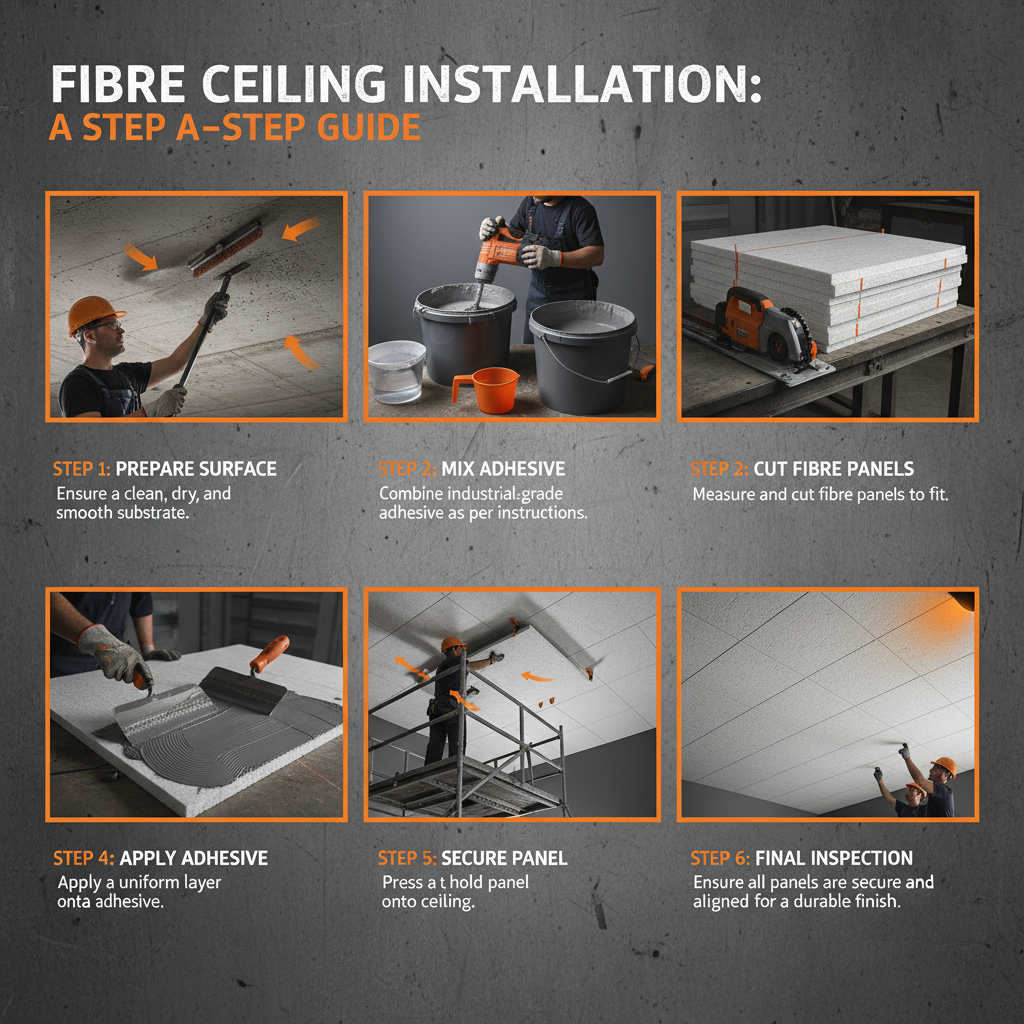
Generally, no. Because they are typically installed within a standardized Ceiling Grid system, the installation is much faster than traditional "drywall" construction. The speed of installation reduces labor costs, which helps offset the material price of the tiles.
Yes, many modern manufacturers are utilizing recycled gypsum and lead-free PVC stabilizers. While "green" materials sometimes carry a premium, the efficiency of new production methods is keeping the eco-friendly pvc gypsum ceiling tiles price competitive with traditional options.
Conclusion
Understanding the pvc gypsum ceiling tiles price is about recognizing the intersection of material science and economic efficiency. By combining the structural benefits of gypsum with the protective qualities of PVC, these tiles offer a superior alternative to traditional ceiling materials, providing moisture resistance, fire safety, and a rapid installation process that saves both time and money.
As the construction industry continues to prioritize sustainability and modularity, investing in high-quality composite ceilings will become the standard for both commercial and residential projects. We recommend focusing on long-term ROI rather than the lowest initial quote to ensure a durable, low-maintenance interior. For premium solutions and competitive pricing, visit our website: www.xingyuanceilings.com