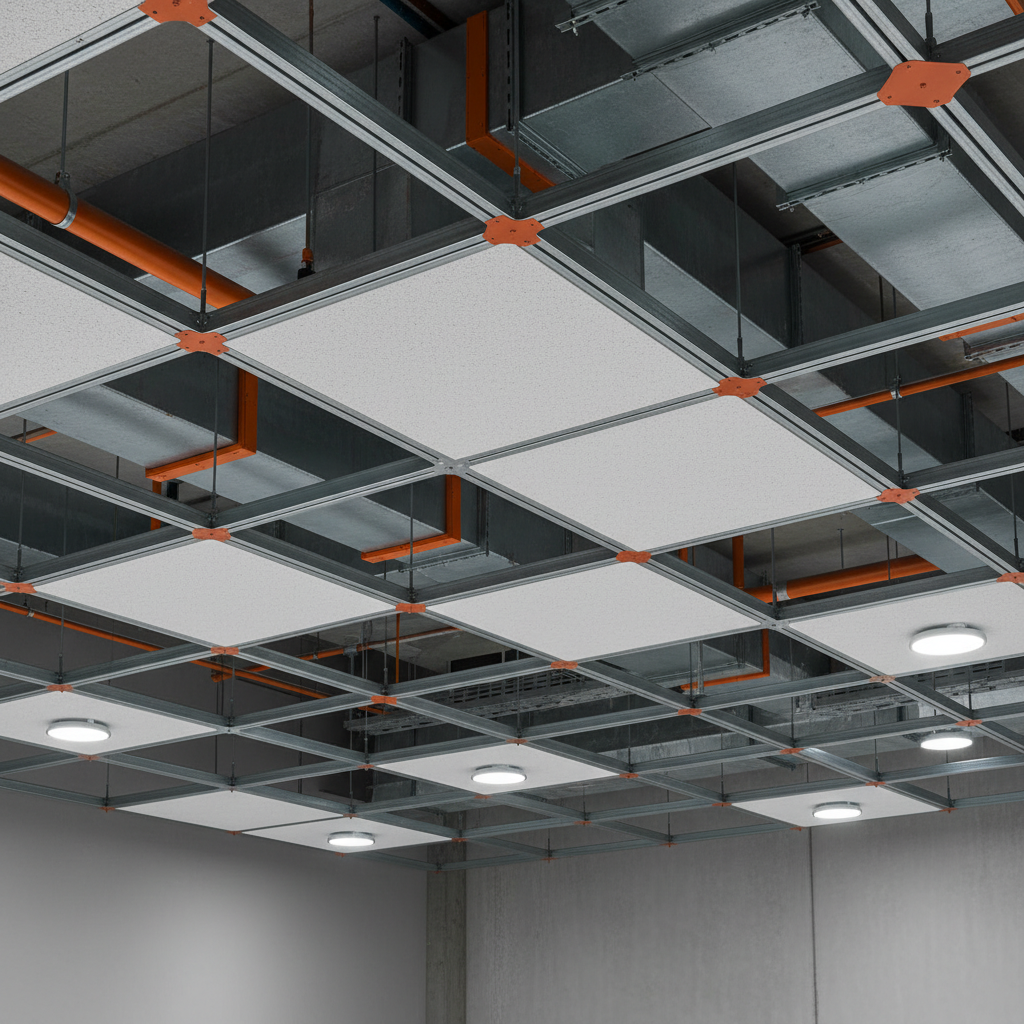
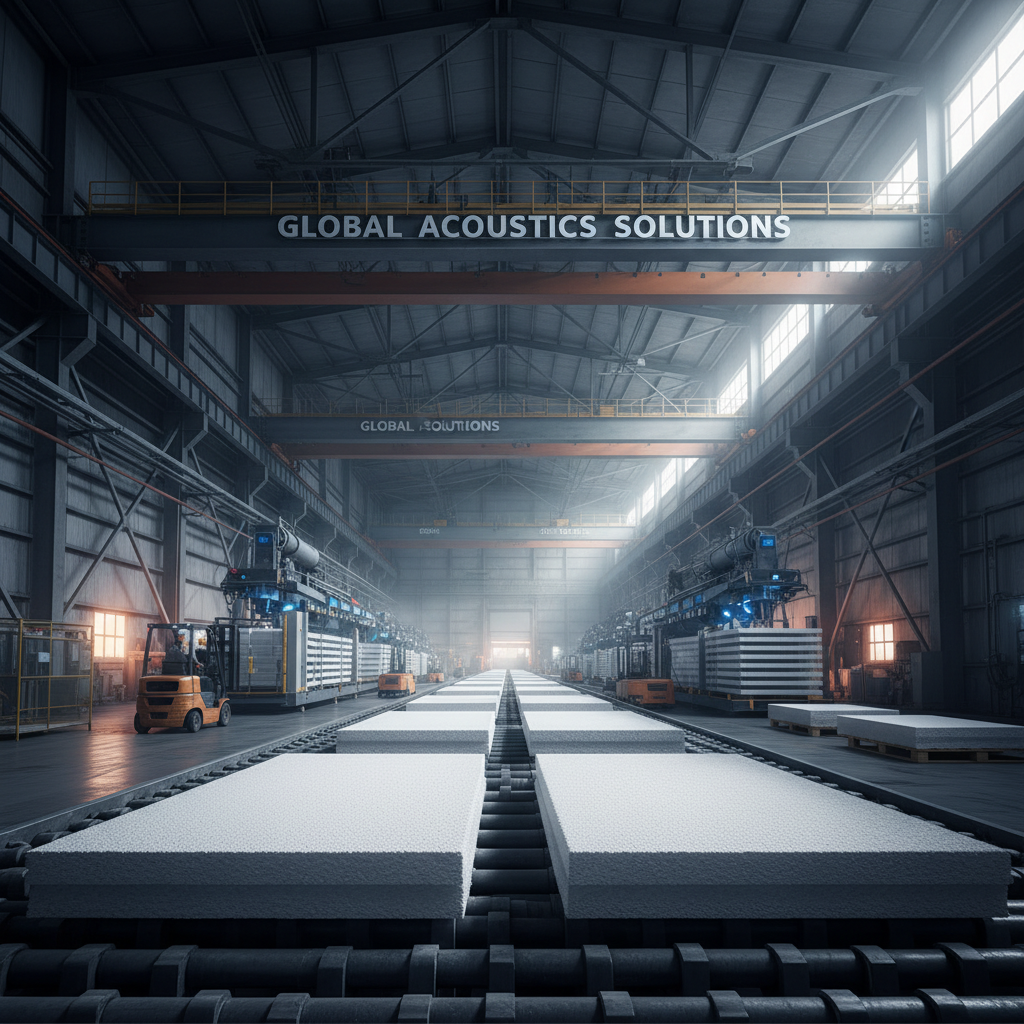
Acoustic mineral fiber board represents a significant advancement in interior sound control and thermal insulation solutions. Globally, the demand for effective noise reduction is increasing due to urbanization, open-plan office designs, and a growing awareness of the impact of noise pollution on health and productivity. This material offers a cost-effective, sustainable, and high-performing solution for a wide array of applications, becoming increasingly crucial in modern construction and renovation projects.
The importance of acoustic mineral fiber board extends beyond mere comfort. It plays a critical role in creating environments conducive to learning, working, and healing. Regulations concerning sound levels in buildings are becoming more stringent worldwide, driving demand for materials like this board. Standards set by organizations like the ISO (International Organization for Standardization) further emphasize the need for improved acoustic environments, particularly in public spaces.
Understanding the properties and applications of acoustic mineral fiber board is therefore essential for architects, interior designers, contractors, and anyone involved in building design and maintenance. From enhancing speech intelligibility in classrooms to improving patient recovery rates in hospitals, this material offers a tangible benefit across diverse sectors. It's not simply about silencing noise, but about creating functional and healthy spaces.
Introduction to Acoustic Mineral Fiber Board
Acoustic mineral fiber board is a versatile building material engineered to absorb sound and enhance acoustic performance within spaces. Typically manufactured from a combination of mineral wool, cellulose fibers, and a binding agent, this board offers a lightweight yet robust solution for controlling reverberation and reducing noise transmission. It’s a preferred choice in numerous applications, from commercial offices to educational facilities.
The material's effectiveness stems from its porous structure, which traps sound waves and converts them into thermal energy. This characteristic not only improves sound quality but also contributes to thermal insulation, making it an energy-efficient building component. Increasingly, architects are specifying acoustic mineral fiber board as a key element in sustainable building designs seeking to meet both acoustic and environmental performance goals.
Defining Acoustic Mineral Fiber Board
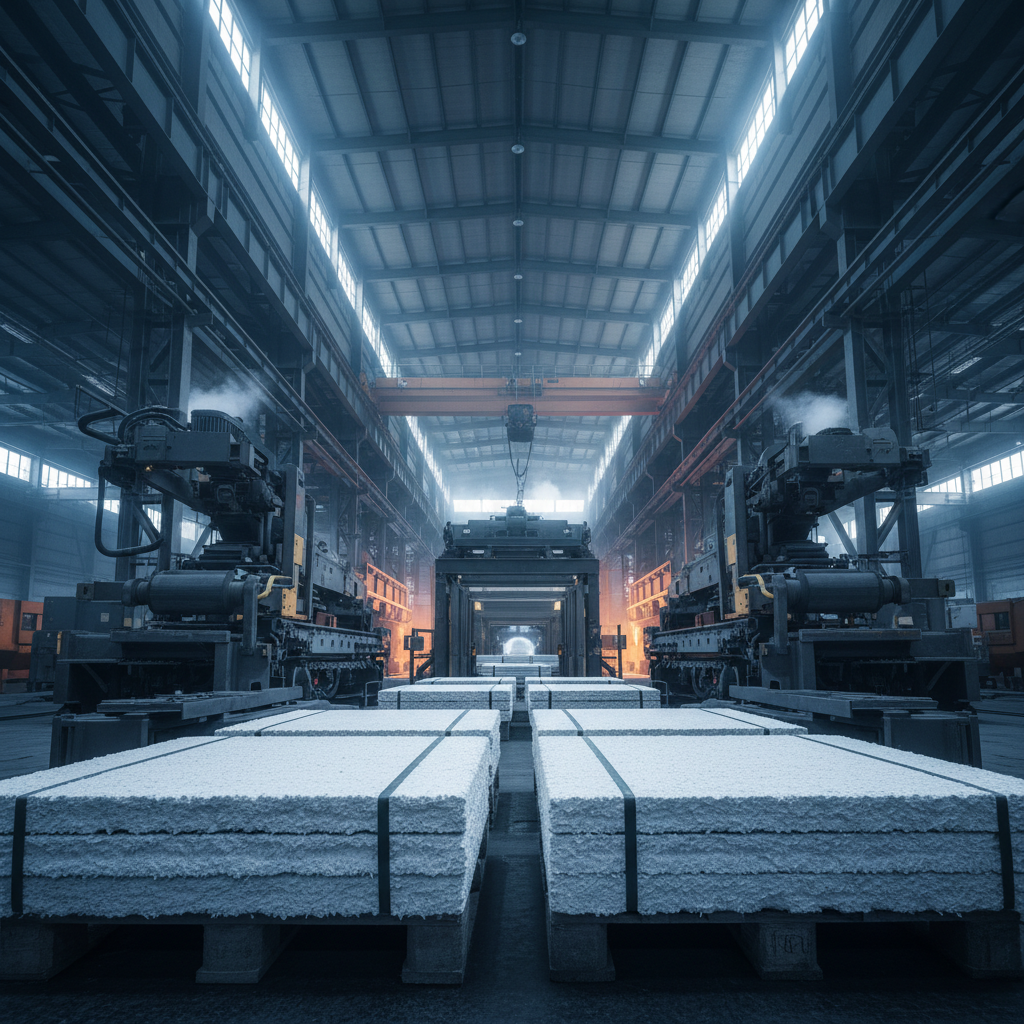
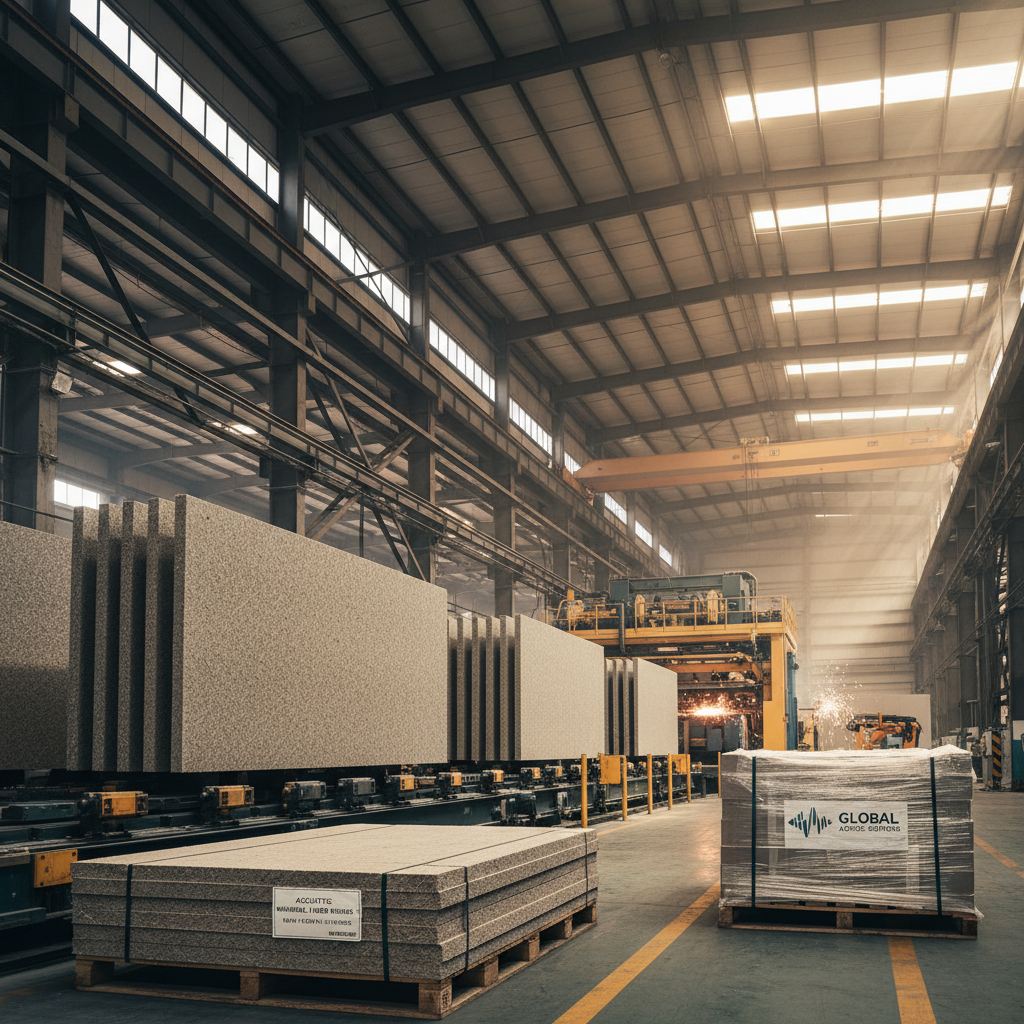
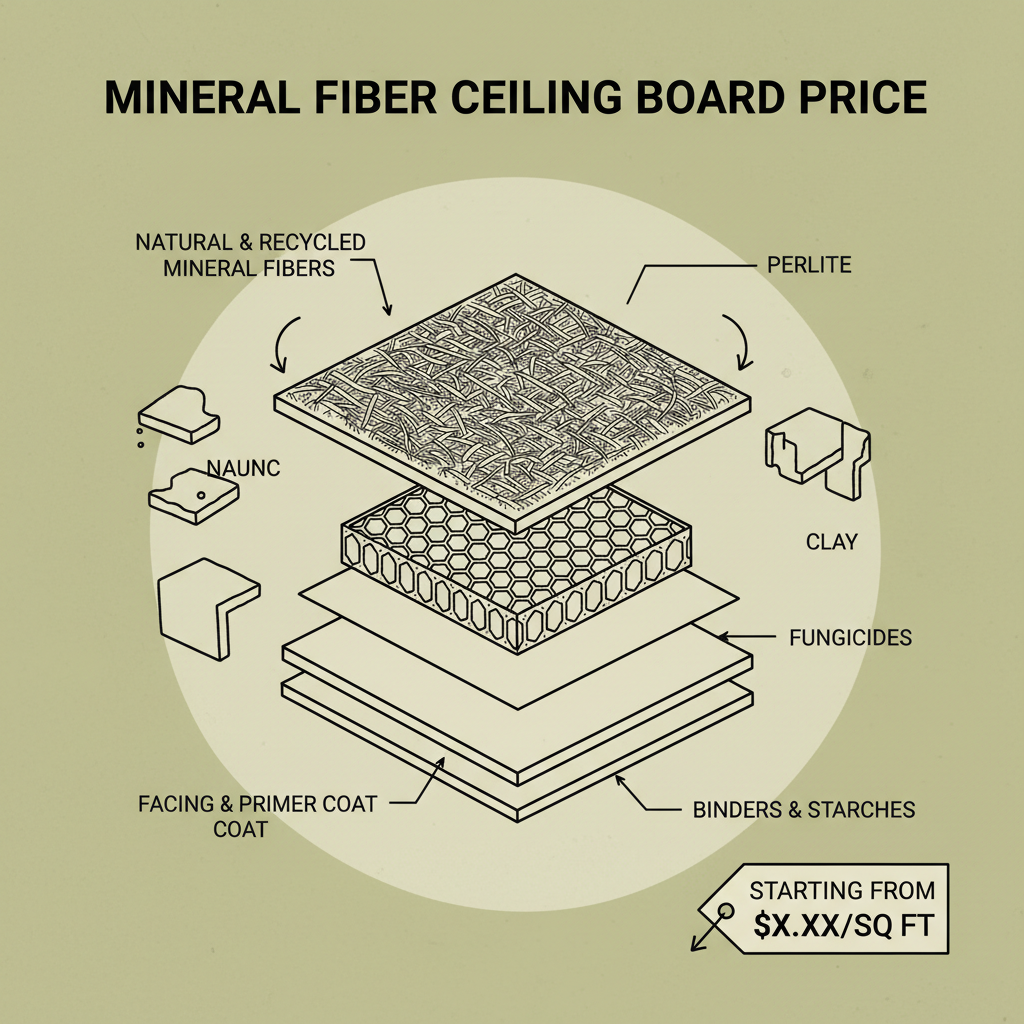
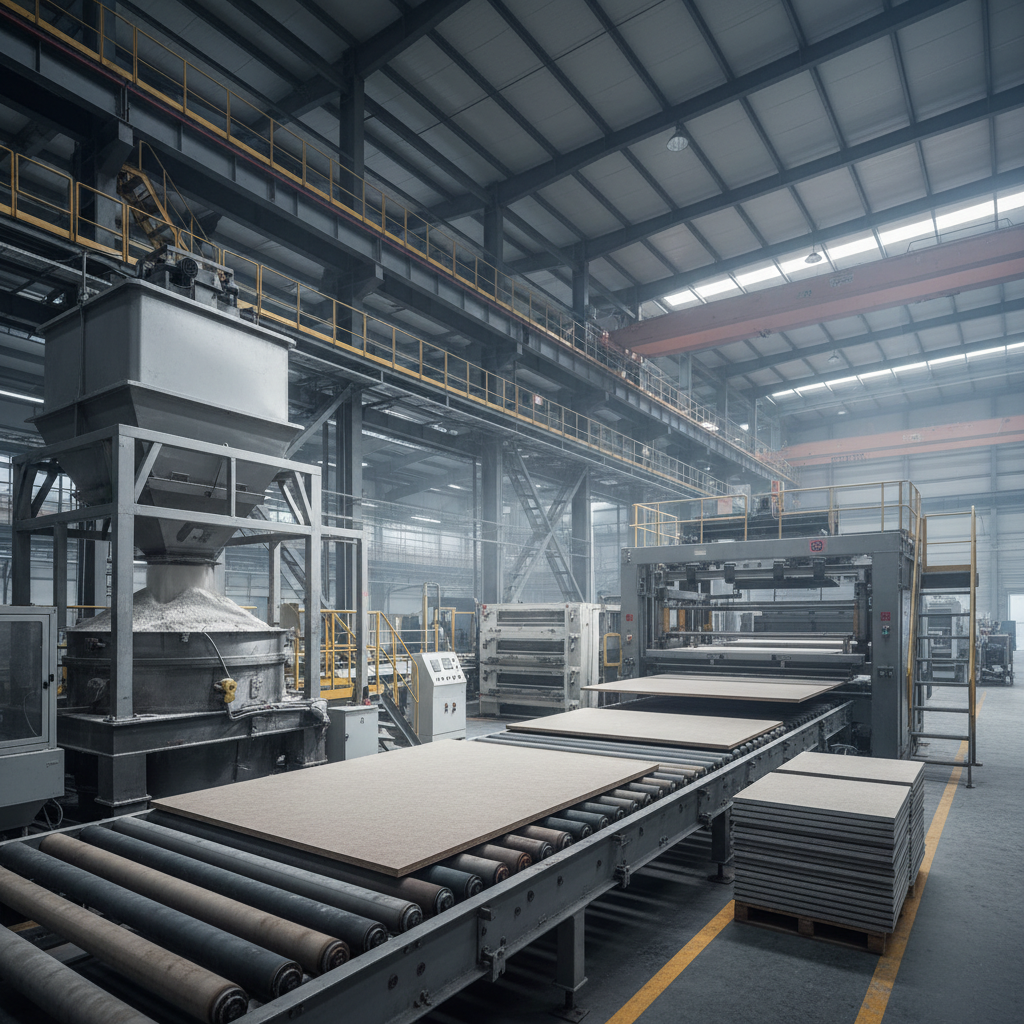
Acoustic mineral fiber board is a composite material primarily composed of mineral wool, which itself is derived from molten rock or slag spun into fine fibers. These fibers are then combined with cellulose and a binding agent, often starch-based, and formed into panels of varying thicknesses and densities. The resulting product is lightweight, easy to cut and install, and possesses excellent sound absorption properties. The material is fundamentally a porous absorber, meaning its performance is optimized by its ability to trap sound energy within its structure.
Its connection to modern industry is deeply rooted in the demand for healthier and more productive indoor environments. As open-plan offices and collaborative workspaces become more prevalent, the need to control noise pollution becomes paramount. Similarly, in sectors like healthcare, where quiet and privacy are essential for patient recovery, acoustic mineral fiber board plays a vital role.
Beyond its core function, acoustic mineral fiber board also offers thermal insulation, fire resistance, and moisture resistance, making it a multi-functional building material that contributes to overall building performance.
Key Characteristics and Components
Durability is a key characteristic of acoustic mineral fiber board. The material is resistant to sagging, warping, and deformation over time, ensuring long-lasting performance. It maintains its acoustic properties even under varying humidity and temperature conditions, making it suitable for a wide range of climates and applications. This longevity translates to reduced maintenance costs and a higher return on investment.
Cost-efficiency is another significant advantage. Compared to other soundproofing materials, acoustic mineral fiber board is often more affordable, both in terms of material cost and installation. Its lightweight nature reduces transportation costs and simplifies installation procedures, further contributing to overall project savings. This makes it an accessible solution for a broad range of budgets.
Fire resistance is a crucial safety feature. Acoustic mineral fiber board is inherently non-combustible and can significantly delay the spread of fire, providing valuable time for evacuation. It meets stringent fire safety standards and regulations, making it a preferred choice in buildings where fire protection is paramount.
Practical Applications and Use Cases
Acoustic mineral fiber board is extensively used in commercial buildings to create quiet and productive office environments. It is often installed in ceilings, wall panels, and partitions to absorb sound and reduce noise levels, improving speech privacy and reducing distractions. This is particularly important in open-plan offices where noise can easily travel.
In educational institutions, such as schools and universities, acoustic mineral fiber board is crucial for enhancing learning environments. It reduces reverberation in classrooms and lecture halls, improving speech intelligibility and making it easier for students to hear and understand their teachers. This leads to better concentration and improved academic performance.
Healthcare facilities also benefit significantly from the use of this material. Hospitals and clinics utilize it to create quieter and more soothing environments for patients, promoting relaxation and aiding in recovery. Reducing noise levels also minimizes stress for both patients and medical staff.
Acoustic Performance Comparison of Different Installation Methods
Advantages and Long-Term Value
The tangible benefits of using acoustic mineral fiber board include significant cost savings over the lifespan of a building. Reduced noise levels can lead to increased productivity in office environments and improved learning outcomes in educational settings, translating to measurable economic gains. Furthermore, the material's thermal insulation properties contribute to lower energy consumption, reducing heating and cooling costs.
From a sustainability perspective, many manufacturers are utilizing recycled content in their mineral fiber board production, minimizing environmental impact. The material is also recyclable at the end of its life cycle, further promoting a circular economy. Choosing this material demonstrates a commitment to environmental responsibility and sustainable building practices.
Future Trends and Innovations
Ongoing research and development are focused on enhancing the acoustic performance of mineral fiber board while further improving its sustainability credentials. New formulations incorporating bio-based binders and increased recycled content are emerging, reducing the material's carbon footprint. Nanotechnology is also being explored to create even more efficient sound-absorbing materials.
Digital technologies are playing a role in optimizing acoustic design using mineral fiber board. Sophisticated modeling software allows architects and engineers to predict acoustic performance with greater accuracy, ensuring optimal noise control in complex spaces. This data-driven approach leads to more effective and efficient designs.
Challenges and Potential Solutions
One common challenge is the potential for dust generation during installation and cutting of acoustic mineral fiber board. This can be mitigated by utilizing proper personal protective equipment (PPE), such as dust masks and eye protection, and employing techniques to minimize dust creation. Some manufacturers are also developing dust-reduced formulations.
Another concern can be moisture sensitivity in certain applications. While the material is generally moisture-resistant, prolonged exposure to high humidity can degrade its performance. Applying a protective coating or using a vapor barrier can help to prevent moisture damage. Selecting the appropriate board density and type for the specific application is also crucial.
Finally, ensuring proper installation techniques is vital to maximizing acoustic performance. Gaps or improper sealing can compromise the effectiveness of the material. Training installers and providing clear installation guidelines are essential for achieving optimal results.
Summary of Common Challenges and Potential Solutions for Acoustic Mineral Fiber Board
| Challenge |
Severity (1-10) |
Potential Solution |
Implementation Cost (1-10) |
| Dust Generation During Installation |
6 |
Use of PPE and Dust Control Measures |
2 |
| Moisture Sensitivity |
5 |
Protective Coatings & Vapor Barriers |
4 |
| Improper Installation |
8 |
Installer Training & Detailed Guidelines |
3 |
| Limited Design Aesthetics |
4 |
Integration with Decorative Finishes |
5 |
| Initial Material Cost |
3 |
Lifecycle Cost Analysis (energy savings etc.) |
1 |
| Sourcing Sustainable Materials |
6 |
Prioritize Manufacturers with Recycled Content |
2 |
FAQS
Acoustic mineral fiber board offers a compelling combination of benefits, including excellent sound absorption, thermal insulation, fire resistance, and cost-effectiveness. Unlike some materials that only address sound, this board provides multiple performance advantages. It’s also lightweight and easy to install, contributing to reduced labor costs. The sustainability aspects, with many products containing recycled content, are also a significant advantage.
Generally, increasing the thickness of acoustic mineral fiber board enhances its sound absorption capabilities, particularly at lower frequencies. Thicker boards provide a greater depth for sound waves to penetrate and be dissipated as heat. However, there's a point of diminishing returns; beyond a certain thickness, the improvement in sound absorption may become marginal. The optimal thickness depends on the specific noise frequencies you're trying to control.
While acoustic mineral fiber board exhibits some moisture resistance, prolonged exposure to high humidity can reduce its performance. To mitigate this, it’s recommended to use boards specifically designed for humid environments or to apply a moisture-resistant coating. A vapor barrier can also be installed to prevent moisture from reaching the board. Proper ventilation is also essential in maintaining a stable humidity level.
Acoustic mineral fiber board is generally classified as non-combustible and boasts excellent fire safety ratings. It typically meets or exceeds standards such as ASTM E84 and CAN/ULC-S102, indicating low flame spread and smoke development. This makes it a preferred choice in buildings where fire protection is a critical concern. Always consult the manufacturer's data sheet for specific fire rating information.
Proper installation is crucial for achieving optimal acoustic performance. Ensure the board is tightly fitted to surrounding surfaces to prevent sound leakage. Seal any gaps or cracks with acoustic sealant. Avoid compressing the board during installation, as this can reduce its sound absorption capabilities. Following the manufacturer’s guidelines is essential for a successful installation.
Yes, acoustic mineral fiber board can be a sustainable building material. Many manufacturers use recycled content in their production process, reducing the demand for virgin materials. The material is also recyclable at the end of its life cycle. Furthermore, its thermal insulation properties can contribute to energy savings, reducing a building's carbon footprint. Look for products with environmental certifications.
Conclusion
In conclusion, acoustic mineral fiber board offers a comprehensive solution for managing sound and improving the indoor environment. Its unique combination of acoustic performance, thermal insulation, fire resistance, cost-effectiveness, and increasingly, sustainability, makes it a valuable asset in a wide range of applications, from commercial buildings to educational institutions and healthcare facilities. Understanding its characteristics and proper installation techniques is vital for maximizing its benefits.
Looking ahead, ongoing innovation in material science and manufacturing processes will likely lead to even more efficient and sustainable acoustic mineral fiber board products. Adopting this material is not merely about addressing noise pollution; it's about creating healthier, more productive, and more comfortable spaces for everyone. We encourage you to explore the possibilities of acoustic mineral fiber board to enhance your next project.