Fiber ceiling sheets are revolutionizing interior design and construction, offering a versatile and aesthetically pleasing alternative to traditional ceiling materials. Globally, the demand for sustainable and efficient building solutions is on the rise, driven by concerns about environmental impact and the need for cost-effective construction. Fiber ceiling sheets address both these needs, providing a lightweight, durable, and eco-friendly solution for a wide range of applications.
The increasing urbanization and infrastructure development worldwide are further fueling the growth of the fiber ceiling sheets market. Emerging economies, in particular, are seeking innovative and affordable building materials to meet the growing demands of their populations. With its ease of installation, fire resistance, and sound absorption properties, fiber ceiling sheets are becoming increasingly popular among architects, contractors, and homeowners alike.
Understanding the nuances of fiber ceiling sheets – from their composition and manufacturing processes to their various applications and benefits – is crucial for professionals in the construction industry and anyone looking to enhance the aesthetic and functional value of their living or working spaces.
Introduction to Fiber Ceiling Sheets
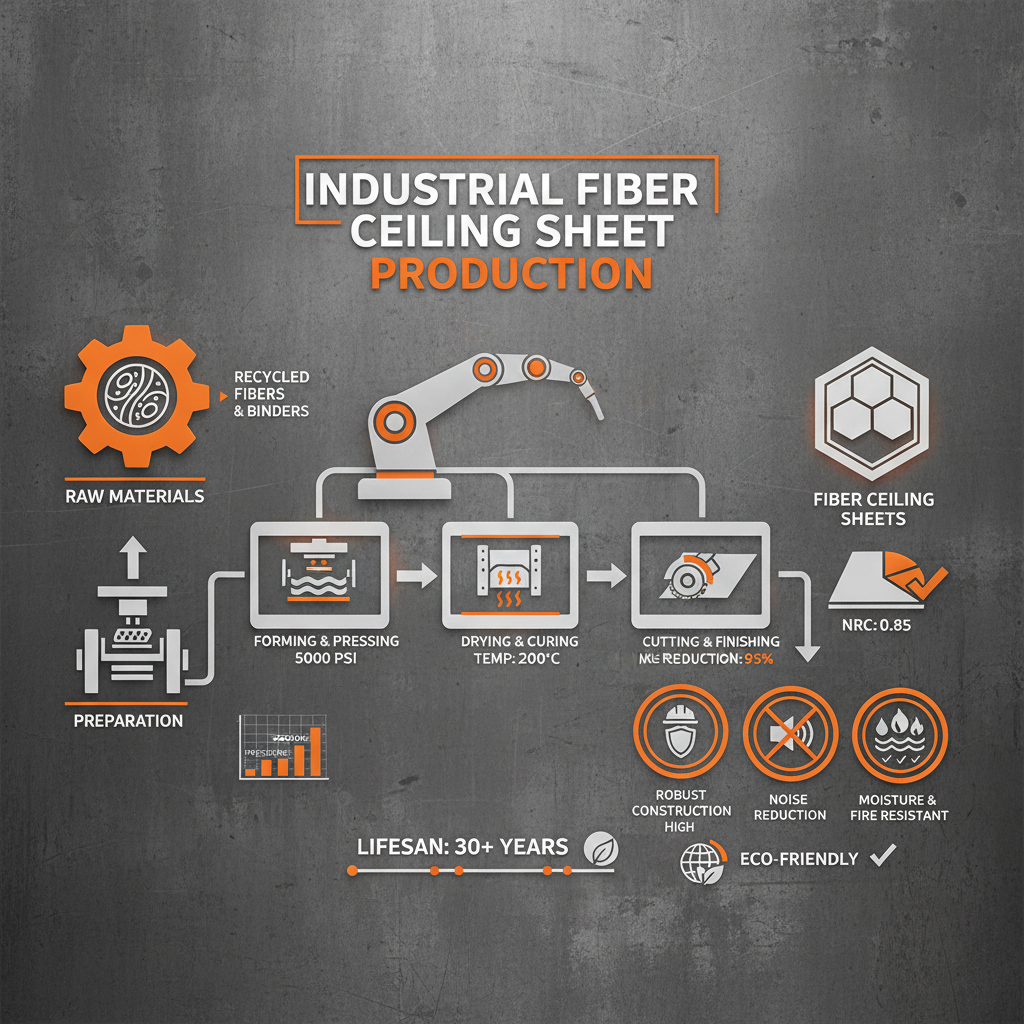
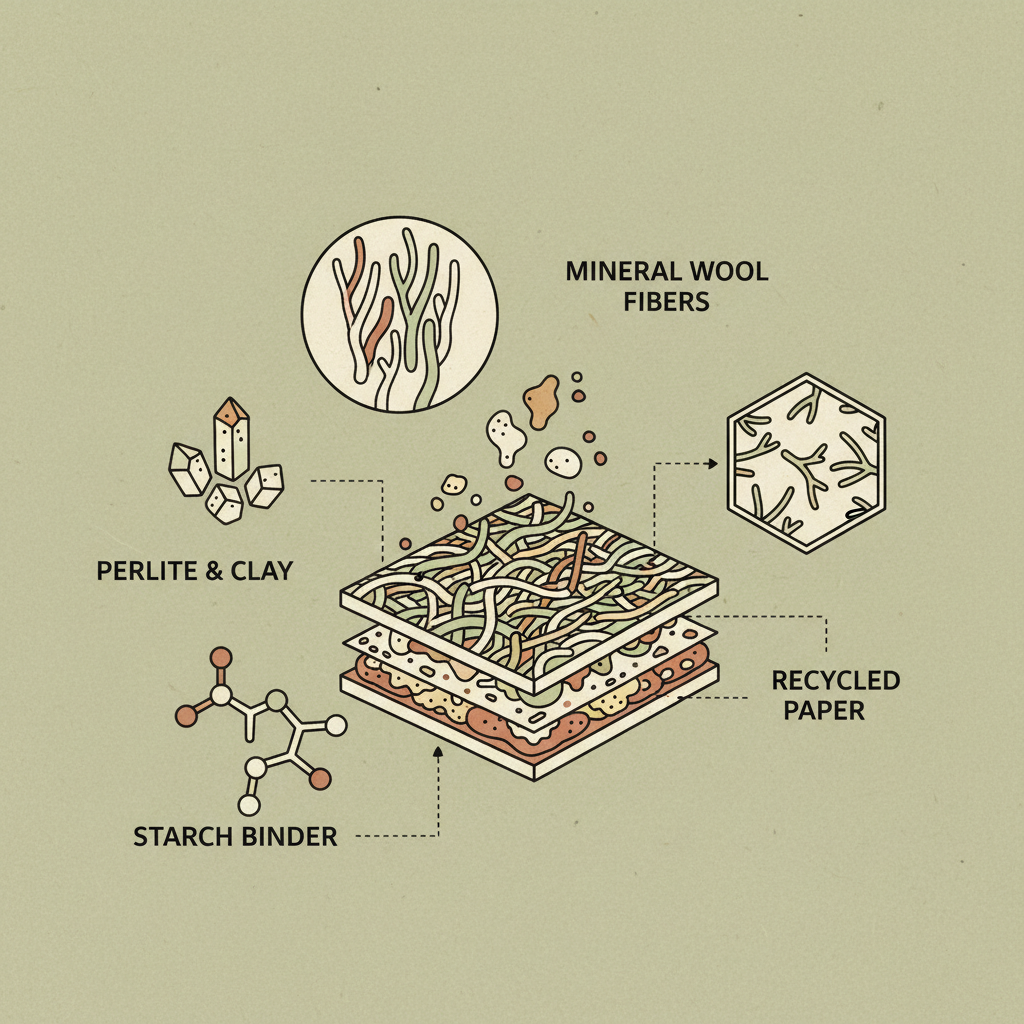
Fiber ceiling sheets represent a significant advancement in interior finishing materials. They are composed of specially processed plant fibers, typically wood fibers, mineral fibers, or a blend of both, bound together with a cementitious or mineral-based binder. This composition yields a product that is not only lightweight and easy to handle but also boasts excellent acoustic and thermal properties. fiber ceiling sheets are becoming increasingly sought after for their versatility and performance.
The use of fiber ceiling sheets extends beyond mere aesthetics. Their inherent fire resistance, coupled with their ability to absorb sound, makes them ideal for a variety of applications, from commercial offices and educational institutions to residential homes and healthcare facilities. The growing emphasis on sustainable building practices is further driving the adoption of these eco-friendly materials, positioning fiber ceiling sheets as a key component of modern construction.
Global Relevance and Industry Context
The global construction industry is a massive economic force, accounting for approximately 6% of global GDP, according to the World Bank. Within this sector, interior finishing materials represent a substantial portion of the market. Demand is particularly strong in rapidly developing regions of Asia-Pacific, Latin America, and Africa, where large-scale infrastructure projects and urbanization are driving construction activity. This creates a significant opportunity for innovative materials like fiber ceiling sheets.
The construction industry is facing increasing pressure to adopt sustainable practices and reduce its environmental footprint. Traditional ceiling materials, such as gypsum board, often have a high embodied energy and generate significant waste during production and demolition. Fiber ceiling sheets offer a more sustainable alternative, utilizing renewable resources and minimizing waste. ISO standards increasingly prioritize the use of environmentally friendly materials in construction.
A critical challenge facing the industry is the need for cost-effective building solutions, particularly in affordable housing projects. Fiber ceiling sheets provide a balance of performance, sustainability, and affordability, making them an attractive option for addressing this challenge. The ease of installation and reduced labor costs further contribute to their overall economic benefits.
Defining Fiber Ceiling Sheets
Fiber ceiling sheets are prefabricated panels used for creating suspended or directly fixed ceilings. Unlike traditional materials like plasterboard, they are manufactured using natural or recycled fibers, typically wood, mineral wool, or cellulose, bonded together with a cementitious or mineral binder. This results in a lightweight yet strong and durable product capable of withstanding various environmental conditions.
The connection to modern industry lies in the growing demand for sustainable and energy-efficient building materials. These sheets actively contribute to LEED (Leadership in Energy and Environmental Design) certification, a globally recognized green building rating system. Their acoustic properties also address the increasing need for noise reduction in modern office spaces and residential buildings, aligning with demands for improved indoor environmental quality.
In terms of humanitarian needs, fiber ceiling sheets can be rapidly deployed in disaster relief efforts, providing immediate shelter and protection. Their lightweight nature simplifies transportation and installation, even in challenging environments. The inherent fire resistance is a critical safety feature in such situations, offering a vital layer of protection for affected communities.
Key Factors of Fiber Ceiling Sheets
Several key factors contribute to the increasing popularity of fiber ceiling sheets. Firstly, Durability is a significant advantage; these sheets exhibit excellent resistance to impact, moisture, and wear, ensuring a long service life. Secondly, Acoustic Performance is a standout feature, providing effective sound absorption to reduce noise levels.
Thirdly, Fire Resistance is crucial for safety, as fiber ceiling sheets are non-combustible and can help to contain fires. Fourthly, Sustainability is a growing concern, and fiber ceiling sheets are made from renewable resources and are often recyclable.
Performance Comparison of Different Fiber Ceiling Sheet Methods
Global Applications & Use Cases
Fiber ceiling sheets find widespread application across diverse sectors. In commercial buildings, they are used to create aesthetically pleasing and acoustically comfortable office spaces. In educational institutions, their fire-resistant properties and durability make them ideal for classrooms and hallways. fiber ceiling sheets are increasingly preferred in healthcare facilities due to their hygienic properties and ability to maintain a clean environment.
In post-disaster relief operations, fiber ceiling sheets can be quickly deployed to create temporary shelters, offering a safe and comfortable environment for displaced populations. In remote industrial zones, their lightweight nature and ease of installation reduce transportation and labor costs. In residential construction, they provide a cost-effective and aesthetically versatile ceiling solution.
Advantages & Long-Term Value
The advantages of utilizing fiber ceiling sheets extend beyond initial cost savings. The inherent durability of the material translates to reduced maintenance and replacement costs over the lifespan of the building. Their excellent thermal insulation properties contribute to energy efficiency, lowering heating and cooling bills. Furthermore, the sustainable sourcing of materials promotes environmental responsibility and enhances brand image.
From a social impact perspective, the use of these sheets promotes healthier indoor environments, improving occupant well-being and productivity. The fire resistance provides a critical safety net, offering peace of mind to building owners and occupants. The aesthetic versatility allows for creative design possibilities, enhancing the overall appeal of the space and fostering a sense of community.
Future Trends & Innovations
The future of fiber ceiling sheets is bright, with ongoing research and development focused on enhancing their performance and sustainability. Emerging trends include the incorporation of bio-based binders, further reducing the environmental footprint of these materials. Innovations in manufacturing processes are aimed at improving production efficiency and reducing costs.
Digital technologies, such as Building Information Modeling (BIM), are being integrated to optimize the design and installation of fiber ceiling systems. The development of smart ceilings, incorporating sensors and lighting, is another exciting area of innovation. The growing demand for green building certifications will continue to drive the adoption of these eco-friendly materials.
Automation in manufacturing and installation processes is poised to streamline production and reduce labor costs, making fiber ceiling sheets even more competitive in the market. Furthermore, exploring the potential of incorporating recycled materials into the fiber matrix will enhance circularity and contribute to a more sustainable construction industry.
FAQS
Fiber ceiling sheets offer several advantages. They are generally more sustainable, utilizing renewable resources. They often exhibit superior acoustic performance, enhanced fire resistance, and can be lighter in weight, simplifying installation. While initial costs may vary, the long-term benefits related to durability, maintenance, and energy efficiency often make fiber ceiling sheets a more cost-effective choice.
Fiber ceiling sheets are known for their ease of installation, often requiring fewer specialized tools compared to other ceiling materials. Typically, you’ll need a utility knife for cutting, measuring tools, screws or adhesives (depending on the installation method), and standard safety equipment. Many manufacturers provide detailed installation guidelines and training resources to ensure a smooth process.
Yes, many fiber ceiling sheets are specifically designed to resist moisture and are suitable for humid environments. However, it’s crucial to choose a product with a moisture-resistant coating or treatment. Proper ventilation is also essential to prevent condensation buildup. Always consult the manufacturer's specifications to ensure compatibility with your specific application.
Fiber ceiling sheets generally have a high fire rating, often classified as non-combustible or with a low flame spread index. They often outperform materials like standard gypsum board in fire resistance tests. Specific fire ratings will vary depending on the product and local building codes. Always refer to the manufacturer’s documentation and ensure compliance with relevant regulations.
Yes, fiber ceiling sheets are considered an environmentally friendly building material. They are typically made from renewable resources and often contain recycled content. Many manufacturers are also committed to sustainable manufacturing practices. While recyclability can vary depending on the specific product and local recycling facilities, efforts are being made to increase the recyclability of these materials.
The lifespan of a fiber ceiling sheet installation can be quite long, often exceeding 20-30 years with proper installation and maintenance. Their durability and resistance to moisture and impact contribute to their longevity. Regular inspections and cleaning can help to further extend their service life. Choosing high-quality products from reputable manufacturers is also essential.
Conclusion
In conclusion, fiber ceiling sheets represent a compelling solution for modern construction, offering a unique blend of sustainability, performance, and cost-effectiveness. Their versatility allows for a wide range of applications, from commercial buildings to disaster relief shelters, while their inherent benefits contribute to healthier, safer, and more energy-efficient spaces. The continued innovation in materials and manufacturing processes promises to further enhance their appeal.
Looking ahead, the adoption of fiber ceiling sheets is expected to grow as the construction industry embraces sustainable building practices and seeks innovative solutions to address global challenges. By prioritizing these materials, we can contribute to a more resilient, environmentally responsible, and aesthetically pleasing built environment. To learn more about the benefits of fiber ceiling sheets and explore our product offerings, visit our website today.