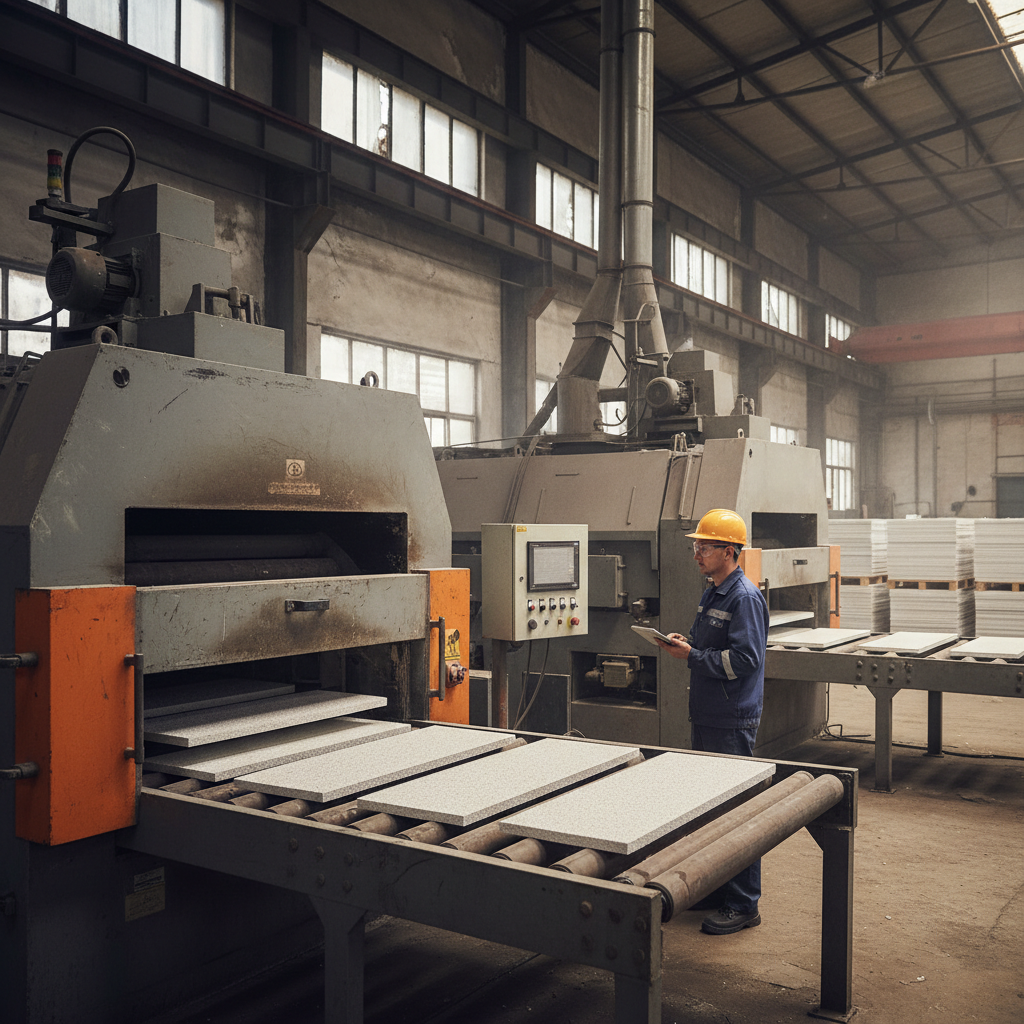
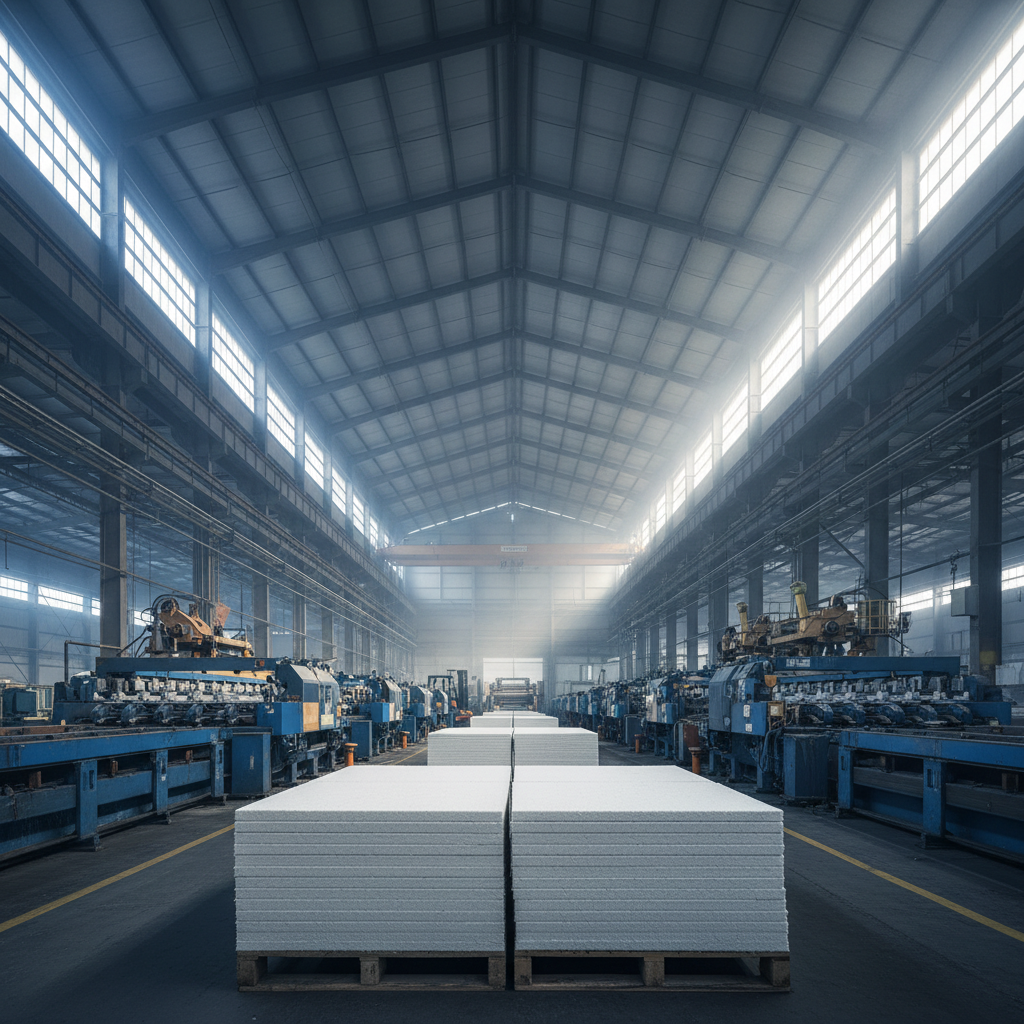
Fiber false ceiling materials are revolutionizing interior design and construction globally, offering a unique blend of aesthetic appeal, acoustic performance, and sustainable qualities. From commercial spaces to residential projects, their versatility is driving increased adoption, fueled by a growing demand for innovative building solutions. Understanding the nuances of these materials is crucial for architects, designers, and builders seeking to create functional and visually striking environments.
The global market for false ceilings is expanding rapidly, with fiber-based options capturing a significant share due to their competitive advantages over traditional materials like gypsum or mineral fiber. According to recent reports, the Asia-Pacific region represents the largest market, driven by infrastructure development and urbanization. This growth underscores the importance of selecting the right materials to meet the evolving needs of modern buildings, particularly in terms of sustainability and energy efficiency.
Addressing challenges in indoor air quality and noise reduction, fiber false ceiling materials provide a cost-effective and environmentally friendly solution. Their lightweight nature simplifies installation, reducing project timelines and labor costs. This makes them an attractive option for a wide range of applications, contributing to a more comfortable and productive built environment.
Introduction to Fiber False Ceiling Materials
Fiber false ceiling materials represent a modern advancement in building construction, providing a versatile and aesthetically pleasing solution for concealing services and enhancing interior spaces. These materials are increasingly favored by architects and designers seeking to balance functionality with visual appeal. Their adaptability makes them suitable for diverse applications, from offices and hospitals to retail spaces and educational institutions.
The growing demand for sustainable building practices has further propelled the adoption of fiber-based false ceilings. Made from recycled or renewable resources, they contribute to LEED certification and reduce the environmental impact of construction projects. This eco-conscious approach aligns with the global push for greener building solutions, making fiber false ceilings an increasingly responsible choice for developers and building owners.
Defining Fiber False Ceiling Materials
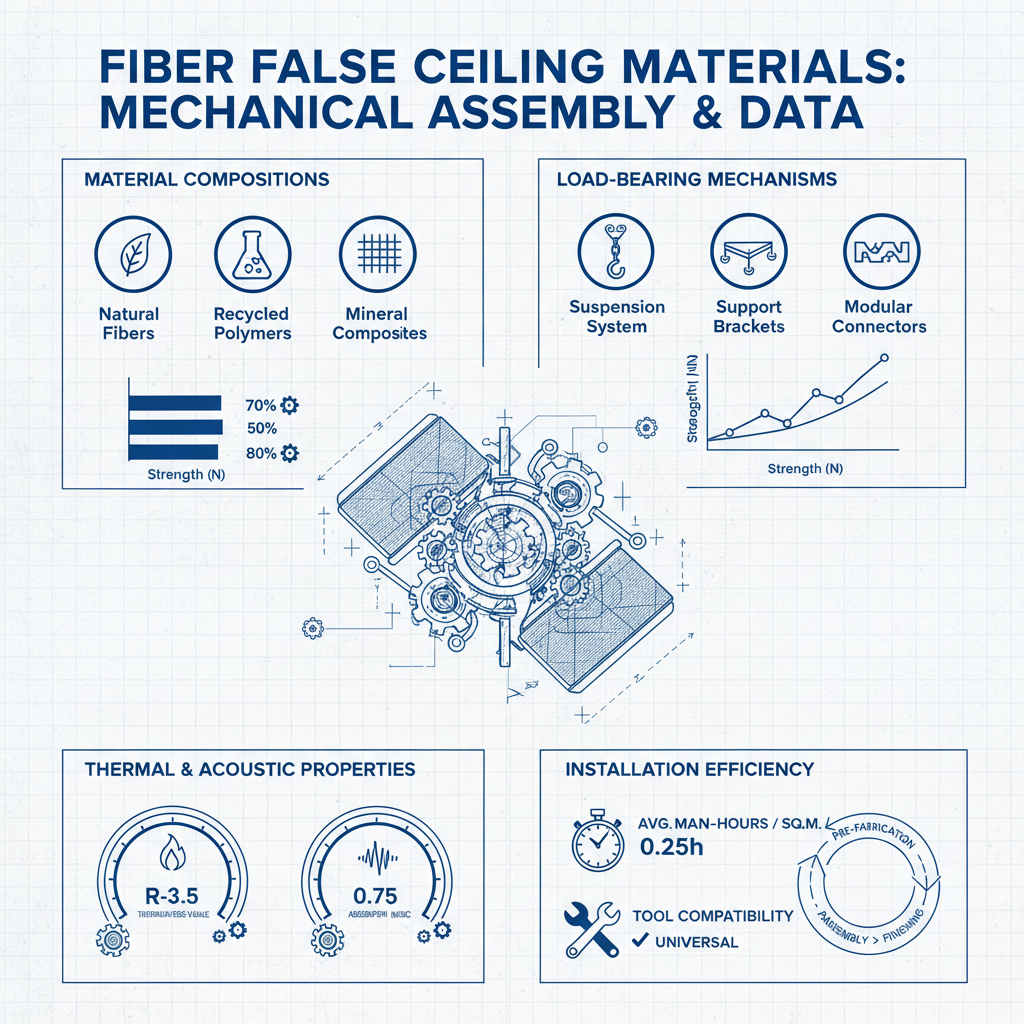
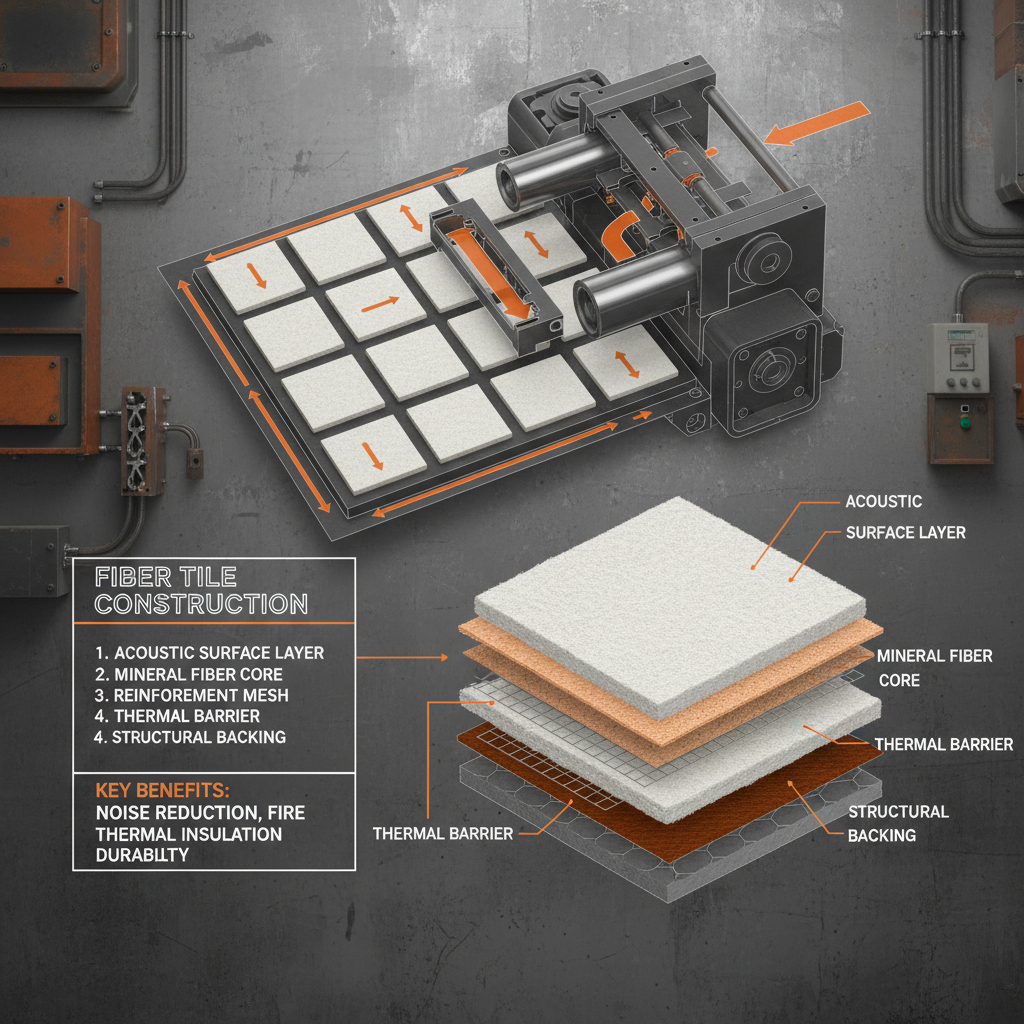
Fiber false ceiling materials are secondary ceilings hung below the main structural ceiling of a building. Unlike traditional materials, these are primarily composed of organic fibers – often wood fiber, mineral wool, or recycled paper – bound together with a binder. This composition delivers superior acoustic properties and thermal insulation compared to alternatives. They are available in a wide array of textures, patterns, and sizes, offering flexibility in design.
The function extends beyond mere aesthetics. They conceal unsightly elements like pipes, wiring, and ductwork, creating a clean and organized appearance. Their relatively lightweight nature simplifies installation, reducing construction time and labor costs. Furthermore, fiber false ceilings contribute to a building's fire safety by providing a barrier to flame spread and smoke propagation.
These materials are deeply connected to modern industry needs for versatile, sustainable, and high-performance building components. They address the demand for interior solutions that contribute to both the functional and aesthetic qualities of a space while minimizing environmental impact, particularly vital in sectors focused on wellness and productivity.
Key Characteristics of Fiber False Ceiling Materials
Fiber false ceiling materials boast several key characteristics that contribute to their popularity. Firstly, they offer exceptional acoustic performance, absorbing sound and reducing reverberation within a space. Secondly, they possess excellent thermal insulation properties, helping to regulate temperature and lower energy consumption.
Thirdly, their inherent fire resistance adds an important layer of safety to buildings. Fourthly, the lightweight nature of these materials significantly eases installation processes, reducing labor time and associated costs. Finally, the availability of sustainable options, often incorporating recycled content, addresses growing environmental concerns.
These characteristics translate into practical applications across various sectors. In offices, improved acoustics enhance concentration and productivity. In hospitals, noise reduction creates a more calming environment for patients. In retail spaces, thermal comfort encourages longer customer visits. Ultimately, these benefits improve the overall experience within any space where they are installed.
Durability and Longevity of Fiber False Ceiling Materials
The durability of fiber false ceiling materials is a key consideration for long-term cost-effectiveness. While often perceived as delicate, modern manufacturing techniques and material advancements have significantly enhanced their resistance to impact, moisture, and general wear and tear. Proper installation and maintenance are, of course, crucial to maximizing their lifespan.
Different fiber compositions offer varying degrees of durability. For example, mineral fiber ceilings exhibit high resistance to sagging and mold growth, making them suitable for humid environments. Wood fiber ceilings offer excellent dimensional stability and can withstand significant loads. Regular cleaning and occasional repairs can extend the life of these materials for decades.
Durability Ratings of Different Fiber False Ceiling Materials
Global Applications of Fiber False Ceiling Materials
Fiber false ceiling materials find applications in a vast array of settings across the globe. In commercial buildings, they are widely used to create aesthetically pleasing and acoustically comfortable office spaces. Hospitals and healthcare facilities leverage their hygiene and sound-absorbing properties to provide a more healing environment.
Educational institutions benefit from the improved acoustics that facilitate learning and concentration. Retail spaces utilize them to enhance the shopping experience through improved lighting and temperature control. In post-disaster relief operations, lightweight and easily installed fiber ceilings can quickly create habitable spaces in temporary shelters.
Advantages and Long-Term Value
The advantages of utilizing fiber false ceiling materials extend beyond initial cost savings. Their contribution to energy efficiency, through enhanced thermal insulation, results in reduced heating and cooling expenses over the building's lifespan. The improved acoustics translate to increased productivity and well-being for occupants.
Furthermore, the use of sustainable materials aligns with corporate social responsibility goals and enhances a building’s green credentials. These factors combine to create long-term value, not just financially, but also in terms of environmental impact and occupant satisfaction. The enhanced safety features offered, like fire resistance, contribute to peace of mind for building owners and users.
Future Trends and Innovations
The future of fiber false ceiling materials is bright, with ongoing innovations focused on enhancing sustainability, performance, and design flexibility. Researchers are exploring new bio-based binders and fiber sources to further reduce the environmental footprint of these materials. Smart ceiling systems, incorporating integrated lighting, sensors, and acoustic controls, are also gaining traction.
Digital fabrication techniques, such as 3D printing, promise to enable the creation of customized ceiling designs with unparalleled precision. The integration of these materials with Building Information Modeling (BIM) software will streamline the design and installation process. Ultimately, these advancements aim to create intelligent and responsive interior environments that optimize comfort, efficiency, and sustainability.
The convergence of green building practices, digital transformation, and material science is poised to drive significant advancements in this field. Expect to see increased adoption of modular systems for faster installation and easier maintenance, as well as materials designed for superior sound absorption and air purification capabilities.
FAQS
Fiber false ceiling materials excel at sound absorption, reducing noise levels and reverberation within a space. They achieve this through their porous structure, which traps sound waves and minimizes their reflection. This is particularly beneficial in environments like offices, classrooms, and healthcare facilities where noise control is critical for productivity and well-being. Different fiber types and thicknesses offer varying levels of sound absorption, allowing for tailored solutions to specific acoustic needs.
Fiber false ceiling materials often utilize recycled content, such as paper or wood fibers, reducing reliance on virgin resources. Many manufacturers prioritize sustainable sourcing and manufacturing processes. They contribute to LEED certification by offering low-VOC emissions and improving indoor air quality. Their thermal insulation properties also reduce energy consumption for heating and cooling, further minimizing a building's environmental impact.
Certain types of fiber false ceiling materials, particularly those made with mineral fiber, exhibit excellent resistance to moisture and mold growth. However, it's crucial to select materials specifically designed for humid environments and ensure proper ventilation. Avoid using paper-based fibers in areas prone to prolonged exposure to moisture, as they can become damaged. A vapor barrier can also be used to further protect against moisture infiltration.
With proper installation and maintenance, fiber false ceilings can last for 20-30 years or even longer. Regular cleaning to remove dust and debris will help maintain their appearance and performance. Addressing any minor damage or sagging promptly will prevent larger issues from developing. The lifespan also depends on the specific fiber composition and the environmental conditions within the building.
Fiber false ceiling materials are generally lightweight, making them easier to handle and install compared to heavier traditional tiles like gypsum. They often utilize a grid system similar to traditional installations, but the lighter weight reduces strain on the suspension system. However, proper cutting and fitting are still essential for a professional finish. Hiring experienced installers is recommended, especially for complex designs.
Fiber false ceiling materials are typically designed to meet stringent fire safety standards. They commonly achieve a Class A fire rating, indicating minimal flame spread and smoke development. They act as a fire barrier, slowing down the spread of flames and providing valuable time for evacuation. Check the specific product specifications to confirm its fire resistance rating and compliance with local building codes.
Conclusion
Fiber false ceiling materials represent a compelling solution for modern building design, offering a unique combination of aesthetic appeal, acoustic performance, sustainability, and cost-effectiveness. From improving indoor air quality and reducing noise pollution to lowering energy consumption and enhancing building safety, the benefits are substantial and far-reaching. As we move towards a more sustainable and human-centric built environment, the demand for these versatile materials will only continue to grow.
Investing in fiber false ceiling materials is not just a design choice; it’s a commitment to long-term value, environmental responsibility, and the well-being of building occupants. We encourage architects, designers, and builders to explore the diverse range of options available and integrate these innovative materials into their projects. Visit our website at fiber false ceiling materials to learn more and discover how we can help you create exceptional interior spaces.