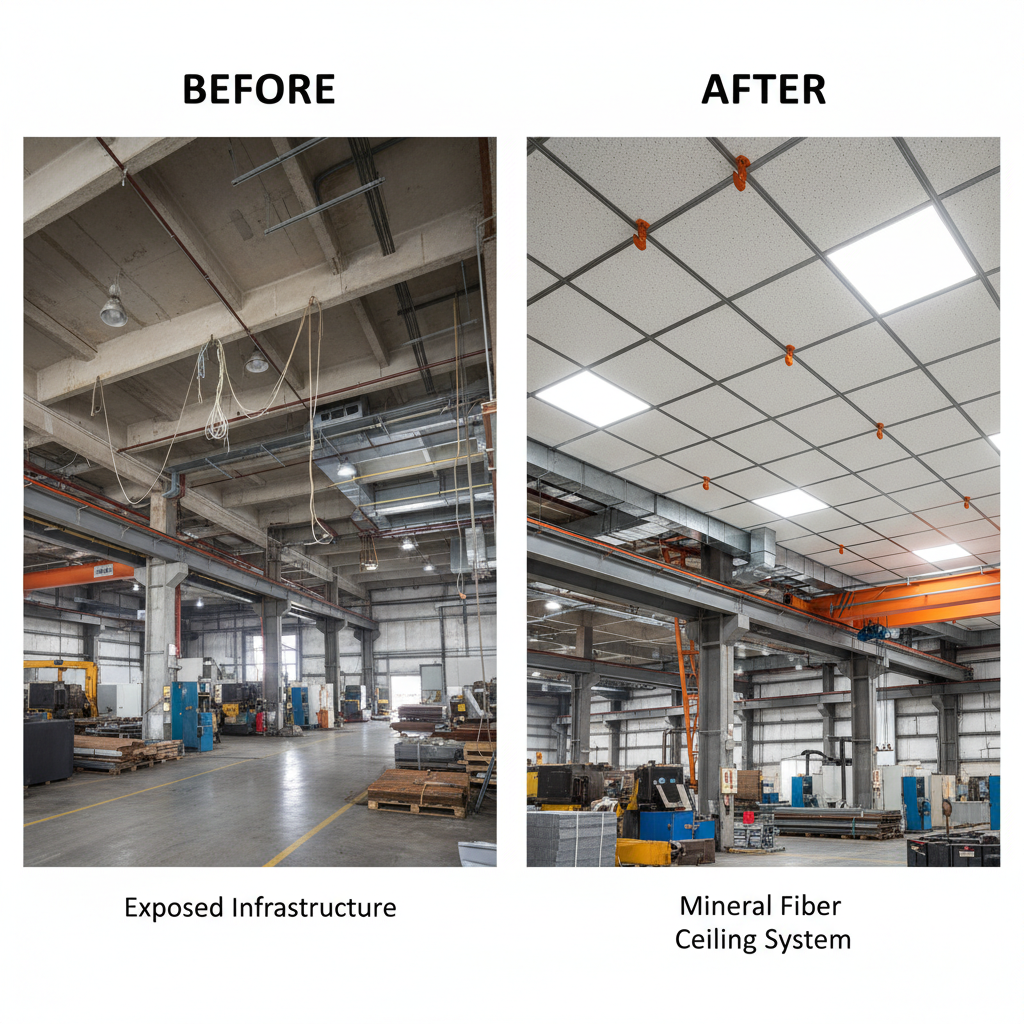
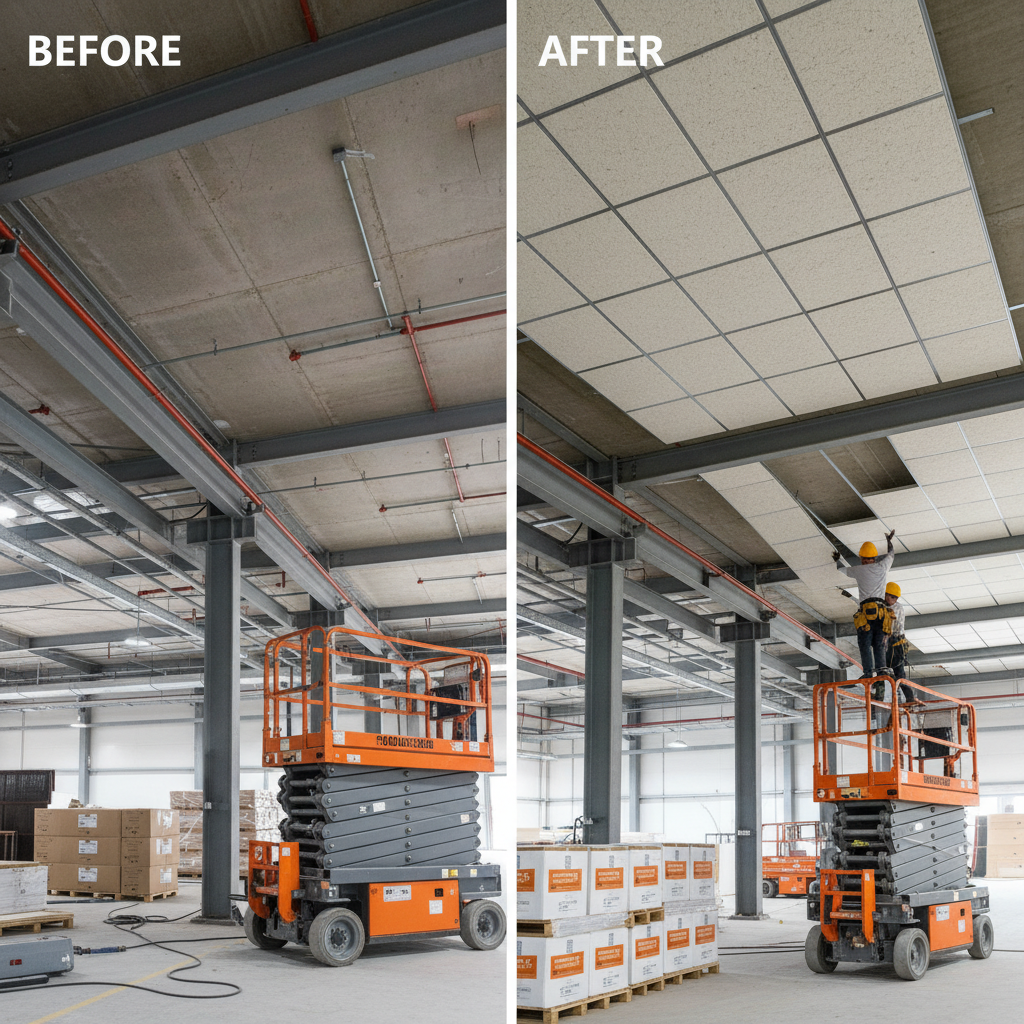
Fiber tile technology represents a significant advancement in modern building materials, offering a versatile and sustainable solution for a wide range of applications. Its inherent properties, like lightweight nature, acoustic performance, and design flexibility, make it a compelling alternative to traditional materials. Understanding the nuances of fiber tile is crucial for architects, designers, and contractors seeking innovative and environmentally responsible building solutions.
Globally, the demand for sustainable building materials is escalating, driven by increasing environmental awareness and stricter regulations. Fiber tile emerges as a key player in this transition, offering a reduced carbon footprint compared to conventional materials like concrete and gypsum. Its adaptability makes it suitable for diverse climates and project requirements, from commercial interiors to large-scale public spaces.
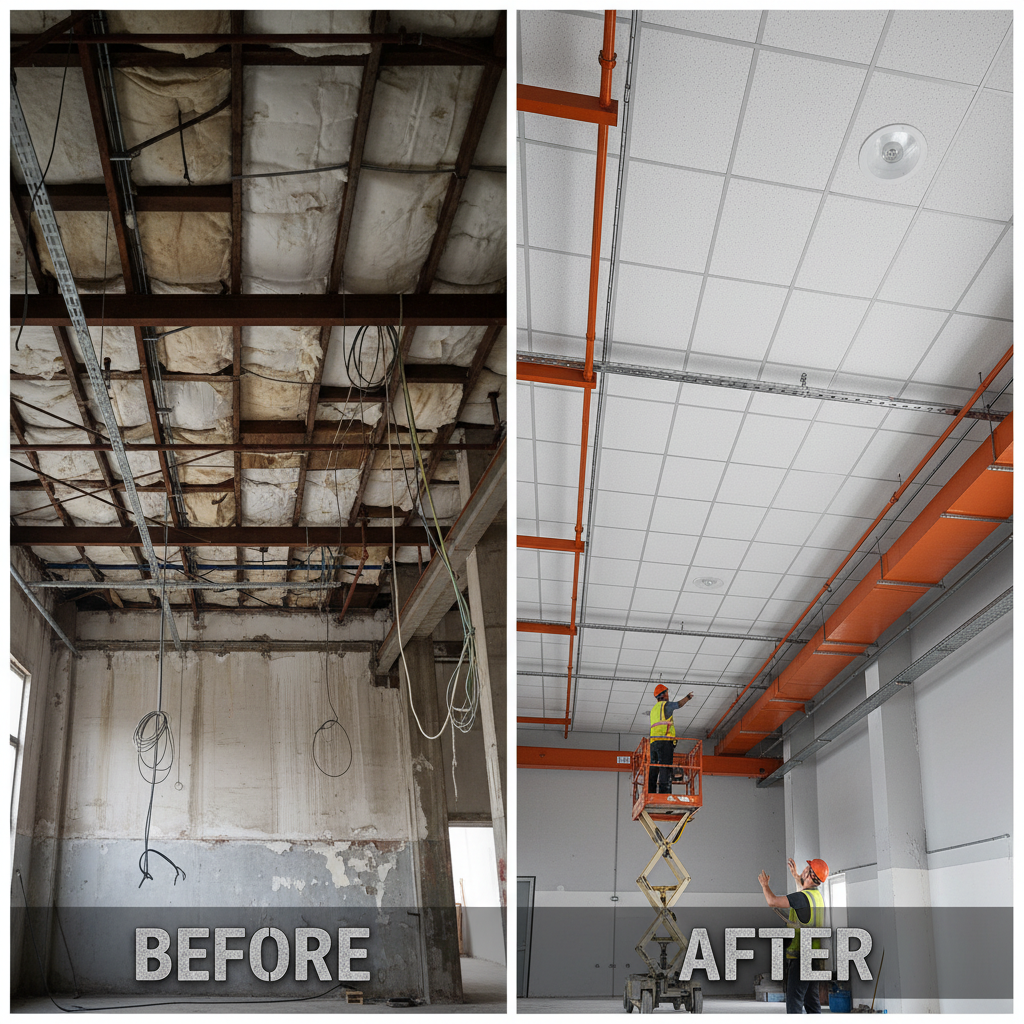
The rising cost of raw materials and labor also contributes to the growing appeal of fiber tile. Its relatively straightforward installation process and potential for prefabrication can significantly reduce project timelines and overall costs, making it an economically viable option for both new construction and renovation projects.
Introduction to Fiber Tile
Fiber tile represents a modern approach to interior design and construction, offering a unique blend of aesthetic appeal, acoustic performance, and sustainability. It is a versatile material that can be adapted to various applications, including wall coverings, ceiling panels, and even modular furniture components. fiber tile is increasingly becoming a preferred choice for architects and designers seeking innovative building solutions.
The growing popularity of fiber tile is driven by a desire for environmentally friendly alternatives to traditional building materials. Unlike many conventional options, fiber tile often incorporates recycled materials and is manufactured using processes that minimize waste and energy consumption. This contributes to a lower carbon footprint and supports sustainable building practices.
Defining Fiber Tile
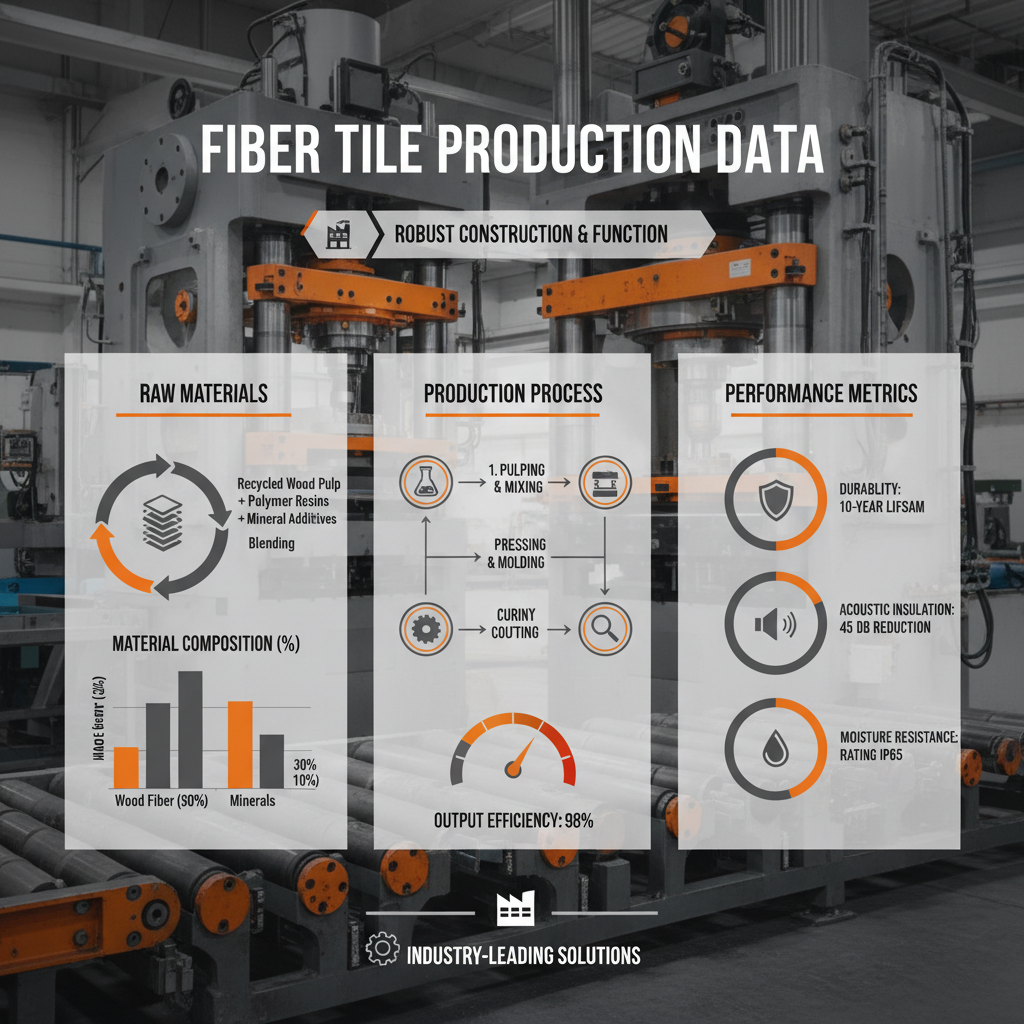
At its core, fiber tile is a composite material typically made from a combination of natural or synthetic fibers bonded together with a resin system. These fibers can include wood pulp, mineral wool, polyester, or even recycled textile waste. The resulting material is lightweight, durable, and possesses excellent acoustic properties, making it ideal for sound absorption and noise reduction.
Its connection to modern industry stems from the increasing demand for materials that offer both functionality and aesthetic appeal. Fiber tile allows for a high degree of design flexibility, with options for custom shapes, colors, and textures. This makes it a popular choice for creating visually stunning and acoustically comfortable spaces in offices, schools, hospitals, and other public buildings.
Fiber tile isn't just a building material; it represents a shift towards more sustainable and human-centric design. It addresses the need for healthier indoor environments, reduced environmental impact, and innovative architectural solutions.
Key Characteristics of Fiber Tile
One of the most significant characteristics of fiber tile is its exceptional acoustic performance. The fibrous structure effectively absorbs sound waves, reducing reverberation and creating quieter, more comfortable spaces. This is particularly valuable in environments where noise control is crucial, such as open-plan offices or recording studios. fiber tile provides an effective solution to unwanted sound transmission.
Another key characteristic is its lightweight nature. This makes fiber tile easy to handle and install, reducing labor costs and minimizing the structural load on buildings. The lightweight property also simplifies transportation and logistics, further contributing to cost savings. It offers a practical and efficient construction solution.
Furthermore, fiber tile boasts impressive design versatility. It can be easily cut, shaped, and finished to create a wide range of aesthetic effects. This allows architects and designers to customize the material to suit their specific project requirements and create unique and visually appealing spaces.
Performance Metrics of Fiber Tile
Evaluating the performance of fiber tile requires consideration of several key metrics, including its Sound Absorption Coefficient (SAC), Fire Resistance Rating, and dimensional stability. These parameters dictate the suitability of the material for different applications and environments. Accurate measurement and consistent standards are crucial for ensuring optimal performance.
The SAC, measured at various frequencies, indicates the amount of sound energy absorbed by the material. Higher SAC values denote better sound absorption capabilities. Fire resistance ratings, determined through standardized testing, assess the material’s ability to withstand heat and flame propagation, ensuring safety in building applications.
Fiber Tile Performance Comparison
Real-World Applications of Fiber Tile
Fiber tile finds extensive use in commercial interiors, particularly in open-plan offices, conference rooms, and reception areas. Its acoustic properties help to mitigate noise distractions and create more productive work environments. It’s also favored in educational institutions for its sound-dampening capabilities in classrooms and libraries.
Beyond commercial spaces, fiber tile is increasingly used in healthcare facilities, where maintaining a quiet and calming atmosphere is paramount. It is often installed in patient rooms, waiting areas, and corridors to minimize noise pollution and promote healing.
Benefits and Long-Term Value
The benefits of utilizing fiber tile extend beyond immediate functional advantages. The cost-effectiveness of this material is a major draw, with reduced installation times and potential for lower life-cycle costs compared to traditional options. This translates to significant savings for building owners and developers.
From a sustainability perspective, fiber tile offers a compelling alternative with a reduced environmental footprint. Many manufacturers prioritize the use of recycled materials and employ eco-friendly production processes. This aligns with growing global efforts to promote green building practices and reduce carbon emissions.
The long-term value of fiber tile lies in its durability, low maintenance requirements, and contribution to a healthier indoor environment. These factors combine to create spaces that are not only aesthetically pleasing but also conducive to well-being and productivity.
Future Trends in Fiber Tile Technology
Innovation in fiber tile technology is focused on enhancing performance characteristics and expanding applications. Research is underway to develop fiber tile materials with even greater sound absorption capabilities, improved fire resistance, and enhanced moisture resistance. The integration of smart technologies, such as sensors and lighting, is also being explored.
The use of bio-based and biodegradable fibers is gaining traction, further reducing the environmental impact of fiber tile production. Advancements in manufacturing processes are leading to more efficient and cost-effective production methods. We can expect to see more customized and aesthetically diverse fiber tile options in the coming years.
Digital fabrication techniques, like 3D printing, are poised to revolutionize the design and production of fiber tile, enabling the creation of complex geometries and highly customized solutions. This will unlock new possibilities for architectural expression and functional integration.
Summary of Key Considerations for Selecting Fiber Tile
| Application Area |
Acoustic Performance |
Fire Resistance |
Sustainability Factor |
| Office Spaces |
High (SAC > 0.8) |
Class A |
Recycled Content > 70% |
| Healthcare Facilities |
Very High (SAC > 0.9) |
Class A |
Low VOC Emissions |
| Educational Institutions |
Medium-High (SAC 0.7-0.8) |
Class B |
Renewable Fiber Source |
| Retail Environments |
Medium (SAC 0.6-0.7) |
Class C |
Durable & Easy to Clean |
| Residential Spaces |
Low-Medium (SAC 0.5-0.6) |
Class B |
Non-Toxic Materials |
| Recording Studios |
Extremely High (SAC > 0.95) |
Class A |
Precision Manufacturing |
FAQS
Fiber tile offers several advantages over drywall, including superior acoustic performance, lighter weight for easier installation, and a more sustainable profile due to the potential for recycled content. It's also more resistant to cracking and warping than drywall, offering increased durability and reduced long-term maintenance costs. Fiber tile also allows for more design flexibility with a wider range of textures and finishes.
Many fiber tile products are manufactured using low-VOC (volatile organic compound) adhesives and materials, which minimize the emission of harmful chemicals into the air. This is crucial for creating healthier indoor environments, especially in spaces occupied by sensitive populations like children or individuals with respiratory conditions. Choosing fiber tile with certifications like GREENGUARD Gold ensures low chemical emissions.
While standard fiber tile isn't typically recommended for direct exposure to high moisture, there are specialized fiber tile products designed for use in humid environments like bathrooms. These products often feature a water-resistant coating or are made from materials that naturally repel moisture. It’s crucial to select a product specifically labeled as moisture-resistant for such applications.
The lifespan of a fiber tile installation depends on factors such as the quality of the material, the installation method, and the level of maintenance. However, properly installed and maintained fiber tile can easily last 10-20 years or even longer. Regular cleaning and avoiding physical damage will significantly extend its lifespan.
Fiber tile is relatively easy to repair or replace. Depending on the installation method, individual tiles can often be removed and replaced without disrupting the surrounding area. Minor damage can sometimes be patched with appropriate repair compounds. The ease of replacement makes it a cost-effective long-term solution.
The cost of installing fiber tile varies depending on the type of tile, the size of the area, the complexity of the installation, and labor costs. Generally, fiber tile installation can be competitive with drywall installation, especially when considering the long-term benefits such as reduced maintenance and improved acoustics. Obtaining quotes from multiple installers is recommended.
Conclusion
In conclusion, fiber tile represents a significant advancement in building materials, offering a unique combination of acoustic performance, sustainability, design flexibility, and cost-effectiveness. Its ability to address key challenges in modern construction – noise reduction, environmental responsibility, and aesthetic appeal – positions it as a valuable solution for a wide range of applications. The versatility and adaptability of fiber tile will drive its continued adoption in both commercial and residential projects.
Looking ahead, continued innovation in materials science and manufacturing techniques will further enhance the performance and broaden the applications of fiber tile. By embracing this technology, architects, designers, and builders can contribute to the creation of healthier, more sustainable, and more aesthetically pleasing spaces for generations to come. We encourage you to explore the possibilities and discover how fiber tile can transform your next project. Visit our website at www.xingyuanceilings.com to learn more.