Mineral fiber acoustic ceiling tiles represent a vital component in modern architectural design, addressing the growing need for noise control and improved indoor environmental quality. Their versatility makes them suitable for a wide range of applications, from commercial offices and educational institutions to healthcare facilities and residential spaces. Understanding the properties and benefits of these tiles is crucial for architects, designers, and building owners aiming to create comfortable, productive, and aesthetically pleasing environments.
Globally, the demand for effective sound absorption solutions is driven by increasing urbanization, a heightened awareness of the impact of noise pollution on health and well-being, and stricter building codes focused on acoustic performance. Mineral fiber acoustic ceiling tiles are particularly well-suited to meet these challenges due to their cost-effectiveness, ease of installation, and inherent fire-resistant properties. The industry is experiencing continuous innovation, focused on enhancing acoustic performance, sustainability, and design flexibility.
These tiles aren't merely functional elements; they play a key role in enhancing the overall ambiance and functionality of interior spaces. By minimizing reverberation and reducing noise levels, mineral fiber acoustic ceiling tiles contribute to improved speech intelligibility, reduced stress, and increased productivity, ultimately enhancing the quality of life for building occupants. They are a cornerstone of sustainable and human-centric design.
Introduction to Mineral Fiber Acoustic Ceiling Tiles
Mineral fiber acoustic ceiling tiles are engineered materials designed to absorb sound and reduce noise levels within a space. They are composed of mineral wool, a byproduct of industrial processes like steel manufacturing, combined with binders and other additives. This composition provides inherent fire resistance and contributes to a sustainable building practice by utilizing recycled materials.
Their primary function extends beyond simply blocking sound; they diffuse sound waves, preventing echoes and reverberation. This results in clearer speech intelligibility and a more comfortable acoustic environment, crucial for productivity in offices, learning in schools, and healing in healthcare settings. These tiles are a cost-effective solution for achieving optimal acoustic performance in diverse building types.
Global Relevance and Industry Context
The global construction industry is experiencing rapid growth, particularly in developing nations, leading to increased urbanization and a demand for improved building standards. Noise pollution is a significant environmental health hazard, recognized by organizations like the World Health Organization (WHO), and is linked to stress, sleep disturbance, and cardiovascular disease. This drives the need for effective acoustic solutions like mineral fiber acoustic ceiling tiles.
According to ISO standards, adequate acoustic control is essential for maintaining a healthy and productive indoor environment. Building codes across many countries are becoming increasingly stringent regarding noise reduction requirements, further bolstering the demand for these tiles. The market is estimated to be worth billions of dollars globally, with consistent growth projected in the coming years.
The challenge lies in balancing cost-effectiveness with optimal performance and sustainability. There’s a growing focus on utilizing recycled content and reducing the environmental impact of manufacturing processes. Manufacturers are responding with innovative product designs and sustainable material sourcing to meet this evolving market demand.
Defining Mineral Fiber Acoustic Ceiling Tiles
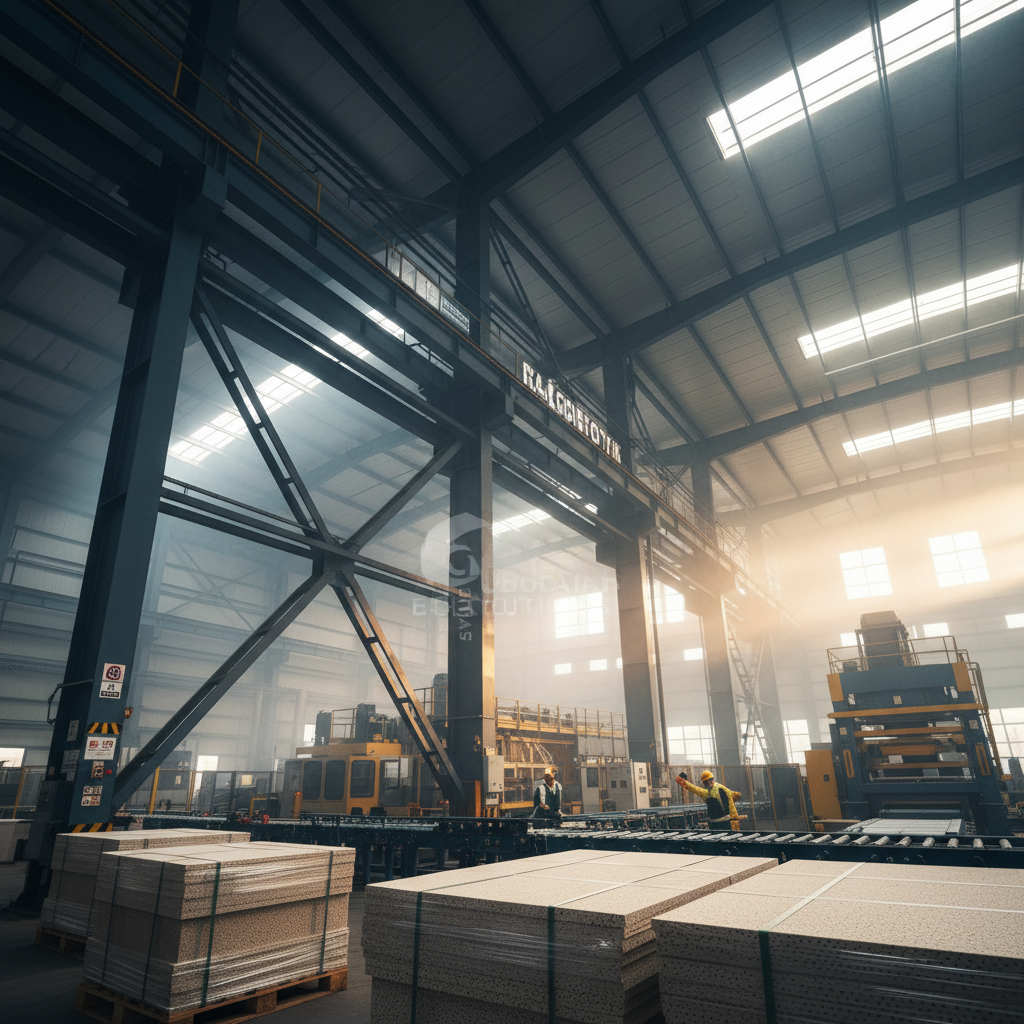
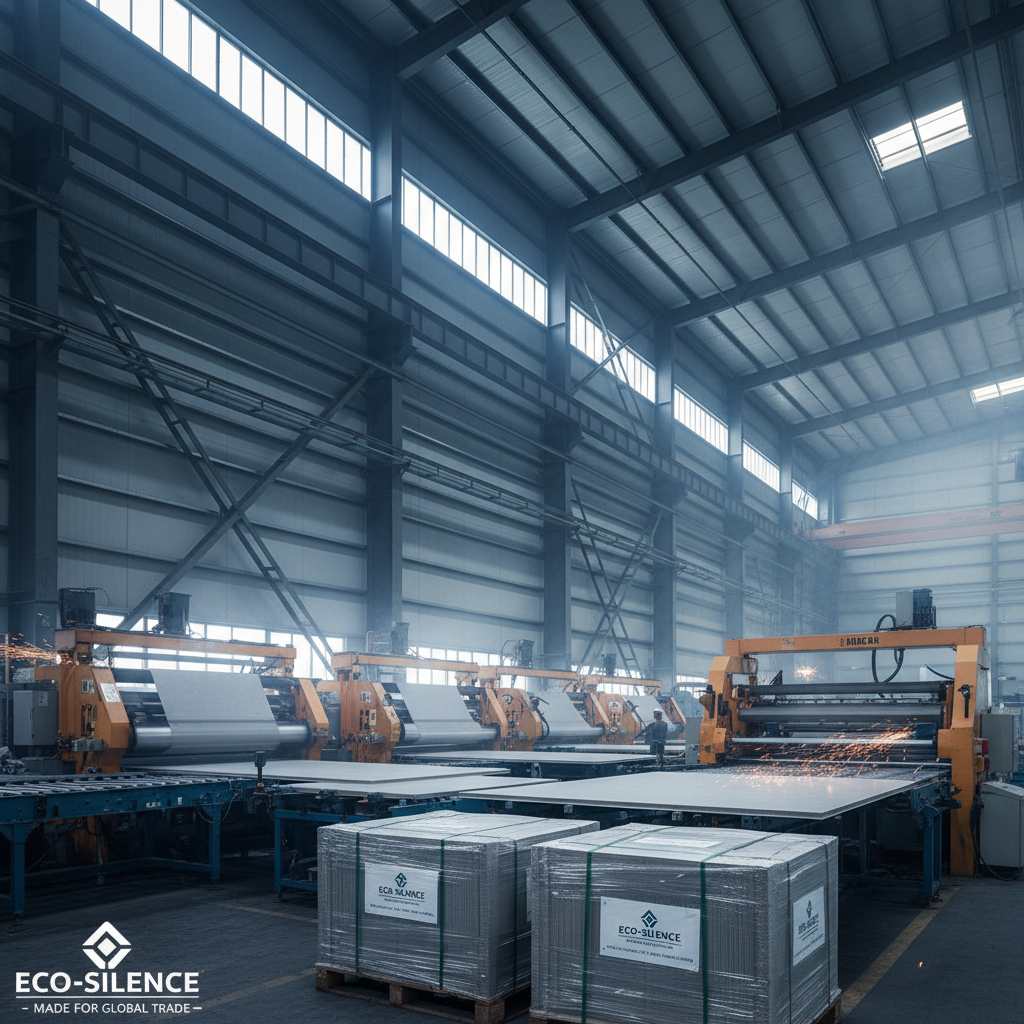
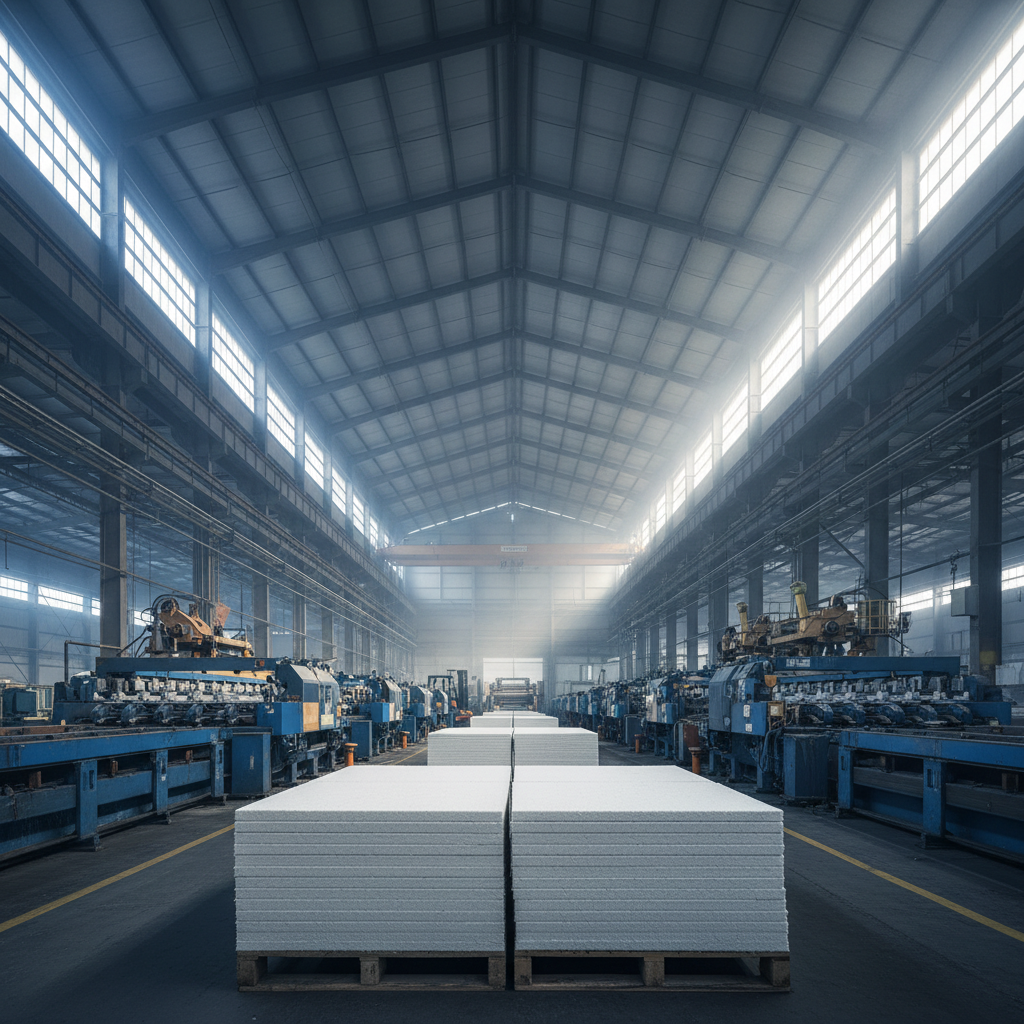
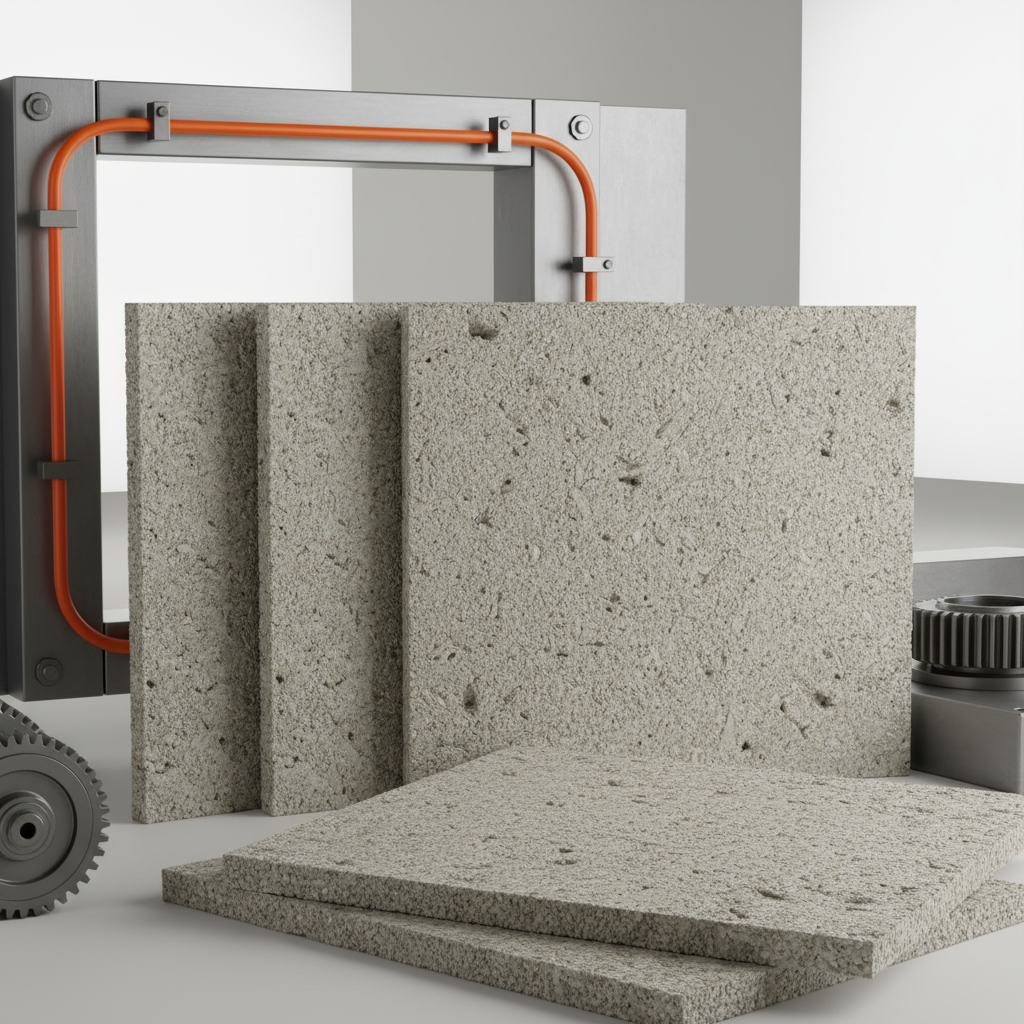
Mineral fiber acoustic ceiling tiles are prefabricated panels typically composed of mineral wool—a material derived from molten rock, slag, or glass—bound together with a suitable adhesive. The manufacturing process creates a porous structure, which is key to the tile’s sound-absorbing capabilities. These tiles are designed for installation within suspended ceiling grids, providing a finished ceiling surface that hides structural elements and services above.
Their connection to modern industry stems from the efficient utilization of industrial byproducts, transforming waste materials into valuable building products. This aligns with circular economy principles and promotes sustainability. From a humanitarian needs perspective, these tiles contribute to creating quiet, safe, and conducive learning environments in schools and healthcare facilities, particularly important in disaster-affected areas or resource-limited settings.
The performance of mineral fiber acoustic ceiling tiles is typically measured by their Noise Reduction Coefficient (NRC), a value between 0 and 1 indicating the proportion of sound energy absorbed. Higher NRC values signify better sound absorption. These tiles contribute to overall sound quality, improving comfort and reducing distractions.
Core Components and Key Factors
Several core components dictate the performance and suitability of mineral fiber acoustic ceiling tiles. These include the density of the mineral wool, the type of binder used, the surface treatment, and the tile's overall thickness. Higher density generally leads to improved sound absorption, while the binder affects fire resistance and structural integrity.
Key factors influencing their application involve durability, scalability, cost efficiency, aesthetic versatility, fire resistance, and moisture resistance. Durability ensures a long lifespan, reducing replacement costs. Scalability allows for easy adaptation to different project sizes and complexities. Cost efficiency makes them accessible for a wider range of budgets. Aesthetic versatility provides design options to complement various interior styles.
Acoustic Performance Comparison of Mineral Fiber Acoustic Ceiling Tiles Methods
Global Applications and Use Cases
Mineral fiber acoustic ceiling tiles find widespread application in diverse sectors globally. In educational institutions, they create quieter learning environments, improving student concentration and reducing teacher fatigue. In healthcare facilities, they minimize noise disruption, promoting patient comfort and recovery. Commercial offices benefit from reduced distractions, boosting employee productivity.
In remote industrial zones where noise levels are high, they help create safer and more comfortable working conditions. In post-disaster relief operations, they can be rapidly deployed to create temporary shelters with improved acoustic properties, providing a sense of normalcy and privacy for displaced populations. Their use is prominent in North America, Europe, and rapidly growing in Asia-Pacific.
They are also increasingly utilized in recording studios, home theaters, and other spaces requiring precise acoustic control. This versatility is a key driver of their continued global demand.
Advantages and Long-Term Value
The advantages of using mineral fiber acoustic ceiling tiles are multifaceted. They offer excellent cost-effectiveness compared to other acoustic solutions, particularly when considering their long lifespan and minimal maintenance requirements. They significantly contribute to sustainability by utilizing recycled content and reducing noise pollution, which positively impacts health and well-being.
The long-term value extends beyond mere cost savings. Improved acoustic environments foster a sense of safety and comfort, enhancing the overall user experience. They inspire trust in building owners and developers who prioritize occupant well-being. Continuous innovation in materials and manufacturing processes ensures consistent performance and reliability.
Future Trends and Innovations
The future of mineral fiber acoustic ceiling tiles is marked by a continued focus on sustainability, performance enhancement, and integration with smart building technologies. Innovations include the development of tiles with higher NRC values, utilizing bio-based binders, and incorporating advanced materials like graphene to improve sound absorption and structural integrity.
There’s a growing trend towards modular and adaptable ceiling systems, allowing for flexible space planning and easy integration with lighting, HVAC, and other building services. Digital transformation is also playing a role, with the development of software tools for acoustic modeling and optimized tile placement, ensuring optimal performance. The integration of sensors for monitoring air quality and occupancy levels is another emerging trend.
FAQS
The lifespan of mineral fiber acoustic ceiling tiles typically ranges from 15 to 25 years, depending on environmental conditions, installation quality, and maintenance practices. Factors like humidity, temperature fluctuations, and exposure to dust can affect longevity. Regular cleaning and proper ventilation can help maximize their lifespan, ensuring continued acoustic performance and aesthetic appeal.
Yes, mineral fiber acoustic ceiling tiles are inherently fire resistant due to the composition of mineral wool, which is naturally non-combustible. They typically achieve a Class A fire rating, meaning they can effectively resist the spread of flames and contribute to overall building safety. Always check the specific fire rating and compliance certifications for the product you are considering.
Mineral fiber acoustic ceiling tiles often incorporate recycled content, reducing the demand for virgin materials and minimizing waste. Their manufacturing processes are becoming increasingly energy-efficient, and the tiles themselves are recyclable at the end of their lifespan. They also contribute to indoor environmental quality by absorbing sound and reducing noise pollution.
Mineral fiber acoustic ceiling tiles are generally low-maintenance, but regular dusting with a soft brush or vacuum cleaner with a brush attachment is recommended. For spot cleaning, use a mild detergent and a damp cloth, avoiding excessive moisture. Avoid abrasive cleaners or harsh chemicals that could damage the surface.
While mineral fiber acoustic ceiling tiles offer some resistance to moisture, prolonged exposure to high humidity can lead to sagging or mold growth. Specialized moisture-resistant tiles are available for use in bathrooms, kitchens, or other high-humidity areas. Proper ventilation is also crucial to prevent moisture buildup.
The Noise Reduction Coefficient (NRC) represents the fraction of sound energy absorbed by a material. A higher NRC value indicates better sound absorption. When selecting mineral fiber acoustic ceiling tiles, consider the intended use of the space and choose a tile with an NRC value appropriate for the desired level of noise reduction. For example, classrooms and offices typically require higher NRC values than residential spaces.
Conclusion
In conclusion, mineral fiber acoustic ceiling tiles are a crucial element in modern building design, offering a cost-effective, sustainable, and highly effective solution for controlling noise pollution and enhancing indoor environmental quality. Their versatility, durability, and contribution to occupant well-being make them an invaluable asset for a wide range of applications, from commercial spaces to healthcare facilities and educational institutions.
Looking forward, continued innovation in materials, manufacturing processes, and smart building integration will further enhance the performance and value of these tiles. Investing in mineral fiber acoustic ceiling tiles is an investment in creating comfortable, productive, and healthy spaces for generations to come. For premium quality and a diverse range of options, visit our website: mineral fiber acoustic ceiling tiles.