Mineral ceilings are a vital component in modern building design, offering a blend of acoustic control, aesthetic appeal, and functional performance. Globally, the demand for effective interior solutions is driven by the growth of commercial spaces, the increasing focus on workplace wellbeing, and the need for sustainable building materials. Understanding mineral ceiling systems is crucial for architects, interior designers, and building owners seeking optimal interior environments. They represent a cost-effective solution for enhancing sound absorption, fire resistance, and overall interior aesthetics.
The mineral ceiling industry is experiencing steady growth, fueled by trends in sustainable construction and a renewed emphasis on indoor environmental quality. According to industry reports, the global ceiling market is projected to reach significant figures by 2030, with mineral fiber ceilings representing a substantial segment. This growth is particularly evident in developing economies experiencing rapid urbanization and infrastructure development. Challenges within the industry include fluctuations in raw material costs and the need for continuous innovation to meet evolving performance standards.
Ultimately, the widespread adoption of mineral ceilings is a testament to their versatility and effectiveness. They serve not just as a covering, but as an integrated component of a building’s overall performance. Their ability to combine functionality with affordability makes them a compelling choice in a wide range of applications, from offices and schools to healthcare facilities and retail spaces.
Introduction to Mineral Ceiling
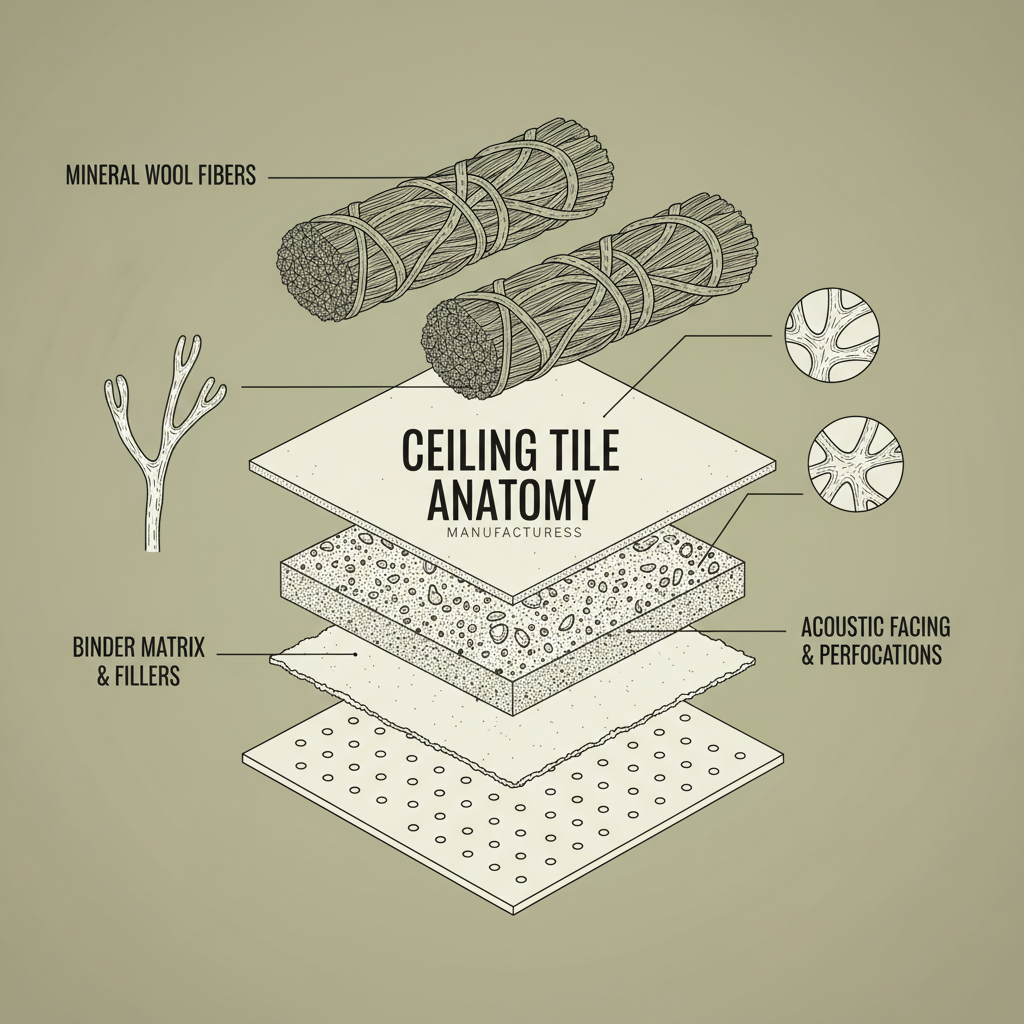
Mineral ceiling tiles represent a cornerstone of interior architecture, providing not only aesthetic appeal but also crucial functional benefits. These tiles, typically composed of mineral wool, clay, slag, and recycled content, are designed to improve acoustics, enhance fire safety, and contribute to a more comfortable indoor environment. The use of mineral ceiling solutions is becoming increasingly prevalent in both commercial and residential settings.
The popularity of mineral ceilings stems from their unique combination of properties. They effectively absorb sound, reducing noise levels and improving speech intelligibility, which is especially important in open-plan offices and educational institutions. Their inherent fire resistance provides an important layer of safety in buildings, and their relatively lightweight construction simplifies installation.
Defining Mineral Ceiling Systems
A mineral ceiling system is a suspended ceiling solution comprising mineral fiber tiles installed within a metal grid framework. These tiles are manufactured using a wet-felt process, where mineral wool fibers are combined with binders and formed into the desired shape and density. The composition of the tiles dictates their performance characteristics, such as sound absorption, fire resistance, and moisture resistance.
Mineral fiber ceiling tiles are distinct from other ceiling materials like gypsum or wood fiber. Gypsum tiles are generally denser and offer higher sound transmission loss, while wood fiber tiles can provide a more natural aesthetic. However, mineral fiber tiles strike a balance between these properties, offering a versatile solution for a wide range of applications.
The key benefit of a suspended system is the creation of a plenum space above the tiles, allowing for the routing of mechanical, electrical, and plumbing (MEP) services without being visible from the occupied space. This simplifies maintenance and modifications to building systems.
Core Components of Mineral Ceiling Performance
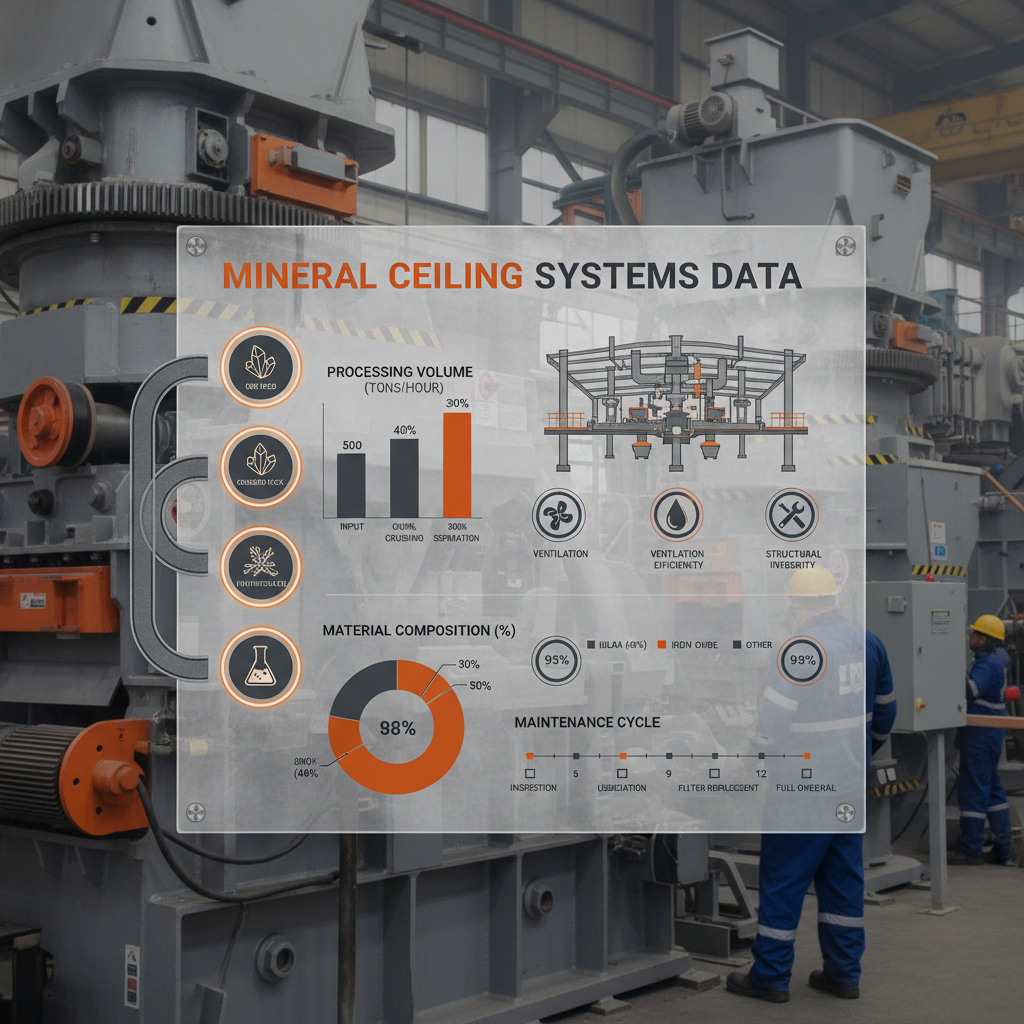
The performance of a mineral ceiling is determined by several key factors. Firstly, Sound Absorption is critical, measured by the Noise Reduction Coefficient (NRC). Higher NRC values indicate greater sound absorption capabilities, creating quieter and more productive environments. Secondly, Fire Resistance is paramount for building safety. Mineral fiber is naturally non-combustible and provides a barrier against fire spread, often achieving Class A fire ratings.
Moisture Resistance is another important consideration, particularly in environments with high humidity. Some mineral ceiling tiles are treated with moisture-resistant coatings to prevent sagging or mold growth. The fourth aspect, Dimensional Stability, refers to the tile's ability to maintain its shape and size over time, even with fluctuations in temperature and humidity. Finally, Aesthetic Versatility is offered through a variety of textures, patterns, and colors, allowing for seamless integration into diverse interior designs.
Understanding these core components enables informed selection of mineral ceiling tiles to meet specific project requirements. Specifying the appropriate tile based on the intended application is critical to ensuring optimal performance and longevity.
Practical Applications of Mineral Ceiling
Mineral ceiling systems are widely used in commercial buildings, including offices, retail spaces, and healthcare facilities. In open-plan offices, they provide essential acoustic control, reducing distractions and improving concentration. Their fire-resistant properties make them ideal for schools and hospitals, where safety is of paramount importance.
Beyond commercial spaces, mineral ceilings are also employed in residential settings, such as basements and home theaters, to improve sound quality and reduce noise transmission. They are a particularly valuable solution in multi-family dwellings where soundproofing is a concern.
Mineral Ceiling Performance Comparison
Advantages and Long-Term Value of Mineral Ceiling
The advantages of utilizing a mineral ceiling system are numerous. Cost-effectiveness is a significant benefit, as these systems are often more affordable than alternative ceiling materials like wood or specialized acoustic panels. Sustainability is another key advantage, with many mineral ceiling tiles containing recycled content and being fully recyclable at the end of their lifespan.
Beyond the financial and environmental benefits, mineral ceilings offer long-term value by improving indoor environmental quality and reducing lifecycle costs. Their acoustic performance can enhance productivity and well-being, while their fire resistance provides peace of mind. Reduced maintenance requirements further contribute to long-term cost savings.
Future Trends in Mineral Ceiling Technology
The future of mineral ceiling technology is focused on enhancing performance and sustainability. Innovations in material science are leading to the development of mineral ceiling tiles with even higher sound absorption coefficients and improved moisture resistance. Integration with smart building technologies is also emerging, with tiles incorporating sensors for monitoring air quality and occupancy levels.
A growing trend is the use of bio-based binders in mineral ceiling manufacturing, reducing the reliance on fossil fuels and minimizing the environmental footprint. Furthermore, the demand for aesthetically innovative designs is driving the development of new textures, patterns, and colors, allowing for greater customization and creative expression.
The industry is also exploring the use of digital printing technologies to create bespoke ceiling designs, offering architects and designers unparalleled flexibility and control.
Challenges and Solutions in Mineral Ceiling Installation and Maintenance
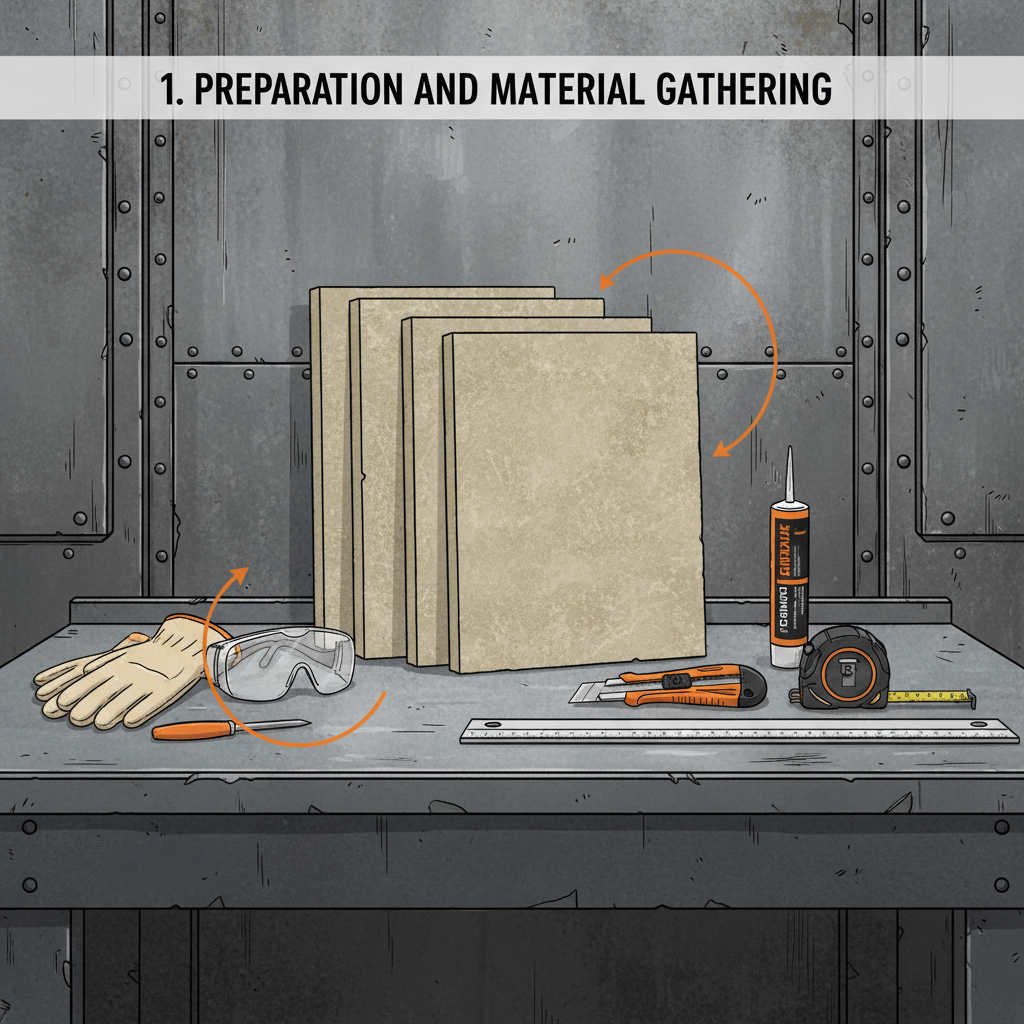
Despite their numerous benefits, mineral ceiling systems can present certain challenges during installation and maintenance. One common issue is tile breakage during handling and installation, requiring careful attention and proper techniques. Ensuring a level and properly supported grid system is crucial to prevent sagging or cracking of the tiles.
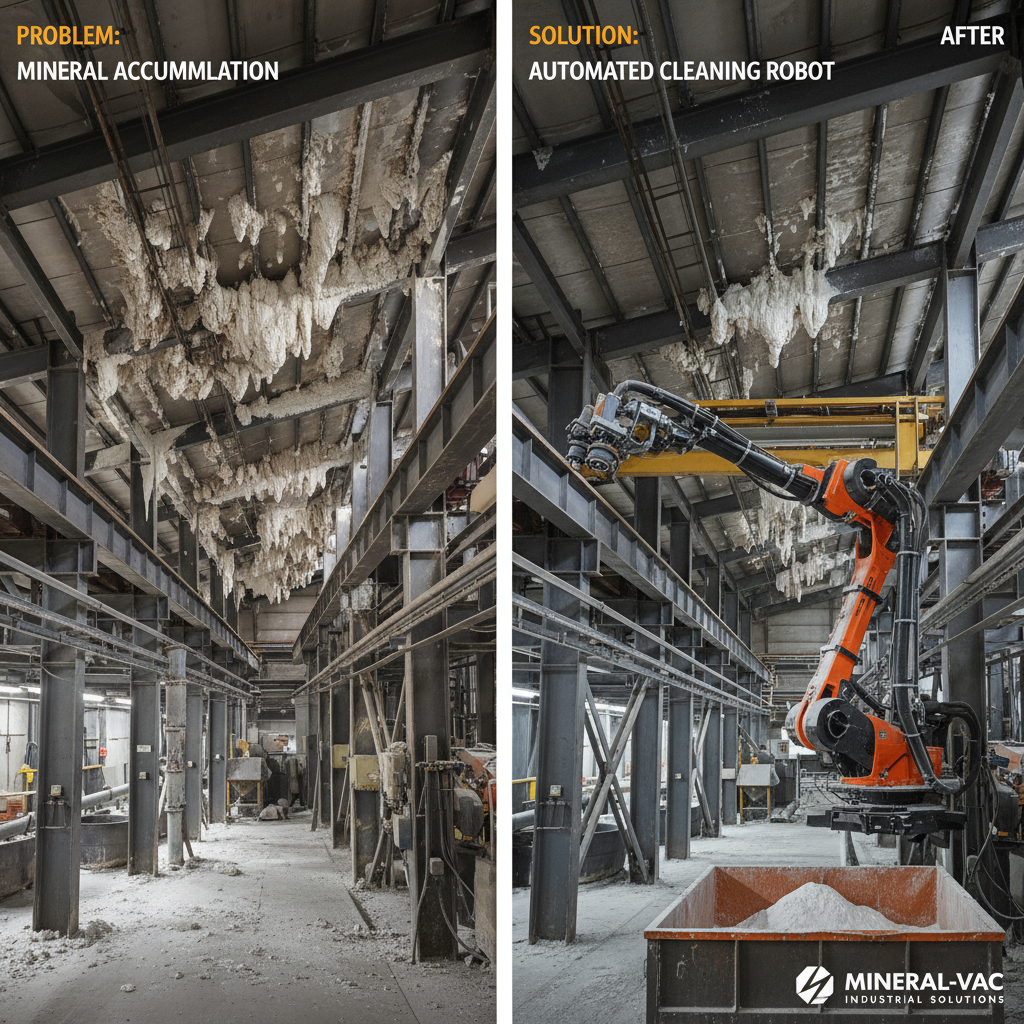
Another challenge is maintaining the aesthetic appearance of the ceiling over time. Dust and dirt accumulation can diminish the visual appeal, requiring periodic cleaning. Choosing tiles with stain-resistant coatings can help minimize maintenance requirements.
To overcome these challenges, proper training for installers, the use of high-quality grid systems, and regular maintenance are essential. Employing professionals experienced in mineral ceiling installation and maintenance ensures optimal performance and longevity.
Summary of Mineral Ceiling Maintenance Best Practices
| Maintenance Task |
Frequency |
Recommended Method |
Potential Issues |
| Dust Removal |
Monthly |
Soft brush or vacuum with brush attachment |
Reduced aesthetic appeal |
| Spot Cleaning |
As Needed |
Mild detergent and damp cloth |
Stains, discoloration |
| Tile Replacement |
As Needed |
Carefully remove damaged tile and install replacement |
Damage, discoloration, water stains |
| Grid Inspection |
Annually |
Check for loose or damaged grid components |
Sagging tiles, instability |
| Moisture Check |
Annually |
Inspect for water stains or mold growth |
Mold, sagging tiles |
| Professional Cleaning |
Every 2-3 Years |
Deep cleaning by a professional ceiling cleaning service |
Deep-seated dirt, persistent stains |
FAQS
Mineral ceiling tiles offer several key benefits for office environments. Primarily, they significantly reduce noise levels, improving speech intelligibility and employee concentration. They also provide excellent fire resistance, enhancing building safety. Additionally, their aesthetic versatility allows for creating a professional and welcoming workspace, and they are a cost-effective solution for improving indoor environmental quality.
Mineral ceiling tiles are a sustainable choice due to their often high recycled content and their ability to be fully recycled at the end of their lifespan. Many manufacturers are now using bio-based binders, reducing reliance on fossil fuels. They also contribute to energy efficiency by reducing the need for excessive HVAC usage through improved acoustic control.
NRC stands for Noise Reduction Coefficient, and it measures a material’s ability to absorb sound. It ranges from 0 to 1, with higher values indicating greater sound absorption. For mineral ceiling tiles, a higher NRC rating is desirable, especially in environments where noise control is crucial, such as open-plan offices, classrooms, or recording studios. Selecting the appropriate NRC rating ensures a comfortable and productive acoustic environment.
Standard mineral ceiling tiles are not ideal for highly humid environments like bathrooms due to their susceptibility to moisture damage. However, moisture-resistant mineral ceiling tiles are available that are treated with special coatings to prevent sagging or mold growth. It's essential to specifically choose tiles designed for high-humidity applications to ensure long-term performance and avoid potential issues.
Regular cleaning is essential to maintain the appearance and performance of mineral ceiling tiles. Dust can be removed with a soft brush or vacuum with a brush attachment. For spot cleaning, use a mild detergent and damp cloth. Avoid harsh chemicals or abrasive cleaners. Annual inspection of the grid system and tiles for damage or moisture is also recommended.
The lifespan of a mineral ceiling system typically ranges from 15 to 20 years with proper installation and maintenance. However, this can vary depending on the environmental conditions and the quality of the materials used. Regular inspection and timely replacement of damaged tiles can help maximize the system's longevity.
Conclusion
In conclusion, mineral ceiling systems represent a valuable and versatile solution for enhancing interior environments. Their combination of acoustic control, fire resistance, aesthetic appeal, and sustainability makes them a compelling choice for a wide range of applications, from commercial buildings to residential spaces. Understanding the core components of mineral ceiling performance, the latest trends in technology, and best practices for installation and maintenance is crucial for maximizing their long-term value.
Looking ahead, the future of mineral ceilings will be driven by innovation in materials, integration with smart building technologies, and a continued focus on sustainability. As building owners and designers prioritize indoor environmental quality and energy efficiency, the demand for high-performance mineral ceiling systems is expected to grow. For more information and to explore our range of mineral ceiling solutions, visit our website: www.xingyuanceilings.com.